
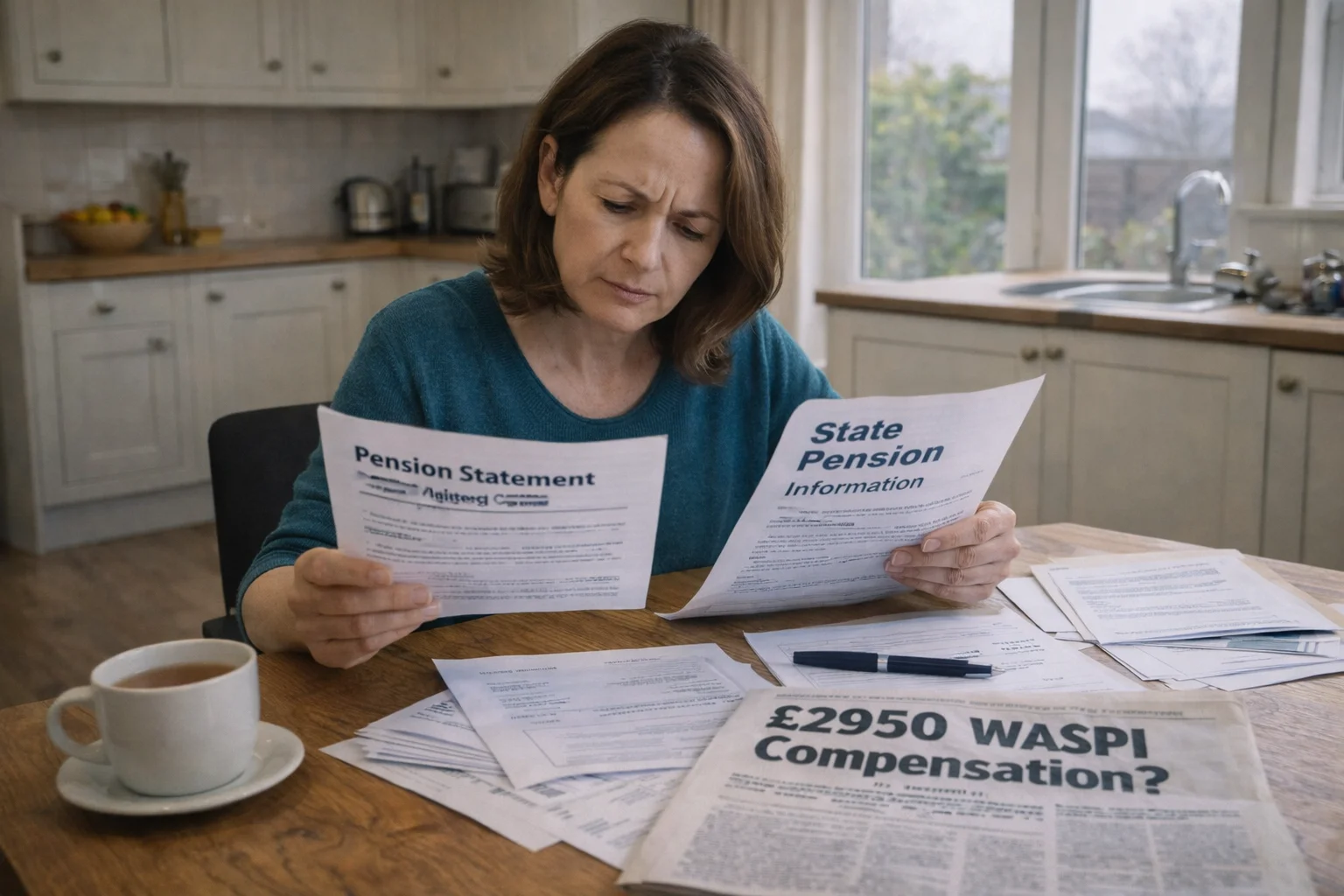
The issue of compensation for 1950s-born women affected by State Pension age changes continues to dominate headlines across the UK.
The figure £2,950 has become a focal point of discussion, with growing interest from the public, media, and advocacy groups.
However, there is considerable confusion surrounding what this number represents, whether the Department for Work and Pensions (DWP) has committed to it, and what the future holds for affected women.
This article explores everything currently known about the WASPI compensation DWP £2950 claims, the background to the issue, and whether any actual payments are confirmed or in progress.
What Is the WASPI Compensation and Why Is It in the News?
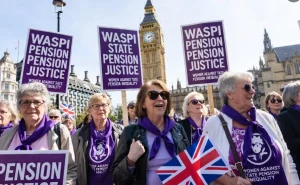
WASPI, which stands for Women Against State Pension Inequality, is a campaign movement that advocates for women affected by State Pension age changes.
These changes were legislated through the Pensions Act 1995 and later revised under the Pensions Act 2011, which increased the State Pension age for women from 60 to 65, aligning it with men.
Women born in the 1950s, particularly between April 1950 and April 1960, were impacted by the accelerated implementation of these changes.
Many reported receiving little to no notice, leaving them financially unprepared for retirement.
The Parliamentary and Health Service Ombudsman launched an investigation following thousands of complaints.
In its findings, the Ombudsman concluded that the Department for Work and Pensions failed in its duty to adequately inform the women concerned, amounting to maladministration.
This triggered widespread public and political debate around whether compensation should be awarded.
The campaign gained further traction when the Ombudsman suggested potential financial redress.
Since then, the idea of WASPI compensation has remained a pressing issue for policymakers and affected women across the UK.
What Does the £2,950 WASPI Compensation Figure Actually Mean?
The figure of £2,950 represents the upper limit of the compensation band proposed by the Ombudsman as part of its assessment of the DWP’s failures.
It is based on the severity of the injustice suffered by women and is categorised under Level 4 of the Ombudsman’s compensation scale.
The compensation levels are outlined as follows:
| Level of Impact | Description of Impact | Compensation Range |
|---|---|---|
| Level 1 | Minimal impact | £100–£450 |
| Level 2 | Minor impact | £500–£950 |
| Level 3 | Moderate impact | £1,000–£1,250 |
| Level 4 | Moderate to significant impact | £1,000–£2,950 |
| Level 5 | Significant impact | £3,000–£9,950 |
| Level 6 | Severe and prolonged impact | Over £10,000 |
The figure of £2,950 is frequently cited in media reports and campaign materials because it represents the maximum suggested amount within the Level 4 category, which many believe most WASPI women fall into.
It is important to note that the Ombudsman’s role is advisory.
The government is not legally obligated to act on its recommendations, and so far, no official action has been taken by the DWP to implement a compensation scheme.
Has the DWP Confirmed the £2,950 WASPI Payment?
Despite the widespread attention, the Department for Work and Pensions has not confirmed any commitment to pay compensation to the women affected.
There is no announcement of a payment structure, eligibility criteria, or timeline for disbursing funds.
The key facts at present are:
- There is no government-approved compensation scheme
- £2,950 remains a recommendation, not a guaranteed payout
- No mechanism has been established for affected women to register or apply
- The DWP has neither confirmed nor rejected the Ombudsman’s suggested compensation
The lack of a formal response has caused frustration among campaigners, particularly as the Parliamentary and Health Service Ombudsman’s findings carry significant weight in such matters.
Why Is the £2,950 Figure Being Mentioned So Frequently?
The figure £2,950 has become a focal point of public and political discourse surrounding the WASPI campaign, despite the absence of any confirmed payment scheme.
It is commonly referenced in media reports, campaign literature and social media discussions, often being mistaken for an official figure.
The Origins of the £2,950 Compensation Estimate
The amount comes directly from the Parliamentary and Health Service Ombudsman’s (PHSO) report, which outlined six levels of potential redress for maladministration. Under Level 4, which accounts for moderate to significant impact, the suggested compensation range is £1,000 to £2,950.
Many believe this level is appropriate for the majority of WASPI women, as the delay in communication had a meaningful effect on their retirement planning, employment decisions, and overall financial wellbeing.
Campaigners’ Use of the £2,950 Figure
WASPI and associated advocacy groups have regularly referenced the upper end of the Level 4 range to emphasise the scale of the injustice experienced.
While this helps raise public awareness and support, it also creates confusion when the public interprets it as a guaranteed payout.
The figure is often used in:
- Petitions to Parliament
- Interviews with campaigners
- Letters to MPs
- Social media posts designed to mobilise support
Media Misrepresentation and Public Confusion
Mainstream media has contributed to the visibility of the figure by citing it in headlines and articles, sometimes without sufficient context.
This has led to widespread misunderstanding about whether the payment is approved or available.
The language used in headlines such as “Women could receive £2,950 in pension compensation” may lead readers to assume that payments are imminent or confirmed.
In reality, the figure is a recommended upper limit, not a legislated or approved amount.
Lack of Clarity From the Government
The government has not clarified whether it accepts the £2,950 recommendation or any compensation at all.
In the absence of official communication, speculation continues, and the number has taken on a symbolic status in the broader conversation.
Can Affected Women Claim WASPI Compensation Now?

There is currently no official process through which WASPI-affected women can claim compensation.
No government department, agency, or third-party has launched a scheme allowing registration or applications.
Women should be aware of the following:
- No official website or portal exists for WASPI compensation claims
- No government documents or forms have been issued
- Any third-party service offering to submit claims on behalf of WASPI women is not endorsed by the DWP
- Scams are circulating on social media, asking women to provide personal details or bank information
To avoid falling victim to misinformation, women should rely on official updates from the DWP, Parliamentary reports, and trusted campaign groups.
What Might a Future WASPI Compensation Scheme Look Like?
Although no compensation scheme currently exists, the potential for one has been widely discussed.
If the government accepts the Ombudsman’s findings and agrees to develop a structured redress system, a number of elements would likely need to be included.
Possible Eligibility Criteria
The most straightforward eligibility would likely be based on birth dates and the timing of pension notifications.
Women born between 6 April 1950 and 5 April 1960 would be the most likely group to qualify, as this cohort was most affected by the accelerated State Pension age changes.
Eligibility might also take into account:
- When the woman received notice of the pension age change
- Whether financial harm or career disruption can be demonstrated
- The number of years the pension was delayed
Payment Amounts and Tiers
If a formal compensation scheme is introduced, payments would likely be tiered based on the level of impact, mirroring the Ombudsman’s redress levels.
Affected individuals might be categorised according to how significantly their financial or personal circumstances were affected.
The payment structure could look something like this:
| Impact Level | Description | Estimated Compensation |
|---|---|---|
| Low Impact | Minimal disruption, early notice | £500–£950 |
| Medium Impact | Short notice, some financial hardship | £1,000–£2,000 |
| High Impact | Little to no notice, significant hardship | £2,000–£2,950 or more |
These are not confirmed amounts but illustrate how a sliding scale could be used.
Delivery and Administration of Payments
For efficiency, the Department for Work and Pensions (DWP) would likely administer the scheme, possibly with support from third-party agencies or independent oversight.
A digital and postal application process might be implemented to ensure accessibility.
The administration process could involve:
- Verification of National Insurance records
- Review of past DWP correspondence
- Assessment of hardship levels or supporting documents
Application Process and Timelines
Assuming Parliament supports a compensation framework, the rollout would need a well-structured application phase. Women would probably be given a window to apply, such as 6–12 months, with appeals allowed for rejected claims.
Timelines could include:
- Announcement of scheme: Following government acceptance of Ombudsman findings
- Scheme development: 6–9 months for design and setup
- Application period: 12 months from launch date
- Payment distribution: Staggered over 6–12 months, depending on volume
What Are the Political and Legal Steps Ahead?
The future of any WASPI compensation is tied closely to political developments. As of now, the government has neither committed to the Ombudsman’s recommendations nor indicated a timeline for discussion.
Possible next steps in the process may include:
- A final report from the Parliamentary and Health Service Ombudsman, expected in 2026
- Calls from cross-party MPs for a formal debate in the House of Commons
- Pressure on ministers to respond to the findings and outline a plan
- Potential legal actions by campaign groups or class-action lawsuits if compensation is denied
The government’s position appears to be one of caution, and it may be waiting for the Ombudsman’s final report before taking action.
How Are 1950s-Born Women Being Affected by the Delay?
The delay in response has compounded the challenges already faced by the women affected.
Many had planned their retirements around the assumption that they would begin receiving their State Pension at age 60.
When the age was raised, often with little notice, they were forced to change their plans suddenly.
The real-world impacts include:
- Some women were forced to continue working into their mid-60s despite health issues
- Others depleted savings or took on debt to manage day-to-day expenses
- A number of women became reliant on partners or family members for financial support
- Emotional stress and anxiety have been commonly reported, particularly among those with limited options
Campaigners argue that the delay in addressing compensation has exacerbated the injustice. The longer it takes to act, the more likely it is that some women will never benefit from a resolution, due to age or health complications.
Is There a Timeline for the Final Decision on WASPI Compensation?
No formal timeline has been announced by the government or the DWP.
The Parliamentary and Health Service Ombudsman is expected to release a final report in early 2026, which will likely recommend further actions.
Only then will the government be required to issue an official response.
Until that point, the matter remains in political limbo. Parliamentary debates and public petitions may influence the process, but without a confirmed schedule, no one can accurately predict when or if compensation will be paid.
Women affected are advised to monitor updates from official channels, campaign organisations, and their local MPs.
How Can Women Stay Informed About WASPI Compensation News?
To stay informed, it is essential to consult credible sources. These include:
- The official WASPI campaign website for updates and press releases
- The UK Parliament website for debate schedules and committee meetings
- Government portals like gov.uk for announcements
- National news outlets such as BBC News and The Guardian
- Email newsletters from local MPs or parliamentary committees
Reliable communication ensures that women avoid misinformation and remain updated on any official developments.
Conclusion
At present, the £2,950 WASPI compensation DWP payment is not real or confirmed.
It remains a recommendation from the Parliamentary Ombudsman, not an official government policy.
While many campaigners continue to fight for justice and financial redress, no compensation scheme has been implemented, and there is no guarantee that one will be.
Until then, women affected by the pension age changes are encouraged to stay updated, remain cautious of scams, and support ongoing campaigns for change.
Frequently Asked Questions About WASPI Compensation
Is the £2,950 compensation guaranteed for all 1950s-born women?
No, it is a suggested amount, not a confirmed payment. Actual compensation, if introduced, may vary or not happen at all.
What is the latest update from the Parliamentary Ombudsman?
The Ombudsman has released initial findings confirming maladministration. A final report is expected in 2026.
Are there any legal cases being pursued for WASPI women?
Some campaign groups are exploring legal options, including class actions or judicial review, but no official legal ruling has mandated compensation.
How can I check if I’m eligible if a scheme is introduced?
Eligibility would likely be based on birthdate and pension age changes. Official guidance would be issued if a scheme is approved.
Can I register or apply for WASPI compensation now?
No official registration or application process exists at this time.
Are other countries facing similar pension issues?
Yes, similar issues have occurred in Ireland and Australia, but each country has handled it differently in terms of communication and compensation.
Will compensation be taxable if it is ever paid?
This would depend on how the government classifies the payment—whether as income, a benefit, or compensation. HMRC guidelines would apply.

Leave a Reply