
Last Updated on AUG 14, 2026
The Thetford Grammar School VAT raid refers to the financial impact of government tax changes on independent education rather than an actual HMRC enforcement raid.
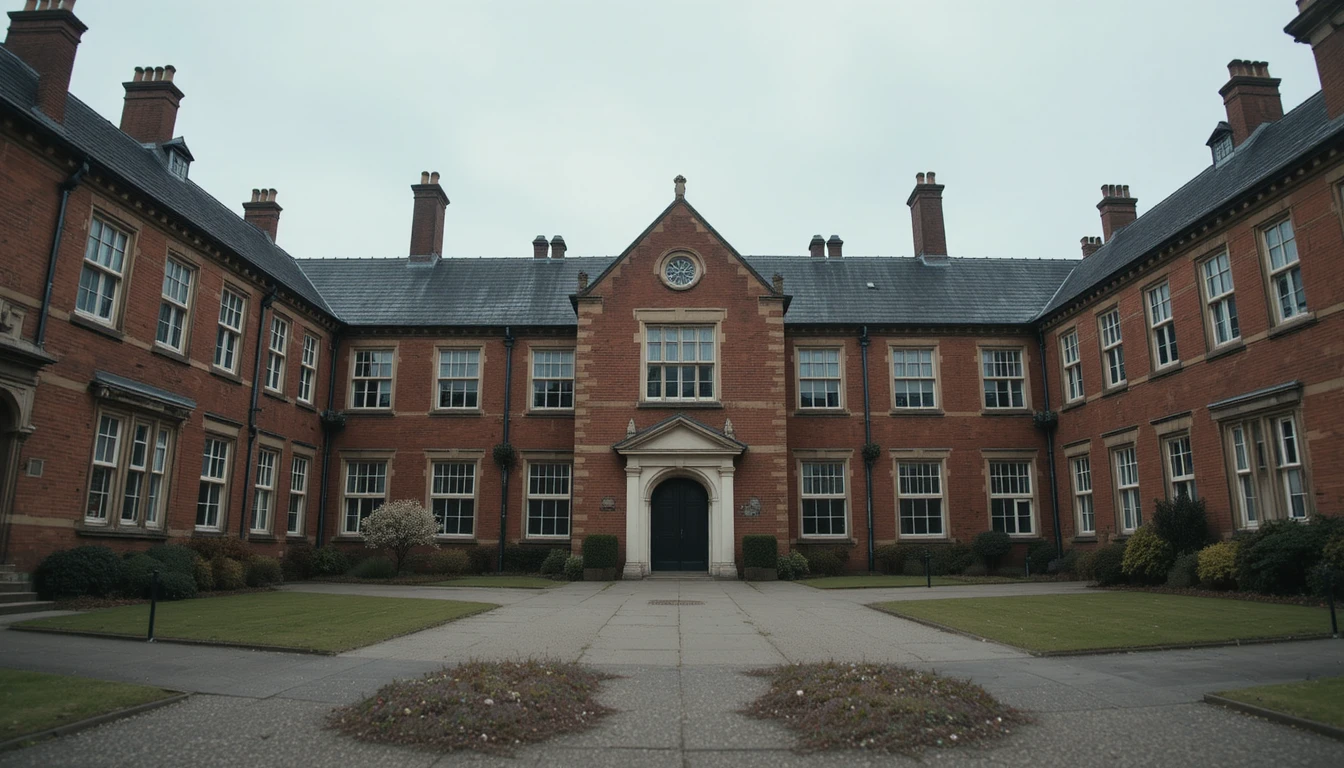
The latest position is that Thetford Grammar School will formally close on 31 August 2026, bringing its centuries-old presence in Norfolk to an end.
The school had around 180 pupils when the closure was announced and said that continuing to operate independently was no longer financially sustainable.
Chairman Jay Liu cited several pressures, including the 20% VAT on private school fees, loss of business-rates relief, higher employment costs and rising operating expenses.
The school has also said that resources will be merged with Finborough School near Stowmarket, with transition arrangements offered to Thetford families.
As of August 2026, therefore, the issue has moved beyond speculation about whether the school might close: its closure date has been formally set.
Key Takeaways:
- VAT on private school fees has increased costs for families
- Removal of business rates relief added significant expenses
- Rising staff wages and utility bills worsened financial strain
- Declining enrolment impacted overall revenue
- Over 100 independent schools have closed since the policy change
- Students are being redirected through merger plans
- The closure signals broader risks for UK private education
What Happened in the Thetford Grammar School VAT Raid?

The phrase thetford grammar school vat raid has gained attention across UK media, but it requires clarification to avoid misunderstanding. There was no physical enforcement action or inspection raid by HMRC.
Instead, the term reflects the financial shock caused by the introduction of VAT on private school fees and related tax changes that have significantly altered the operating environment for independent schools.
Thetford Grammar School, located in Norfolk, announced its closure following a detailed financial review.
The decision came after leadership concluded that the school could no longer sustain its operations independently. The pressures were not isolated to one factor but rather the cumulative effect of several policy and economic changes.
The tax changes now have clear implementation dates. Since 1 January 2025, education and boarding services supplied for a charge by private schools have generally been subject to the standard 20% VAT rate. Before that date, qualifying private-school education had been VAT exempt.
A second change followed on 1 April 2025, when private schools in England with charitable status lost eligibility for charitable business-rates relief.
In Thetford Grammar School’s case, its chairman also identified rising employment and operating costs as contributors to the decision to close.
This makes it more accurate to describe VAT as an important part of a wider financial problem rather than the sole cause of the closure.
Alongside this, the removal of business rates relief and rising operational costs created a situation where maintaining financial stability became increasingly difficult.
The school’s leadership communicated the decision directly to parents, emphasising that the closure was made after careful consideration of all available options.
The focus has since shifted to ensuring that students are supported in transitioning to other institutions.
To better understand the situation, the following table outlines the key elements involved in what is being described as the thetford grammar school vat raid:
Factor Description Impact on School
VAT on Fees Introduction of VAT on private school tuition Increased cost for parents and reduced enrolment
Business Rates Relief Removal Loss of charitable tax benefits Higher fixed expenses
Staff Costs Rising wages and pension contributions Increased operational burden
Utilities Energy and maintenance costs are rising Reduced financial flexibility
This combination created a financial environment where even historically stable institutions struggled to remain viable.
Why Is Thetford Grammar School Closing After 1,400 Years?
The closure of a school with such a long history is not the result of a single event. It is the outcome of layered financial pressures that have intensified over time, particularly following recent policy changes.
Impact of VAT on Private School Fees
The introduction of VAT on private school fees has had an immediate and visible effect. For families already paying between £4,000 and £7,000 per term, the additional tax significantly increases the total cost of education.
This has led to:
- Reduced affordability for many families
- Withdrawal of some students
- Increased pressure on schools to justify higher fees
Even a modest decline in enrolment can have a substantial impact on a school’s financial health, especially when fixed costs remain high.
Rising Operational and Staffing Costs
Independent schools operate with complex cost structures. Staffing remains one of the largest expenses, and recent increases in minimum wage and pension contributions have added to this burden.
At the same time, inflation has driven up the cost of essential services such as heating, electricity, and maintenance.
Loss of Business Rates Relief
The removal of business rates relief for charitable schools has introduced a new financial obligation that many institutions were not prepared to absorb. This change alone has added tens of thousands of pounds annually to operating costs for some schools.
The combined effect of these pressures can be illustrated clearly:
Cost Area Before Policy Changes After Policy Changes
Tuition Revenue Stable Declining due to affordability
Tax Obligations Minimal VAT Significant VAT added
Business Rates Reduced or exempt Fully payable
Staff Costs Predictable growth Rapid increase
An education finance consultant explained the situation in practical terms:
“What we are seeing is not just a policy shift but a structural change in how independent schools operate financially. Many simply cannot adapt quickly enough to survive.”
How Has Labour’s VAT Policy Affected Independent Schools in the UK?

The introduction of VAT on private education was positioned as a way to generate additional funding for public services. However, its implementation has had widespread consequences across the independent school sector.
VAT Removal of Exemptions Explained
Previously, private schools were exempt from VAT, allowing them to maintain relatively stable pricing structures. With the removal of this exemption, schools are now required to apply VAT to their fees, increasing costs for parents and altering demand dynamics.
Number of School Closures Since Policy Implementation
The wider independent-school sector has continued to contract since the VAT change. In June 2026, the Independent Schools Council said its figures showed that independent schools had lost around 30,000 pupils since January 2025.
The ISC has also reported that more than 100 independent schools had closed following the introduction of VAT on fees, although school closures can have multiple causes and not every closure can be attributed solely to the tax change.
The latest figures therefore show a more complicated picture than VAT alone. Falling pupil numbers, demographic changes, operating costs and schools’ existing financial positions can also affect viability.
The government has maintained that the majority of pupils remain in independent education and that the tax changes are intended to raise additional funding for state education.
Reaction from the Independent Schools Council
Industry bodies have raised concerns about the long-term impact of the policy. Warnings issued prior to implementation highlighted the risk of closures, reduced accessibility, and increased pressure on the state education system.
The broader sector impact can be summarised as follows:
Area of Impact Short-Term Effect Long Term Risk
Enrolment Decline in student numbers Sustained reduction
Financial Stability Immediate strain Potential insolvency
Staff Employment Hiring freezes Job losses
Education System Minimal immediate change Increased pressure on state schools
These changes suggest that the policy is reshaping the educational landscape rather than simply adjusting tax contributions.
What Is the Historical Significance of Thetford Grammar School?
Thetford Grammar School has an unusually long educational history and claims origins dating to AD 631, which places its roots among some of Britain’s earliest schools. However, describing it as continuously operating for 1,400 years needs qualification.
Historical records held by the Norfolk Record Office show that a monastic school existed in Thetford by the medieval period, while Sir Richard Fulmerston later provided for a free grammar school in his 1566 will.
The refoundation was subsequently confirmed by an Act of Parliament in 1610. The school later became part of the state sector before returning to independent status in 1981.
Therefore, “1,400-year-old school” works as shorthand for its claimed historical origins, but “continuously operating for 1,400 years” should be avoided because the institution has undergone periods of refoundation and major structural change.
Connection to King Sigbert
The school traces its beginnings to the court of King Sigbert of the East Angles. This connection places it at the heart of early English education, reflecting a time when learning was closely tied to religious and royal institutions.
Notable Alumni Like Thomas Paine
One of the most well-known former pupils is Thomas Paine, a political thinker whose writings influenced democratic movements in both Britain and America.
His association with the school highlights its long-standing contribution to intellectual and political thought.
The loss of such an institution represents more than a financial event. It marks the end of a legacy that has spanned over a millennium.
What Did the School Leadership Say About the Closure?

The announcement from chairman Jay Liu conveyed both the gravity of the situation and the difficulty of the decision.
He emphasised that the closure was not taken lightly and followed a thorough review of the school’s financial position.
The leadership highlighted several key concerns:
- The inability to offset rising costs
- Declining enrolment linked to higher fees
- Limited options for maintaining independence
Mr Liu also stressed that the priority remains the wellbeing of students. Efforts have been made to identify alternative pathways, including discussions around merging with another institution.
What Will Happen to Students After the Closure?
The immediate concern following the closure announcement is the future of the students currently enrolled at the school. Transition planning has become a central focus for both leadership and families.
The proposed merger with a school in Stowmarket offers one potential solution. However, the distance of approximately 22 miles introduces logistical challenges for daily travel and boarding arrangements.
Families are now required to make decisions quickly, often with limited information. This has created uncertainty and stress within the school community.
A parent described the situation clearly:
“We built our lives around this school. Now we are trying to find alternatives that match both the academic standard and the environment our children are used to.”
The transition process typically involves:
- Identifying suitable alternative schools
- Transferring academic records
- Supporting students emotionally during the change
While these steps provide a framework, the experience varies significantly for each family.
Could More UK Private Schools Close Due to VAT Changes?
The closure of Thetford Grammar School is widely seen as part of a broader trend rather than an isolated case. Many independent schools are facing similar financial pressures and may struggle to remain operational in the coming years.
Smaller schools are particularly vulnerable due to limited financial reserves and reliance on stable enrolment numbers. Even a slight drop in student numbers can disrupt their ability to cover fixed costs.
Larger institutions may have more resources to adapt, but they are not immune to the effects of policy changes and rising expenses.
What Are the Wider Economic Impacts of VAT on Private Education?
The impact of VAT on private education extends beyond individual schools and families. It has broader economic implications that affect multiple sectors.
Parents facing higher fees may reconsider their options, potentially moving children into the state education system. This shift could increase demand for public school places and place additional pressure on government resources.
At the same time, independent schools contribute to local economies through employment and procurement. Their closure can lead to job losses and reduced economic activity in surrounding areas.
The wider impact can be summarised below:
Stakeholder Impact
Parents Higher education costs
Students Disruption in education
Staff Risk of unemployment
Local Economy Reduced spending and activity
State Schools Increased enrolment pressure
These effects demonstrate that the policy has consequences that extend far beyond its initial financial objectives.
Is There Any Future for Thetford Grammar School?

Although the school is set to close in its current form, discussions around its future are ongoing. The possibility of merging with another institution offers a pathway for continuity, though it may not preserve the school’s identity in its original form.
Ownership by China Financial Services Holdings adds another dimension to the situation. International backing can provide opportunities for restructuring or reinvestment, but it also introduces complexities in decision-making.
Any future revival would depend on several factors, including financial viability, regulatory conditions, and demand from families. For now, the focus remains on managing the transition and preserving as much of the school’s legacy as possible.
Conclusion: What Does the Thetford Grammar School VAT Raid Mean for the Future of UK Education?
The Thetford Grammar School VAT raid symbolises a broader shift in the UK education landscape. The combination of VAT policy changes, rising costs, and reduced financial relief has created an environment where even historically significant institutions are no longer immune to closure.
This case raises important questions about the balance between generating public revenue and preserving educational heritage. As more schools face similar challenges, the long-term impact of these policies will continue to unfold across the sector.
FAQs
What is the Thetford Grammar School VAT raid?
It refers to the financial impact of VAT policies on the school rather than an actual raid, highlighting tax-related pressures that contributed to its closure.
Why are private schools being charged VAT in the UK?
The UK government introduced VAT on private school fees to increase public revenue and fund state education initiatives.
How many schools have closed due to VAT changes?
Over 100 independent schools have reportedly closed or announced closures since the VAT policy was implemented.
What makes Thetford Grammar School historically significant?
It dates back to the 7th century and has connections to King Sigbert, making it one of the oldest schools in the UK.
Will other independent schools face closure?
Yes, many experts believe additional closures are likely due to ongoing financial pressures.
How does VAT affect school fees for parents?
VAT increases the overall cost of private education, making it less affordable for many families.
What alternatives do students have after school closures?
Students may transfer to other independent schools, state schools, or institutions involved in merger arrangements.

Leave a Reply