

Last Updated on 12.8.2026
Households across the UK continue to face pressure from everyday living costs in 2026, although inflation has eased substantially from the peaks recorded during the cost of living crisis.
The latest available Office for National Statistics data, published before 12 August 2026, showed that UK Consumer Prices Index inflation was 2.6% in the 12 months to June 2026, down from 2.8% in May. Food and non-alcoholic beverage prices increased by 1.7% over the same period.
At the same time, claims about a supposed £225 DWP Cost of Living Payment continue to create confusion for people looking for additional financial help.
However, GOV.UK is clear that there will be no Cost of Living Payment in 2026 and no further payments are currently planned. This guide explains the position on the £225 claim and outlines the legitimate benefits and local support currently available.
Why Did the DWP Introduce Cost of Living Payments Between 2022 and 2024?
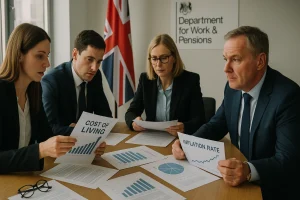
The reason behind these temporary payments was rooted in crisis response. In 2022, the UK faced an inflation rate peaking at 11.1%, its highest in four decades.
Utility bills soared, food costs rose rapidly, and wages struggled to keep pace with the inflation curve. The government recognised that traditional benefit schemes would not suffice in the face of such swift economic upheaval.
In this context, the DWP launched a package of Cost of Living Payments as a short-term buffer. These payments were designed to fill gaps that existing welfare schemes could not immediately address.
By providing these payments to those already receiving benefits, the DWP ensured the funds reached the most vulnerable citizens without requiring extensive administrative work or new application processes. This approach meant that support could be deployed quickly, efficiently, and directly to bank accounts.
The later 2023 to 2024 means-tested support consisted of payments of £301, £300 and £299, providing eligible households with up to £900 in total, with the final £299 payment made to most eligible recipients between 6 and 22 February 2024.
Is the DWP Providing a £225 Cost of Living Payment in 2026?
No. As of August 2026, the DWP has not announced a £225 Cost of Living Payment. GOV.UK explicitly states that there will be no Cost of Living Payment during 2026 and that there are no further Cost of Living Payments currently planned.
The previous means-tested Cost of Living Payment programme has finished. Its final instalment was £299, paid to most eligible low-income benefit claimants between 6 and 22 February 2024.
Claims suggesting that people should now expect a new £225 payment should therefore not be treated as official unless they are supported by a new GOV.UK or DWP announcement.
For Example
Consider a hypothetical example of Sophie, a single mother living in Leeds who receives Universal Credit. She sees a social media post in 2026 claiming that the DWP is about to pay eligible households £225.
Rather than budgeting around the unverified payment, she checks GOV.UK and confirms that no Cost of Living Payment is scheduled for 2026.
She then checks the support offered by her local authority through England’s new Crisis and Resilience Fund, which can provide help to qualifying low-income households experiencing financial shocks or difficulty paying for essentials.
This example shows why people should verify payment claims through official sources before providing personal information or making financial decisions based on an expected payment.
Are Any Cost of Living Payments Planned for 2026?
The UK government has confirmed that there will be no Cost of Living Payment in 2026, and GOV.UK currently states that no further payments are planned. The final means-tested payment from the previous programme was the £299 instalment paid in February 2024.
Support has instead moved towards regular benefits and longer-term local assistance. DWP benefit and pension rates were uprated again for the 2026 to 2027 financial year, while England introduced the Crisis and Resilience Fund from 1 April 2026.
For example, the Universal Credit monthly standard allowance for 2026 to 2027 is £338.58 for a single claimant under 25 and £424.90 for a single claimant aged 25 or over.
Joint claimants receive £528.34 where both are under 25 or £666.97 where one or both are 25 or over. Actual Universal Credit entitlement depends on household circumstances, earnings, housing costs and other applicable elements.
What Has the Government Said About the End of the Temporary Scheme?
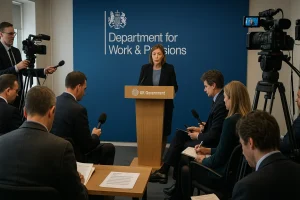
The DWP’s Cost of Living Payments Evaluation was published on 27 January 2025, based on research carried out during January and August 2024. It examined how recipients used the payments and how far they helped households manage higher living costs.
However, it was also noted that the payments were not intended to be long-term policy solutions. They were introduced as part of a broader temporary support response to external economic shocks.
Key Insights from the Evaluation
- Most recipients who identified specific spending used at least some of their payment for energy and utility bills, while food and groceries were another major use of the support.
- Among means-tested benefit recipients, 83% said the payments helped at least a little with energy and utility bills and 77% said they helped with food and groceries.
- Around 63% of means-tested Cost of Living Payment recipients said the support helped them avoid borrowing, although the evaluation also found that the most financially vulnerable households often continued to experience significant pressure.
Most recipients did not feel that the payments significantly improved their ability to plan financially for the future, illustrating the limitations of temporary flat-rate support.
Which Households Benefited from Past Cost of Living Payments?
The eligibility for the payments was clearly defined and based on entitlement to certain benefits during specified qualifying periods. There were three primary groups that received support: low-income households, pensioners, and individuals with disabilities.
| Household Type | Eligibility Criteria | Example Payment Received |
|---|---|---|
| Low-Income Individuals | Universal Credit, Income Support, JSA | £650 to £900 |
| Pensioners | Pension Credit entitlement | £300 |
| Disabled Individuals | PIP, DLA, Attendance Allowance | £150 |
These groups did not need to apply for the payments. The funds were automatically credited to those who met the conditions during the qualifying dates. Households not receiving qualifying benefits were not eligible, even if facing financial hardship.
What Alternatives Are Available Now for Financial Support in the UK?

Although the temporary Cost of Living Payment programme has ended, several benefits and support schemes remain available to eligible households in 2026.
Current Benefit Options
- Universal Credit: Supports eligible people on a low income or out of work. The 2026 to 2027 monthly standard allowance starts at £338.58 for a single person under 25 and £424.90 for a single person aged 25 or over.
- Personal Independence Payment (PIP): Supports eligible people with additional costs arising from a long-term health condition or disability. For 2026 to 2027, weekly component rates range from £30.30 to £114.60 depending on the component and award level.
- Pension Credit: Provides additional income to eligible people over State Pension age. The standard minimum guarantee for 2026 to 2027 is £238.00 a week for a single claimant and £363.25 for a couple.
- Carer’s Allowance: The 2026 to 2027 rate is £86.45 a week, subject to eligibility requirements including the applicable earnings rules.
- Housing Benefit: Remains available in certain circumstances, particularly for some State Pension age households and people living in supported or temporary accommodation. Most other people making a new claim for help with rent will generally need to claim Universal Credit instead.
Eligibility and application arrangements vary between benefits. GOV.UK provides official application guidance, while free benefits calculators can provide an estimate of which benefits a household may be entitled to and how much support could be available.
These benefits provide ongoing financial support rather than functioning as replacements for a new £225 Cost of Living Payment.
How Can Low-Income Families Access the Crisis and Resilience Fund?
The Household Support Fund ended in England on 31 March 2026. From 1 April 2026, it was replaced by the Crisis and Resilience Fund, which is scheduled to operate until 31 March 2029.
The government announced a £1 billion Crisis and Resilience Fund package, with funding distributed through local authorities in England. The new programme incorporates crisis assistance and housing support while also funding services intended to improve longer-term financial resilience.
Who Can Apply?
The Crisis Payment element is aimed at low-income households facing a financial shock or at risk of falling into crisis. People do not necessarily need to be receiving benefits to qualify for a Crisis Payment, although individual councils have discretion over their local eligibility rules.
The Crisis and Resilience Fund applies to England only. Scotland, Wales and Northern Ireland operate their own forms of devolved cost of living and welfare support.
What Type of Support Can Be Provided?
Depending on the circumstances and the local authority’s scheme, Crisis Payments may help towards:
- Food and water
- Energy and heating costs
- Housing costs
- Clothing and school uniforms
- Essential furniture and household appliances
- Essential transport costs
- Hygiene products
- Broadband or phone costs
The exact support available is determined locally because councils have discretion to assess individual circumstances and needs.
People in England should check their local authority’s current Crisis and Resilience Fund arrangements. Councils are required to operate Crisis Payment and Housing Payment application schemes throughout the year, although eligibility and the type or value of assistance can vary locally.
Can Disability or Pension Benefit Claimants Still Receive Extra Help?
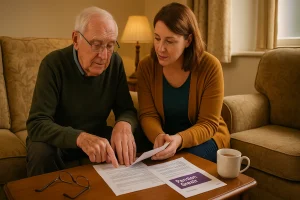
Yes, individuals who are currently receiving disability or pension-related benefits can still receive support even though cost of living payments have ended.
Ongoing Support for Disability
Those who are eligible for disability assistance can continue to access payments like:
- Personal Independence Payment (PIP)
- Disability Living Allowance (DLA)
- Attendance Allowance
Eligibility depends on the rules of the individual disability benefit and how a person’s condition affects them. Payment schedules also vary; for example, PIP is normally paid every four weeks rather than monthly.
Support for Pensioners
Older adults with limited income may qualify for:
- Pension Credit
- Winter Fuel Payments
- Cold Weather Payments during extreme winter conditions
For winter 2026 to 2027, eligible people born on or before 27 June 1960 may receive between £100 and £300 through the Winter Fuel Payment, depending on their circumstances.
Most eligible people are expected to receive the payment automatically in November or December 2026. Where a person’s total income exceeds £35,000, HMRC will recover their Winter Fuel Payment.
People living in Scotland do not receive the UK Winter Fuel Payment and may instead qualify for Scotland’s Pension Age Winter Heating Payment.
Eligible households may also receive the £150 Warm Home Discount for winter 2026 to 2027. The scheme is due to reopen in October 2026.
Where Should People Go for Updated Support and Advice?
Staying informed is critical to avoiding misinformation and ensuring you’re not missing out on financial assistance. The most reliable sources for updated and accurate guidance are:
Trusted Sources
- GOV.UK: Offers complete and official details on all benefit types, eligibility, and application processes
- Local council websites: Provide access to area-specific support such as the Household Support Fund
- Citizens Advice: A trusted organisation offering free, impartial help on financial issues and benefit claims
- Tandridge District Council: An example of a local council offering tailored financial aid resources
Avoid relying solely on social media or unofficial websites, as these often spread unverified or outdated information.
Conclusion: What the £225 DWP Payment Claim Means in 2026?
The position in 2026 is now clear: the DWP is not issuing a £225 Cost of Living Payment. GOV.UK states that there will be no Cost of Living Payment during 2026 and that no additional payments are currently planned.
The previous Cost of Living Payment programme ended after the final £299 means-tested payment in February 2024. However, this does not mean that financial assistance has disappeared. Regular benefits including Universal Credit, PIP, Pension Credit and Carer’s Allowance continue, with updated 2026 to 2027 rates.
In England, the Household Support Fund has also been replaced by the Crisis and Resilience Fund, which runs from April 2026 to March 2029 and can provide locally administered crisis and housing assistance. Different arrangements apply in Scotland, Wales and Northern Ireland.
Anyone who sees claims about a new £225 payment should therefore verify them through GOV.UK or another official government source before providing personal information or making financial decisions based on the supposed payment.
FAQs
What is the truth about the £225 DWP Cost of Living Payment?
There is no confirmed £225 DWP Cost of Living Payment in 2026. GOV.UK states that there will be no Cost of Living Payment this year and that no further payments are currently planned.
Will any Cost of Living Payments continue in 2026?
No. The previous Cost of Living Payment programme ended after the final £299 means-tested instalment was paid to most eligible recipients in February 2024.
Where can people apply for financial help now?
People can check GOV.UK for benefits such as Universal Credit, Pension Credit and disability benefits. In England, households experiencing financial hardship should also check their local authority’s Crisis and Resilience Fund arrangements.
Are pensioners getting extra money in 2026?
Eligible pensioners may receive Pension Credit and other support. For winter 2026 to 2027, eligible people may also receive between £100 and £300 through the Winter Fuel Payment, although payments are recovered by HMRC where an individual’s total income exceeds £35,000.
How can someone check whether they qualify for support?
GOV.UK provides official eligibility information, while independent benefits calculators can estimate which benefits someone may qualify for and how much they could receive.
What support is available to people receiving disability benefits?
Eligible people may continue receiving support including PIP, Disability Living Allowance or Attendance Allowance depending on their circumstances. PIP rates increased for the 2026 to 2027 financial year, with weekly component rates ranging from £30.30 to £114.60.
Can families with children get emergency financial help?
Yes. In England, eligible low-income families experiencing a financial shock may be able to receive assistance through their council’s Crisis and Resilience Fund. Crisis Payments can potentially help with food, energy, essential household items, clothing, housing and other necessary costs, although local eligibility rules apply.

Leave a Reply