
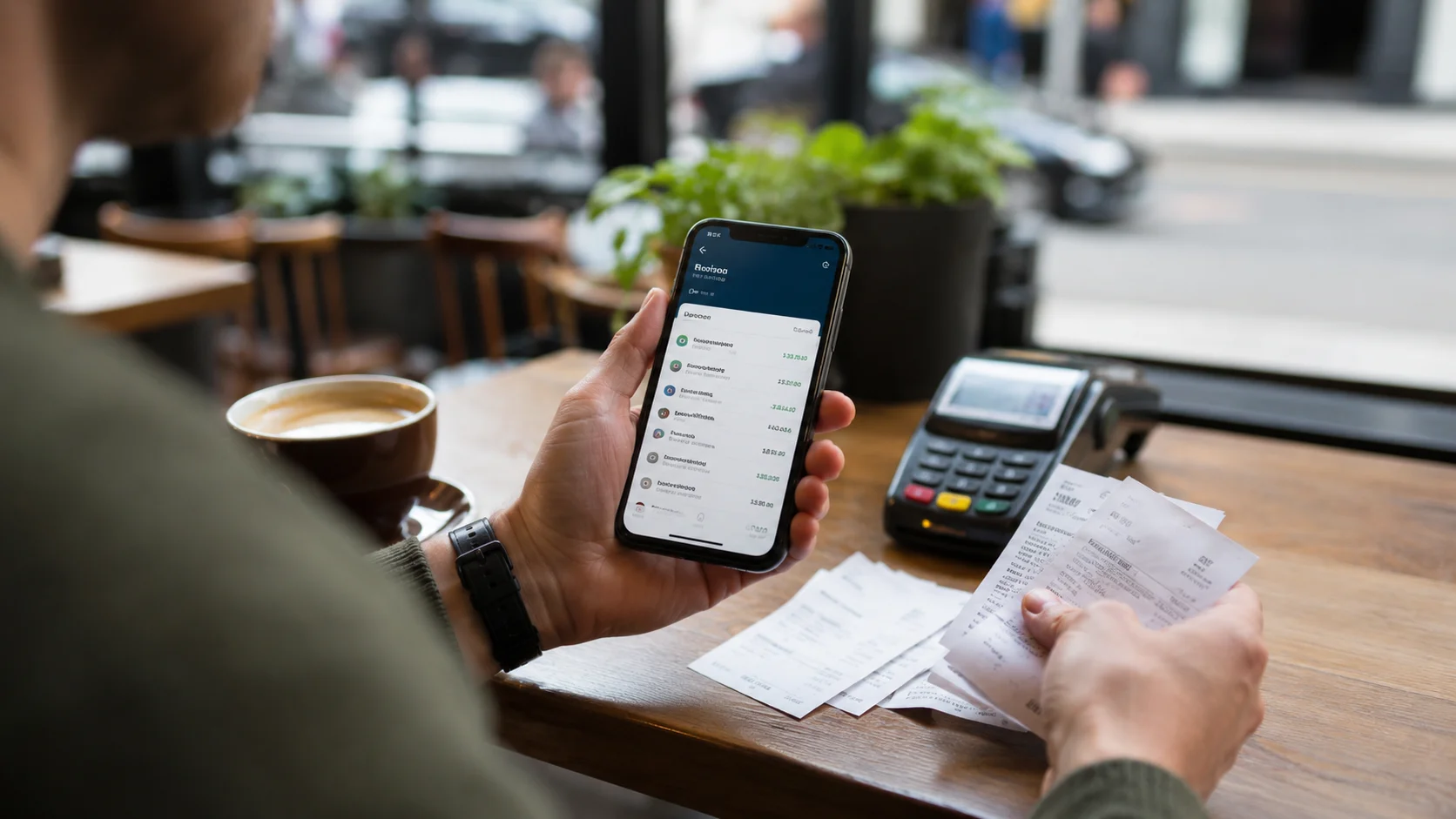
If “Zettle” appears on a bank statement, it usually means a payment was processed through PayPal Zettle, a card payment system commonly used by small businesses, cafés, market stalls, taxis, salons, and independent retailers across the UK.
Many customers become confused because the transaction may display as “Zettle *Business Name” instead of the actual shop name they remember visiting.
In most cases, the payment is legitimate, but reviewing unfamiliar charges carefully is still important to rule out fraud or unauthorised activity.
Key Takeaways:
- Zettle is a payment processing service owned by PayPal
- Small businesses commonly use Zettle card readers in the UK
- Transactions may appear differently on bank statements
- Most Zettle charges are legitimate customer purchases
- Customers can verify charges through banking apps and receipts
- Suspicious or unknown payments should be reported to the bank
- Merchants can access deposit reports through the Zettle Dashboard
What Does Zettle Mean on a Bank Statement?
Zettle is a payment processing platform used by businesses to accept debit card, credit card, and contactless payments.
Many people notice the name “Zettle” on their bank statement after making a purchase from a small business, independent retailer, café, market trader, taxi driver, or mobile service provider.
Since the payment is processed through the Zettle system rather than directly under the shop’s branding, the transaction may appear unfamiliar at first glance.
Originally known as iZettle, the company became part of PayPal in 2018 and now operates as PayPal Zettle. The platform is widely used across the UK because it gives businesses an easy way to accept card payments without needing expensive traditional card machine contracts.
When a customer pays through a Zettle device, the transaction is routed through the company’s payment infrastructure. The bank statement may display references such as:
Common Statement Reference Meaning
Zettle *Business Name Payment processed through a merchant using Zettle
Zettle *Town Name GB Payment linked to a business operating in that area
IZ * Merchant Older iZettle transaction reference
PayPal Zettle Transaction processed through PayPal’s Zettle system
Many people become concerned because the transaction description does not always match the shop name they remember visiting. This happens frequently with independent traders who operate under one trading name while their registered merchant account uses another.
Understanding PayPal Zettle
PayPal Zettle is designed for businesses that need a flexible payment solution.
Instead of relying on fixed card terminals connected to a counter, Zettle allows merchants to use portable card readers linked to smartphones, tablets, or dedicated point of sale systems.
The service supports:
- Chip and pin payments
- Contactless transactions
- Mobile wallet payments
- Invoice payments
- Digital receipts
Businesses often choose Zettle because setup is straightforward and there are fewer barriers compared to larger merchant service providers.
A small coffee shop owner, for example, can begin accepting card payments within a short period without entering into long-term contracts.
A retail payments consultant explained this clearly: “Many customers assume Zettle itself is the company charging them, when in reality it is simply the payment processor working on behalf of a business they purchased from.”
Why Small Businesses Use Zettle?
Small businesses across the UK use Zettle because it provides affordable and portable payment solutions.
Traditional card machines often involve monthly rental costs, setup fees, and fixed contracts, which can be difficult for newer businesses or seasonal traders.
Zettle works particularly well for businesses that operate in flexible locations or need mobile payment systems.
Business Type Why Zettle Is Popular
Market stalls Portable card acceptance
Food trucks Easy contactless payments
Mobile beauty services Convenient mobile setup
Independent cafés Fast customer checkout
Taxi drivers Portable payment options
Event traders Flexible short-term usage
The rise of contactless payments in the UK has also increased demand for systems like Zettle. Customers now expect businesses to accept card payments quickly and securely, even in temporary or mobile business environments.
How Zettle Transactions Are Processed?
When a customer taps or inserts their card into a Zettle reader, the payment details are encrypted and securely processed through PayPal’s infrastructure.
Once authorised by the customer’s bank, the transaction is approved and recorded within the merchant’s Zettle account.
The funds are then transferred to the merchant’s chosen bank account or PayPal Business account after processing and clearing.
Several factors influence how the payment appears on a statement, including:
- The merchant’s registered trading name
- The customer’s bank formatting
- The payment method used
- The merchant’s account settings
Because different banks display transaction information differently, one person may see a full merchant name while another only sees a shortened Zettle reference.
Why Does a Zettle Charge Appear on a Personal Bank Statement?
A Zettle charge appears because the customer recently made a purchase from a business using Zettle to process payments. Many people do not realise how widely the system is used throughout the UK until they notice the transaction reference on their statement.
The payment may have come from:
- A local café
- A market trader
- A taxi journey
- A beauty salon
- A food stall
- A small retail shop
- A mobile tradesperson
Since smaller businesses often use third-party payment processors instead of large banking terminals, the payment reference can sometimes create confusion.
Common Places Where Zettle Is Used
Zettle is especially common among businesses that value portability and ease of use. Unlike larger retail chains with integrated banking systems, independent businesses often prefer compact mobile card readers.
The following table shows where Zettle is frequently used:
Location Type Typical Use of Zettle
Coffee shops Contactless customer payments
Farmers markets Mobile card transactions
Festival vendors Temporary event payments
Hair salons Card and mobile wallet acceptance
Independent retailers Everyday customer purchases
Delivery businesses Mobile payment collection
Because these businesses may process hundreds of smaller transactions daily, customers can sometimes forget a purchase made several days earlier.
How Zettle Payment References Usually Appear?
The wording of the transaction depends on the merchant setup and the customer’s bank. Some banks provide detailed information while others display only limited references.
Customers may notice references such as:
Statement Appearance Possible Meaning
Zettle *CoffeeBar Payment made at a café
Zettle *London GB Merchant located in London
IZ * Market Shop Older iZettle transaction
PayPal Zettle Processed under PayPal integration
Modern banking apps sometimes include map locations, logos, or merchant categories alongside the transaction. These additional details often help customers identify purchases more quickly.
Checking Recent Purchases Before Raising Concern
Before reporting fraud, customers should review their recent activity carefully. Smaller purchases are easy to forget, especially when made through contactless payment methods.
Helpful checks include:
- Reviewing receipts
- Looking through mobile banking history
- Checking calendar activities
- Asking family members about shared card use
- Matching purchase amounts with recent outings
A financial adviser shared a common experience: “I often see people panic over a £10 or £15 Zettle charge, only to later realise it came from a weekend market or coffee shop visit they had forgotten about.”
How Can Someone Identify a Zettle Transaction?

Identifying a Zettle transaction usually involves comparing the payment details with recent spending activity.
Since the merchant name may not always be immediately recognisable, additional investigation can help clarify the source of the payment.
Customers should first check:
Detail to Review Why It Helps
Transaction date Matches recent shopping activity
Payment amount Helps identify exact purchases
Merchant location Confirms where the payment occurred
Card type used Verifies whether the card was used physically
Time of payment Matches customer movement or travel
Many mobile banking applications now provide expanded transaction information.
This can include the exact merchant category, geographic location, or even contact details connected to the payment processor.
Understanding Merchant Naming Differences
A major reason for confusion is that some businesses use registered company names that differ from their customer-facing branding.
For example:
- A café may trade publicly under one name but process payments through a parent company account
- A market stall may use the owner’s business registration name
- A mobile trader may process all payments through a central merchant account
This difference often causes customers to search online for the unfamiliar statement reference.
Reviewing Digital Banking Information
Several UK banks now offer enhanced payment tracking features.
These systems can provide:
- Merchant maps
- Spending categories
- Transaction logos
- Phone numbers
- Business addresses
Checking these details can often resolve confusion without needing to contact the bank directly.
Is Zettle Safe and Legitimate to Use?
Zettle is considered a secure and legitimate payment processing system.
Since it operates under PayPal ownership, the platform follows strict financial security and payment protection standards.
The company uses encrypted technology to protect payment information during transactions.
Customers making purchases through Zettle receive the same general banking protections available for standard debit and credit card payments.
PayPal Ownership and Security
PayPal acquired iZettle to expand its in-person payment services across Europe and other markets. The platform now forms part of PayPal’s wider payment ecosystem.
Security features include:
- Encrypted transaction processing
- Fraud detection monitoring
- Secure payment authentication
- Chip and pin verification
- Contactless payment protection
A payment systems specialist explained the situation clearly: “From a security perspective, Zettle operates under recognised payment industry standards. Most confusion comes from how transactions appear on statements rather than from the payment system itself.”
Card Payment Protection
Customers using cards through Zettle still benefit from banking protections, including fraud reporting and dispute rights.
If an unauthorised payment occurs, customers can usually:
Customer Protection Purpose
Chargeback requests Recover disputed payments
Fraud investigations Review suspicious activity
Card freezing Prevent further transactions
Banking support Obtain transaction clarification
The exact protection process depends on the card provider and bank involved.
When a Zettle Charge May Be Suspicious
Although most Zettle transactions are genuine, customers should remain alert to unusual activity.
Warning signs include:
- Duplicate payments
- Unusually high amounts
- Transactions from unknown cities
- Multiple rapid purchases
- Charges while the card remained physically secure
If any of these issues appear, contacting the bank quickly is recommended.
What Should Someone Do If They Do Not Recognise a Zettle Payment?

Customers who cannot identify a Zettle transaction should investigate carefully before assuming fraud. In many situations, the charge turns out to be a forgotten legitimate purchase.
The first step is reviewing recent spending activity in detail.
Steps to Verify the Transaction
Customers can improve identification accuracy by:
- Reviewing transaction dates
- Comparing payment amounts
- Searching online for merchant references
- Checking receipts and emails
- Reviewing contactless purchases
Some banks also allow users to tap directly into the transaction within their app to view additional merchant information.
Contacting the Merchant
If the transaction still seems unclear, contacting the business may help resolve the issue quickly.
Merchants can often confirm the transaction using:
- Purchase amount
- Date and time
- Last digits of the card
- Receipt information
Many small businesses are familiar with customer confusion regarding Zettle statement references.
Reporting Fraud to the Bank
If a customer genuinely believes the payment is unauthorised, they should contact their bank immediately.
Banks may recommend:
Fraud Prevention Action Purpose
Card freeze Stop further transactions
Dispute submission Begin payment investigation
Replacement card Prevent future misuse
Fraud monitoring Track suspicious activity
Most UK banks now provide instant fraud reporting tools through their mobile banking applications.
How Can Merchants Access Their Zettle Account Statements?
Merchants using Zettle can access detailed payment records and account reports through the Zettle Dashboard.
This system allows businesses to review incoming payments, monitor deposits, and reconcile accounts.
Logging into the Zettle Dashboard
Business users can access their reports by:
- Visiting the Zettle Dashboard website
- Signing into their account
- Navigating to the Deposits section
This area contains information about completed payments, settlement dates, and account balances.
Viewing Deposit Reports
The dashboard provides several reporting features that help businesses manage their finances effectively.
Available records may include:
- Daily payment summaries
- Deposit breakdowns
- Refund records
- Transaction exports
- Fee calculations
These reports are useful for bookkeeping, tax preparation, and financial reconciliation.
PayPal Business Account Integration
If the Zettle account is connected to PayPal Business, some reporting features may also appear through PayPal’s financial management systems.
This integration helps businesses manage:
- Online sales
- In-person transactions
- Customer invoices
- Payment settlements
For many UK businesses, combining Zettle with PayPal creates a simplified payment management system that supports both digital and physical sales channels.
How Does Zettle Work for Businesses in the UK?
Zettle works by allowing businesses to process customer card payments using mobile readers, tablets, or integrated point of sale systems.
The process is designed to be straightforward:
Step Action
1 Customer presents card or device
2 Merchant enters payment amount
3 Card reader processes transaction
4 Payment is authorised
5 Funds move to merchant account
The system supports a wide range of payment methods, including contactless cards, Apple Pay, Google Pay, and chip and pin transactions.
Businesses across the UK use Zettle because it provides flexibility without requiring traditional banking infrastructure.
This makes it particularly valuable for mobile traders, independent retailers, and temporary event vendors.
Conclusion – Why Is Zettle Showing on a Bank Statement?
Zettle appears on a bank statement because a payment was processed through PayPal Zettle, a popular card payment system used by many UK businesses.
In most situations, the charge is completely legitimate and linked to a recent purchase from a café, market stall, independent retailer, or mobile service provider.
Customers should review recent spending carefully before assuming fraud, as Zettle transaction references may not always display the exact business name clearly.
However, if a payment cannot be identified or appears suspicious, contacting the bank promptly is the safest step.
For merchants, Zettle account statements and deposit reports can be viewed through the Zettle Dashboard or PayPal Business reporting systems.
FAQs
Does Zettle always appear with the business name on a bank statement?
No, some transactions may only display partial merchant details, location information, or a shortened payment reference.
Is Zettle the same as PayPal?
Zettle is owned by PayPal, but it specifically focuses on point-of-sale and card payment solutions for businesses.
Can Zettle charges come from contactless payments?
Yes, many contactless payments at cafés, shops, and market stalls are processed through Zettle card readers.
How long do Zettle payments take to clear?
Most payments clear quickly, although transfer times can vary depending on the merchant’s bank and account settings.
Can someone block future Zettle transactions?
A person cannot block Zettle specifically, but they can freeze or replace their card if fraud is suspected.
Why does a Zettle payment show a different business name?
Some businesses trade under names that differ from their registered merchant account details.
Are Zettle transactions protected against fraud?
Yes, Zettle transactions use secure payment technology and customers still receive normal card provider protections.

Leave a Reply