
Last Update – 30-10-2026
Opening a coffee shop in the UK typically costs £20,000 to £100,000 for an independent business, although the final investment depends on location, premises, equipment, staffing and the type of coffee shop you intend to operate.
A small takeaway kiosk may open for approximately £20,000–£40,000, while a larger café in central London, a drive-thru or a premium hospitality concept can require £150,000–£350,000 or more.
However, opening costs represent only part of the financial commitment. Rent, wages, ingredients, utilities and working capital determine whether the business can survive its first few months.
According to World Coffee Portal’s Independents Report UK 2026, the independent coffee shop market reached approximately 13,211 outlets, generating £5.1 billion in annual sales.
These figures demonstrate continuing demand alongside growing competition and operating-cost pressures.
This comprehensive breakdown examines startup investment, ongoing costs, real franchise figures, profitability, break-even sales and practical ways to reduce financial risk.
Coffee shop startup costs at a glance
| Expense | Estimated UK Cost |
|---|---|
| Independent coffee shop | £20,000–£100,000 |
| Coffee kiosk | £20,000–£40,000 |
| Small takeaway café | £30,000–£60,000 |
| Seated coffee shop | £50,000–£100,000 |
| Drive-thru coffee shop | £100,000–£250,000+ |
| Premium or hybrid café | £150,000–£350,000+ |
| Equipment | £8,000–£25,000+ |
| Recommended working capital | 3–6 months of operating costs |
These are illustrative planning ranges, not guaranteed market prices. The higher-cost models are not representative of a typical independent high-street café.
What Is the Average Cost to Open a Coffee Shop in the UK?
For most first-time entrepreneurs, £20,000–£100,000 provides a realistic starting point for assessing independent coffee shop investment.
The British Business Bank’s Start Up Loans guidance and Esquires Coffee both reference this approximate range.
However, costs vary considerably because a coffee cart, small café and full-service hospitality venue have different property, equipment and staffing requirements.
Coffee Shop Costs by Business Format
| Coffee Shop Type | Estimated Investment | Main Cost Driver |
|---|---|---|
| Mobile coffee cart | £15,000–£40,000 | Vehicle or cart and equipment |
| Coffee kiosk | £20,000–£40,000 | Pitch fees and compact equipment |
| Takeaway coffee shop | £30,000–£60,000 | Premises and counter installation |
| Seated café | £50,000–£100,000 | Furniture, toilets and fit-out |
| Drive-thru | £100,000–£250,000+ | Vehicle access and site infrastructure |
| Hybrid café and drive-thru | £150,000–£350,000+ | Combined infrastructure |
| Premium London café | £100,000–£250,000+ | Property and refurbishment |
These estimates are best used to select a business model before obtaining quotations.
For example, a mobile coffee business avoids many traditional property expenses but still requires suitable equipment, vehicle insurance, trading permissions and a reliable operating location.
A drive-thru may reduce seating requirements but introduce substantial expenses for vehicle circulation, planning permission, traffic management and ordering infrastructure.
Hybrid operations potentially serve more customers but combine the financial obligations of both models.
How Do Different Coffee Shop Concepts Affect Costs?
Specialty coffee shops require greater investment in premium machines, grinders, water filtration and staff training.
Bookshop cafés need additional shelving, retail stock and floor space. Garden-centre cafés may benefit from established customer traffic but can require substantial seating and catering facilities.
Office-building kiosks can reduce marketing expenditure through captive footfall, although landlords may charge higher rents or turnover-based fees.
The most financially attractive format is not necessarily the cheapest to establish. It is the one with sufficient customer demand and manageable ongoing costs.
How Much Does Coffee Shop Rent Cost Across the UK?
Location is one of the most influential factors in coffee shop profitability.
A prime retail location offers visibility and potential customer traffic, but expensive rent can eliminate the financial benefit of additional sales.
The following figures provide illustrative property-budget assumptions rather than verified local rental averages.
| Location | Illustrative Annual Rent per Sq Ft | Monthly Rent for 800 Sq Ft |
|---|---|---|
| Small town | £12–£25 | £800–£1,667 |
| Regional city | £20–£50 | £1,333–£3,333 |
| London or premium location | £50–£150+ | £3,333–£10,000+ |
Commercial rents are commonly quoted annually per square foot. For comparison, 800 sq ft is approximately 74 square metres.
Rent calculation: Annual rent = Floor area × Annual rent per sq ft.
For example, an 800 sq ft café at £30 per square foot costs £24,000 annually, equivalent to £2,000 monthly before business rates, service charges and VAT where applicable.
Should You Buy an Existing Café or Fit Out a New Premises?
Purchasing an existing café business may provide access to installed equipment, suitable plumbing, customer seating and established trade.
However, buyers should investigate equipment ownership, lease liabilities, historical turnover, hygiene records and the seller’s reason for leaving.
Starting with an empty retail unit provides greater design flexibility but may involve expensive drainage, ventilation, electrical upgrades and planning work.
Before signing a commercial lease, review:
- Rent deposits, advance payments and rent review clauses.
- Repairing obligations, service charges and possible personal guarantees.
- Break clauses, permitted use and assignment rights.
- Opportunities for rent-free periods or landlord fit-out contributions.
A landlord offering three months rent-free can meaningfully reduce launch-period expenditure, although the full lease cost must still be affordable.
How Much Does Coffee Shop Equipment Cost?
Commercial coffee equipment represents a substantial initial investment.
Buying reliable machinery can improve consistency, reduce service interruptions and support faster preparation during busy periods.
| Equipment | Estimated New Purchase Cost |
|---|---|
| Commercial espresso machine | £4,000–£18,000 |
| Coffee grinders | £800–£2,000 |
| Water filtration | £300–£1,000 |
| Refrigeration | £1,500–£4,000 |
| Commercial dishwasher | £1,000–£3,000 |
| Ovens and blenders | £800–£2,500 |
| POS and payment systems | £500–£3,500 |
| Furniture and smallwares | £1,000–£8,000+ |
Equipment allowances are indicative; obtain supplier quotations and check installation costs and VAT.
Is Second-Hand Equipment Worth Buying?
Second-hand machines can reduce startup spending, particularly when purchased from reputable commercial equipment dealers.
For budgeting purposes, a refurbished espresso machine might cost approximately £1,500–£8,000, depending on model, condition and included servicing.
Nevertheless, examine the machine’s age, maintenance history, boiler condition, warranty and spare-parts availability.
A cheap machine that repeatedly breaks down during the morning rush could cost more in lost sales than the initial saving.
Should You Lease or Buy an Espresso Machine?
Equipment leasing reduces initial expenditure by spreading payments over an agreed contract.
However, total leasing payments may exceed the purchase price, and some contracts contain servicing requirements or early termination charges.
Asset finance can be useful when capital is needed for premises and working capital, provided repayments remain affordable during quiet trading periods.
What Legal and Licensing Costs Are Involved?
Coffee shops must comply with food safety, employment, planning and other relevant regulations.
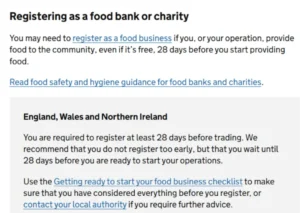
Food business registration is free and generally must be completed at least 28 days before trading in England, Wales and Northern Ireland.
Scottish businesses should follow the applicable Food Standards Scotland and local authority procedures.
The official food business guidance explains the main registration, hygiene and allergen requirements.
| Requirement | Cost or Consideration |
|---|---|
| Food business registration | Free |
| Food hygiene training | Course-dependent |
| Food safety management | Training, documentation and implementation |
| Public liability insurance | Premium depends on risk and cover |
| Employers’ liability insurance | Generally mandatory when employing staff, subject to exemptions |
| Pavement licence in England | Up to £500 for a first application |
| Music licence | PPL PRS tariff depends on usage |
| Planning and signage consent | Local authority dependent |
| Legal and accountancy setup | Allow approximately £500–£2,000+ |
Food businesses must implement appropriate food safety management procedures based on HACCP principles.
Staff must receive suitable food hygiene instruction or training, but holding a particular food hygiene certificate is not automatically a legal requirement.
Allergen information is mandatory. Natasha’s Law requires qualifying food prepacked for direct sale to display the food name, full ingredients list and emphasised allergens.
Food hygiene inspections and published ratings are particularly relevant to customer confidence.
A coffee shop playing copyright-protected recorded music may also need TheMusicLicence from PPL PRS.
How Much Do Coffee Shop Staff and Barista Training Cost?
Staffing is often one of the largest recurring expenses.
From 1 April 2026, the UK National Living Wage is £12.71 per hour for workers aged 21 and over.
A full-time employee working 37.5 hours weekly therefore earns approximately £24,785 annually before employer costs.
Employers must also consider National Insurance, workplace pensions, holiday entitlement and other statutory obligations.
The standard employer National Insurance rate for 2026/27 is 15% above the applicable secondary threshold, although reliefs and exceptions may apply.
For a modest café, monthly staff expenditure might range from £5,000 to £12,000 or more, depending on opening hours and staffing levels.
Recruitment, uniforms, barista training and pre-opening payroll could add another £1,000–£7,000 to initial spending. Larger teams may require considerably more.
Pre-opening training should cover espresso preparation, milk handling, allergens, cleaning procedures, customer service and POS operation.
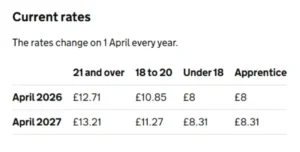
Screenshot placement: Insert the April 2026 wage table from the GOV.UK National Minimum Wage and National Living Wage rates page below this section.
How Much Does It Cost to Run a Coffee Shop Per Month?
Startup expenditure is only the beginning. A financially sustainable coffee shop must generate sufficient revenue to cover daily operating costs.
Useful planning benchmarks include:
| Expense Category | Planning Benchmark |
|---|---|
| Wages and associated labour costs | Approximately 30–35% of net sales |
| Ingredients and other cost of goods | Approximately 28–35% of net sales |
| Rent and utilities combined | Aim for around 15% of net sales or less |
| Marketing | Often budgeted at 3–6% of sales |
| Net profit margin | 5–15% as an illustrative target, not a guarantee |
These percentages are management guidelines, not fixed industry averages, and should be measured consistently against sales excluding VAT.
Example Monthly Coffee Shop Running Costs
Consider a regional café generating £23,000 in monthly sales excluding VAT.
| Monthly Expense | Example Cost |
|---|---|
| Ingredients and supplies | £7,100 |
| Staff and employment costs | £7,800 |
| Rent | £2,300 |
| Electricity, water and gas | £700 |
| Business rates | £400 |
| Card processing | £300 |
| Marketing | £700 |
| Insurance | £150 |
| Commercial waste | £200 |
| Software and maintenance | £450 |
| Accountancy and payroll | £250 |
| Miscellaneous | £250 |
| Total expenses | £20,600 |
| Illustrative operating surplus | £2,400 |
This represents an operating margin of approximately 10.4% before financing costs, depreciation and tax. The example assumes the owner’s paid working time is already included in labour costs.
Actual results may be significantly lower, particularly during the first few months.
David Abrahamovitch, founder of Grind, illustrated the pressure on coffee shop economics in May 2026.
He reported that a £4.10 flat white generated only approximately 18p profit after allocating staffing, ingredients, operating expenses, VAT and discounts.
His comment that the drink must be “best in class” highlights the importance of delivering sufficient value while carefully controlling costs.
What Hidden Monthly Costs Should Owners Consider?
Hidden expenditure can gradually reduce operating margins.
Card providers may charge percentage-based transaction fees and additional fixed charges. Insurance requirements can extend to public liability, employers’ liability, stock, equipment and business interruption.
Business rates should be assessed separately from rent. In England, eligible single-property businesses with a rateable value of £12,000 or below can receive 100% small business rate relief, with tapered relief up to £15,000.
The business-rates system also introduced new retail, hospitality and leisure multipliers from April 2026.
Commercial waste contracts require attention.
Under England’s Simpler Recycling rules, most workplaces have been required to separate specified waste streams since March 2025, while micro-firms with fewer than 10 full-time equivalent employees have until 31 March 2027.
Other recurring expenses include pest control, equipment servicing, cleaning products and takeaway packaging.
What Are Three Realistic Coffee Shop Startup Budgets?
The following examples demonstrate how total investment can change between formats.
These are constructed financial scenarios rather than budgets collected from existing coffee shop operators.
| Startup Expense | £30K Kiosk | £75K Small Café | £150K London Café |
|---|---|---|---|
| Property deposit and advance rent | £3,000 | £9,000 | £12,000 |
| Fit-out and signage | £6,000 | £19,000 | £35,000 |
| Coffee equipment | £8,000 | £13,500 | £22,000 |
| Furniture, POS and accessories | £1,000 | £3,500 | £6,000 |
| Opening inventory | £1,500 | £2,500 | £4,000 |
| Recruitment and training | £500 | £2,500 | £4,000 |
| Legal, insurance and setup | £1,000 | £2,000 | £3,000 |
| Opening marketing | £1,000 | £2,000 | £3,000 |
| Contingency | £2,000 | £6,000 | £11,000 |
| Working capital reserve | £6,000 | £15,000 | £50,000 |
| Total investment | £30,000 | £75,000 | £150,000 |
The £30,000 kiosk assumes limited staffing, modest pitch costs and an owner-operated model.
The £75,000 café assumes an existing commercial unit requiring moderate refurbishment.
The £150,000 London example assumes a smaller premises that can reuse significant existing food-service infrastructure. A completely empty premium site could cost substantially more.
Importantly, contingency and working capital serve different purposes. Contingency covers unexpected setup expenditure, while working capital pays operating bills during the initial trading period.
How Much Profit Can a Coffee Shop Make?
Coffee shop profitability depends on transaction volume, average customer spend, gross margin and fixed overheads.
A 5–15% net profit margin can be a useful scenario-testing range for an established business, but actual profits may be lower or negative.
For illustration, a café producing £300,000 annual net sales would generate:
| Net Profit Margin | Annual Profit |
|---|---|
| 5% | £15,000 |
| 10% | £30,000 |
| 15% | £45,000 |
These figures assume all relevant operating expenses are accounted for and do not represent guaranteed returns.
How Many Coffees Must You Sell to Break Even?
Break-even analysis helps determine whether projected sales can support the proposed premises.
Suppose a VAT-registered café sells a standard-rated coffee for £3.50 including VAT.
After removing 20% VAT, sales revenue is approximately £2.92. If variable ingredient and packaging costs are £0.85, each drink contributes approximately £2.07 towards fixed expenses.
With £9,000 monthly fixed costs:
£9,000 ÷ £2.07 ÷ 26 trading days = approximately 168 coffees daily.
At a £4.20 selling price and £1.05 variable cost, the requirement falls to approximately 142 coffees daily.
This calculation assumes all relevant fixed costs are included and excludes additional food sales. VAT treatment must reflect the actual products sold and the business’s registration position.
World Coffee Portal’s Project Café UK 2025 research reported average spending of £6.23 per visit across its surveyed branded coffee shop market.
This historical figure illustrates the importance of food and additional purchases, but should not automatically be assumed for a new independent café.
How Much Working Capital Should You Keep?
A working capital reserve covering approximately three to six months of expected operating expenditure provides protection against weak initial trading.
For instance, consider a café with £13,500 in monthly fixed costs and variable costs equal to 31% of sales.
| Month | Net Sales | Estimated Operating Result |
|---|---|---|
| Month 1 | £12,000 | −£5,220 |
| Month 2 | £16,000 | −£2,460 |
| Month 3 | £20,000 | +£300 |
| Total | £48,000 | −£7,380 |
This simplified model demonstrates how a business can incur substantial early losses despite improving sales.
Seasonality, delayed opening dates and weak weekday footfall may increase the required cash reserve.
Borrowing repayments, tax payments and large equipment replacements should also be included in the cash-flow forecast.
How Long Does It Take to Open a Coffee Shop?
Many small operators should allow approximately three to six months for planning and opening, although planning consent and substantial construction may extend the timetable.
| Period | Main Activity | Cash Expenditure |
|---|---|---|
| Month 1 | Research and feasibility | Surveys, professional advice |
| Month 2 | Lease and funding | Deposits, legal fees |
| Month 3 | Fit-out and procurement | Contractors, equipment |
| Month 4 | Recruitment and approvals | Payroll, stock, insurance |
| Month 5 | Launch and early trading | Marketing, operating expenses |
| Month 6 | Stabilisation | Ongoing costs and cash reserve |
A monthly cash-flow forecast should record when payments become due rather than merely when expenses are recognised.
For financial planning, suitable business accounting software for small businesses can help monitor transactions, inventory, VAT and cash movement.
Is Opening a Coffee Shop Franchise More Expensive?
A franchise provides access to an established operating system, branding, training and potentially supplier arrangements.
However, franchise fees and ongoing contractual payments can increase costs.
Actual franchise investment requirements differ substantially between mobile businesses and traditional seated cafés.
| Franchise | Published Investment Information |
|---|---|
| Cafe2U | £20,950 plus VAT joining investment, excluding the vehicle |
| Esquires Coffee | Approximately £270,000–£300,000 total investment for one store |
| Muffin Break | Approximately £300,000 development budget excluding VAT |
Muffin Break also publishes a 6% franchise fee and a 2.5% advertising fee calculated on net sales.
Prospective franchisees should request the latest disclosure documents, confirm whether working capital is included and review royalty obligations.
| Factor | Independent Café | Franchise |
|---|---|---|
| Brand ownership | Owner-controlled | Franchisor-controlled |
| Franchise fee | None | Contract-specific |
| Menu flexibility | High | Often restricted |
| Supplier selection | Flexible | May be restricted |
| Training | Independently arranged | Usually supported |
| Royalties | None | May apply |
| Startup investment | Often £20K–£100K | Highly brand-dependent |
Neither model automatically guarantees greater profitability.
How Can You Fund a Coffee Shop in the UK?
Funding options include personal savings, business loans, asset finance, crowdfunding, private investors and relevant local business grants.
The government-backed Start Up Loans programme offers eligible applicants unsecured personal loans for business purposes.
As of October 2026, the principal terms include:
- Individual borrowing of £500–£25,000.
- Fixed annual interest of 7.5%.
- Repayment periods of one to five years.
- Up to £100,000 potentially available per business through eligible individual applicants.
- Business support and mentoring.
The 7.5% rate applies to successful new applications under the rules introduced in April 2026. Borrowers remain personally responsible for repayment.
Asset finance may help fund espresso equipment, while landlords may negotiate rent-free periods or fit-out contributions.
Grants can occasionally support eligible local regeneration, sustainability or training projects, but should not be assumed available for general startup costs.
A strong funding application should include realistic revenue projections, supplier quotations and downside scenarios.
Entrepreneurs may also benefit from examining how to turn a business idea into a profitable venture before committing significant capital.
How Much Should You Spend on Coffee Shop Marketing?
Pre-opening marketing could cost approximately £1,000–£5,000, depending on the scale of the launch.
Typical expenditure includes branding, signage, photography, website development, promotional materials and opening offers.
Local search visibility is particularly important because customers frequently discover cafés through maps, reviews and location-based searches.
Owners seeking an affordable website can compare website builders for small businesses rather than immediately commissioning an expensive custom platform.
For larger advertising campaigns, choosing a suitable digital marketing agency for small businesses may provide access to specialist support.
Nevertheless, repeat visits, consistent coffee quality and effective local relationships often deliver better long-term value than continuous launch-style promotions.
What Budgeting Mistakes Cause Coffee Shops to Struggle?
Poor financial planning, excessive fixed expenses and overestimated sales can leave otherwise promising businesses short of cash.
The Office for National Statistics recorded 76,840 UK business closures across all industries in the second quarter of 2026, approximately 2% above the equivalent period in 2025.
This is not a coffee-shop-specific failure rate, and it cannot establish the probability of a new café closing.
Common financial mistakes include:
- Signing expensive leases before validating footfall.
- Investing heavily in decoration before essential equipment and workflow.
- Underestimating payroll, VAT and business rates.
- Operating without sufficient working capital.
- Assuming every customer will purchase food alongside coffee.
- Purchasing unreliable second-hand equipment.
- Failing to monitor product-level margins and waste.
Jeffrey Young, founder and CEO of Allegra Group, has highlighted consumers’ continuing interest in supporting independent coffee businesses despite difficult trading conditions.
That demand offers opportunities, but it does not remove the need for disciplined pricing, appropriate premises and sustainable cash flow.
How Can You Calculate Your Own Coffee Shop Startup Budget?
A personalised cost calculator should account for business format, location, floor area, seating capacity, equipment choices and opening reserves.
A simple spreadsheet can use the following inputs.
| Calculator Input | Example |
|---|---|
| Floor space | 800 sq ft |
| Annual rent per sq ft | £30 |
| Monthly rent | £2,000 |
| Equipment budget | £15,000 |
| Fit-out budget | £20,000 |
| Opening stock | £2,500 |
| Staffing and setup | £5,000 |
| Contingency | 10–15% of setup expenditure |
| Working capital | 3–6 months of projected cash costs |
Total capital required = Property setup + Fit-out + Equipment + Opening expenses + Contingency + Working capital.
For a downloadable Google Sheets budget template, the same categories should be arranged into planned cost, quoted cost, actual cost and variance columns.
Include separate tabs for monthly operating expenses, sales forecasts and break-even analysis.
A website calculator can allow readers to adjust premises type, location, seating, equipment condition and expected sales, then automatically recalculate the total investment.
Frequently Asked Questions
Can You Open a Coffee Shop With £20,000?
Yes, a lean coffee kiosk, mobile cart or small takeaway operation may be feasible for approximately £20,000, particularly with an owner-operated model and limited refurbishment.
How Much Does a Small Coffee Shop Cost?
A small independent takeaway café generally requires approximately £30,000–£60,000, although premises and equipment requirements can increase the investment.
How Much Does It Cost to Open a Coffee Shop in London?
A small London café may require £100,000–£250,000 or more. Prime premises, extensive refurbishment and high staffing costs can push investment substantially higher.
Is a Coffee Shop Profitable in the UK?
Coffee shops can be profitable, but results depend on sales volume, labour productivity, rent and pricing. A 5–15% net margin is a useful scenario range rather than a guaranteed industry outcome.
How Many Coffees Should a Coffee Shop Sell Daily?
There is no universal minimum. A café with £9,000 monthly fixed costs might require around 168 daily standard-rated £3.50 coffees under the assumptions used earlier.
Do You Need a Food Hygiene Certificate?
Food handlers need appropriate hygiene training or instruction, but an individual food hygiene certificate is not universally mandatory.
What Is the Cheapest Coffee Shop Format?
A compact mobile cart or kiosk is generally among the lowest-cost options, although vehicle expenses, site fees and equipment can still be significant.
How Long Does It Take to Break Even?
Some cafés achieve operating break-even within their first year, while others need longer or never reach profitability. Break-even timing depends on actual sales and costs, not a standard 12–24-month guarantee.
Should You Buy or Lease Coffee Shop Equipment?
Buying can reduce long-term financing costs, while leasing preserves startup cash. Compare full contract costs, servicing, warranties and repayment obligations.
Can You Start a Coffee Shop Without Experience?
Yes, although practical hospitality experience, barista training, financial planning and knowledge of food safety requirements can substantially improve operational readiness.

Leave a Reply