
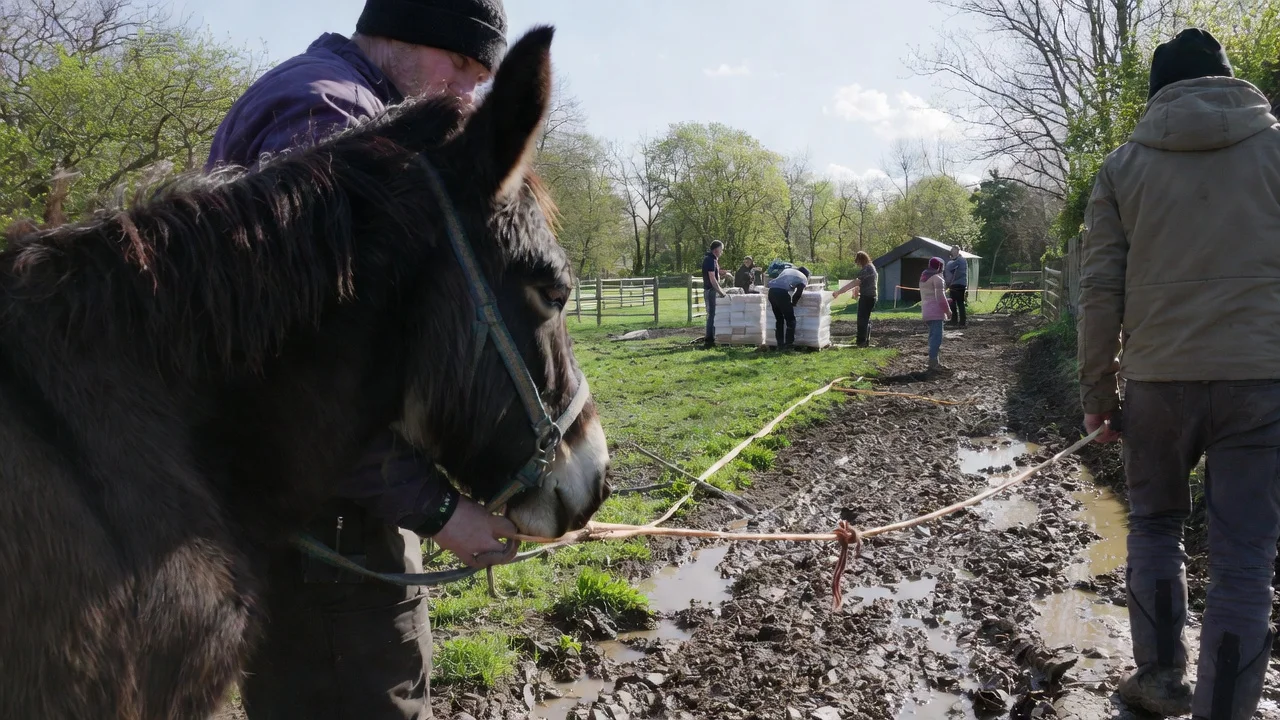
Severn Valley Rescue, a donkey sanctuary in Shropshire, has been forced to temporarily close after suffering £50,000 worth of damage from relentless winter storms.
This closure comes as the result of one of the wettest winters in UK history, with flooding, collapsing fences, and unsafe conditions making public visits impossible.
Key Points Covered in This Blog:
- Causes behind the sanctuary’s sudden closure
- Impact of repeated storms and record rainfall
- Detailed overview of structural and land damage
- Financial burden and repair cost breakdown
- Expert insight into rural sanctuary challenges
- First-hand emotional experience from the founder
- Sanctuary’s recovery plans and public appeal
- Broader implications of climate change on animal welfare
Why Has the Donkey Sanctuary Closed So Suddenly?
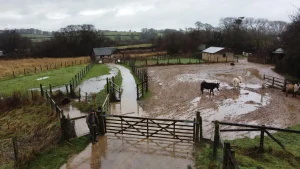
The Severn Valley Rescue, a rural animal sanctuary nestled in the heart of Shropshire, has reached a critical point after enduring months of relentless rainfall.
Known for its care of rescued and disabled animals, including donkeys, alpacas, pigs, and ponies, the sanctuary has now been forced to close its doors to the public due to the severe damage inflicted by back-to-back storms during one of the wettest winters on record in the UK.
This decision was not taken lightly. The safety of both the animals andthe visiting public had to take precedence, especially with ground conditions deteriorating beyond safe limits.
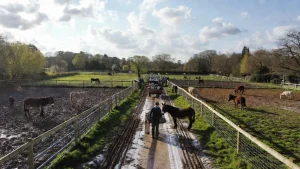
Waterlogged fields and eroded pathways now dominate areas that were once used for open days, educational visits, and volunteer activities.
This closure has disrupted vital fundraising periods, particularly during the February half-term, a peak time for community visits and donations.
Heavy rainfall has been so persistent that even the sanctuary’s high-ground paddocks have turned boggy and unstable. Water runoff from surrounding fields flows directly onto the property, overwhelming its basic drainage systems.
The resulting damage has grown to an estimated £50,000, pushing the sanctuary beyond its operational limits.
In speaking with other rural animal rescue centres across the Midlands, a pattern has emerged one of increasing vulnerability during extreme weather.
These sanctuaries, unlike urban facilities, are typically self-funded, rely heavily on volunteers, and have minimal structural protections against the type of prolonged weather events the UK is now experiencing annually.
What Led to the Donkey Sanctuary’s Sudden Closure?
The Wettest Winter on Record
Meteorological records for this winter indicate an unusually high concentration of rainfall across England and Wales, with the Midlands being particularly affected.
What started as a wet December spiralled into a near-constant cycle of storms, freezing temperatures, and rapid thaws. Storm Goretti brought with it a wave of heavy snow, which soon melted, compounding the already saturated terrain. Less than two weeks later, Storm Chandra arrived with additional rainfall, swelling rivers and breaching previously stable boundaries.
These events created not just isolated damage, but a cumulative breakdown of the sanctuary’s infrastructure.
Staff at Severn Valley Rescue have described watching their paddocks transform into lakes and their wooden field shelters begin to rot from continuous moisture.
Named Storms and Their Cumulative Impact
The impact of named storms has been particularly harsh. Unlike a single extreme weather day, this winter featured repeated major events without a break for recovery or repair. Each storm compounded the damage left by its predecessor.
Some of the most problematic consequences included:
- Soil erosion leading to unstable fence foundations.
- Persistent standing water in animal enclosures and feeding areas.
- Inaccessible service roads are preventing the delivery of feed and veterinary supplies.
- Storm-damaged shelter roofs are leaking water into sleeping areas for animals.
As a result, areas that are usually used to rotate grazing animals are no longer usable. This restricts movement for the animals and creates overcrowding in the limited dry spaces remaining.
Immediate Safety Concerns for Animals and Visitors
After the latest storm in late January, the team began to realise that the damage was becoming a serious safety concern. Soft, wet ground made it dangerous to operate wheelbarrows, quad bikes, or even walk certain areas without sinking.
Some fences began leaning, gates wouldn’t close properly, and key access paths turned into mud trenches.
Amanda Ball, the sanctuary’s founder, made the announcement after conducting a site assessment
“We are still trying to recover from possibly the wettest winter we have ever faced,” she said. “This has not been an easy decision to make, but after assessing the ground conditions and the lay of the land, we have come to the devastating decision that we just cannot open to the public for health and safety reasons.”
How Extensive Is the Storm Damage at the Sanctuary?
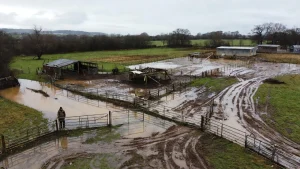
Damage at Severn Valley Rescue isn’t limited to surface flooding or cosmetic wear, it’s structural, environmental, and financial. Several key areas of the sanctuary are now non-functional, which directly impacts their ability to care for animals and host visitors.
Widespread Field and Shelter Damage
The flooding has particularly affected the lower paddocks, where the ground is now waterlogged to the point that any pressure causes further damage. Volunteers report their boots sinking inches into the mud and equipment getting stuck during basic tasks.
Areas Most Affected by Flooding and Storm Damage
| Affected Zone | Type of Damage | Operational Status |
|---|---|---|
| Lower Paddocks | Waterlogging, fencing collapse | Unusable |
| Visitor Pathways | Erosion, unsafe footing | Closed |
| Animal Shelters | Roof leaks, damp bedding | Partially in use |
| Entrance Drive | Surface damage, flooding | Limited access |
| Feed Storage Area | Moisture ingress | At risk |
Repairing this level of damage isn’t just a matter of buying a few fence posts. The terrain has to be drained, reinforced, and regraded to prevent future water pooling.
Rebuilding Infrastructure Under Financial Strain
Estimated costs are based not only on repairs but also on preventative installations such as improved drainage systems, elevated feed storage, and reinforced fencing. Each component comes with a price tag that the sanctuary must now try to meet through fundraising and community support.
Cost Breakdown by Infrastructure Category
| Infrastructure | Estimated Repair Cost |
|---|---|
| Fencing and Gates | £15,000 |
| Drainage and Land Levelling | £12,000 |
| Shelter Roof Repairs | £6,000 |
| Pathway Reconstruction | £8,000 |
| Equipment and Materials | £9,000 |
| Total | £50,000 |
The financial burden of this damage is immense for a small charity. While they have launched an online appeal, early donations only cover a fraction of the amount required.
Why Is This Winter Particularly Challenging for Rural Charities?
Animal sanctuaries located in rural areas like Severn Valley Rescue already operate on thin margins. Unlike urban shelters, which might have access to more stable funding, commercial footfall, and local government partnerships, rural charities are often left to fend for themselves.
Escalating Costs and Decreasing Resilience
Year-on-year, costs associated with basic operations have increased. Veterinary bills, feed, bedding, utilities, and insurance have all risen significantly. Add to this the sudden cost of emergency repairs, and it’s easy to see how a wet winter can push a sanctuary to the brink of closure.
This winter’s challenges included:
- Limited accessibility for deliveries due to muddy conditions.
- Inflated costs for emergency materials like sandbags and roofing tarpaulin.
- Reduced donations due to fewer visitors and economic strain on households.
Professional Insight on Rural Climate Vulnerability
I recently spoke with Dr Hannah Worsley, a veterinary infrastructure specialist with experience working alongside rural sanctuaries. She offered this stark insight:
“It’s no longer just about being wet. It’s about being wet for months without drying out. Buildings shift, enclosures rot, and even hardy animals like donkeys start to show signs of stress. If we keep ignoring how climate volatility affects these charities, we’ll lose dozens of them in the next decade.”
Her words have stayed with me. They echo the same feeling I got walking around the sanctuary earlier this year, hope slowly being eaten away by exhaustion and erosion.
How Is the Sanctuary Planning to Recover from the Damage?
Despite the circumstances, there’s cautious optimism at Severn Valley Rescue. The team has launched a public appeal with a view to raising the £50,000 needed for repairs and essential upgrades.
They’re hopeful that community support and local fundraising initiatives will carry them through to a planned Easter reopening.
Repair Priorities and Timeline
Repairs will take place in a structured phase, beginning with ground preparation, followed by critical infrastructure like fencing and paths. Shelter repair comes next, with animal comfort being a top priority.
Sanctuary Repair and Recovery Timeline
| Repair Phase | Estimated Timeframe |
|---|---|
| Drainage and Levelling | Late February |
| Fencing and Gates | Early March |
| Shelter Roof Repairs | Mid-March |
| Path Reconstruction | Late March |
| Easter Reopening Target | Early April (tentative) |
Volunteer and Community Involvement
Locals have already begun to step up. From individuals offering tools and building supplies, to tradespeople volunteering time, it’s been a heartening show of solidarity.
The sanctuary has opened a call for:
- Volunteer work parties (weekends, weather permitting)
- Donations of gravel, timber, fencing materials
- Financial contributions via their online donation platform
How Can the Public Help the Donkey Sanctuary Reopen?
For members of the public wondering how to assist, there are several tangible ways to make a difference. Financial donations, whether one-off or recurring, remain the most direct form of support. However, physical help and donated materials are equally appreciated.
Ways to Support the Sanctuary
| Support Method | Impact |
|---|---|
| One-off Donation | Helps buy materials |
| Monthly Contributions | Supports ongoing care |
| Volunteering | Reduces labour costs |
| Material Donations | Speeds up repairs |
| Sharing Fundraiser | Increases visibility |
There’s also the longer-term consideration of advocacy. By raising awareness of the climate risks facing rural animal sanctuaries, supporters can help push for broader change both in how these charities are funded and how they prepare for extreme weather.
What Does This Incident Reveal About Climate Change’s Impact on Animal Welfare?
As someone who has worked closely with animal rescue centres, I’ve seen firsthand how environmental change has outpaced the infrastructure available to most sanctuaries. This is not a one-off storm crisis. It’s a reflection of the long-term trend of worsening winter conditions.
“Rain on top of more rain and even more rain,”
as Amanda Ball described it, perfectly sums up the compounding impact of modern winters. Each event may seem manageable on its own, but combined, they expose just how fragile the system has become.
If we want sanctuaries like Severn Valley Rescue to survive the next decade, there needs to be a national conversation about emergency planning, funding mechanisms, and rural resilience. The well-being of thousands of animals depends on it.
What’s Next for Severn Valley Rescue and Its Animals?
Recovery won’t be fast or easy. But the spirit of the sanctuary built on compassion and grit is alive. There’s hope for a spring reopening. There’s a clear plan for fundraising. And there’s a community rallying behind them.
As I reflect on the week’s developments, I’m reminded of something Amanda Ball, the founder, said:
“I spent the day in tears. I am unsure whether we can even recover from this.”
Her words speak to the emotional weight behind every shuttered gate and every animal awaiting stability.
But in her next breath, she offered hope:
“If we can pull together, we might just work a miracle.”
Conclusion
The wet winter damage at Severn Valley Rescue has revealed just how fragile rural sanctuaries can be in the face of extreme weather. With £50,000 in repairs and ongoing uncertainty, the sanctuary’s future depends on public support and urgent action.
While the team remains hopeful for an Easter reopening, recovery is far from guaranteed. What’s clear is that without greater awareness and collective help, more sanctuaries across the UK may face similar closures in the years ahead.
FAQs About Wet Winter Damage and Animal Sanctuaries
What causes most damage to animal sanctuaries during wet winters?
Prolonged rainfall leads to flooding, ground erosion, and structural failures. It also damages fencing, stalls, and access paths, creating unsafe environments for both animals and humans.
How do animals cope when sanctuaries shut due to weather?
Animals are kept indoors or moved to safer enclosures. While care continues, limited space and enrichment can stress animals, especially those with disabilities or special needs.
Are sanctuaries insured for storm-related damage?
Some have basic insurance, but many can’t afford comprehensive coverage. Most rely on emergency fundraising and community support to cover unexpected damage.
How can I support a sanctuary during winter?
Donations, volunteering, and sharing their appeal pages help immensely. Even small contributions can make a difference in repair and feeding costs.
Do sanctuaries prepare for winter differently now?
Yes, many are shifting towards more weather-resilient designs, but financial limitations restrict their ability to make large infrastructure changes quickly.
Can I visit Severn Valley Rescue later this year?
The sanctuary aims to reopen around Easter, depending on repair progress. Check their official website or social channels for updates.
Where can I find updates on Severn Valley Rescue’s recovery?
Updates are typically posted on their social media, website, and fundraising pages. Local news may also cover significant milestones.

Leave a Reply