

You start to lose your Personal Allowance in the UK when your adjusted net income exceeds £100,000 per year. For every £2 you earn over that threshold, £1 of your allowance is reduced. Once your income reaches £125,140, you lose the entire £12,570 tax-free allowance.
Here’s what you need to know:
- The Personal Allowance is £12,570 for the 2025/26 tax year
- 60% effective tax rate applies between £100,000 and £125,140
- Other reductions may apply due to Marriage Allowance or tax code changes
- Additional tax-free allowances exist for savings, dividends, property, and trading income
- Future increases to the allowance are uncertain due to ongoing policy freezes
- Tax planning (e.g. pensions, Gift Aid) can help retain your allowance
What Is the Personal Allowance and How Does It Work in 2025/26?

The Personal Allowance is the amount of income an individual can earn in a tax year before they are required to pay Income Tax. For the 2025/26 tax year, the standard Personal Allowance in the UK is £12,570.
This allowance applies to most taxpayers in England, Wales, and Northern Ireland, while Scotland has its own set of income tax bands and rates.
Understanding the role of the Personal Allowance is important because it directly affects how much tax you pay on your income.
Once your earnings exceed the allowance, you begin to pay tax on the income above that level, according to the applicable income tax bands.
What is the Standard Tax-free Income Threshold?
For most taxpayers, the first £12,570 of their income is completely tax-free. This is automatically applied when your employer or pension provider uses your tax code to deduct the correct amount of tax.
If you’re self-employed or have multiple income sources, you’ll need to manage this manually through a Self Assessment tax return or via HMRC’s online system.
The Personal Allowance is designed to provide basic tax relief and ensure low-income earners are not taxed on a minimal level of income.
However, the value of this allowance has remained frozen for several years, which has had a broader impact on individuals whose earnings have increased due to inflation or pay raises.
How Does the Personal Allowance Affect Your Tax Liability?
Let’s say you earn £45,000 a year through employment. Your Personal Allowance of £12,570 will be deducted from your total income, and you’ll pay tax on the remaining £32,430.
This places you within the basic rate tax band, where the tax rate is 20%. Therefore, you’ll pay £6,486 in tax (20% of £32,430), assuming there are no other deductions or reliefs.
For individuals with higher incomes, the Personal Allowance still initially applies, but it begins to reduce once certain thresholds are crossed, which we’ll explore further in the next sections.
Personal Allowance 2025/26 and Changes to Expect
As it stands, the Personal Allowance for the 2025/26 tax year remains fixed at £12,570. The government has not indicated any increase, and the allowance has been frozen since 2021.
This means more individuals are paying more tax over time, even if their real earnings haven’t changed significantly in terms of purchasing power. In effect, people are being pulled into higher tax brackets through fiscal drag.
There are growing discussions about whether future governments, including a potential Labour administration, might lift the freeze or increase the allowance in response to economic pressures.
However, until any changes are officially announced, the allowance remains unchanged, and tax planning should be done accordingly.
When Does the Tapering of Your Personal Allowance Begin?
One of the most significant turning points in the UK tax system occurs when your adjusted net income surpasses £100,000. At this stage, the tapering of your Personal Allowance begins.
What is “Adjusted Net Income” and How is It Calculated?
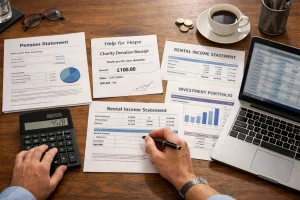
Adjusted net income is a specific figure used by HMRC to determine eligibility for certain tax reliefs and allowances. It includes all taxable income, such as:
- Employment earnings
- Self-employment profits
- Rental income
- Dividends
- Pensions
From this total, you can subtract certain tax reliefs to arrive at your adjusted net income. These reliefs include:
- Gross pension contributions made to a registered pension scheme
- Gift Aid donations
- Losses from previous tax years carried forward
Calculating adjusted net income correctly is crucial because if you miscalculate it and exceed the £100,000 threshold unintentionally, you may lose part of your Personal Allowance and end up facing a much higher tax bill.
Why Does the Tapering Start at £100,000?
The £100,000 threshold was introduced as a mechanism to ensure that higher earners contribute more in Income Tax. It also reduces the value of the Personal Allowance for those who arguably need it less due to higher earnings.
However, this limit has not been adjusted for inflation since its inception, which has brought many middle-income earners into this band over time.
In practice, once your adjusted net income crosses £100,000, the Personal Allowance is gradually withdrawn.
The 60% Tax Trap Explained
For every £2 of income earned over £100,000, your Personal Allowance is reduced by £1.
This creates a highly punitive marginal tax rate between £100,000 and £125,140. Effectively, for every extra £1 earned in this income band, you are losing 50p of Personal Allowance, which would have been tax-free.
This causes your effective marginal tax rate to rise to 60% in this range, which is substantially higher than the standard higher rate of 40%.
It’s a hidden tax trap that many people only realise once they check their tax calculations or receive a surprise bill.
At What Income Level Do You Lose Your Personal Allowance Completely?
If your adjusted net income reaches £125,140 or higher, you lose your Personal Allowance entirely. This means the full £12,570 becomes taxable income, and you no longer benefit from any tax-free allowance.
What Happens When Your Income Reaches £125,140?
At this level of income, all of the Personal Allowance has been tapered away. This means:
- You are taxed at the 40% higher rate from £50,271 to £125,140
- Any income over £125,140 is taxed at the 45% additional rate
- You receive no portion of your income tax-free
This has the effect of reducing take-home pay significantly compared to individuals earning just under £100,000.
Many people working in professional roles, particularly in finance, healthcare, and senior management, may be surprised to discover that small salary increases or bonuses push them into this zone and cause a substantial increase in tax liability.
How Much Tax Do You Pay After Losing the Full Allowance?

Here is an example using the 2025/26 tax rates:
| Income | Tax Band | Tax Rate | Tax Payable |
|---|---|---|---|
| £0–£12,570 | Personal Allowance | 0% | £0 |
| £12,571–£50,270 | Basic Rate | 20% | £7,539.80 |
| £50,271–£125,140 | Higher Rate | 40% | £29,947.60 |
| Over £125,140 | Additional Rate (no allowance) | 45% | Taxed at 45% on the excess |
In this example, if your income is £130,000, you would lose the entire Personal Allowance and pay 45% tax on £4,860 of your income above £125,140.
Impact of the Lost Allowance on Take-home Pay
Losing the Personal Allowance creates a large disparity between gross income and take-home pay.
An individual earning £125,000 may take home only marginally more than someone earning £100,000, especially if that higher earner hasn’t engaged in tax planning strategies.
This is why many professionals near the £100,000 mark explore pension contributions or charitable giving to keep their adjusted net income below the threshold.
Are There Other Reasons You Might Lose or Have a Reduced Personal Allowance?
While income is the most common factor leading to a loss of Personal Allowance, several other situations can also impact your entitlement.
Marriage Allowance: If you or your partner earns below the Personal Allowance, you can transfer up to £1,260 of the allowance to your spouse. However, doing so will reduce your own available Personal Allowance.
Tax Code Adjustments: HMRC may adjust your tax code if you receive benefits in kind (such as a company car), if you have underpaid tax in previous years, or if you have multiple income streams. These adjustments effectively reduce your tax-free income.
Blind Person’s Allowance: If you are registered blind or severely sight impaired, you can claim an extra allowance of £3,070 (2025/26). This is added on top of your standard Personal Allowance.
Non-resident taxpayers: Individuals claiming the new 4-year Foreign Income and Gains (FIG) regime as non-domiciled residents lose their entitlement to the standard UK Personal Allowance in the tax year they make the claim.
Historic allowances: Taxpayers born before 6 April 1935 may still receive Married Couple’s Allowance or Age Allowance, which interact with the standard Personal Allowance differently and can result in a reduced overall entitlement depending on their circumstances.
What Are the Current Income Tax Bands and Rates in the UK?
Understanding how tax bands interact with your Personal Allowance is essential for effective tax planning. The following table outlines the current bands for 2025/26:
| Band | Taxable Income | Tax Rate |
|---|---|---|
| Personal Allowance | Up to £12,570 | 0% |
| Basic Rate | £12,571 – £50,270 | 20% |
| Higher Rate | £50,271 – £125,140 | 40% |
| Additional Rate | Over £125,140 | 45% |
Once the Personal Allowance is lost, the additional rate of 45% applies from the very next pound above £125,140. This makes effective income management and tax relief planning extremely important for individuals in or near this bracket.
How Can You Check and Manage Your Tax Code and Allowances?
HMRC provides several ways to check and manage your tax position, especially if you’re unsure whether your Personal Allowance has been reduced. Using your Personal Tax Account online, you can:
- View your current tax code
- See how your allowance has been allocated
- Check for any underpayments or overpayments
- Update personal details and income estimates
If you believe your tax code is incorrect or not accounting for changes in your income or benefits, you can request a review. It’s common for higher earners to overlook updates to their income, especially when multiple income sources or benefits-in-kind are involved.
Employers typically use tax codes issued by HMRC, but you’re ultimately responsible for ensuring their accuracy. If adjustments are required, HMRC may change your tax code mid-year, and your net pay will be updated accordingly.
Will the Personal Tax Allowance Increase in 2026/27?
At the time of writing, the government has not confirmed any increase to the Personal Allowance for the 2026/27 tax year. Current fiscal policy reflects a decision to maintain the freeze on thresholds, including the Personal Allowance, as part of broader efforts to manage national debt and inflationary pressure.
This decision has effectively increased tax receipts by pulling more people into higher tax brackets each year as salaries grow but tax-free thresholds remain static.
Will Labour Increase Personal Tax Allowance?
Labour’s official stance on income tax thresholds, including the Personal Allowance, remains unclear. While there have been public discussions about addressing the impact of the freeze, no formal commitment has been made to raise the allowance if Labour comes to power.
Some economic analysts believe there could be pressure to increase the Personal Allowance in response to cost-of-living concerns and to support lower-income earners.
However, until a formal policy is outlined, taxpayers must plan based on the assumption that the allowance will remain at £12,570 until at least 2028.
Can You Avoid Losing Your Personal Allowance Legally?

Although you cannot prevent the tapering mechanism from triggering once your income exceeds £100,000, there are legal ways to reduce your adjusted net income to stay below that level.
These include:
- Pension Contributions: Contributing more to a personal or workplace pension reduces your adjusted net income. This is one of the most common and tax-efficient strategies for individuals earning over £100,000.
- Gift Aid Donations: Donating to registered UK charities under the Gift Aid scheme also lowers your adjusted net income. These can be both one-off or regular donations.
- Deferring Income: If you have control over when income is received (e.g., bonuses, dividends), it may be possible to defer income into the next tax year to avoid breaching the threshold in the current year.
Tax reliefs and planning strategies must be implemented properly to ensure compliance with HMRC rules. It’s advisable to consult a qualified accountant or financial adviser for personalised guidance, especially when dealing with high earnings or complex income sources.
What Do Experts Say About the Personal Allowance Thresholds?
Having worked closely with tax and policy advisors, it’s clear this income bracket causes confusion and frustration. As someone who writes about tax, finance, and UK business, I’ve seen how unawareness of the 60% trap can catch out high earners especially in sectors like tech, consulting, and medicine.
“I’ve advised several professionals who unknowingly entered the 60% band just by taking on extra work,” said a tax consultant I recently spoke to. “The surprise tax bill can easily wipe out the perceived benefits.”
What Are Some Common Misunderstandings About Losing Your Tax Allowance?
Many taxpayers misunderstand how the Personal Allowance works, especially when income begins to exceed certain thresholds. These misconceptions can lead to poor tax planning, unexpected bills, or missed opportunities to reduce liability. Here are three of the most common myths explained in more detail:
- “Everyone gets the same Personal Allowance”
This is only true up to a point. While most people are entitled to the standard allowance of £12,570, this changes when your income rises above £100,000. - For every £2 over that threshold, £1 of your allowance is lost, meaning those with an income of £125,140 or more receive no tax-free allowance at all.
- Non-residents under certain tax regimes may also lose entitlement entirely.
- “It resets every month”
Personal Allowance is calculated on your total annual income, not monthly earnings. - While your tax code may distribute it evenly across the year, a large bonus or income spike late in the tax year can result in an unexpected clawback of tax.
- “Marriage Allowance means both partners get more”
In reality, Marriage Allowance involves one partner (earning less than the allowance threshold) transferring up to £1,260 of their unused allowance to the other. It doesn’t increase the total amount between both partners it’s a reallocation.
Understanding these nuances can prevent tax surprises and help with better financial planning, particularly for higher earners or couples with unequal incomes.
What Else Should You Know About Tax-Free Allowances in the UK?
While the Personal Allowance is the most well-known tax-free entitlement, it isn’t the only one.
The UK tax system includes several additional allowances that can significantly reduce the amount of income subject to tax if you qualify. These are especially helpful for individuals with multiple income sources or small side businesses.
- Savings Allowance: If you’re a basic rate taxpayer, you can earn up to £1,000 of savings interest tax-free each year. Higher rate taxpayers can earn £500 tax-free, while additional rate taxpayers receive no savings allowance.
- Dividend Allowance: From April 2024, the dividend allowance dropped to £500. If you own shares in a company and receive dividend income, the first £500 is not taxed. Beyond that, rates depend on your income tax band.
- Trading Allowance: If you earn occasional self-employed income (for example, through freelancing or selling products), the first £1,000 is tax-free under the trading allowance.
- Property Allowance: If you rent out property and it’s not under the Rent a Room Scheme, you can receive £1,000 in rental income tax-free each year.
These allowances can be used in combination, where applicable, and they offer valuable opportunities to earn modest sums without incurring additional tax liabilities. Keeping track of them — especially if you have side income or investments — can improve your overall tax efficiency.
How Does Losing Personal Allowance Affect Real People?: A Real-Life Example
To illustrate how losing the Personal Allowance works in practice, let’s look at a realistic scenario involving a UK taxpayer named James, a senior IT consultant based in Manchester.
James earns a gross annual salary of £110,000. At first glance, he assumes this increase from his previous £95,000 salary would simply push more of his income into the higher tax bracket.
However, he later discovers that he’s not just paying more tax—he’s effectively paying a 60% marginal tax rate on part of his income.
Here’s how James’s tax situation breaks down:
- Salary: £110,000
- Amount over £100,000: £10,000
- Personal Allowance reduction: £10,000 ÷ 2 = £5,000
- New Personal Allowance: £12,570 − £5,000 = £7,570
- Taxable Income: £110,000 − £7,570 = £102,430
James ends up losing £5,000 of his tax-free Personal Allowance, which means he pays an extra 40% tax on that £5,000, equating to £2,000 in additional tax compared to someone earning £100,000.
What surprised James the most was the marginal tax rate he was facing on that £10,000 pay rise. Here’s how that looked:
| Additional Income | Lost Allowance | Extra Tax Paid on Allowance | Income Tax at 40% on Remaining Pay Rise | Total Tax on £10,000 |
|---|---|---|---|---|
| £10,000 | £5,000 | £2,000 | £4,000 | £6,000 |
In total, James pays £6,000 in tax on a £10,000 pay increase, which means he keeps only £4,000 of it. That’s a 60% marginal tax rate—far above what he initially expected as a higher-rate taxpayer.
This revelation prompted James to speak with a financial adviser. With guidance, he began contributing an extra £5,000 annually into his pension.
This reduced his adjusted net income back to £105,000, and restored £2,500 of his Personal Allowance, saving him hundreds of pounds in tax and building his retirement savings at the same time.
James later told me:
“I had no idea that earning over £100k would actually reduce how much of my salary I take home so drastically.
It felt like I was being penalised for a promotion. I now plan all my income, bonuses, and pension contributions much more strategically.”
Frequently Asked Questions About Losing Personal Allowance
What is adjusted net income and how do I calculate it?
Adjusted net income is your total income minus specific deductions like pension contributions and charitable donations. HMRC provides a calculator to assist.
Can pension contributions help me keep my personal allowance?
Yes, contributions reduce your adjusted net income, potentially keeping you below the £100,000 threshold.
Do non-residents always lose the personal allowance?
Not always, but if you claim the new Foreign Income and Gains regime, you do forfeit your UK Personal Allowance.
Is Marriage Allowance the same as Personal Allowance?
No. Marriage Allowance lets one partner transfer unused Personal Allowance to the other, reducing the recipient’s tax.
How do I know if HMRC has changed my tax code?
You’ll be notified by letter or can check your tax code online via your Personal Tax Account.
Will the personal allowance be frozen in future years?
Yes, it’s expected to remain frozen at £12,570 until at least April 2028 under current government plans.
How can I reduce my income to avoid the 60% tax band?
By increasing pension contributions, donating to charity, or deferring income when possible.

Leave a Reply