
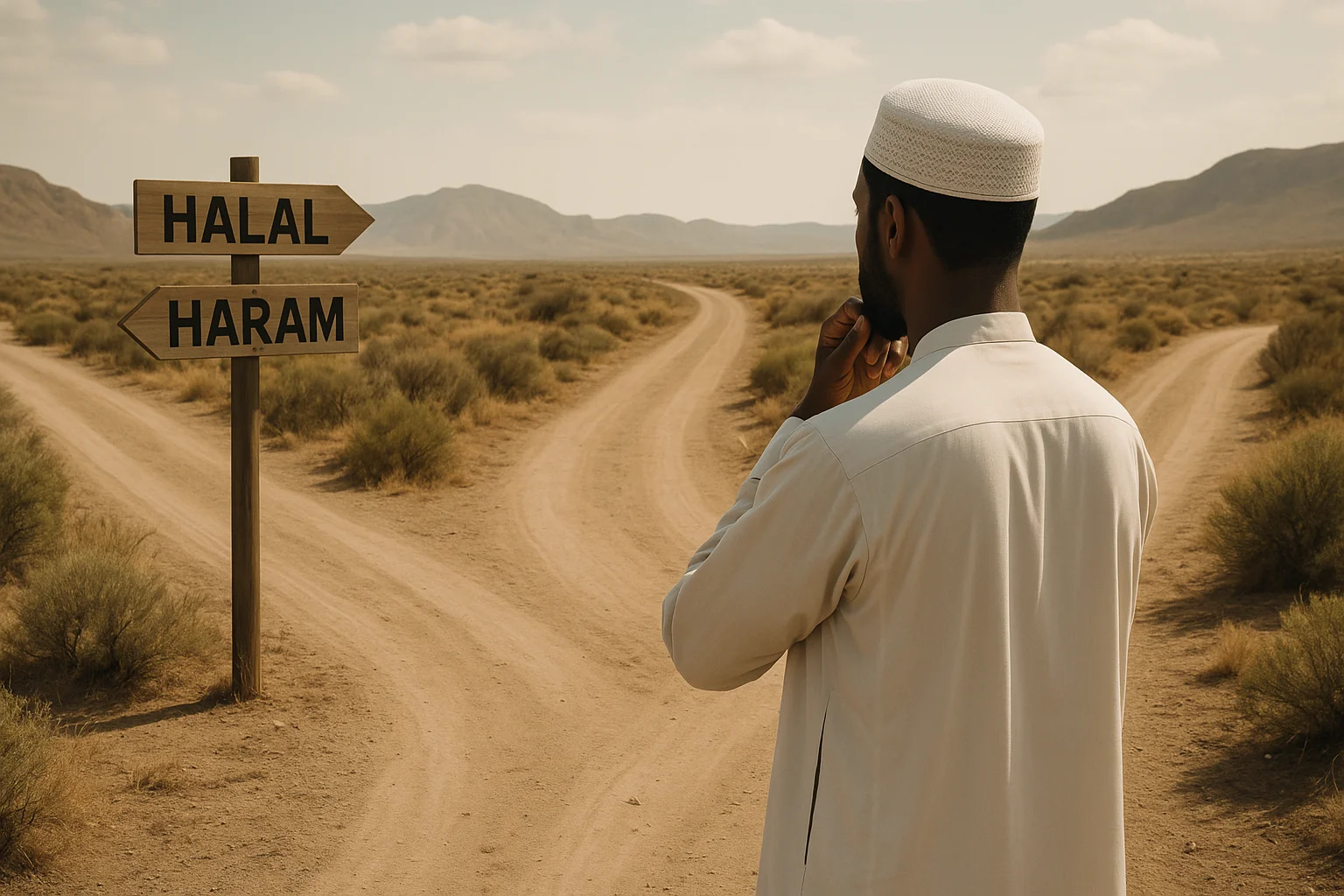
Have you ever wondered what the word haram truly means in Islam? Understanding this concept is essential for anyone who wishes to learn more about Islamic ethics and the boundaries that define a Muslim’s way of life. In Islam, haram refers to anything that is clearly forbidden according to Islamic teachings and scriptures.
This can range from dietary rules to personal behaviour and financial practices. These prohibitions are meant to protect both the individual and society from spiritual and moral harm.
Whether you are a practising Muslim or simply someone curious about Islamic principles, knowing what is haram can provide a deeper appreciation for the values that shape a faithful life.
This guide will walk you through everything you need to know about haram in Islam, its importance, and how it can influence your everyday actions and choices.
What Does “Haram” Mean in Islam?

The term haram originates from the Arabic root “ḥ-r-m”, which means forbidden or prohibited. In Islamic teachings, haram represents all actions, behaviours, or substances that Allah has expressly prohibited in the Qur’an or through the Hadiths of the Prophet Muhammad.
Deliberately doing something that is clearly haram is generally considered sinful, but Islamic teachings also recognise circumstances such as genuine mistakes, coercion and necessity.
The Qur’an distinguishes between unintentional mistakes and deliberate actions, while also providing limited exceptions in cases of genuine necessity. Individual circumstances can therefore affect responsibility even when the underlying prohibition remains.
The word haram also has a sacred connotation, such as in “Masjid al-Haram”, but in Islamic law, its legal context always points to the forbidden.
Haram differs from other categories of actions in Islam like makruh (discouraged) or halal (permitted). The rules about what is haram are not arbitrary; they are derived directly from divine revelations and aim to keep individuals spiritually and morally aligned with their faith.
Examples include consuming pork or alcohol, gambling, backbiting, and engaging in dishonest financial transactions. Living with the awareness of haram helps Muslims lead a life of righteousness and accountability in both private and public spheres.
What Is the Opposite of Haram?
The direct opposite of haram is halal, which means lawful or permissible in Islam. This contrast between haram and halal forms the ethical backbone of Islamic living.
While haram defines what you must avoid, halal represents what you are allowed and even encouraged to do within the framework of divine guidance.
Key halal examples include:
- Consuming foods prepared according to Islamic guidelines
- Earning income through lawful means
- Speaking truthfully and behaving respectfully
- Marrying within the boundaries of Islamic law
Understanding the difference helps you make conscious choices in daily life. It creates a framework where your actions can align more closely with Islamic principles, leading to a more balanced and spiritually fulfilling lifestyle.
Ultimately, this clear boundary guides your moral decisions and deepens your connection to your faith.
What Makes Something Haram?
The determination of whether something is haram is not based simply on personal opinion or on whether someone considers it harmful.
Islamic legal rulings are derived through recognised sources and methods, principally the Qur’an, Sunnah, scholarly consensus and valid analogical reasoning. Qualified scholars may also consider circumstances, established legal principles and the objectives of Islamic law when applying rulings to new situations.
For this reason, it is safer not to describe every harmful or undesirable act automatically as haram unless there is sufficient Islamic legal evidence for that classification.
Some matters have definitive rulings, while others involve scholarly interpretation and may differ according to circumstances or schools of jurisprudence.
The determination of whether something is haram is not based simply on personal opinion or on whether someone considers it harmful. Islamic legal rulings are derived through recognised sources and methods, principally the Qur’an, Sunnah, scholarly consensus and valid analogical reasoning.
Qualified scholars may also consider circumstances, established legal principles and the objectives of Islamic law when applying rulings to new situations.
For this reason, it is safer not to describe every harmful or undesirable act automatically as haram unless there is sufficient Islamic legal evidence for that classification.
Some matters have definitive rulings, while others involve scholarly interpretation and may differ according to circumstances or schools of jurisprudence.
For example, gambling is considered haram not just because it involves risk but because it fosters greed, debt, and societal inequality. Alcohol is forbidden because it impairs judgment and leads to sinful actions.
Similarly, lying, theft, and exploitation are haram due to the moral decay they cause. Another important element is the role of niyyah or intention. If you unknowingly do something haram, it is not viewed the same as when done deliberately.
However, knowledge and awareness are essential, as ignorance does not always remove responsibility.
What Are Haram Foods and Drinks?
Islamic dietary laws are very specific about what is permissible and what must be avoided. Consuming haram foods or drinks is not just a dietary choice but a spiritual responsibility.
Among the most common haram items are pork and its derivatives, carrion or dead animals, and blood. Meat that hasn’t been slaughtered according to Islamic guidelines is also considered haram.
Important prohibited foods and substances include:
- Carrion and blood
- Pork and its prohibited derivatives
- Animals sacrificed or dedicated to something other than Allah
- Intoxicants
- Meat and animal products that do not meet the applicable Islamic dietary requirements
- Even food items with hidden ingredients derived from haram sources must be avoided. These rules aim to maintain both physical health and spiritual cleanliness.
Some additional dietary rulings come from the Sunnah and Islamic jurisprudence rather than from a single blanket rule covering every species. For example, scholars have differed over the permissibility of various insects, with Hanafi, Maliki, Shafi‘i and Hanbali jurists reaching different conclusions in some cases.
The majority position cited by Egypt’s Dar al-Ifta prohibits eating frogs, although other historical scholarly opinions have existed. Readers should therefore avoid assuming that every insect or amphibian has exactly the same ruling across all Islamic schools.
What Are Examples of Haram Behaviour in Islam?
Islam outlines clear moral behaviours, and crossing these boundaries falls into the category of haram. These behaviours not only harm the individual but often damage relationships and communities as well.
The Qur’an and Hadiths provide numerous warnings against such actions.
Some commonly recognised haram behaviours include:
- Lying, dishonesty, and deceit
- Gossiping, slandering, and backbiting
- Disrespecting parents or elders
- Arrogance, pride, and showing off
- Abusing others physically or verbally
- Acts of oppression or injustice
Many of these actions begin as habits that may seem minor but gradually lead to greater sin. By avoiding these behaviours, you nurture discipline, build stronger social bonds, and grow closer to the ethical ideals Islam promotes.
Ultimately, it is through avoiding haram that you can protect your moral integrity and spiritual health.
What Haram Acts Should You Avoid in Daily Life?
Modern life is full of distractions and temptations that may lead to haram actions, even unintentionally. Understanding these day-to-day risks helps you stay mindful of your responsibilities as a Muslim.
These acts not only affect your spiritual state but often impact others around you.
Daily haram actions to avoid include:
- Watching or consuming pornography
- Using intoxicating or harmful recreational drugs, as well as tobacco smoking, which contemporary Islamic authorities have prohibited on the basis of its established harm
- Permanent tattooing, which is generally prohibited in mainstream Islamic jurisprudence, while temporary or removable forms may be treated differently depending on their ingredients, effects and circumstances
- Gambling or playing games of chance
- Unnecessary bodily alterations that fall outside accepted Islamic guidelines, while medically necessary, reconstructive or genuinely therapeutic cosmetic procedures can be permissible
- Intentionally missing religious obligations like fasting
- Idolising celebrities or worldly figures above your faith
Current medical evidence continues to establish serious harm from tobacco. The WHO’s June 2026 tobacco guidance states that all forms of tobacco use are harmful, while Egypt’s Dar al-Ifta considers smoking prohibited because of its established health damage.
Egypt’s Dar al-Ifta distinguishes permanent tattooing from certain removable tattoos, and the International Islamic Fiqh Academy permits necessary or therapeutic plastic surgery in circumstances such as correcting congenital defects, injuries or significant physical or psychological harm.
Are There Haram Financial Practices?
Islam has a strong ethical foundation for financial transactions to ensure fairness, justice, and social responsibility. Anything involving deception, exploitation, or immorality is considered haram in finance.
One of the most significant prohibitions is engaging in riba or usury, which refers to interest-based lending. This form of income is condemned because it promotes inequality and preys on the vulnerable.
Other prohibited financial activities can include fraud, bribery, theft, gambling-based transactions and other forms of unjust or deceptive dealing.
In investing, the Islamic ruling depends on the nature of the company’s principal business and the structure of the transaction rather than simply applying a broad label to every industry.
The International Islamic Fiqh Academy states that companies are permissible in principle when they do not conduct Shariah-prohibited activities, while ownership or trading of shares in companies whose principal business is prohibited is impermissible.
Interest-bearing loans and conventional interest-based financial arrangements are also treated as riba by major contemporary Islamic jurisprudential bodies. Because modern companies can have complex sources of revenue and financing, individual investments may require proper Shariah screening rather than relying on a short list of industries.
What Are the Rules Around Haram Relationships?

Islam upholds the sanctity of relationships and sets clear boundaries to preserve dignity, modesty, and moral conduct. Engaging in certain relationships or intimate behaviour outside Islamic guidelines is considered haram.
Adultery and fornication, referred to as zina, are major sins in Islam and are explicitly prohibited in the Qur’an. These acts damage the structure of family and society.
Premarital intimacy is also strictly forbidden, regardless of mutual consent. Islam encourages marriage as the only lawful framework for intimate relations. Additionally, a Muslim woman is not permitted to marry a non-Muslim man, as this may compromise her faith and future children’s religious upbringing.
While Muslim men are allowed to marry women from other Abrahamic faiths, even this comes with guidelines. These rules protect emotional well-being and reinforce spiritual commitments.
What Does Islam Say About Modesty and Clothing?
Islam places high importance on modesty, not just in dress but in behaviour and interaction. Your appearance reflects your values and intentions, and dressing modestly helps prevent temptation, promotes humility, and fosters respect. Men and women are both guided to wear clothing that does not reveal private parts and avoids extravagance.
Modesty in clothing means:
- Wearing non-translucent garments
- Avoiding tight or revealing outfits
- Men avoiding silk or gold adornments
- Not cross-dressing or imitating the opposite gender
- Keeping away from fashion that resembles immoral trends
These principles are not about restricting freedom but about safeguarding dignity. Modesty is a symbol of self-respect and reflects the inner values of a person committed to their faith. Through modest clothing and behaviour, you honour both yourself and your spiritual obligations.
Why Should You Avoid Haram?
Avoiding haram is not only a matter of religious obedience but also one of self-respect and community welfare.
Every action you take has consequences, and staying away from what is forbidden protects your soul from sin and your life from harm. Islam views life as a test, and avoiding haram is a demonstration of your dedication to Allah’s guidance.
Here’s why you should avoid haram:
- Protect your spiritual purity
- Maintain healthy relationships
- Preserve mental and physical health
- Avoid legal and social consequences
- Strengthen your bond with Allah
Living a halal lifestyle requires effort, but it brings peace and stability. It helps build character and ensures that your actions align with higher values, creating a meaningful and balanced life.
How Can You Stay Away from Haram?
Avoiding haram requires a conscious and continuous effort, especially in a world full of distractions. The first step is seeking knowledge about what Islam forbids and why.
This understanding will give you the conviction to resist temptation. Regularly studying the Qur’an, Hadith, and scholarly interpretations can help reinforce your decisions.
You should also surround yourself with a supportive environment. Choose friends and communities that encourage you to stay on the straight path. Make prayer a daily habit and reflect on your intentions to ensure your actions are in line with Islamic teachings.
When you do slip, seek forgiveness sincerely and work to do better. Staying away from haram is not about being perfect, but about striving to be better each day with a sincere heart.
Conclusion
Understanding what is haram in Islam is not just about following rules, but about living a purposeful and morally sound life. It serves as a guide to help you stay true to your faith while navigating the complexities of the modern world.
From the foods you eat to the way you speak and the money you earn, every choice matters in the eyes of Allah. The aim is not to restrict you but to protect your heart, body, and soul from harm.
By avoiding haram and embracing halal, you nurture a life of spiritual discipline, integrity, and peace. The path of Islam is one of balance, and staying mindful of what is haram keeps you moving forward with clarity and righteousness.
FAQs
What is the difference between halal and haram?
Halal means permissible in Islam, while haram refers to anything that is forbidden. Both terms guide Muslim behaviour in all areas of life.
Is listening to music considered haram in Islam?
Some scholars consider certain types of music haram if they promote immoral themes. Others allow it if the lyrics and intent are positive.
Can something haram ever become halal?
Generally, haram remains haram unless a clear exemption is given in extreme necessity. Scholarly guidance is needed for specific cases.
Is smoking always considered haram?
Yes, due to its proven harm to the body, smoking is widely accepted as haram by Islamic scholars. Preserving health is a religious duty.
Why is pork haram in Islam?
Pork is considered unclean and is explicitly prohibited in the Qur’an. Consuming it is believed to harm spiritual and physical health.
Are all tattoos haram in Islam?
Yes, traditional tattoos are generally haram as they alter the body permanently. Exceptions may apply for medical reasons or temporary art.
Can you be forgiven for doing something haram?
Yes, sincere repentance and seeking Allah’s forgiveness can erase sins. Islam emphasises mercy and the chance to return to the right path.

Leave a Reply