

Have they noticed “Tesco PFS” on their bank statement and wondered what it means? In most cases, Tesco PFS stands for Tesco Petrol Filling Station and refers to a genuine fuel purchase made at a Tesco petrol station.
The charge often appears after using a pay at pump service, where banks may temporarily place a pre authorisation hold of up to £120 before adjusting it to the actual fuel amount purchased.
Although this pending charge can look alarming, it is usually corrected automatically within a few hours or days.
Key takeaways:
- Tesco PFS means Tesco Petrol Filling Station
- Temporary £120 holds are common with pay at pump payments
- Pending charges usually update to the real fuel cost
- Debit and credit cards process differently
- Paying at the kiosk can avoid temporary holds
- Customers should contact their bank if charges remain pending for several days
What Does “Tesco PFS” Mean on a Bank Statement?

Many people become concerned after spotting “Tesco PFS” on their bank statement, particularly if they do not immediately recognise the abbreviation.
In UK banking transactions, Tesco PFS simply refers to a Tesco Petrol Filling Station payment. It is the merchant reference used when fuel is purchased from a Tesco petrol station, whether through pay at pump services or by paying at the kiosk inside the station.
Banks and payment processors use merchant references to categorise transactions correctly. Instead of showing a full business description, statements often display shortened forms or coded transaction names.
Tesco PFS is one of the standard references connected to fuel purchases across Tesco petrol stations in the UK.
Customers may notice slight variations in how the payment appears depending on the bank, card provider, or payment method used.
Common Tesco Fuel References Meaning
Tesco PFS Tesco Petrol Filling Station
Tesco Pay at Pump Automated fuel payment
Tesco Petrol Fuel purchase at Tesco
Tesco Fuel Station Petrol station card transaction
Tesco Pay+ Tesco mobile payment system
The reference itself is not unusual and is commonly linked to everyday fuel purchases. Confusion usually starts when customers see an unexpectedly high pending amount attached to the Tesco PFS transaction.
Meaning of Tesco PFS
The abbreviation “PFS” stands for Petrol Filling Station. Tesco separates fuel transactions from supermarket purchases because fuel payments are processed differently from standard retail shopping payments.
For example, if someone buys groceries worth £50 and fuel worth £40 during the same visit, the bank may display:
- Tesco Stores for groceries
- Tesco PFS for fuel
This distinction helps banks and payment processors identify the type of transaction being completed.
Fuel purchases involve additional security procedures because the final payment amount is not always known immediately at automated pumps. This is why Tesco PFS transactions are often associated with temporary pending charges.
Why Tesco Uses the PFS Reference?
Fuel stations operate under slightly different payment systems compared to ordinary retail tills. Automated fuel pumps must verify that sufficient funds are available before petrol or diesel is dispensed.
The Tesco PFS identifier allows:
- Faster payment processing
- Easier transaction tracking
- Separate handling of fuel authorisation checks
- Accurate merchant categorisation
A retail payment systems adviser explained this clearly:
“Fuel stations across the UK use specialised merchant references because fuel transactions involve pre authorisation checks before the final amount is confirmed. Tesco PFS is simply Tesco’s standard fuel payment identifier.”
Common Tesco Payment Descriptions
Different banks use different formatting styles when displaying merchant names.
Customers may therefore notice variations including:
- Tesco PFS London
- Tesco Pay at Pump
- Tesco Petrol Station
- Tesco Fuel Payment
- Tesco PFS Pending
The wording can sometimes include:
- Store location
- Transaction date
- Payment terminal ID
- Bank processing code
Although the wording varies slightly, these references usually relate to legitimate fuel purchases.
Why Does Tesco PFS Show a £120 Pending Charge?
One of the biggest concerns surrounding Tesco PFS transactions is the appearance of a large temporary pending amount. Many drivers are surprised to see charges of £99 or £120 even when they only purchased a smaller amount of fuel.
This temporary amount is known as a pre-authorisation hold.
Understanding Pay at Pump Pre-authorisation
When someone uses a pay-at-the-pump machine, the fuel station cannot know the final purchase amount in advance. Because of this, the payment system first checks whether the card has enough available funds.
Visa and Mastercard rules allow fuel stations to place temporary holds of up to £120 before fuel is dispensed.
The process usually works as follows:
Payment Stage Example Amount
Initial pre-authorisation £120
Fuel dispensed £46.20
Final processed charge £46.20
Remaining held funds released £73.80
The customer is not actually charged £120 permanently. The amount simply reserves funds temporarily until the real fuel cost is confirmed.
Why Banks Temporarily Hold Funds?
Fuel stations face a unique payment challenge because customers receive fuel before the final amount is calculated. Banks therefore, use temporary holds to reduce payment risks.
The hold ensures:
- The account has enough available money
- The card is valid
- Payment processing can be completed successfully
- Fuel stations avoid unpaid transactions
A UK banking representative described this issue clearly:
“Customers often believe the larger amount has been taken permanently, but in reality the bank is temporarily reserving funds until Tesco sends the final payment amount.”
Difference Between Pending and Final Charges
Pending charges and completed transactions are not the same thing.
A pending charge means:
- The payment is still processing
- The amount has not fully settled
- The bank is temporarily holding funds
A completed transaction means:
- The final amount is confirmed
- The payment has been fully processed
- The transaction becomes permanent
Many mobile banking apps now display pending transactions separately to help customers understand this difference more clearly.
How Long Does a Tesco PFS Pending Transaction Take to Clear?

Most Tesco PFS pending charges disappear automatically within a short period. However, processing times vary depending on the bank, card provider, and timing of the transaction.
Typical Processing Times
The majority of Tesco PFS transactions follow this timeframe:
Transaction Type Typical Clearance Time
Debit card payments Few hours to 3 days
Credit card payments 1 to 5 working days
Weekend transactions Slightly longer
Prepaid card transactions Up to several days
Most customers see the pending amount corrected quickly once the final fuel payment reaches the bank.
Why Some Banks Take Longer?
Different banks process authorisation reversals at different speeds. Some online banking providers update balances instantly, while traditional banks may take longer.
Common reasons for delays include:
- Weekend banking schedules
- Bank holidays
- Slow payment network updates
- Fraud prevention checks
- Technical processing delays
The transaction may appear frozen temporarily while payment systems exchange confirmation data between Tesco, Visa or Mastercard, and the customer’s bank.
What Happens After the Hold Is Removed
Once the payment clears:
- The temporary hold disappears
- The correct fuel amount replaces it
- Available balance updates fully
Some customers may briefly see:
- Both charges were displayed together
- Duplicate transaction appearances
- Delayed balance corrections
This temporary overlap is usually resolved automatically.
A financial support adviser explained the situation this way:
“Most Tesco PFS issues resolve without any action from the customer. The confusion usually comes from how banking apps display pending authorisations before settlement finishes.”
Is Tesco PFS a Genuine Transaction or a Scam?
Most Tesco PFS transactions are genuine. However, because the abbreviation is unfamiliar to some people, many customers initially worry that the payment may be fraudulent.
In most situations, Tesco PFS is legitimate if:
- The customer recently purchased fuel
- The location matches travel history
- The transaction date seems accurate
- The amount eventually updates correctly
How to Identify a Real Tesco PFS Transaction?
Customers can usually confirm authenticity by checking:
- Recent petrol station visits
- Fuel receipts
- Contactless payment notifications
- Mobile banking alerts
Fraud concerns are more likely if:
- No fuel purchase was made
- The location seems unfamiliar
- Multiple identical charges appear unexpectedly
- The payment remains unresolved for several days
Signs of an Unauthorised Transaction
Potential warning signs include:
- Transactions from another city
- Fuel purchases made at unusual times
- Repeated charges within minutes
- Charges linked to a lost or stolen card
A fraud investigation specialist explained this concern clearly:
“Many people panic after seeing Tesco PFS because the wording looks unfamiliar. In most cases, it turns out to be a normal fuel purchase processed through the petrol station payment network.”
When to Contact the Bank?
Customers should contact the bank immediately if:
- The charge cannot be recognised
- The amount seems suspicious
- The pending payment never clears
- Multiple unexplained fuel charges appear
Banks can:
- Freeze the card
- Investigate suspicious transactions
- Reverse fraudulent payments
- Issue replacement cards
Why Does the Tesco PFS Amount Change After Payment?
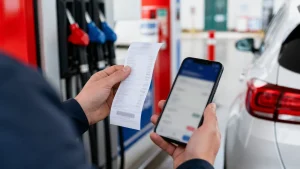
The Tesco PFS amount often changes because the first amount displayed is not the final payment. It is simply the temporary pre authorisation amount requested during the pay-at-pump process.
Temporary Authorisation vs Actual Fuel Cost
The pre-authorisation amount acts as a financial security check. Once the customer finishes fuelling, Tesco sends the real amount to the bank.
Transaction Stage Amount
Initial hold request £120
Fuel purchased £58.40
Final settled payment £58.40
The original hold disappears after settlement.
How Adjusted Charges Appear on Statements
Different banks display transaction updates differently.
Customers may notice:
- A pending amount is disappearing
- A second, smaller charge replacing the first amount
- Temporary duplicate entries
These updates are usually part of normal banking procedures.
Examples of Corrected Payment Amounts
For example:
- Driver sees pending £120 charge
- Final transaction later updates to £34.50
- Remaining held amount becomes available again
This process helps fuel stations protect against incomplete or declined payments while ensuring customers only pay for the fuel actually received.
Can Drivers Avoid the Tesco PFS Pre-authorisation Hold?
Drivers who dislike temporary pending charges can avoid them by choosing alternative payment methods.
Paying Inside the Tesco Kiosk
Paying directly at the cashier remains the simplest option. Since the exact fuel amount is already known at the till, no large temporary hold is usually needed.
Benefits include:
- Immediate final payment processing
- No £120 pre-authorisation hold
- Fewer pending banking notifications
Using Different Payment Methods
Some customers choose:
- Chip and PIN payments
- Credit cards
- Mobile wallets
- Tesco Pay+ services
However, many automated pumps still apply temporary authorisation checks regardless of payment method.
Tips for Managing Bank Holds
Drivers can reduce inconvenience by:
- Maintaining a sufficient account balance
- Avoiding low-balance prepaid cards
- Checking banking app notifications regularly
- Paying inside during busy travel periods
A consumer banking adviser shared this practical advice:
“Customers who regularly monitor tight account balances often prefer paying inside because it avoids temporary reductions in available funds caused by pre-authorisation checks.”
What Should Someone Do If the Tesco PFS Charge Does Not Disappear?

Most Tesco PFS holds disappear automatically within a few days. If the charge remains pending for too long, the bank should be contacted directly.
When the Pending Payment Becomes a Problem?
Customers should investigate if:
- The transaction remains pending after 5 to 7 days
- The amount has not corrected itself
- Multiple pending holds remain active
- The available balance stays reduced unnecessarily
Steps to Contact the Bank
The bank controls authorisation holds rather than Tesco itself.
When contacting the bank, customers should provide:
- Transaction date
- Approximate fuel purchase amount
- Card details
- Screenshot of the banking transaction
Banks may manually release older authorisation holds if system delays occur.
Information to Prepare Before Reporting the Issue
Helpful information includes:
- Petrol station location
- Fuel receipt
- Payment method used
- Time of purchase
This helps customer support teams investigate the transaction more efficiently.
How Does Tesco PFS Work With Debit and Credit Cards?
Tesco PFS transactions behave differently depending on the card type used.
Debit Card Processing
Debit cards:
- Reserve money directly from the bank account
- Reduce the available balance immediately
- Usually clears relatively quickly
Customers may notice the pending hold affecting available spending money until the settlement completes.
Credit Card Authorisation Checks
Credit cards:
- Use available credit limits
- Process through card provider systems
- May take longer to settle fully
Some credit card statements may not show the temporary hold as clearly as debit card banking apps.
Contactless and Mobile Wallet Payments
Apple Pay, Google Pay, and contactless cards still follow similar authorisation procedures at automated pumps.
The payment method may differ, but the pre-authorisation process remains largely the same because it is controlled by the fuel station payment network.
Are Tesco PFS Charges Different for Pay at Pump and In-Store Payments?

There are important differences between pay-at-pump and cashier transactions.
Pay at Pump Process
Pay at pump systems:
- Require temporary pre-authorisation
- Check available funds before fuelling
- Often displays pending charges
This process is designed to protect fuel stations against unpaid fuel collection.
Paying at the Cashier
In-store payments:
- Process the exact amount immediately
- Avoid large temporary holds
- Usually settles faster
Many customers who dislike pending charges prefer this method.
Why Transaction References May Vary
Different terminals and payment systems may create slightly different statement descriptions depending on:
- Store location
- Payment method
- Banking provider
- Transaction channel
Even when wording changes slightly, the transaction usually still relates to a Tesco fuel purchase.
What Other Bank Statement References Are Similar to Tesco PFS?
Fuel station payment references are common across UK banking systems.
Merchant Reference Meaning Common Use
Tesco PFS Tesco Petrol Filling Station Tesco fuel purchases
Shell PFS Shell fuel payment Shell petrol stations
BP PFS BP fuel transaction BP petrol stations
Pay at Pump Automated fuel transaction Multiple fuel brands
Tesco Pay+ Tesco mobile payment system Shopping and fuel
These references help banks categorise fuel transactions correctly while supporting temporary authorisation procedures used by fuel retailers.
Conclusion
Tesco PFS charges are usually nothing to worry about. The reference simply identifies a Tesco Petrol Filling Station transaction on a bank statement.
In many cases, temporary charges appear because pay-at-pump systems use pre-authorisation holds to confirm available funds before fuel is dispensed.
Although seeing a pending amount of up to £120 can look alarming, the charge is normally corrected automatically to the actual fuel cost within a few hours or days.
Customers who prefer to avoid these temporary holds can pay directly at the kiosk instead of using automated pumps.
If a Tesco PFS transaction remains pending for an unusually long time or appears unfamiliar, contacting the bank is the best next step.
FAQs
Why does Tesco PFS appear on a bank statement even after paying the correct fuel amount?
Tesco PFS may still appear because the bank is processing a temporary authorisation hold before finalising the exact fuel payment amount.
Can Tesco PFS charges remain pending over the weekend?
Yes. Weekend banking delays can sometimes cause pending Tesco PFS transactions to remain visible slightly longer than usual.
Does Tesco PFS affect the available bank balance?
Yes. Temporary authorisation holds can reduce the available balance until the final payment amount replaces the hold.
Is the Tesco PFS £120 charge taken permanently?
No. The £120 amount is normally a temporary hold only. The bank later replaces it with the actual fuel purchase amount.
Why do some Tesco petrol transactions appear twice temporarily?
Some banks briefly show both the pending authorisation and the final processed payment before the hold disappears automatically.
Can prepaid cards be used at Tesco pay-at-pump stations?
Some prepaid cards work at Tesco pay-at-pump stations, but certain cards may decline due to pre-authorisation requirements.
What should happen if a Tesco PFS transaction remains after seven days?
Customers should contact their bank directly if a pending Tesco PFS charge remains after several working days.

Leave a Reply