

The Sarah Middleton pension payment delay shows that serious administrative failures within the UK Civil Service Pension Scheme have left some retirees without income for months, with Sarah herself waiting over eight months for her pension and lump sum after retirement.
The issue is largely linked to the transition to Capita, which created a significant backlog and system inefficiencies affecting thousands across the UK.
Key takeaways from this situation include:
- Pension delays can last several months due to administrative backlogs
- System transitions can disrupt payment processing at scale
- Retirees may face financial hardship without backup savings
- Government support exists but may not reach everyone quickly
- Understanding rights and escalation processes is essential
- The issue reflects wider risks in UK retirement planning
What Happened in the Sarah Middleton Pension Payment Delay Case?
The Sarah Middleton pension payment delay case reflects a growing concern within the UK pension system, where administrative inefficiencies have disrupted the financial stability of retirees.
Sarah Middleton, aged 62, retired after more than 25 years of service in key public sector roles, including positions within the Ministry of Defence and the Crown Prosecution Service.
She followed standard procedure by submitting a six-month notice ahead of her retirement at the end of February, expecting a smooth transition into retirement.
Instead of receiving her pension payments and a projected lump sum ranging between £40,000 and £50,000, she has been left without any income for eight months. This has significantly impacted her financial planning and day-to-day life.
The situation is not limited to a single case but reflects a wider administrative failure affecting thousands of individuals across the UK.
The case gained attention due to several key factors:
- An extended delay exceeding eight months without pension payments
- Absence of a lump sum, which was intended for immediate retirement expenses
- Lack of timely communication and resolution from the pension administrator
- Evidence of a broader systemic backlog affecting many retirees
Sarah Middleton’s experience demonstrates how reliance on structured retirement systems can quickly turn into financial uncertainty when delays occur. The expectation of a secure retirement has been replaced with ongoing concern and reliance on personal savings.
Why Are Pension Payments Delayed in the UK Civil Service Pension Scheme?
The reasons behind the Sarah Middleton pension payment delay can be traced to structural and operational changes within the Civil Service Pension Scheme.
A key factor has been the transition of administrative responsibilities to Capita, which took place in December.
While the transition aimed to modernise pension management, it instead introduced a series of disruptions.
Transition to Capita and Its Impact
The outsourcing of pension administration to Capita was intended to improve efficiency and streamline digital processes.
However, the implementation phase encountered significant issues. These included inadequate system readiness and insufficient staff training to manage the volume of cases.
As a result, the transition created operational delays that directly affected pension processing timelines. Retirees who expected a seamless experience instead faced unexpected complications.
Backlog of Pension Cases Across the UK
One of the most significant contributors to the delay has been the backlog of approximately 86,000 pension cases. This backlog developed shortly after the transition and has continued to impact processing capacity.
The scale of the backlog can be better understood in the following table:
Issue Category Estimated Impact Level Description
Pending pension claims High Tens of thousands of unprocessed applications
Delayed lump sum payments High Retirees unable to access initial retirement funds
Response time delays Medium to High Slow communication from administrators
Complaint resolution delays High Extended timelines for addressing disputes
This backlog has overwhelmed administrative systems, leading to prolonged waiting periods for retirees.
Technical Issues with the Online Pension Portal
In addition to the backlog, the introduction of a new digital portal has further complicated the situation.
The platform was designed to allow users to manage their pension information and track progress. However, users have reported difficulties, including login failures, missing data, and unresponsive features.
These technical challenges have prevented retirees from accessing critical information and have contributed to a lack of transparency in the process.
How Has the Pension Payment Delay Affected Sarah Middleton Financially?
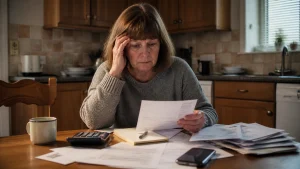
The financial consequences of the Sarah Middleton pension payment delay have been significant. Without access to her pension income or lump sum, Sarah and her husband have had to depend entirely on their savings to cover daily expenses and living costs.
Their original retirement plan included financial stability and the flexibility to enjoy their time after years of service. Instead, they are now managing uncertainty and limiting their spending to preserve remaining resources.
A financial consultant described similar cases by stating,
“When pension income is delayed, retirees often face immediate pressure on their savings. Even those who planned carefully can find themselves reassessing their financial priorities within months.”
The financial impact can be broken down into several areas:
Financial Aspect Expected Situation Current Reality
Monthly income Regular pension payments No income received
Lump sum availability Immediate access post retirement Completely delayed
Savings usage Supplementary spending Primary financial source
Lifestyle plans Travel and leisure Restricted spending
This shift from financial independence to reliance on savings highlights the severity of the delay.
What Wider Problems Are Affecting UK Pensioners Facing Payment Delays?
The Sarah Middleton pension payment delay is part of a broader pattern affecting a large number of pensioners. The issues extend beyond administrative delays and have deeper implications for financial wellbeing and mental health.
Growing Number of Affected Retirees
Thousands of retirees have reported similar experiences, particularly those who retired after January 2025. The scale of the issue suggests a systemic breakdown rather than isolated incidents.
Financial Hardship and Emotional Stress
Delayed pension payments have led to increased stress among retirees. Many individuals rely on fixed incomes and do not have the flexibility to absorb long periods without payments. This has resulted in sleep disturbances, anxiety, and uncertainty about the future.
Vulnerable Groups Including Widows and Ill Individuals
Certain groups have been disproportionately affected by these delays. Individuals with health conditions or those who have lost a partner may have limited financial support and fewer resources to manage prolonged delays.
A support group member explained the emotional toll by stating,
“Some people are in situations where they are choosing between essential expenses because their pension has not arrived.”
The broader impact can be summarised as follows:
Affected Group Key Challenge Risk Level
Retirees Loss of expected income High
Widows Reduced household financial support High
Individuals with illness Increased medical and living costs High
Recently retired couples Simultaneous income disruption Medium to High
What Has the Government Done About Civil Service Pension Delays?
In response to the crisis surrounding the Sarah Middleton pension payment delay, the UK government has taken several steps to address the issue.
An emergency task force has been established, led by a senior civil servant, to manage the backlog and improve service efficiency.
Efforts have focused on increasing staffing levels and accelerating the processing of outstanding cases. Additional training has been provided to improve the handling of pension applications and queries.
A public sector analyst commented on the situation by stating,
“Large scale administrative transitions often expose weaknesses in system readiness. The challenge is not just clearing the backlog but restoring trust in the system.”
The response measures can be outlined as follows:
Government Action Purpose Current Status
Emergency task force Manage backlog and delays Active
Increased staffing Improve processing speed Ongoing
System improvements Address technical issues In progress
Public communication efforts Provide updates to affected users Limited
Despite these measures, many retirees are still waiting for a resolution.
What Support Is Available for Pensioners Experiencing Payment Delays in the UK?

Support mechanisms have been introduced to assist individuals affected by delays like the Sarah Middleton pension payment delay. However, access to these options varies depending on eligibility and circumstances.
Transition Support Loans Explained
Transition support loans are available to certain civil servants who meet specific criteria. These loans are intended to provide temporary financial relief until pension payments are processed.
Contacting Pension Providers for Urgent Cases
Affected individuals are encouraged to contact their pension provider directly to request prioritisation. Cases involving financial hardship may be escalated for faster resolution.
Financial Assistance Options for Affected Retirees
Additional support options may include short-term financial planning and external advice. Some retirees seek guidance from financial advisers to manage their situation effectively.
How Can You Respond If Your Pension Payment Is Delayed in the UK?
Individuals experiencing delays similar to the Sarah Middleton pension payment delay can take proactive steps to address the issue. Taking action early can help reduce the duration and impact of delays.
Recommended actions include:
- Contacting the pension provider to request updates
- Keeping records of all communication and documentation
- Submitting formal complaints if delays persist
- Escalating the case to the Pension Ombudsman if necessary
A pensions adviser explained the importance of persistence by stating,
“Clear documentation and regular follow ups often make a difference in how quickly a case is reviewed and resolved.”
What Are Your Rights When Facing Pension Payment Delays?
UK pensioners have legal rights that protect them in situations involving delayed payments. Pension providers are required to handle applications within reasonable timeframes and respond to queries promptly.
If these standards are not met, individuals have the right to escalate their concerns. This includes filing complaints and seeking compensation in cases of administrative failure.
Understanding these rights is essential for navigating the challenges associated with delays and ensuring accountability.
Could Pension Delays Impact Retirement Planning in the UK?
The Sarah Middleton pension payment delay has raised concerns about the reliability of retirement planning in the UK. Many individuals base their retirement decisions on the assumption that pension payments will begin without disruption.
However, recent events highlight the need for more cautious planning. Retirees are increasingly recognising the importance of maintaining financial buffers and preparing for unexpected delays.
This shift in perspective may influence how future retirees approach financial planning and risk management.
What Lessons Can Be Learned from the Sarah Middleton Pension Payment Delay?

The situation offers several lessons for both individuals and institutions. Administrative transitions must be carefully managed to avoid disruption. Communication with pensioners must be clear and timely to prevent unnecessary stress.
For retirees, the importance of financial preparedness has become more evident. The experience of Sarah Middleton and others underscores the need for resilience and awareness in retirement planning.
Overall, the case serves as a reminder that even established systems can face challenges, and proactive measures are essential to minimise risk.
Conclusion: What Does the Sarah Middleton Pension Payment Delay Reveal About the UK Pension System?
The Sarah Middleton pension payment delay reveals critical weaknesses within the UK pension system, particularly in handling large-scale administrative changes. While efforts are being made to resolve the backlog, the impact on individuals highlights the need for more reliable systems and stronger accountability.
For retirees, this situation underscores the importance of preparation and awareness. For authorities, it signals an urgent need to restore trust and ensure timely pension delivery.
Frequently Asked Questions
How long can pension payments be delayed in the UK?
Pension delays can vary, but in complex cases or administrative backlogs, delays may last several months, as seen in recent Civil Service Pension Scheme issues.
What should I do if my pension is not paid on time?
You should contact your pension provider immediately, keep records of communication, and escalate the issue if necessary through formal complaints.
Can I get compensation for delayed pension payments?
In some cases, compensation may be available if the delay is due to administrative errors or poor service.
Who regulates pension providers in the UK?
Pension providers are regulated by bodies such as The Pensions Regulator and the Financial Ombudsman Service.
Are pension delays common in the UK?
While not typical, delays have become more common in certain schemes due to administrative changes and backlogs.
What is a pension transition support loan?
It is a temporary financial support option offered to eligible civil servants affected by pension delays.
How can I avoid financial issues during pension delays?
Maintaining savings, seeking financial advice, and understanding your pension scheme can help reduce financial risk.

Leave a Reply