

Sir Peter Schofield is stepping down as the Permanent Secretary of the Department for Work and Pensions (DWP) in July 2026, following mounting criticism over the carer’s allowance overpayment scandal.
Although officially framed as a personal decision, the timing of his resignation aligns closely with intense public and political pressure on the DWP.
- Carers were hit with unexpected debts due to overpayment errors by the DWP
- An independent review blamed leadership failures and flawed systems
- MPs and campaigners criticised the department’s handling and response
- Schofield’s track record includes Universal Credit rollout and COVID-19 support
- A reassessment of 200,000 cases is underway to address historic injustices
- Leadership change signals a possible turning point for UK welfare reform
Why Is Peter Schofield Stepping Down From The DWP Now?

Peter Schofield, who has served as the Permanent Secretary at the Department for Work and Pensions (DWP) since 2018, has announced he will step down from his post in July 2026.
The announcement follows a wave of public and political backlash against the DWP’s handling of carer’s allowance overpayments, which has now become one of the most high-profile administrative scandals in recent welfare history.
His resignation, while officially cited as a personal decision, comes amid mounting criticism over how the DWP allowed thousands of carers to unknowingly incur large debts through benefit overpayments.
Although the department insists his departure is unrelated to the scandal, the timing raises questions about accountability and leadership under pressure.
Was The Resignation Really Due To Personal Reasons?
In his email to staff, Schofield wrote,
“There is never a good moment to step away from a job like this, but having passed my eight-year anniversary, now feels like a good time to pause and reflect on what I want to do next while spending more time with my family.”
This statement reflects a common sentiment shared by senior civil servants who step down after lengthy tenures. However, critics argue that the announcement conveniently coincides with unprecedented scrutiny of DWP leadership.
For many, the so-called personal decision is closely tied to the public and political fallout of the carer’s allowance crisis.
How Long Has Schofield Served At The DWP?
Schofield has been with the DWP since 2018, succeeding Sir Robert Devereux.
During his tenure, he served under several Secretaries of State:
| Secretary of State | Time Served Under Schofield |
|---|---|
| Esther McVey | 2018 |
| Amber Rudd | 2018 – 2019 |
| Thérèse Coffey | 2019 – 2022 |
| Chloe Smith | 2022 |
| Mel Stride | 2022 – 2024 |
| Liz Kendall | 2024 – Present |
| Pat McFadden (Shadow) | Ongoing |
His eight-year leadership spanned major policy changes, including the full rollout of Universal Credit and managing welfare services during the COVID-19 pandemic.
What Triggered The Carer’s Allowance Scandal?
The carer’s allowance scandal erupted following a Guardian investigation that exposed how tens of thousands of unpaid carers were handed large overpayment bills after unknowingly breaching earnings thresholds.
The root issue lies in poor administrative monitoring and a rigid system that punishes carers without adequately informing them of minor infractions.
Carer’s allowance is awarded to individuals who provide at least 35 hours of unpaid care per week, often to family members or vulnerable individuals. The benefit is means-tested, with recipients required to stay under a specific weekly earnings threshold.
How Did Overpayments Happen?
Carers who exceeded the earnings limit by as little as a few pounds were often not informed promptly by the DWP.
Because of delayed or insufficient checks, overpayments accumulated over months and sometimes years, resulting in carers being told to repay thousands of pounds at once. In extreme cases, individuals faced fraud investigations or criminal convictions.
This wasn’t a rare administrative hiccup but a systemic failure. Between 2018 and 2024, the number of overpayment cases rose significantly:
| Year | Reported Overpayments | Total Amount (£) |
|---|---|---|
| 2018 | 26,000 | 53 million |
| 2020 | 40,000 | 91 million |
| 2022 | 56,000 | 120 million |
| 2024 | 68,000 | 137 million |
Carers were rarely given advance warnings or clear explanations, leaving them feeling blindsided by a system they trusted.
What Were The Emotional And Financial Impacts On Carers?
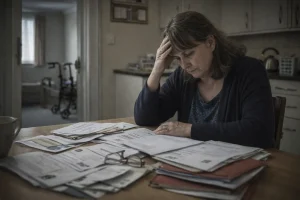
The scandal had devastating consequences. Many carers, already stretched thin, were thrown into debt and distress. Some reported suicidal thoughts, and others said they felt criminalised for trying to help their loved ones while navigating a confusing and punishing welfare structure.
Key issues experienced by affected carers include:
- Mental health deterioration due to sudden debt
- Loss of trust in government systems
- Threat of court action or fraud allegations
- Inability to access debt support
One carer described the situation as being “at the whim of a faceless machine,” a phrase that captures the sense of abandonment many felt.
How Did The Government And DWP Respond To The Scandal?
Initially, the DWP maintained that carers were responsible for reporting changes in their earnings, but this stance gradually shifted as the extent of the crisis became undeniable.
An independent review, led by disability rights advocate Liz Sayce, was commissioned by the government in 2025 and concluded that the department had failed to protect carers from harm.
What Did The Sayce Review Reveal?
The review found that:
- DWP systems lacked early detection mechanisms
- Internal guidance was “flawed and unlawful”
- Senior leaders ignored red flags for years
- A culture of defensive bureaucracy impeded reform
The Sayce review included detailed recommendations for systemic overhaul.
Yet, when I spoke with a senior government professional who reviewed the findings, they told me,
“It wasn’t just about bad policy. There was a total absence of ownership from the top. People knew this was happening, and it was allowed to continue unchecked.”
Were There Leadership Failures Within The Department?
Absolutely. In 2019, Schofield promised MPs that he would resolve the carer’s allowance issues.
Despite this, the problems worsened. More carers were affected, more overpayments were made, and the DWP’s leadership remained largely silent until media pressure forced their hand.
An internal DWP blog from December 2025 further fuelled the outrage when senior director Neil Couling appeared to blame carers for the overpayments, contradicting ministerial policy and the Sayce findings.
This led Work and Pensions Select Committee chair Debbie Abrahams to question whether senior officials “truly grasped the human impact” of the scandal.
What Was Peter Schofield’s Track Record As DWP Permanent Secretary?
Schofield’s tenure included notable achievements. He helped lead the digital transformation of welfare services, supervised the expansion of Universal Credit, and coordinated the department’s rapid response to increased claims during the pandemic.
Despite these accomplishments, the carer’s allowance scandal has dominated the conversation around his leadership legacy. Many view his reluctance to act decisively on early warnings as a failure of governance.
| Major Initiatives | Outcome |
|---|---|
| Universal Credit rollout | Completed nationwide in 2022 |
| COVID-19 response | Handled 6 million new claims |
| Carer’s allowance oversight | Lacked implementation follow-through |
| Internal transparency reforms | Still in progress as of 2026 |
As someone who has followed UK welfare closely, I believe the defining issue was a lack of leadership courage.
“He was good at process,” one colleague told me, “but leadership requires stepping into hard truths, and he often stayed in the comfort of procedural language.”
How Are Campaigners And MPs Reacting To Schofield’s Resignation?
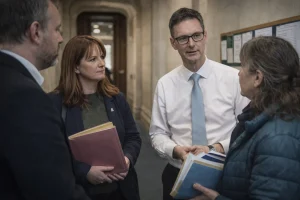
Campaigners have responded with cautious optimism. While they acknowledge Schofield’s years of service, many believe his resignation is a necessary signal of accountability.
MPs, particularly those on the Work and Pensions Committee, have been more outspoken. Debbie Abrahams remarked that the DWP suffers from a “culture of complacency,” and she openly questioned the capacity of its senior leadership to enact meaningful reform.
Organisations like Carers UK have welcomed the recent reassessment orders but insist that deeper structural changes are still required.
Key reactions include:
- Relief that leadership change is finally occurring
- Calls for greater transparency in benefit administration
- Urging for carer-centred design in welfare systems
What’s Next For The Department For Work And Pensions?
The DWP faces significant challenges moving forward. With public trust in jeopardy and thousands of affected carers demanding justice, the next phase will require not only technical adjustments but also cultural reform within the department.
Will The Carer’s Allowance System Be Fixed?
The government has ordered the reassessment of 200,000 historical cases, particularly those impacted by failures to apply earnings averaging. As a result, up to 26,000 carers could see partial or full debt cancellation.
This move is seen as a partial win, though campaigners remain wary of temporary fixes.
| Review Category | Estimated Cases | Outcome |
|---|---|---|
| Earnings misapplied | 120,000 | Review for debt reduction |
| Flawed calculation method | 50,000 | Redesign in progress |
| Cases under fraud suspicion | 30,000 | Legal status under examination |
What Leadership Changes Are Expected At The DWP?
With Schofield’s upcoming departure, attention now turns to his potential successor.
While the Cabinet Office is expected to conduct a formal appointment process, campaigners are urging that the new leadership be selected not just on managerial skill but on vision and empathy.
There is also growing consensus in Whitehall that future DWP leadership should include individuals with direct experience in frontline welfare services or advocacy work.
What Should Carers Expect Moving Forward?
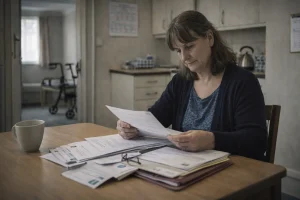
For carers, the coming months are likely to involve a mix of relief and continued caution. The reassessment process is underway, and the DWP has committed to improving how it communicates changes in entitlement.
Carers should:
- Watch for official reassessment letters from the DWP
- Consult with advocacy groups such as Carers UK
- Request written explanations for overpayments
- Appeal if they feel a decision is unfair
| Step | Action Carers Can Take |
|---|---|
| Reassessment Notice | Review it and respond within 30 days |
| Debt Appeal | File through official gov.uk form |
| Independent Review | Request if no resolution is reached |
| Financial Advice | Seek support from Citizens Advice |
While these steps are a start, lasting reform will require systemic change and a shift in how the government values unpaid carers.
Conclusion – What Does Schofield’s Exit Mean for Welfare in the UK?
Sir Peter Schofield’s departure from the DWP marks a pivotal moment. While he helped oversee some of the most significant welfare transformations in recent decades, his leadership during the carer’s allowance scandal left many feeling abandoned and unheard.
Whether this marks the beginning of genuine reform or just a symbolic shift remains to be seen. But one thing is clear: public accountability in welfare systems must be more than a slogan; it has to be practised at every level of leadership.
FAQs
What was Peter Schofield’s role at the DWP?
He served as the permanent secretary of the DWP from 2018 to 2026, overseeing welfare policy and administration.
Why did Peter Schofield resign?
He cited personal reasons, but his resignation follows heavy criticism over the carer’s allowance scandal.
What is the carer’s allowance scandal?
It refers to thousands of carers who were overpaid and later asked to repay large sums due to DWP errors.
How did the government respond to the scandal?
A review was commissioned, and reassessments of overpayment cases are now underway, with some debts being cancelled.
Who will replace Peter Schofield?
The new DWP permanent secretary has not yet been named as of February 2026.
How are MPs reacting to Schofield’s exit?
Many MPs welcomed the move, calling for stronger leadership and better protections for carers.
What should affected carers do now?
Carers should wait for communication from the DWP and seek advice from advocacy organisations or welfare rights groups.

Leave a Reply