
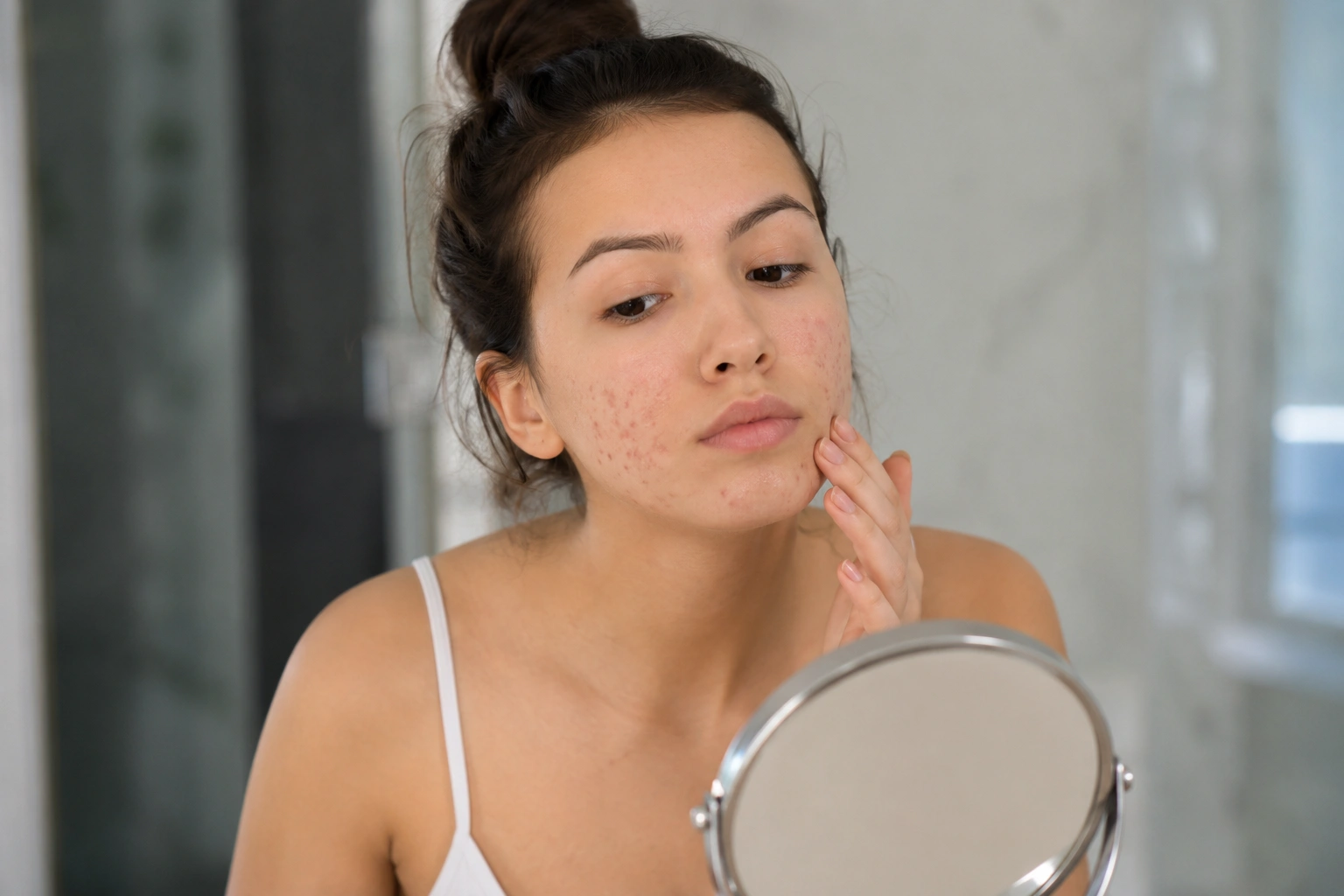
As a college student, I know skincare is not just about buying the most popular brand on the shelf. It is about finding something that works, does not irritate my skin, and still fits into a realistic student budget.
When I compare La Roche-Posay and Neutrogena for acne-prone skin, I do not think there is one perfect answer for everyone.
La Roche-Posay may be the better choice if my skin is sensitive, easily irritated, oily, or prone to post-acne marks. Its Effaclar range is often linked with blemish-prone skin, oily skin, skin comfort, and barrier-friendly care.
Neutrogena may be better if I want a more affordable and straightforward routine, especially if I am mainly looking for salicylic acid products to help with clogged pores and everyday spots.
The main thing I need to remember is this:
the best acne skincare brand is not always the most expensive one. It is the one I can use consistently without making my skin worse.
| Main Concern | Better Option | Why It May Suit Me |
|---|---|---|
| Sensitive Acne-Prone Skin | La Roche-Posay | It may feel gentler and more skin-barrier focused |
| Student Budget | Neutrogena | It is usually easier to buy at a lower price point |
| Blackheads And Clogged Pores | Both | Both offer options linked with salicylic acid |
| Post-Acne Marks | La Roche-Posay | Effaclar Duo+M focuses on blemishes, marks, and uneven-looking skin |
| Simple Daily Routine | Neutrogena | Clear & Defend is easy to understand and use |
For me, the decision comes down to my skin type, my budget, how severe my acne is, and whether I can keep the routine simple enough to follow during busy college weeks.
Is La Roche-Posay Better For Sensitive Acne-Prone Skin?
La Roche-Posay may be a stronger choice for sensitive acne-prone skin because the brand is often positioned around dermatologist-tested skincare, sensitive skin, and products that support comfort while targeting blemishes.
If my skin reacts quickly to harsh cleansers, strong exfoliants, fragrance, or too many active ingredients, I would be more cautious with acne products and choose something that feels balanced.
For acne-prone skin, the Effaclar range is the main La Roche-Posay line I would look at. It is aimed at oily, blemish-prone, and imperfection-prone skin. This matters because many students do not only deal with spots.
I may also deal with redness, dryness, sensitivity, post-acne marks, and a damaged skin barrier from trying too many products.
Why The Effaclar Range Suits Oily And Blemish-Prone Skin?
The Effaclar range is designed for people who struggle with oiliness, breakouts, blemishes, clogged pores, and uneven texture. Some products focus more on cleansing, while others focus on blemishes and post-acne marks.
For example, Effaclar Purifying Cleansing Gel is a popular option for oily and blemish-prone skin. However, it is important to understand that not every acne-focused cleanser contains salicylic acid.
The Effaclar Purifying Cleansing Gel does not contain salicylic acid, while Effaclar Micro-Peeling Gel Cleanser contains 2% salicylic acid and is more targeted towards stubborn imperfections.
This difference matters because I should not assume every cleanser from an acne range works in the same way.
How La Roche-Posay May Help With Post-Acne Marks And Skin Comfort?
Post-acne marks can be frustrating because even after a spot goes down, the mark can stay for weeks or months.
La Roche-Posay Effaclar Duo+M is positioned towards blemishes, marks, and skin appearance, which may make it more suitable if I am worried about uneven-looking skin after breakouts.
A UK community pharmacist might explain this clearly:
“I usually tell students not to choose acne skincare only by the strongest active ingredient. I look at whether their skin is sore, tight, peeling, or inflamed first, because irritated skin often breaks out more easily when the barrier is struggling.”
That advice makes sense to me as a student because it is easy to panic-buy strong acne products. But if my skin is already irritated, using too many actives could make it feel worse.
A few signs that La Roche-Posay may suit me better include:
- My skin stings or burns easily after cleansing
- I get breakouts and redness together
- My acne leaves visible marks
- I want a more skin-comfort focused routine
- I prefer a pharmacy-style skincare brand
Is Neutrogena Better For A Student Skincare Budget?
Neutrogena may be the better option if my biggest concern is budget.As a college student, I may not want to spend a lot on every part of my skincare routine.
I might need a cleanser, moisturiser, sunscreen, and possibly a spot product, so cost can build up quickly.
The Neutrogena Clear & Defend range is aimed at spot-prone skin and is known for simple products that are easy to fit into a daily routine.
The range often focuses on salicylic acid, which is commonly used in products for oily skin, clogged pores, blackheads, and breakouts.
Why Clear & Defend Is Simple For Everyday Use?
Neutrogena Clear & Defend is a practical range if I want something easy to understand.
I do not need a complicated ten-step routine. I need products that help cleanse my skin, manage oil, and reduce the chance of clogged pores without taking too much time in the morning or evening.
A simple Neutrogena routine may suit me if:
- I want acne skincare that is easy to find in UK shops
- I prefer a lower-cost routine
- I mainly deal with small spots, blackheads, or clogged pores
- I want salicylic acid in a cleanser or targeted product
- I do not want to spend too long researching ingredients
How Salicylic Acid Helps With Clogged Pores And Spots?
Salicylic acid is commonly used in acne-prone skincare because it can help exfoliate inside the pores and reduce build-up that may contribute to blackheads and whiteheads.
Neutrogena’s Clear & Defend 2% Salicylic Acid Face Wash is designed for spot-prone skin and aims to help cleanse the skin while supporting breakout prevention.
Neutrogena also has targeted options such as SOS Gel with 0.5% salicylic acid, which is designed for individual spots. This may appeal to me if I want a focused product rather than applying strong ingredients all over my face.
| Neutrogena Option | Main Purpose | Student-Friendly Benefit |
|---|---|---|
| Clear & Defend Face Wash | Cleansing spot-prone skin | Simple daily step |
| 2% Salicylic Acid Face Wash | Clogged pores and breakouts | Useful for oily, spot-prone skin |
| SOS Gel | Targeted spot care | Can be used on specific blemishes |
| Clear & Defend Moisturiser | Lightweight hydration | Helps keep routine simple |
For a student routine, Neutrogena may feel more affordable and less complicated. However, I still need to avoid overusing salicylic acid, especially if my skin becomes dry, tight, or flaky.
Which Brand Is Better For Blackheads, Whiteheads And Clogged Pores?
For blackheads, whiteheads, and clogged pores, both La Roche-Posay and Neutrogena can be useful, but the product choice matters more than the brand name.
If I want salicylic acid, I need to check the actual product rather than assuming the whole range contains it.
Neutrogena Clear & Defend is strongly associated with salicylic acid products, while La Roche-Posay has some Effaclar products that do not contain salicylic acid and others that do, such as Effaclar Micro-Peeling Gel Cleanser.
For blackheads and clogged pores, I would look for:
- A gentle cleanser that does not strip my skin
- A salicylic acid product if my skin can tolerate it
- A light, non-comedogenic moisturiser
- Sunscreen during the day
- A routine I can follow consistently
I would not use multiple exfoliating products at once. For example, using a salicylic acid cleanser, a peeling toner, and a strong spot gel in the same routine may be too much for my skin.
What Is The Difference Between La Roche-Posay Effaclar And Neutrogena Clear & Defend?
La Roche-Posay Effaclar feels more targeted towards oily, blemish-prone, sensitive, and mark-prone skin. Neutrogena Clear & Defend feels more focused on affordable, straightforward spot care, especially with salicylic acid.
Product Comparison Table For Student Acne-Prone Skin
| Feature | La Roche-Posay Effaclar | Neutrogena Clear & Defend |
|---|---|---|
| Main Positioning | Oily, blemish-prone, sensitive skin | Spot-prone and breakout-prone skin |
| Budget Level | Usually more expensive | Usually more affordable |
| Key Appeal | Skin comfort, blemishes, post-acne marks | Simple salicylic acid-based routine |
| Good For | Sensitive skin, marks, irritation-prone breakouts | Oily skin, clogged pores, student budgets |
| Routine Style | More tailored | More straightforward |
| Best Student Match | Someone who wants gentler pharmacy-style care | Someone who wants simple acne care at a lower cost |
I would choose La Roche-Posay if I wanted a more skin-barrier conscious approach. I would choose Neutrogena if I wanted a simple and affordable routine that focuses on salicylic acid.
Can La Roche-Posay Or Neutrogena Treat Acne Completely?
La Roche-Posay and Neutrogena can help support acne-prone skin, but they may not treat acne completely, especially if my acne is moderate, severe, painful, cystic, or leaving scars. This is where I need to separate cosmetic skincare from acne treatment.
Skincare can help with oiliness, clogged pores, mild spots, and skin comfort.
But acne can be a medical skin condition. If my breakouts are persistent or painful, I should not rely only on face washes and moisturisers.
Why Cosmetic Skincare May Not Be Enough For Painful Or Cystic Acne?
If I have deep, painful spots under the skin, frequent inflamed breakouts, or scarring, I may need advice from a pharmacist or GP.
The NHS notes that acne treatment may include options such as topical treatments, including benzoyl peroxide, which can help reduce acne bacteria, whiteheads, blackheads, and inflammation.
However, benzoyl peroxide can also irritate the skin if overused, so it should be used carefully.
NHS-Backed Acne Treatment Note
The NHS explains that benzoyl peroxide is commonly used for acne and may help reduce bacteria and inflammation, but it can cause dryness, peeling, burning, or irritation.
This is important because I should not keep adding stronger products without understanding what my skin actually needs.
Another community skin specialist could put it simply:
“When a student tells me they have tried three cleansers and still have painful acne, I do not just recommend another face wash. I usually suggest they speak to a pharmacist or GP, because persistent acne may need proper treatment rather than more cosmetic products.”
That is a useful reminder. If my acne is affecting my confidence, sleep, social life, or mental health, it is not vain to ask for help.
What Simple Skincare Routine Should I Follow As A College Student?
As a student, I would keep my skincare routine simple. I do not need a shelf full of products. I need a routine I can follow before lectures, after late study sessions, and during stressful exam periods.
Morning And Evening Skincare Routine Table
| Morning Routine | Evening Routine |
|---|---|
| Gentle cleanser | Gentle cleanser |
| Light moisturiser | Salicylic acid product, if tolerated |
| Sunscreen | Moisturiser |
| Avoid picking spots | Use spot treatment only where needed |
If I choose La Roche-Posay, I may start with a gentle Effaclar cleanser and a light corrective moisturiser. If I choose Neutrogena, I may start with a Clear & Defend face wash or moisturiser, especially if I want a basic salicylic acid routine.
The most important rule is not to start everything at once. If I introduce too many new products together, I will not know which one helped or which one caused irritation.
A practical student routine could look like this:
| Skin Type | Morning | Evening |
|---|---|---|
| Oily And Spot-Prone | Cleanser, light moisturiser, sunscreen | Cleanser, salicylic acid product, moisturiser |
| Sensitive And Acne-Prone | Gentle cleanser, moisturiser, sunscreen | Gentle cleanser, barrier-friendly moisturiser |
| Marks After Breakouts | Cleanser, moisturiser, sunscreen | Cleanser, corrective moisturiser, moisturiser if needed |
| Dry But Acne-Prone | Gentle cleanser or rinse, moisturiser, sunscreen | Gentle cleanser, treatment only if tolerated, moisturiser |
Sunscreen matters because some acne products can make my skin more sensitive to sunlight, and post-acne marks may look worse when I skip SPF.
Which Brand Should I Use If My Acne-Prone Skin Gets Irritated Easily?
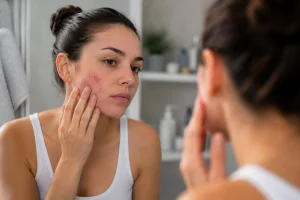
If my acne-prone skin gets irritated easily, I would lean towards La Roche-Posay, especially if I want a routine that feels more focused on skin comfort.
Sensitive acne-prone skin can be tricky because strong acne ingredients may dry out the skin and cause more redness.
I would avoid harsh scrubs, strong fragrance, and using too many active ingredients at once.
I would also avoid switching products every few days because acne skincare usually needs consistency.
For irritated acne-prone skin, I would focus on:
- A gentle cleanser
- A moisturiser that does not clog pores
- Sunscreen in the morning
- One acne-focused active at a time
- A slow approach when introducing new products
La Roche-Posay may suit me better if my skin barrier feels damaged. But even then, I would patch test and introduce products slowly.
Which Brand Should I Choose If I Want Affordable Acne Care?
If affordability is the main priority, I would choose Neutrogena. For many UK students, Neutrogena is easier to buy at a lower price point and may be available in supermarkets, high street shops, and online retailers.
This does not mean Neutrogena is automatically weaker. It means the brand may be more practical for a student who wants a simple routine without spending too much. A product does not need to be expensive to be useful.
However, I would still avoid buying too many products from the same range just because they are affordable. A low-cost routine can become expensive if I keep adding cleansers, scrubs, toners, masks, gels, and treatments.
A sensible affordable routine could include:
- One cleanser
- One moisturiser
- One sunscreen
- One treatment product if needed
That is usually enough to start.
How Do I Decide Between La Roche-Posay And Neutrogena Without Wasting Money?
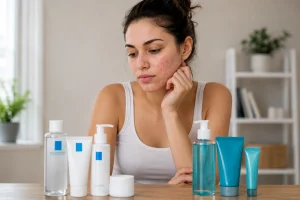
To avoid wasting money, I would not buy a full routine from either brand straight away. I would start with one or two products and watch how my skin responds over several weeks.
The decision becomes easier when I match the product to my skin concern.
| My Situation | Better Starting Point | Why |
|---|---|---|
| I Have Sensitive Skin And Marks | La Roche-Posay | More suitable for comfort and post-acne mark concerns |
| I Have Oily Skin And Blackheads | Neutrogena Or La Roche-Posay Salicylic Acid Option | Both may help depending on the exact product |
| I Have A Tight Student Budget | Neutrogena | Lower-cost routine is easier to maintain |
| I Have Painful Or Cystic Acne | Pharmacist Or GP Advice | Skincare alone may not be enough |
| I Have Mild Breakouts | Either Brand | Consistency matters more than brand name |
I would also check ingredient lists before buying. Some products may contain ingredients that suit oily skin, while others may be too drying for me. If my skin becomes red, sore, flaky, or tight, I would reduce how often I use active products.
Conclusion
My final verdict is that La Roche-Posay is not automatically better than Neutrogena, but it may be the better choice for sensitive, irritated, or mark-prone acne-prone skin.
Neutrogena may be the smarter choice if I want an affordable, simple, salicylic acid-focused routine that fits student life.
If my skin is easily irritated, I would probably start with La Roche-Posay.
If my budget is tight and my acne is mild, I would probably start with Neutrogena. If my acne is painful, cystic, spreading, or leaving scars, I would not rely only on skincare. I would speak to a pharmacist or GP.
The best routine is not the one with the most products. It is the one I can follow consistently without damaging my skin barrier.
FAQs
Is La Roche-Posay Good For Acne-Prone Skin?
Yes, La Roche-Posay can be good for acne-prone skin, especially if the skin is oily, sensitive, blemish-prone, or affected by post-acne marks.
The Effaclar range is the main line I would look at, but I would still choose products based on my exact skin concern.
Is Neutrogena Good For Spot-Prone Skin?
Yes, Neutrogena can be good for spot-prone skin, especially for students who want affordable and simple products. Its Clear & Defend range is designed for breakout-prone skin and includes salicylic acid options.
Can I Use La Roche-Posay And Neutrogena Together?
I can use products from both brands, but I should avoid layering too many active ingredients. For example, I would be careful about using multiple salicylic acid products in the same routine because this may cause dryness or irritation.
Is Salicylic Acid Suitable For Daily Use?
Salicylic acid may be suitable for regular use, but it depends on my skin tolerance and the product strength. If my skin becomes dry, tight, red, or flaky, I would use it less often or switch to a gentler routine.
Which Is Better For Sensitive Skin, La Roche-Posay Or Neutrogena?
La Roche-Posay may be better for sensitive acne-prone skin because it is often positioned around sensitive skin and skin comfort. However, the exact product still matters, and some people may tolerate Neutrogena well.
Should I Use Moisturiser If I Have Oily Acne-Prone Skin?
Yes, I should still use moisturiser even if my skin is oily. Skipping moisturiser can make the skin feel stripped, especially when using acne products. A light, non-comedogenic moisturiser is usually a better option.
When Should I See A GP Or Pharmacist For Acne?
I should speak to a pharmacist or GP if my acne is painful, cystic, leaving scars, affecting my confidence, or not improving after several weeks of consistent skincare. Acne sometimes needs medical treatment rather than only cosmetic skincare.

Leave a Reply