
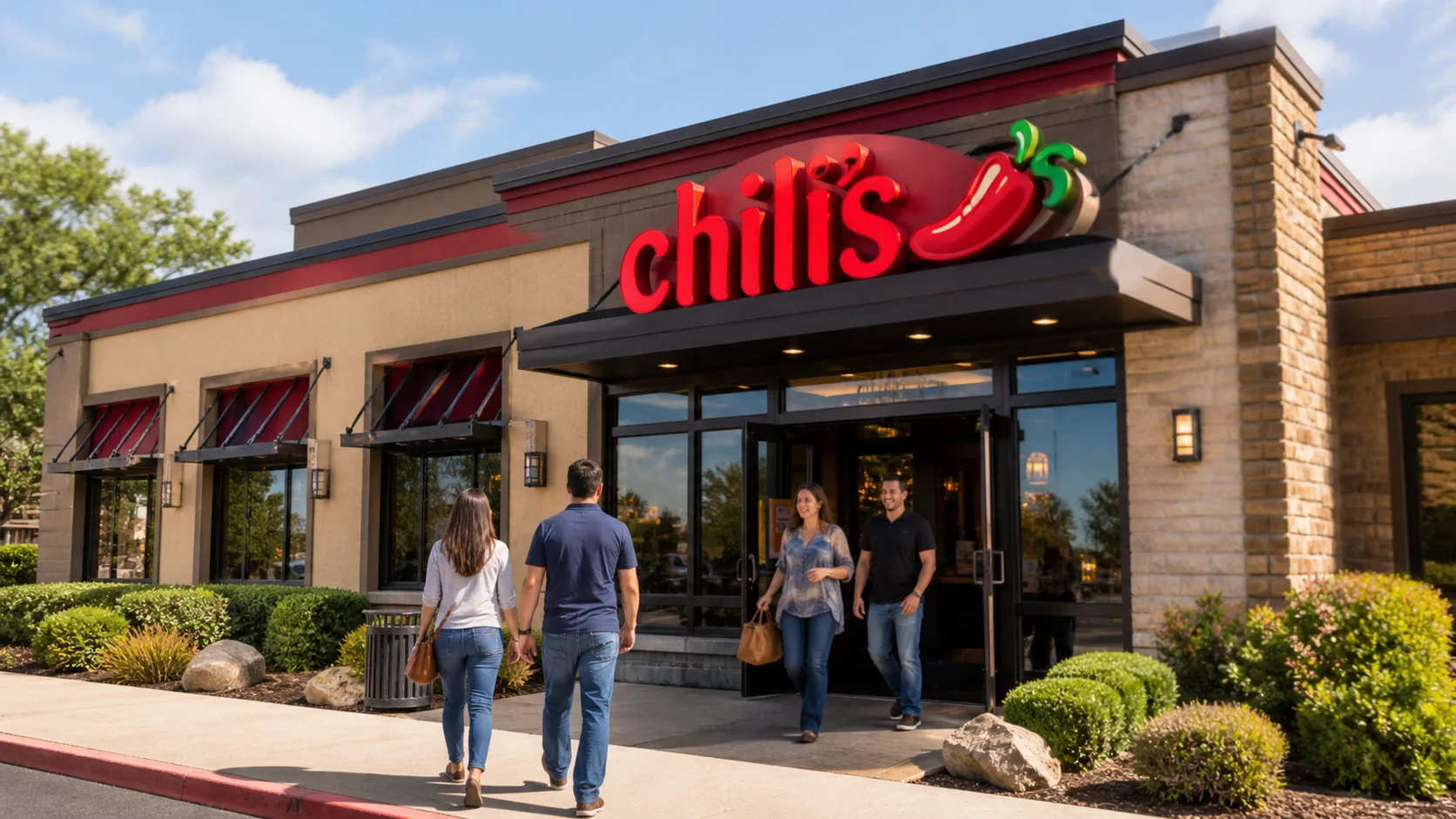
Chili’s is not going out of business in 2026. Despite ongoing rumours, the restaurant chain continues to operate under Brinker International with a stable presence and active strategy for growth.
The confusion largely stems from selective restaurant closures and wider challenges in the casual dining sector, rather than an actual shutdown.
Chili’s is adapting through menu changes, digital expansion, and operational improvements to stay competitive in a changing market.
Key takeaways:
- Chili’s remains operational and financially stable
- Closure rumours are driven by misinformation and isolated cases
- Some locations are closing as part of normal business strategy
- The casual dining industry is facing economic and consumer shifts
- Chili’s is investing in technology and menu innovation
- The brand is focusing on long term sustainability and efficiency
What Is the Current Status of Chili’s in 2026?
Chili’s continues to operate as an established casual dining brand in 2026, and there is no confirmed evidence suggesting that it is going out of business.
The company remains active under its parent organisation, Brinker International, and maintains a strong presence across the United States and international markets.
While public perception may suggest instability due to scattered closures, the broader operational picture shows a functioning and adaptive business.
The brand has gone through adjustments in response to shifting market conditions. These include optimising restaurant performance, refining menus, and investing in digital capabilities.
These changes are not signs of collapse but reflect a strategic effort to remain competitive in a rapidly evolving industry.
Chili’s current position can be better understood by looking at a snapshot of its operational status:
Factor Status in 2026
Overall business status Active and operating
Parent company Brinker International
Global presence Hundreds of locations
Business strategy Optimisation and digital expansion
Closure activity Selective and strategic
In practical terms, the brand is neither shrinking uncontrollably nor expanding aggressively. Instead, it is stabilising its position by focusing on efficiency and customer demand.
This balanced approach helps explain why rumours about closure do not align with actual business performance.
Where Did the Rumours About Chili’s Closing Come From?
The idea that Chili’s might be going out of business has gained traction largely due to how information spreads in the digital age.
Social media platforms often amplify incomplete or misleading narratives, particularly when they relate to well-known brands.
Many of these rumours can be traced back to isolated reports of restaurant closures. When a few locations shut down, especially in visible or high traffic areas, it creates a perception that the entire chain is struggling. This perception is then reinforced when users share posts without context.
Another contributing factor is the broader trend of restaurant industry challenges. Over the past few years, several casual dining brands have downsized or restructured. This has made consumers more likely to assume that similar brands are facing the same fate.
A digital media analyst explained this clearly:
“I have seen how quickly a single headline can turn into a widespread belief. People rarely check whether the closure is local or company wide. Once the idea spreads, it becomes difficult to correct.”
Key drivers behind these rumours include:
- Misinterpretation of local restaurant closures
- Viral social media posts lacking context
- General decline narratives surrounding casual dining
- Confusion with other struggling restaurant brands
These elements combine to create a narrative that feels convincing but lacks factual grounding. Understanding the origin of these rumours helps separate perception from reality.
How Is Chili’s Performing Financially in Recent Years?
Financial performance is one of the most reliable indicators of whether a company is at risk of going out of business. In the case of Chili’s, the data shows a mixed but stable picture rather than a decline towards closure.
Revenue Trends and Profitability
Chili’s revenue has experienced fluctuations due to external pressures such as inflation, supply chain disruptions, and changing consumer habits. However, the brand has maintained a consistent level of income through diversified sales channels.
A significant shift has been the growth of off-premise dining, including takeaway and delivery services. This transition has allowed Chili’s to offset declines in traditional dine-in traffic.
The following table illustrates general revenue influences:
Revenue Driver Impact on Chili’s Performance
Dine in sales Moderate decline in some regions
Takeaway and delivery Strong growth
Menu pricing adjustments Stabilised revenue streams
Promotional offers Increased customer retention
While profitability margins have been affected by rising costs, the business continues to generate revenue at a level that supports ongoing operations.
What Role Does Brinker International Play?
Brinker International plays a central role in guiding Chili’s through market changes. As the parent company, it is responsible for strategic decisions, financial management, and long-term planning.
Brinker has focused on several key areas:
- Streamlining operations to reduce unnecessary costs
- Investing in technology to improve efficiency
- Enhancing customer experience through menu and service improvements
A financial consultant shared insight into this approach:
“From my experience analysing restaurant groups, a company like Brinker does not wait for a crisis to act. They adjust early, close weaker units, and reinvest in stronger ones. That is exactly what is happening here.”
This proactive management style is a strong indicator that Chili’s is being positioned for sustainability rather than facing closure.
Are Chili’s Restaurants Actually Closing Locations?
It is accurate to say that some Chili’s locations have closed, but this is a normal part of operating a large restaurant chain. These closures are typically targeted and strategic rather than widespread or uncontrolled.
Restaurant chains regularly evaluate the performance of individual locations. If a particular outlet is not meeting financial expectations, it may be closed or relocated. This allows the company to allocate resources more effectively.
Why Do Some Chili’s Locations Shut Down?
There are several practical reasons why a Chili’s restaurant might close:
- Low customer traffic in specific areas
- High rental costs that reduce profitability
- Changing demographics or local demand
- Increased competition from nearby dining options
These closures are not unique to Chili’s. They occur across the entire restaurant industry as part of routine business management.
The distinction between selective closures and a full business shutdown is important. The former is a sign of adjustment, while the latter indicates financial distress. In Chili’s case, the evidence supports the idea of adjustment.
What Challenges Are Affecting the Casual Dining Industry in 2026?
The casual dining sector has faced increasing pressure from both economic and cultural shifts. These challenges have influenced how brands like Chili’s operate and adapt.
One of the most significant issues is rising operational costs. Food prices, labour wages, and energy expenses have all increased, reducing profit margins for restaurant operators.
At the same time, customers are becoming more cautious with spending, which affects dine-in traffic.
Consumer preferences are also evolving. Many diners now prioritise convenience, opting for takeaway or delivery instead of traditional restaurant experiences. This shift has created new competition from fast casual and delivery-focused brands.
The following table outlines key industry challenges and their effects:
Industry Challenge Effect on Casual Dining Brands
Inflation Higher menu prices and reduced margins
Labour shortages Staffing difficulties and higher wages
Delivery competition Reduced dine-in visits
Changing lifestyles Increased demand for convenience
Another challenge is brand perception. Some consumers view casual dining chains as outdated compared to newer concepts. This perception can influence customer choices, even if the quality of food and service remains strong.
Despite these challenges, many brands continue to adapt successfully by adjusting their business models.
How Is Chili’s Adapting to Stay Competitive?
Chili’s has implemented several strategies to remain relevant in a competitive market. These efforts focus on improving efficiency, enhancing customer experience, and embracing modern dining trends.
What Changes Have Been Made to the Menu and Pricing?
Menu innovation has been a key part of Chili’s strategy. The brand has introduced new items while simplifying its overall offerings to focus on popular choices. This helps improve kitchen efficiency and ensures consistent quality.
Pricing strategies have also been adjusted to reflect economic conditions. Value deals and promotions are used to attract cost-conscious customers while maintaining profitability.
A restaurant industry professional explained this shift:
“I have worked with chains that struggled because they tried to offer too much. Chili’s is taking a smarter approach by focusing on what sells and removing what does not.”
This targeted approach allows the brand to meet customer expectations without overcomplicating operations.
How Is Technology Supporting Chili’s Growth?
Technology has become an essential component of Chili’s business model. Digital ordering systems, mobile apps, and delivery partnerships have expanded access to customers and improved convenience.
The integration of technology also allows for better data analysis. By understanding customer preferences, the company can tailor its offerings and marketing strategies more effectively.
Here is a comparison of traditional and modern operational approaches:
Aspect Traditional Model Modern Chili’s Approach
Ordering method In restaurant only Online and mobile platforms
Customer engagement Limited interaction Data driven personalisation
Sales channels Dine in focused Multi-channel sales
Marketing strategy General advertising Targeted digital campaigns
These advancements have helped Chilli’s remain competitive despite industry challenges.
What Does the Future Hold for Chili’s?
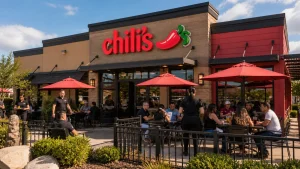
The future of Chili’s is likely to involve continued adaptation rather than dramatic expansion or contraction. The brand is expected to focus on strengthening its core operations while exploring opportunities for growth in specific areas.
Key priorities for the future include improving efficiency, enhancing digital capabilities, and maintaining a strong brand identity. Rather than aiming for rapid expansion, the company appears to be prioritising sustainable growth.
The outlook can be summarised as follows:
Future Focus Area Expected Direction
Restaurant footprint Optimised and balanced
Digital growth Continued expansion
Customer experience Enhanced through innovation
Market positioning Stable within the casual dining segment
A market strategist offered a practical perspective:
“In my view, the brands that survive are not the ones that expand the fastest but the ones that adapt the smartest. Chili’s is showing signs of careful, deliberate evolution.”
This measured approach reduces risk and increases the likelihood of long-term stability.
How Does Chili’s Compare to Other Casual Dining Chains in 2026?
To fully understand whether Chili’s is going out of business, it is important to compare its position with other casual dining brands operating in the same space. The challenges faced by Chili’s are not unique, and many competitors are navigating similar conditions.
Brands such as Applebee’s, TGI Fridays, and Buffalo Wild Wings have all experienced fluctuations in performance due to changing consumer habits and economic pressures.
Some have closed locations, while others have shifted their strategies to focus more on delivery and value-driven offerings.
Chili’s stands out in several ways, particularly in how it has balanced cost control with customer experience. While some competitors have struggled with consistency, Chili’s has focused on refining its core menu and improving operational efficiency.
The table below highlights a comparison of Chili’s with similar restaurant chains:
Brand Current Status in 2026 Key Strategy Focus Closure Activity
Chili’s Stable and adapting Efficiency and digital growth Selective closures
Applebee’s Stable with slower growth Franchise expansion Moderate closures
TGI Fridays Facing stronger challenges Restructuring and cost reduction Higher closures
Buffalo Wild Wings Growing in select markets Sports dining experience Limited closures
This comparison shows that Chili’s is not alone in adjusting its operations. In fact, it appears to be in a relatively stable position compared to some competitors that are facing more significant restructuring.
This broader context helps clarify that rumours about Chili’s going out of business are often influenced by general industry trends rather than brand-specific issues.
What Factors Could Impact Chili’s Business in the Coming Years?
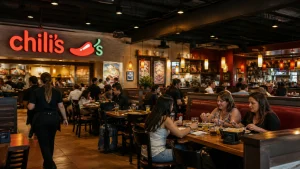
Although Chili’s is not going out of business in 2026, its future will still depend on how effectively it responds to ongoing and emerging challenges. The restaurant industry is highly dynamic, and even stable brands must continuously adapt.
One major factor is economic uncertainty. Changes in inflation rates, consumer spending, and employment levels can directly affect restaurant performance. If customers reduce discretionary spending, casual dining chains may see a decline in visits.
Another important factor is competition. The rise of fast casual restaurants and delivery-only kitchens has changed the landscape. These alternatives often offer lower prices and faster service, which can attract a different segment of customers.
Consumer expectations are also evolving. People now expect not only good food but also convenience, speed, and digital accessibility. Brands that fail to meet these expectations risk losing relevance.
The following table outlines key future risks and their potential impact:
Factor Potential Impact on Chili’s
Economic downturn Reduced customer spending
Increased competition Loss of market share
Rising operational costs Pressure on profit margins
Changing consumer trends Need for continuous adaptation
At the same time, there are opportunities that could support growth. Expanding digital services, improving customer engagement, and focusing on high-performing locations can strengthen the brand’s position.
These factors suggest that while Chili’s is not currently at risk of going out of business, its long-term success will depend on strategic decision-making and the ability to stay aligned with market trends.
Conclusion
Chili’s is not going out of business in 2026, despite ongoing speculation. While some locations have closed, the brand continues to operate successfully and adapt to changing market conditions.
The rumours are driven more by perception than reality. By focusing on innovation, efficiency, and customer preferences, Chili’s is positioning itself to remain a key player in the casual dining sector.
FAQs
Is Chili’s closing all its restaurants in 2026?
No, Chilli’s is not closing all its restaurants. Only select underperforming locations have been shut down as part of normal business strategy.
Why do people think Chili’s is going out of business?
This belief comes from social media rumours, news about isolated closures, and broader challenges in the restaurant industry.
Who owns Chili’s restaurant chain?
Chili’s is owned by Brinker International, a publicly traded company that manages its operations and growth strategy.
Are restaurant chains struggling in 2026?
Some restaurant chains are facing challenges due to rising costs and changing consumer behaviour, but many are adapting successfully.
Is Chili’s still profitable?
Chili’s continues to generate revenue and remains part of a financially stable parent company, although profits can fluctuate.
How many Chili’s locations are there?
Chili’s operates hundreds of locations globally, with the majority based in the United States.
Will Chili’s expand in the future?
The company is expected to focus on strategic growth, including digital expansion and strengthening existing locations.

Leave a Reply