

A midwife in the UK usually earns from around £25,655 as a newly qualified Band 5 NHS midwife, rising to around £39,027 at Band 6 and £45,839 at Band 7.
Senior consultant midwives can earn from around £54,764 to £65,664, depending on their NHS band and responsibilities.
For anyone asking how much does a midwife earn UK, the answer depends on experience, location, NHS pay band, and shift pattern.
Key takeaways:
- Newly qualified midwives usually start on NHS Band 5.
- Experienced midwives can progress to Band 6 and Band 7.
- London midwives may receive extra pay through London weighting.
- Scotland uses different NHS pay scale figures.
- Salary can increase with specialisation, leadership, and consultant roles.
How Much Does a Midwife Earn in the UK on Average?

A midwife in the UK can earn different amounts depending on their level of experience and workplace.
In the NHS, most newly qualified midwives begin on Band 5, while experienced midwives often move into Band 6 roles.
Senior midwives, team leaders, specialist midwives, and consultant midwives can earn more as they progress.
Based on the salary information provided, a midwife starting salary in the NHS can begin from around £25,655, while experienced midwives in higher bands can earn over £45,000.
Consultant midwives and senior clinical roles can move into Band 8b or Band 8c, where salaries can start from around £54,764 and £65,664 respectively.
The exact pay can vary depending on the current NHS pay scale, UK nation, London weighting, unsocial hours, and any additional responsibilities.
For anyone checking how much does a midwife earn UK, it is important to look at both base salary and additional NHS benefits.
How Does the NHS Midwife Salary Work in the UK?
NHS midwife salary is usually determined by the Agenda for Change pay system. This is the framework used for most NHS staff, including nurses, midwives, paramedics, healthcare assistants, and many allied health professionals.
Agenda for Change Pay Bands
The NHS uses pay bands to organise salaries by responsibility, skill level, and experience. Midwives commonly fall into these bands:
NHS Band Typical Midwife Level Salary Range Based on Provided Figures
Band 5 Newly qualified midwife £25,655 to £31,534
Band 6 Experienced midwife £32,306 to £39,027
Band 7 Senior or specialist midwife £40,057 to £45,839
Band 8b Consultant or advanced leadership role From £54,764
Band 8c Senior consultant or high-level leadership role From £65,664
These figures may change as NHS pay scales are updated, so applicants should always check the latest NHS salary scale before applying.
NHS Salary Progression by Experience
Midwives usually start at the lower point of their band and progress as they gain more experience. For example, a Band 5 midwife may begin on the starting salary and move upwards after several years of service.
A senior NHS midwife described the salary journey clearly:
“When I first qualified, I focused mainly on getting confident in the role rather than chasing higher pay. As my skills grew, moving into Band 6 felt like a natural step because I was taking on more responsibility with women, families, students, and junior colleagues.”
This shows that midwife earnings are not only about the starting salary. Career growth, specialist training, leadership responsibilities, and years of service can all improve income over time.
How Much Does a Newly Qualified Midwife Earn in the UK?

A newly qualified midwife in the UK usually starts on NHS Band 5. Based on the provided salary details, a Band 5 midwife salary begins at around £25,655 and can rise to around £31,534 with four or more years of experience.
Newly qualified midwives are responsible for delivering safe maternity care, but they are also supported by senior colleagues as they build confidence. They may work in labour wards, antenatal clinics, postnatal wards, birth centres, or community settings.
A Band 5 midwife may be involved in:
- Monitoring women throughout pregnancy
- Supporting women during labour and birth
- Providing antenatal and postnatal advice
- Assisting with screening tests and observations
- Supporting breastfeeding and newborn care
- Identifying risks and escalating concerns
For someone researching how much does a midwife earn UK, Band 5 is the usual starting point in the NHS.
How Much Does a Band 6 Midwife Earn in the UK?
A Band 6 midwife salary starts at around £32,306 and can rise to approximately £39,027 with five or more years of experience, based on the supplied figures.
Band 6 midwives are usually more experienced and may take on extra responsibilities. They may mentor newly qualified midwives, supervise students, manage more complex cases, or work in specialist maternity services.
Band 6 roles can include community midwife, labour ward coordinator support, specialist midwife, or experienced hospital-based midwife. This stage is often where midwives develop stronger clinical judgement and become more independent in their practice.
How Much Does a Band 7 Midwife Earn in the UK?

A Band 7 midwife salary can start at around £40,057 and progress to about £45,839 with five or more years of experience, according to the details provided.
Band 7 midwives often work in senior, specialist, or leadership roles. They may manage teams, oversee complex maternity cases, contribute to service improvement, or lead on areas such as safeguarding, diabetes in pregnancy, bereavement care, infant feeding, or public health.
A Band 7 role may suit midwives who want to combine clinical work with leadership, education, and service development.
How Much Can a Consultant Midwife Earn in the UK?
A consultant midwife salary in the UK can sit within Bands 8b to 8c. Based on the salary figures supplied, Band 8b starts from around £54,764, while Band 8c starts from around £65,664.
Consultant midwives usually have advanced clinical knowledge and leadership experience. Their role may include direct work with women and families, but they may also train junior staff, support research, improve maternity services, and advise on best practice.
This level is usually reached after many years of experience, additional training, and a strong record of clinical leadership.
How Much Does a Midwife Earn in London?

Midwives working in London can receive additional pay because of the higher cost of living. This is often referred to as London weighting or a London pay uplift.
Central London Pay Uplift
Midwives living and working in central London may be entitled to a 20% uplift on their pay. This means a midwife in London can earn more than a midwife on the same band working outside London.
For example, based on the supplied information, a newly qualified Band 5 midwife in central London could earn around £27,059.
Outer London and Fringe Zone Pay
Midwives working just outside central London may receive a 15% uplift, while those in the London fringe zone may receive a 5% uplift.
This means the answer to how much does a midwife earn UK can change significantly depending on location. A midwife working in London may earn more than a midwife in another region, even if both are on the same NHS band.
How Much Does a Midwife Earn in Scotland?
The Agenda for Change pay scales in Scotland can differ from those used in England. Based on the information provided:
- Band 5 midwives in Scotland may start at around £26,104
- Band 6 midwives may start at around £33,072
- Band 7 midwives may start at around £40,872
This means midwife salary in Scotland may not always match the same band in England, Wales, or Northern Ireland. Anyone applying for jobs should check the relevant NHS Scotland pay scales and the job advert carefully.
What Factors Affect a Midwife’s Salary in the UK?

Several factors can affect a midwife’s earnings in the UK. The main one is the NHS band, but it is not the only consideration.
A midwife’s salary may depend on:
- NHS band and years of experience
- Location, especially London weighting
- Nation within the UK, such as England or Scotland
- Shift patterns, including nights and weekends
- Specialist training or advanced responsibilities
- Public sector or private healthcare employment
- Leadership, management, or consultant-level roles
A maternity recruitment adviser explained it simply:
“I often tell applicants not to look at salary in isolation. Two midwives may have the same basic band, but their total package can feel different once location, unsocial hours, pension, annual leave, and career progression are considered.”
This is important because NHS employment often includes benefits beyond the monthly salary, such as pension contributions, paid leave, and training opportunities.
What Does a Midwife Do in the UK?
Midwives are trained healthcare professionals who care for women and babies during pregnancy, labour, birth, and the postnatal period. They support normal pregnancy and birth, identify risks, and refer to obstetricians or other specialists if complications arise.
Midwives are responsible for both the mother and baby’s wellbeing. They offer clinical care, emotional support, health education, and practical guidance.
Pregnancy and Antenatal Care
During pregnancy, midwives monitor the health of the mother and baby. They may carry out observations, arrange screening tests, provide advice, and help women understand their care options.
A midwife may support women with:
- Antenatal appointments
- Screening and routine checks
- Birth planning
- Healthy pregnancy advice
- Mental health and emotional wellbeing
- Referrals for high-risk pregnancy
They also help women make informed choices about the care and services they receive.
Labour, Birth, and Postnatal Support
During labour, midwives monitor the progress of birth, support pain relief choices, observe the baby’s condition, and provide reassurance. After birth, they help with feeding, recovery, newborn checks, and early parenting advice.
Midwives may also support families through difficult experiences such as miscarriage, stillbirth, neonatal complications, terminations, and neonatal death. This makes the role emotionally demanding as well as clinically important.
What Qualifications Are Needed to Become a Midwife in the UK?

To become a midwife in the UK, a person usually needs to complete an approved midwifery degree, postgraduate qualification, diploma, or midwifery degree apprenticeship.
Entry requirements can vary between universities, but applicants commonly need:
- Five GCSEs at grades 9 to 4, or A* to C, including English and a science subject
- Two or three A-levels, or equivalent qualifications
- A strong interest in maternity care, health, and supporting families
After qualifying, midwives must register with the Nursing and Midwifery Council. Registration must be renewed every three years through revalidation.
To renew registration, midwives need to show that they have remained up to date professionally. This can include continuing professional development, reflective practice, training, workshops, conferences, and evidence of safe practice.
What Benefits Do Midwives Receive in the NHS?
NHS midwives can receive a range of employment benefits in addition to salary. These benefits can make the overall package more attractive, especially for those planning a long-term healthcare career.
Typical NHS benefits may include:
- NHS pension
- Paid annual leave
- Bank holiday entitlement
- Maternity and paternity leave
- Study leave and training support
- NHS staff discounts
- Career development opportunities
Midwives may initially receive around 27 days of annual leave plus bank holidays, with entitlement increasing after longer NHS service. After five years, annual leave may increase to around 29 days, and after ten years, it may rise to around 33 days.
What Are the Working Hours Like for Midwives in the UK?

Midwives usually work around 37.5 hours per week in the NHS. However, the role often involves shift work because maternity services operate 24 hours a day.
Midwife working hours may include:
- Early starts
- Late shifts
- Night shifts
- Weekends
- Bank holidays
- On-call duties
Community midwives and independent midwives may also be part of an on-call rota. In some roles, they may need to respond to urgent maternity needs outside standard working hours.
The working pattern can be demanding, but it can also offer variety. No two shifts are exactly the same, and midwives often work across different maternity settings.
How Can a Midwife Increase Their Earnings in the UK?
A midwife can increase earnings by gaining experience, moving into higher NHS bands, developing specialist skills, or taking on leadership responsibilities.
Common ways to increase a midwife salary in the UK include:
- Progressing from Band 5 to Band 6
- Applying for Band 7 specialist or senior roles
- Moving into consultant midwife positions
- Taking on management responsibilities
- Working in London with pay uplift
- Gaining specialist training
- Working unsocial hours where enhancements apply
- Exploring private healthcare roles
Specialist areas may include perinatal mental health, safeguarding, infant feeding, diabetes, bereavement care, public health, teenage pregnancy, home birth services, or high-risk pregnancy support.
Is Midwifery a Good Career Choice in the UK?
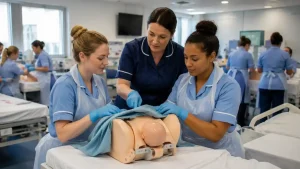
Midwifery can be a rewarding career for people who want to support women, babies, and families during one of the most important stages of life. It offers strong purpose, professional respect, career progression, and the chance to work in different settings.
However, it is also a demanding profession. Midwives may work long shifts, handle emergency situations, manage emotional pressure, and support families through both joyful and difficult experiences.
For those asking how much does a midwife earn UK, salary is only one part of the decision. The role requires compassion, resilience, communication skills, clinical knowledge, and the ability to stay calm under pressure.
What Is the Future Career Progression for Midwives?
Midwives have several options for career progression. After gaining experience, they may move into senior clinical roles, management, education, research, or consultancy.
Possible career routes include:
- Senior midwife
- Specialist midwife
- Labour ward coordinator
- Community midwife team leader
- Consultant midwife
- Head of midwifery services
- Midwifery lecturer
- Clinical educator
- Maternity service manager
Some midwives choose to remain in direct clinical care, while others move into leadership, policy, research, or education. With the right experience and further training, the profession offers long-term growth.
Conclusion: How Much Does a Midwife Earn in the UK?
So, how much does a midwife earn UK? A newly qualified NHS midwife usually starts at Band 5, with the supplied figures showing a salary from around £25,655.
With experience, midwives can progress to Band 6, where pay can rise to around £39,027, and Band 7, where salaries can reach around £45,839.
Senior consultant midwife roles can move into Bands 8b and 8c, with salaries starting from around £54,764 and £65,664 respectively. London-based midwives may also receive extra pay through London weighting, while Scotland has its own Agenda for Change pay scales.
Midwifery is not only about salary. It is a skilled, responsible, and meaningful healthcare profession with strong career progression, NHS benefits, training opportunities, and the chance to make a real difference to women, babies, and families.
FAQs
Do midwives earn more in private healthcare than in the NHS?
Some private midwives may earn more, but NHS roles often include strong benefits such as pension, paid leave, training support, and career progression.
Is a midwife salary higher than a nurse salary in the UK?
Midwives and nurses are usually paid through NHS Agenda for Change bands, so salaries can be similar at the same band level.
How long does it take to become a qualified midwife in the UK?
A full-time undergraduate midwifery degree usually takes around three years to complete in the UK.
Do midwives get paid extra for night shifts and weekends?
NHS midwives may receive additional pay for nights, weekends, and bank holidays depending on their contract and shift pattern.
Can a midwife become a consultant midwife?
Yes, experienced midwives can progress into consultant roles with advanced clinical skills, leadership experience, and further training.
Do student midwives get paid while training?
Student midwives are not usually paid a full salary, but they may access student finance, grants, or apprenticeship-based paid routes.
Can midwives increase their salary over time?
Yes, midwives can increase earnings by progressing from Band 5 to higher NHS bands, specialising, taking leadership roles, or working in London.

Leave a Reply