
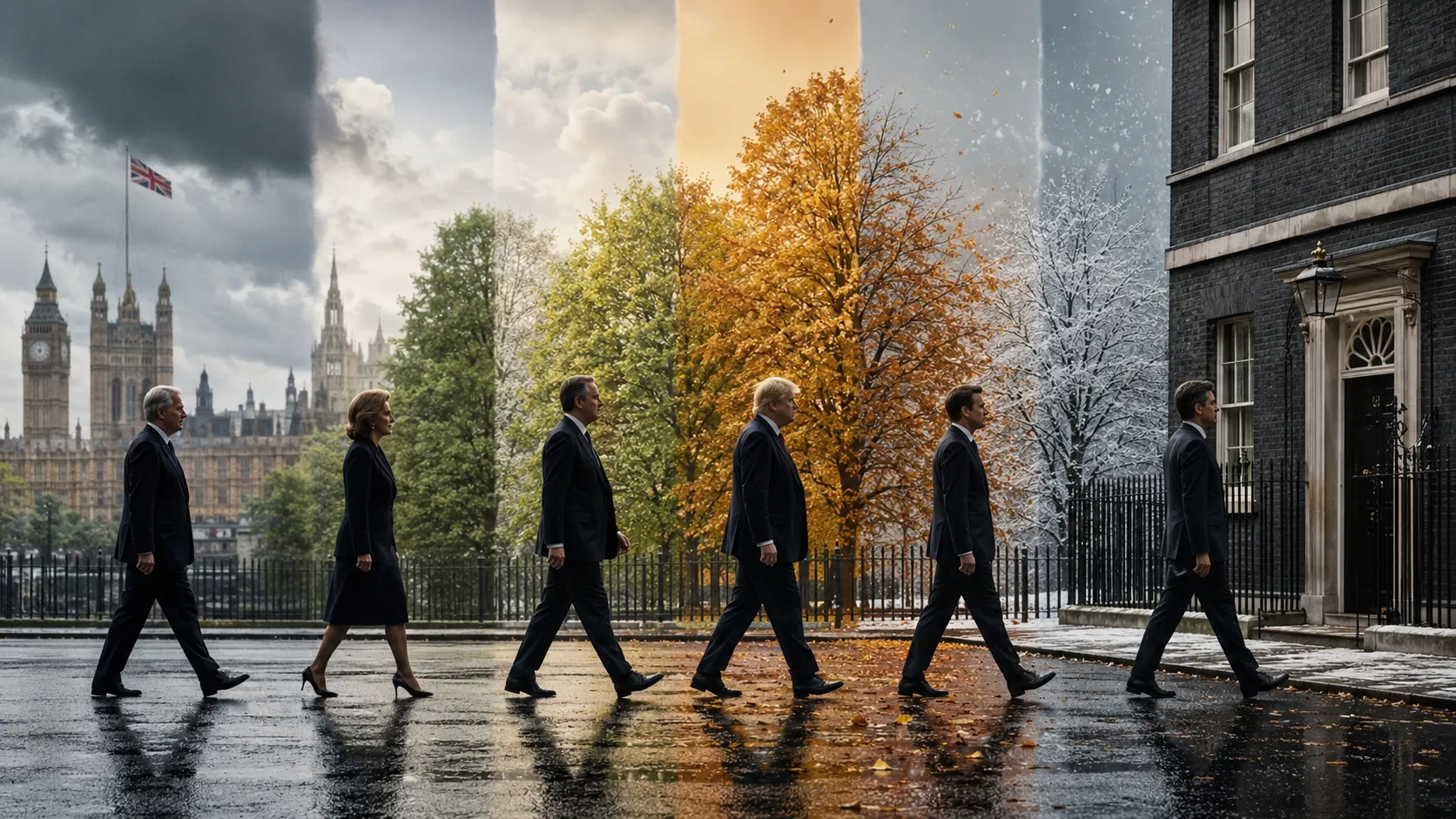
The UK has had six prime ministers in the last 10 years, a level of political turnover that has attracted significant attention from political analysts, historians and voters alike.
Based on official government records and widely reported political events, the period from 2016 onwards has been marked by leadership changes driven by Brexit, economic pressures, party challenges and general elections.
Key facts include:
- Six different prime ministers have led the UK during the past decade.
- Five of those leaders served after the 2016 Brexit referendum.
- Three prime ministers held office during 2022 alone.
- The period includes the shortest premiership in British history.
- Leadership changes affected government priorities, economic policy and public confidence.
Understanding how and why these changes occurred provides important context for modern British politics and the UK’s evolving political landscape.
What Is the Overview of UK Prime Ministers in the Last Decade?
The direct answer is that six prime ministers have served the United Kingdom during the last decade:
Prime Minister Period in Office
David Cameron Until July 2016
Theresa May 2016–2019
Boris Johnson 2019–2022
Liz Truss 2022
Rishi Sunak 2022–2024
Keir Starmer 2024–Present (at the time of writing)
This level of leadership turnover is unusual by UK standards. In fact, Britain experienced the same number of prime ministers in the decade after Brexit as it did during much of the previous four decades combined.
The Brexit referendum is widely regarded as the turning point that accelerated political change across Westminster.
Who Were the Six UK Prime Ministers Serving During the Last Decade?
1. David Cameron
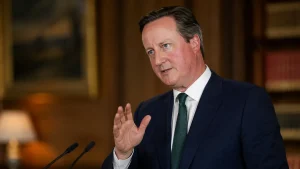
David Cameron entered office in 2010 and led the country through economic recovery efforts following the global financial crisis. However, his decision to hold the 2016 Brexit referendum ultimately defined his legacy.
After voters chose to leave the European Union, Cameron announced his resignation.
In his statement outside Downing Street, he said, “The British people have made a very clear decision to take a different path.” That moment marked the beginning of a new political era.
2. Theresa May
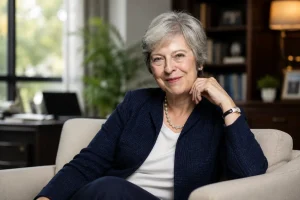
Theresa May inherited the difficult task of delivering Brexit while attempting to unite a deeply divided Parliament.
Her government repeatedly struggled to secure approval for Brexit agreements.
As pressure mounted, May announced her departure in 2019, telling the country, “I have done my best.” The brief but emotional statement reflected the challenges she faced during one of the most complicated periods in modern British politics.
3. Boris Johnson
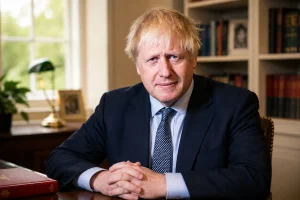
Boris Johnson won a large parliamentary majority in 2019 after campaigning on a promise to “Get Brexit Done.”
His government formally completed the UK’s departure from the EU, but his premiership later became overshadowed by controversies and internal party disputes.
Upon announcing his resignation, Johnson delivered one of the most memorable political sign-offs in recent history: “Hasta la vista, baby.”
4. Liz Truss
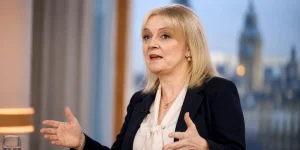
Liz Truss became prime minister in September 2022 but served for only 49 days, making her the shortest-serving prime minister in British history.
Following market turmoil linked to her government’s economic plans, Truss resigned. She acknowledged the situation directly, stating: “I cannot deliver the mandate on which I was elected by the Conservative Party.”
5. Rishi Sunak
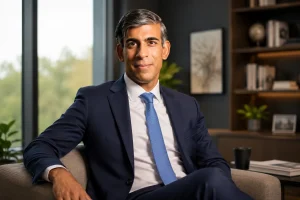
Rishi Sunak took office in October 2022 with a pledge to restore economic confidence and political stability.
In his first address as prime minister, he told the nation that the government would place “economic stability and confidence” at the heart of its agenda. His administration focused heavily on inflation, public finances and international crises.
6. Keir Starmer
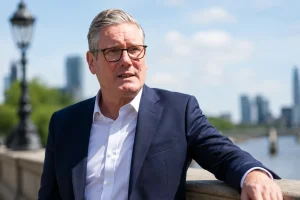
Keir Starmer became prime minister following Labour’s victory in the 2024 general election.
Throughout the campaign, he repeatedly emphasised his goal to “rebuild Britain” and restore trust in government. His election marked the return of Labour to power after 14 years in opposition.
Why Has the UK Seen So Many Prime Ministers in Such a Short Time?
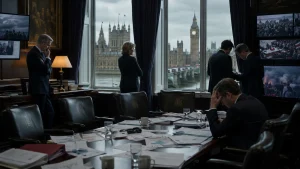
Several major events combined to create exceptional political instability.
Unlike presidential systems, the UK can change prime ministers without holding a national election if the governing party chooses a new leader.
This means leadership contests can quickly produce a new prime minister whenever confidence in an existing leader collapses.
Key Political Events That Triggered Leadership Changes
Each leadership change was linked to a specific political crisis:
- Brexit referendum and David Cameron’s resignation.
- Parliamentary deadlock during Theresa May’s premiership.
- Internal Conservative Party rebellion against Boris Johnson.
- Financial market reaction to Liz Truss’s economic plans.
- Conservative election defeat ending Rishi Sunak’s government.
- Labour’s rise under Keir Starmer.
These events created a cycle of leadership transitions rarely seen in recent British history.
The Impact of Brexit on Prime Minister Turnover
Many political analysts view Brexit as the common thread connecting most leadership changes.
The referendum exposed deep divisions within political parties, Parliament and the electorate. Leaders often found themselves balancing competing demands from different factions, making long-term political stability difficult to achieve.
Reuters recently described the period as a “decade of chaos” shaped largely by the political consequences of Brexit.
When Did Each UK Prime Minister Take Office and Leave?
The timeline below shows how quickly leadership changes occurred.
Prime Minister Took Office Left Office
David Cameron May 2010 July 2016
Theresa May July 2016 July 2019
Boris Johnson July 2019 September 2022
Liz Truss September 2022 October 2022
Rishi Sunak October 2022 July 2024
Keir Starmer July 2024 Present
One striking detail is that three different prime ministers served during 2022 alone: Boris Johnson, Liz Truss and Rishi Sunak.
How Did Brexit Influence Changes in British Political Leadership?
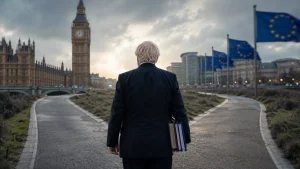
Brexit became the defining political issue of the last decade and played a major role in shaping the leadership of successive UK governments. The 2016 referendum not only changed the country’s relationship with the European Union but also transformed the political careers of several prime ministers.
David Cameron resigned shortly after voters backed leaving the EU, accepting responsibility for the referendum outcome.
Theresa May then spent years attempting to secure parliamentary approval for a withdrawal agreement, facing repeated political obstacles. Boris Johnson later rose to power by promising to end the uncertainty and move Brexit forward.
Brexit influenced British political leadership in several ways:
- It created deep divisions within both major political parties.
- It increased pressure on prime ministers to deliver clear Brexit outcomes.
- It triggered leadership contests when governments struggled to gain parliamentary support.
- It reshaped election campaigns and voter priorities across the UK.
- It influenced debates on trade, immigration, sovereignty and economic growth.
Even after the UK’s formal departure from the European Union, Brexit continued to affect government decision-making and public debate. Questions surrounding international trade, border policies, economic performance and relations with European partners remained central political issues.
For many voters, Brexit became more than a single policy decision. It evolved into a broader measure of leadership, credibility and the government’s ability to deliver on major national commitments.
Which Prime Minister Had the Shortest Time in Office During the Last 10 Years?
Liz Truss holds that distinction.
Her premiership lasted just 49 days, making it the shortest in British history.
The turning point came after the government’s mini-budget triggered financial market volatility and criticism from within the Conservative Party. Support rapidly disappeared.
When announcing her resignation, Truss acknowledged she could no longer carry out the programme she had promised. Her brief tenure became a symbol of the wider instability affecting British politics during that period.
What Challenges Did Each UK Prime Minister Face While in Government?
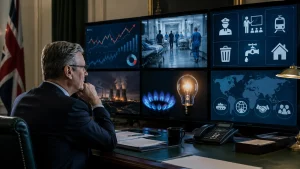
Although all six leaders governed during the same decade, they faced very different circumstances.
From Brexit negotiations and economic uncertainty to public health emergencies and changing voter expectations, each prime minister had to respond to major national challenges while maintaining support within Parliament and their own party.
Major Political and Economic Issues During Each Premiership
The key challenges faced by each prime minister included:
- David Cameron: Managing austerity measures, overseeing economic recovery efforts and handling the political consequences of the Brexit referendum.
- Theresa May: Negotiating the UK’s departure from the European Union while attempting to secure parliamentary approval for multiple Brexit agreements.
- Boris Johnson: Implementing Brexit, leading the country through the COVID-19 pandemic and responding to its economic and social impacts.
- Liz Truss: Addressing rising inflation, energy costs and market concerns following her government’s economic proposals.
- Rishi Sunak: Tackling the cost-of-living crisis, reducing inflation, managing public finances and responding to international conflicts.
- Keir Starmer: Focusing on economic growth, public service reform, housing, NHS pressures and rebuilding confidence in government institutions.
These issues shaped government priorities and significantly influenced public perception of each administration.
Public Confidence and Party Leadership Pressures
Beyond policy challenges, political survival often depended on maintaining support from both voters and fellow MPs.
Several factors contributed to leadership pressure during the last decade:
- Declining public approval ratings increased scrutiny of government decisions.
- Internal party disagreements weakened support for sitting prime ministers.
- Leadership challenges emerged when MPs questioned a leader’s ability to win future elections.
- Economic difficulties often intensified criticism from opposition parties and the public.
- Media attention and public accountability accelerated calls for political change.
In Westminster politics, party confidence is crucial. The departures of Theresa May, Boris Johnson and Liz Truss all demonstrated how quickly leadership can change when support within a governing party begins to erode.
Public opinion also played an important role, with voter sentiment often influencing the decisions of MPs and party officials.
What Does Having Six Prime Ministers in 10 Years Mean for the UK?
Frequent leadership changes can create uncertainty for government departments, businesses and international partners.
Each new prime minister brings different priorities, ministers and policy approaches. While democratic systems are designed to accommodate leadership changes, repeated transitions can make long-term planning more difficult.
At the same time, leadership changes can also provide opportunities for political renewal. New governments often arrive with fresh mandates and different policy ideas.
For ordinary UK residents, the impact is often felt through changes in taxation, economic policy, public services and international relations.
Could the UK Experience More Prime Minister Changes in the Coming Years?

Political forecasting is never certain.
However, the last decade demonstrates how quickly British politics can change. Leadership contests, elections, economic events and public opinion all influence how long a prime minister remains in office.
While some leaders serve for many years, recent history shows that political stability cannot be taken for granted. Future leadership changes will depend on electoral outcomes, party unity and the government’s ability to address the issues most important to voters.
Conclusion
The UK has had six prime ministers in the last 10 years: David Cameron, Theresa May, Boris Johnson, Liz Truss, Rishi Sunak and Keir Starmer.
Their successions reflect a decade shaped by Brexit, economic pressures, leadership contests and changing public expectations.
Whether the coming years bring greater stability remains to be seen, but the last decade will undoubtedly be remembered as one of the most eventful periods in modern British political history.
FAQs
Has any other recent decade seen six UK prime ministers?
No. The period since 2016 stands out for its unusually high number of leadership changes compared with most modern decades.
Why can the UK change prime ministers without a general election?
The prime minister is normally the leader of the party that commands a majority in the House of Commons. Parties can replace leaders internally.
Which political party produced most of these prime ministers?
Five of the six prime ministers during this period came from the Conservative Party.
Who served the longest among these six leaders?
Boris Johnson served the longest of the post-Brexit prime ministers, remaining in office from 2019 to 2022.
What made Liz Truss’s premiership historic?
Her 49-day tenure made her the shortest-serving prime minister in British history.
Did Brexit directly cause all leadership changes?
No. However, Brexit influenced many of the political tensions that contributed to leadership transitions.
Why do leadership changes matter to the public?
New prime ministers often introduce different policies affecting taxation, public services, business regulation and international relations.

Leave a Reply