

Have they noticed “Home Insurance LBIS” on a bank statement and wondered what it means? In most cases, LBIS stands for Lloyds Bank Insurance Services Limited and refers to a home insurance payment linked to Lloyds Bank, Halifax, or another Lloyds Banking Group provider.
The charge is usually connected to buildings insurance, contents insurance, or combined home cover paid through direct debit.
Many UK banking customers become concerned when they spot unfamiliar abbreviations on their statements, but LBIS is commonly a legitimate insurance transaction. Understanding how it appears, why it is charged, and how to verify it can help avoid confusion and unnecessary concern.
Key Takeaways:
- LBIS usually means Lloyds Bank Insurance Services Limited
- The payment is commonly linked to home insurance
- It may appear as a monthly or annual direct debit
- Lloyds Bank, Halifax, and MBNA may use this reference
- Customers can verify the charge through online banking or policy documents
- Unknown LBIS payments should always be checked carefully
What Does Home Insurance LBIS Mean on a Bank Statement?
Home Insurance LBIS on a bank statement usually refers to Lloyds Bank Insurance Services Limited. It is a payment reference connected to a home insurance policy arranged through companies linked to Lloyds Banking Group.
Many people notice this abbreviation while checking monthly banking transactions and become unsure whether the payment is genuine or potentially suspicious.
In most situations, the payment is entirely legitimate and relates to an active insurance policy covering a property, belongings, or both.
The abbreviation appears because UK banking systems often shorten company names due to payment reference limits. Instead of displaying the full insurer name, the banking system uses an abbreviated form such as LBIS.
The payment may relate to different forms of cover, including buildings insurance, contents insurance, or combined home insurance policies. Depending on the payment arrangement, customers may see the transaction monthly through direct debit collections or annually if the policy is paid in one instalment.
Many policyholders only realise the connection after checking old insurance documents or online banking details. The wording used on statements does not always match the insurer’s public branding exactly, which creates confusion for many account holders across the UK.
The table below explains the most common meanings connected to LBIS references.
Bank Statement Term Meaning
LBIS Lloyds Bank Insurance Services Limited
HOME INS LBIS Home insurance payment reference
LLOYDS BANK GI Lloyds General Insurance payment
INSURANCE DD Insurance direct debit transaction
Although the abbreviation may initially appear unfamiliar, it is generally part of standard UK banking transaction formatting.
Why Does an LBIS Payment Appear on a Bank Statement?

An LBIS payment normally appears because a customer has an active insurance policy connected to their bank account. The transaction is usually processed through direct debit arrangements agreed during the insurance application or renewal stage.
Insurance companies commonly spread annual premiums into monthly payments to make home insurance more affordable for households. These monthly collections appear automatically on statements under abbreviated references such as LBIS.
Monthly Home Insurance Premiums
Monthly home insurance payments are now extremely common throughout the UK. Instead of paying several hundred pounds upfront for annual cover, many homeowners and tenants choose instalment plans.
This payment structure provides flexibility for customers managing household budgets. However, because the direct debit collection often uses shortened references, people sometimes forget which company is collecting the payment.
Typical reasons for monthly LBIS charges include:
- Buildings insurance cover
- Contents insurance protection
- Combined insurance policies
- Automatic annual renewals
- Optional add-on protection
A UK insurance adviser explained the confusion many customers experience:
“People often search for LBIS because the abbreviation looks unfamiliar on their statement. Once they review old policy documents, they usually realise it is their existing home insurance premium.”
This confusion becomes more common when the insurance policy was taken out several years earlier and renews automatically every year.
Buildings and Contents Insurance Payments
Home insurance policies are usually divided into two major categories.
Insurance Type Main Protection Offered
Buildings Insurance Covers the physical structure of the property
Contents Insurance Protects belongings and personal possessions
Combined Home Insurance Includes both buildings and contents cover
Buildings insurance protects structural elements such as walls, roofs, windows, and permanent fixtures. Mortgage lenders in the UK often require homeowners to maintain this type of cover throughout the mortgage term.
Contents insurance focuses on personal possessions inside the property. This can include furniture, electronics, clothing, kitchen appliances, jewellery, and other household items.
Some customers purchase both types together under one policy. In these situations, the entire premium may appear as a single LBIS payment on the bank statement.
Direct Debit Arrangements With Lloyds Banking Group
Lloyds Banking Group manages multiple financial and insurance brands. Customers may therefore see LBIS references even if they arranged the policy through another connected provider.
The payment collection process often works behind the scenes through centralised insurance administration systems. As a result, the payment reference on the bank statement may not exactly match the provider name customers remember signing up with.
This frequently happens with:
- Lloyds Bank home insurance
- Halifax insurance policies
- MBNA-related insurance services
- Lloyds affiliated financial products
Banking systems also vary in how payment references appear. Some apps display shortened versions while others show longer descriptions.
A customer support specialist described this issue clearly:
“Many account holders think the payment is unfamiliar because they expect to see the exact insurer name. Banking systems often shorten references automatically, which can make legitimate payments appear confusing.”
For this reason, reviewing policy renewal documents and direct debit confirmations is often the fastest way to identify the payment correctly.
Which Banks and Insurance Providers Use the LBIS Reference?
The LBIS abbreviation is primarily associated with organisations linked to Lloyds Banking Group. Since the group operates several banking and insurance brands, customers may encounter LBIS references across different financial products.
Many insurance products are administered centrally even when marketed under different names. This creates consistency for payment processing but can also lead to unfamiliar transaction references appearing on statements.
The following table outlines some common connections.
Brand Possible Connection to LBIS
Lloyds Bank Home insurance payments
Halifax Insurance direct debit collections
MBNA Affiliated insurance products
Lloyds General Insurance Insurance administration services
Customers may notice slight variations in the wording depending on the bank or payment processor being used.
Common examples include:
- LBIS
- LLOYDS BANK INSURANCE
- LLOYDS BANK GI
- HOME INSURANCE DD
- INSURANCE PAYMENT LBIS
The wording may also differ between online banking platforms and printed statements. Some mobile apps shorten descriptions further because of limited display space.
Customers who switch banks while keeping the same insurance policy may continue seeing LBIS references after changing current accounts. The payment collection system itself remains connected to the insurer rather than the bank account provider.
Understanding this relationship helps customers avoid unnecessary concern when reviewing recurring transactions.
How Can Someone Check if the LBIS Charge Is Genuine?
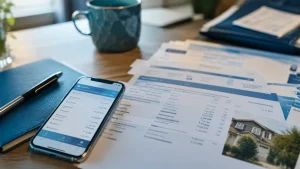
When someone notices an unfamiliar payment on a bank statement, verifying the transaction is important. Although LBIS payments are commonly legitimate insurance charges, every unfamiliar transaction should still be checked carefully.
There are several effective ways to confirm whether the payment belongs to an active insurance policy.
Reviewing Previous Insurance Documents
One of the simplest methods is reviewing historical insurance paperwork. Many customers discover the matching policy details quickly after checking previous renewal emails or policy schedules.
Useful documents include:
- Insurance certificates
- Annual renewal notices
- Direct debit confirmation emails
- Policy schedule documents
- Banking correspondence
The policy number can often help identify the payment immediately. Lloyds-affiliated home insurance policies may begin with reference prefixes such as:
Policy Prefix Possible Insurance Type
HBP Home buildings policy
HAP Home insurance account
HCI Home contents insurance
Even older archived emails may contain enough information to confirm the payment source.
Checking Direct Debits Through Online Banking
Modern banking apps provide direct access to active direct debit information. Customers can usually identify the organisation collecting payments within seconds.
The direct debit section often includes:
- Company name
- Payment amount
- Collection frequency
- Direct debit originator details
- Reference numbers
This information can clarify whether the payment genuinely belongs to Lloyds Bank Insurance Services.
Many UK banks also allow customers to pause or cancel direct debits directly through mobile banking. However, cancelling insurance payments without checking policy details first may result in accidental loss of cover.
Contacting Lloyds Bank Insurance Services
If uncertainty remains after reviewing statements and policy documents, contacting customer support is the safest option.
Customer service teams can usually confirm:
- Whether a policy exists
- The policyholder’s details
- The type of insurance connected to the payment
- Whether the payment amount matches current premiums
A financial adviser described the process this way:
“When customers contact support with the transaction reference, the issue is usually resolved quickly. Most people simply do not recognise the abbreviated statement description.”
Taking time to verify the payment properly helps prevent unnecessary cancellations and ensures continued insurance protection.
What Does LBIS Stand for in Banking and Insurance?
LBIS stands for Lloyds Bank Insurance Services Limited. The company is connected to insurance administration and payment processing services associated with Lloyds Banking Group.
Banking abbreviations exist because payment systems often restrict the number of characters that can appear on statements. Financial institutions therefore shorten company names into compact identifiers.
The use of abbreviations helps banking systems:
- Process payments efficiently
- Standardise transaction references
- Display information within limited statement space
- Simplify payment identification systems
Many customers assume the abbreviation represents an unknown company because the wording differs from the public-facing insurance brand.
However, shortened references are extremely common across UK banking systems.
Examples include:
Abbreviation Full Meaning
DD Direct Debit
POS Point of Sale
BP Bill Payment
LBIS Lloyds Bank Insurance Services
Once customers understand how banking abbreviations work, identifying recurring transactions becomes significantly easier.
How Does Home Insurance LBIS Usually Appear on a Bank Statement?

The exact wording of the transaction depends on the bank, payment processor, and statement formatting system being used.
Different banks may display the same payment differently even when collected from the same insurer.
Common payment descriptions include:
| Statement Reference | Description |
|---|---|
| LBIS | Abbreviated insurer reference |
| LLOYDS BANK GI | Lloyds General Insurance |
| HOME INS LBIS | Home insurance payment |
| INSURANCE DD | Direct debit insurance collection |
Some customers may only notice the transaction once every year if they pay annual premiums rather than monthly instalments.
Payment timing can also vary depending on:
- Policy renewal dates
- Bank processing schedules
- Weekends and bank holidays
- Direct debit collection cycles
A banking support adviser explained this issue clearly:
“People often become concerned because the wording changes slightly from one statement to another. In reality, the payment is usually the same recurring insurance premium.”
The amount itself may also change slightly after annual policy renewals or pricing adjustments.
Insurance companies commonly review premiums yearly based on factors such as:
- Property value
- Claims history
- Inflation
- Local risk levels
- Rebuild cost estimates
Customers should therefore compare both the payment amount and the payment reference when verifying transactions.
What Should Someone Do if They Do Not Recognise an LBIS Payment?

Unknown payments should always be investigated carefully. While many LBIS transactions are legitimate, it is important not to ignore unfamiliar direct debits.
The safest approach is to verify the transaction before taking action.
Steps to Verify the Charge
Customers should begin by checking:
- Previous insurance policies
- Archived email confirmations
- Direct debit listings
- Historical bank statements
Looking at older statements can often reveal whether the payment has existed for several months or years already.
If the amount matches previous home insurance premiums, the payment is likely genuine.
How to Freeze or Cancel a Direct Debit?
If the transaction still cannot be identified, customers can contact their bank for additional information.
Most UK banks allow account holders to:
- Pause direct debits
- Cancel recurring payments
- Request payment origin details
- Report suspicious activity
However, stopping insurance payments immediately may result in cancelled cover.
This can create serious financial risks if:
- Property damage occurs
- Theft takes place
- Flooding affects the home
- Mortgage conditions require active insurance
For this reason, customers should confirm policy status carefully before cancelling payments.
Reporting Unauthorised Transactions
If the payment appears genuinely fraudulent, immediate action is recommended.
Customers should:
- Contact the bank fraud department
- Report the unauthorised payment
- Request transaction investigation
- Secure online banking access
- Monitor account activity closely
UK banking regulations generally provide protections for unauthorised direct debit collections when reported promptly.
Conclusion
Home Insurance LBIS on a bank statement usually refers to Lloyds Bank Insurance Services Limited and is commonly connected to a legitimate home insurance payment.
The charge may relate to buildings insurance, contents insurance, or combined home cover linked to Lloyds Bank, Halifax, or another Lloyds Banking Group provider.
Although the abbreviation may initially seem unfamiliar, it is generally a standard insurance payment reference used within UK banking systems.
Anyone who does not recognise the payment should review insurance documents, check active direct debits, and contact the provider for clarification before cancelling the transaction.
Understanding bank statement abbreviations like LBIS can help customers manage finances more confidently and identify genuine payments more easily.
FAQs
Is LBIS on a bank statement always linked to home insurance?
Not always. LBIS usually refers to Lloyds Bank Insurance Services, which may handle different insurance products, although home insurance is one of the most common.
Can LBIS charges come from Halifax insurance policies?
Yes. Halifax is part of Lloyds Banking Group, so some Halifax insurance payments may appear as LBIS on a bank statement.
How can someone stop an LBIS direct debit payment?
The payment can usually be stopped through online banking, by contacting the insurer, or by cancelling the direct debit with the bank. Customers should confirm policy details first to avoid losing insurance cover unexpectedly.
Is LBIS connected to Lloyds Bank?
Yes. LBIS stands for Lloyds Bank Insurance Services Limited, which is associated with Lloyds Banking Group.
What should someone do if an LBIS payment looks suspicious?
They should review insurance paperwork, check direct debit details, and contact both the bank and insurer if the transaction cannot be identified.
Can LBIS appear for annual insurance payments instead of monthly ones?
Yes. Some customers pay annually rather than monthly, so the payment may only appear once per year.
Where can someone find their LBIS insurance policy number?
The policy number is usually found on insurance emails, renewal letters, policy documents, or inside online banking insurance sections.

Leave a Reply