
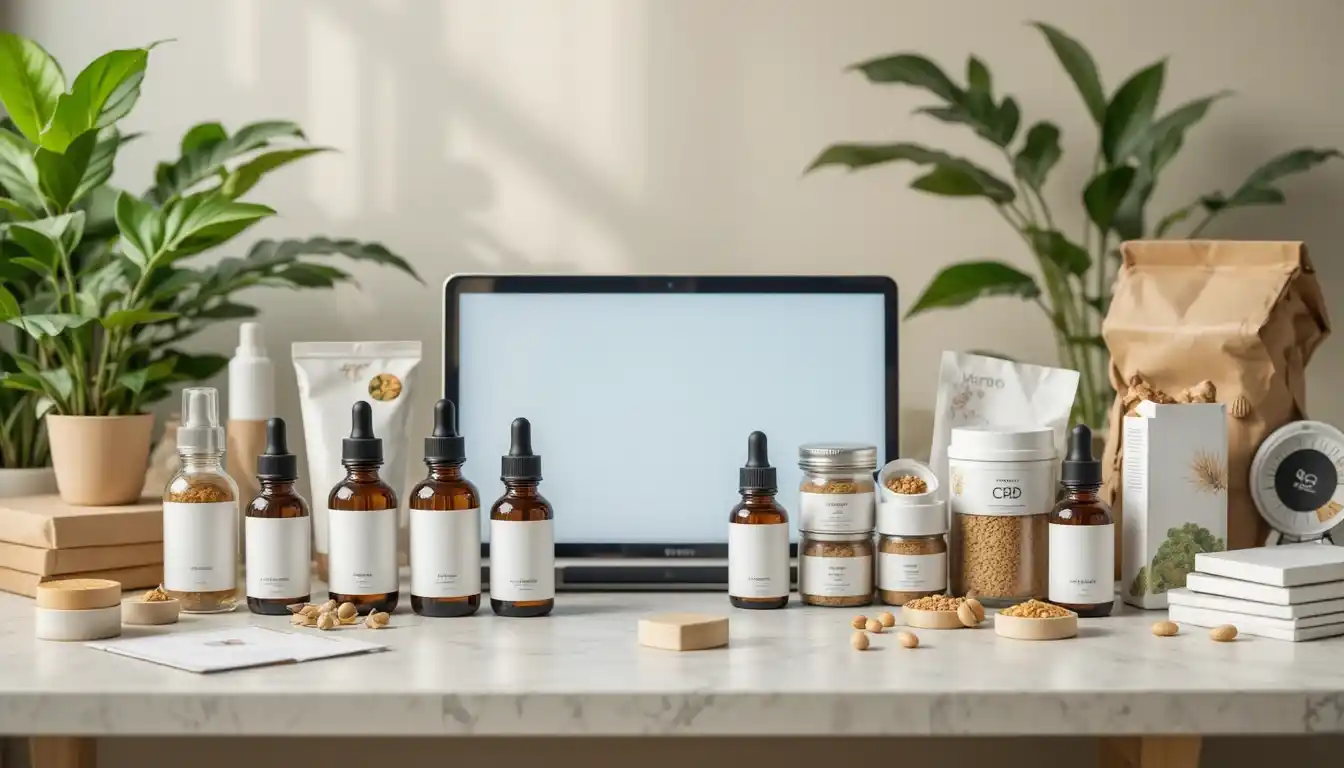
Wellness market advisors in London track a striking growth curve across the sector. Over the past 12 months, the UK wellness market has expanded by 42%, with transaction volumes showing record highs in banking data.
More than 1,400 new small business registrations cite wellness inventory as their primary trade in 2026. This surge results from changing regulation, expanded online marketplaces, and an urge among consumers for new types of product benefits.
UK Wellness Products 2026: E-commerce Growth, Consumer Demand and New Market Opportunities

The Rise of Wellness E-commerce in the UK
Retailers and independent entrepreneurs scan online shops hunting for products trending in 2026. Their focus narrows on categories with strong weekly turnover and visible consumer traction.
The UK wellness sector sees new product trends emerge in 2026.
Entrepreneurs track what gains traction among both consumers and retailers. Popular items such as THC carts UK illustrate how niche offerings move from speciality platforms to mainstream e-commerce channels.
Speciality markets support steady demand as buyers seek regulated alternatives.
A finance-conscious buyer notices unfamiliar merchant codes in their online statement after a wellness shop purchase.
According to 2026 marketing reports, CBD oil, functional herbal blends, and nootropics now appear among the ten fastest-rising expense categories for e-commerce consumers. Orders through UK wellness channels increase by 37% year-on-year.
Gifting also drives change; over 21% of Q1 product orders get shipped directly to friends or family as “wellness gifts”. Each participant in this chain encounters new reporting, from the buyer scanning receipts for class codes to the retailer handling complex shipment notes.
Consumer Preferences: CBD Oil, Nootropics, Functional Foods
A newcomer to the wellness space fires up their search engine, targeting “workday-friendly” options to support focus or relaxation. Strong demand pulls CBD oil into leadership- – 62% of polled UK consumers mention regular use in 2026 surveys.
CBG blends and L-theanine capsules quickly follow, especially among tech and finance workers. Adaptogens, including ashwagandha and lion’s mane extracts, gain momentum in functional snack bars.
Nootropic sales grow 44% across registered internet shops in 2026. The average transaction value for wellness bundles stands at £38 in digital retail data. Social polls trace a 29% jump in interest for stress-adapted functional foods.
Questions about vegan and organic certification rise sharply, mentions in product reviews more than double over the previous year. Regular users flag third-party testing and clean label claims as verification tools before purchase.
Regulatory Shifts and Entrepreneurial Opportunity in 2026

A small shop owner spends the morning deciphering the newest UK import guidelines for nutraceutical shipments. From January 2026, updated requirements demand revised customs declarations and batch-level tracking for every wellness good entering the country.
Depending on the category, import tariffs range from 3% to 9%. Labelling legislation now compels digital sellers to display traceability data on sales pages at checkout.
Product innovation creates new niches for business. THC, CBD, and alt-health categories each command their own regulatory lane with unique compliance checklists.
B2B inquiries for bulk orders rise by 28%, reflecting climbing demand from shopfront owners. Industry sources cite the rollout of new banking class codes for transactions tied to cannabinoid goods and functional botanicals.
E-commerce Tactics: Sourcing, Fulfilment, and Consumer Safety
An experienced seller assembles a new order, checking suppliers listed across online markets and industry directories. Products sourced from reputable retailers ship in smaller lots, usually with 48-hour fulfilment cycles for domestic buyers.
Speciality market shops may opt for third-party laboratory verification, linking digital certificates directly to product listings.
Customers locate original goods through speciality wellness shops, online retailers, and cross-border services, depending on their preference for batch traceability or delivery speed.
Document verification now forms a staple of the online checkout process, including shipment paperwork and safety seals. Video reviews land as the standard 64% of sellers confirm posting unboxing or usage clips as buyer reassurance methods.
These practices lower dispute rates and enable more transparent repeat purchases.
Alternative Wellness: Non-THC Cannabinoids, Botanicals, and Hygge Trends

A wellness buyer, aiming to diversify, adds newly launched teas and adaptogen blends to their cart. Beyond popular THC and CBD choices, CBG oils and exotic herbal supplements form a rising retail class.
Market data from Q2 2026 show non-THC goods hold 41% of total wellness sales, reflecting increased interest from consumers seeking daily rather than recreational use.
Motivations cover routine stress support and “hygge-style” gifts for colleagues; gifting orders involving wellness teas or botanicals rise 17% for seasonal holidays.
Each product subcategory- mushroom tonics, ayurvedic blends, or caffeine-free energy aids, now includes provenance tracking and transparent sourcing claims.
FAQ: Key Questions about the UK Wellness Market in 2026
How do buyers confirm legal status? Each product displays its compliance or registration number in the retailer’s description. Shipping and e-commerce payment flows require buyers to verify age or eligibility at checkout.
Bank statements show merchant codes specific to health and wellness retailers, which update monthly according to FCA guidelines. Estimated delivery for orders within mainland UK is 2–4 working days, depending on location and courier.
Brands update compliance pages quarterly as regulations change, and most webshops alert users before purchase if item restrictions apply.

Leave a Reply