
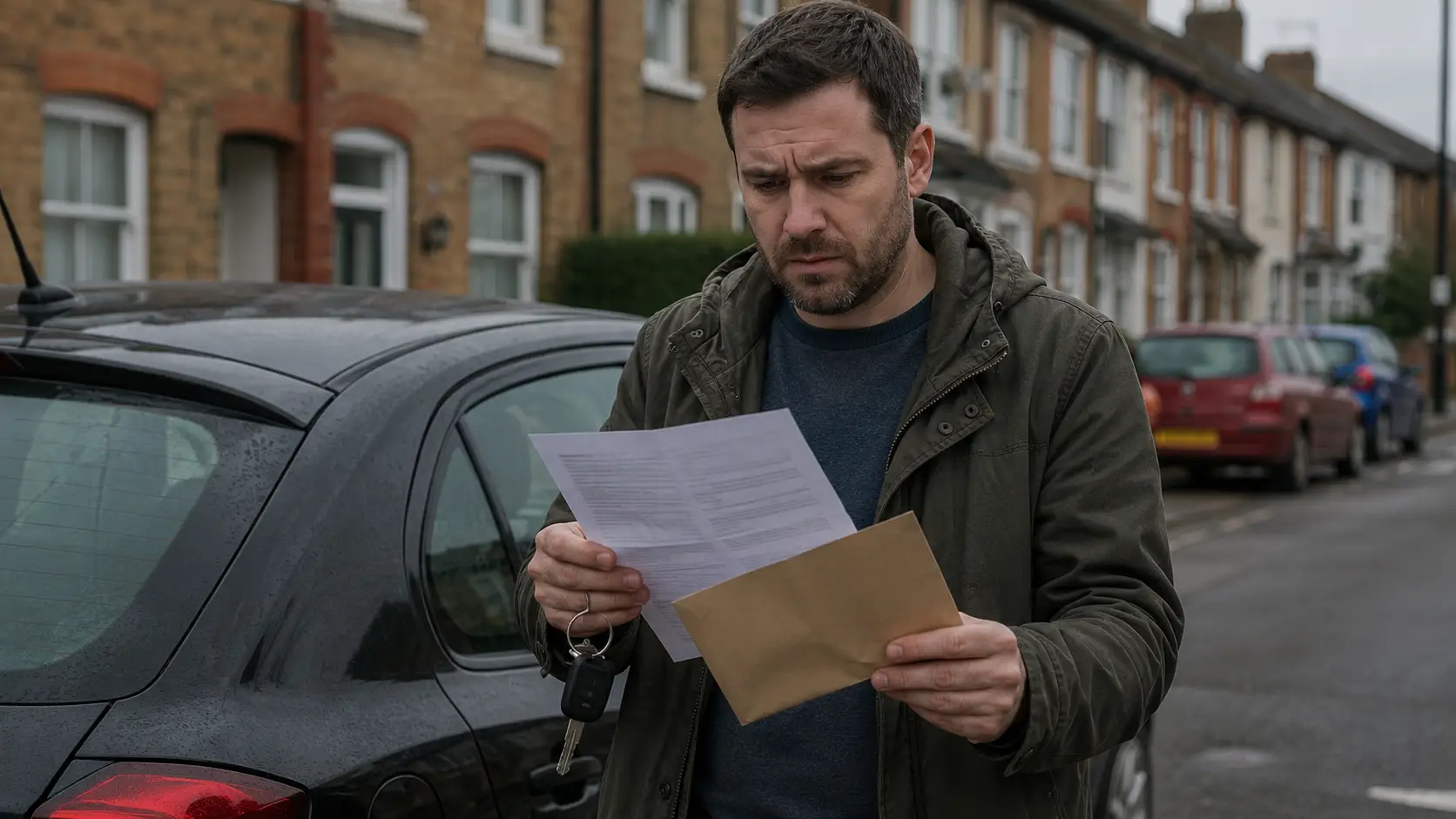
The UK Government has introduced new powers that allow the Department for Work and Pensions (DWP) to recover certain unpaid benefit debts more effectively.
Under the Public Authorities (Fraud, Error and Recovery) Act 2025, some individuals who repeatedly refuse to repay eligible debts could ultimately face a court-approved driving ban, while others may have money recovered directly from their bank accounts.
These measures apply only in specific circumstances and include legal safeguards to protect those who genuinely cannot repay.
This guide explains who may be affected, how the new rules work, and the steps you can take before enforcement action begins.
Key Highlights:
- New DWP debt recovery powers came into effect in 2026.
- Driving bans require a court order and apply only in limited cases.
- Direct bank deductions may be used for eligible unpaid debts.
- Debtors generally have up to four months to engage before stronger enforcement.
- Agreeing an affordable repayment plan can help avoid further action.
What Does Driving Bans for Unpaid Benefit Debt Evaders Mean in 2026?
The new rules give the DWP stronger powers to recover unpaid benefit debts from people who are no longer receiving benefits or employed through PAYE but have failed to repay money they owe.
The reforms form part of the Government’s wider effort to reduce benefit fraud, claimant error, and outstanding debt.
Although driving bans have attracted the most attention, they are not automatic. A court can only impose a driving disqualification after strict legal conditions have been met and repeated recovery attempts have failed.
“Hardworking taxpayers deserve a system that pursues those who deliberately dodge their debts, and that is exactly what these new powers deliver.” – Work and Pensions Minister Andrew Western
The legislation targets persistent non-compliance rather than everyone who has received a benefit overpayment.
Overview of the New Measures:
| Measure | What It Means |
|---|---|
| Driving disqualification | Court may suspend a driving licence in qualifying cases |
| Direct bank deductions | DWP can recover eligible debts from bank accounts |
| Repayment opportunity | Debtors can agree an affordable repayment plan |
| Legal safeguards | Courts and statutory codes of practice continue to apply |
These measures are intended to encourage voluntary repayment before stronger enforcement becomes necessary.
Why Has the DWP Been Given New Powers to Recover Benefit Debts?
The Government introduced these measures through the Public Authorities (Fraud, Error and Recovery) Act 2025 (PAFER Act) as part of a broader effort to reduce financial losses across the welfare system.
According to the Government, billions of pounds are lost each year because of fraud, incorrect payments and unpaid benefit debts.
Ministers estimate that strengthening recovery powers could contribute towards £14.6 billion in savings over five years through fraud, error and debt activity.
The reforms also address a previous enforcement gap.
Before these changes, recovering money from former claimants who were no longer receiving benefits or working through PAYE was often difficult, even where they had the financial means to repay.
“Fraud against the public sector and unrecovered debt deny our vital frontline services of the funding they deserve.”- Cabinet Office Minister Satvir Kaur
The reforms also close a gap that previously made it difficult to recover debts from former claimants who were no longer receiving benefits or working through PAYE.
Who Could Be Affected by the New DWP Driving Ban Rules?
Not everyone with a benefit overpayment will fall within these new rules. The legislation applies only to specific groups and includes several important safeguards.
Former Benefit Claimants With Unpaid DWP Debts
The primary focus is individuals who no longer receive benefits but still owe money to the DWP. These debts may arise from benefit overpayments or other recoverable amounts.
People Outside Benefits and PAYE Employment
The new direct deduction powers are intended mainly for people who are no longer claiming benefits and are not employed through PAYE, making traditional recovery methods less effective.
Persistent Non-payers Who Refuse Repayment Contact?
The strongest enforcement measures target those who repeatedly ignore repayment requests despite having the means to repay or agree a repayment arrangement.
People most likely to fall within the new powers:
- Former benefit claimants with outstanding recoverable debts.
- Individuals who ignore DWP correspondence.
- People who refuse to engage with repayment discussions.
- Debtors who continue to avoid repayment despite repeated contact.
Receiving a DWP letter does not automatically mean a driving ban or bank deduction will follow, as there are several stages before enforcement action is considered.
Can the DWP Ban You from Driving for Unpaid Benefit Debt?
The DWP cannot remove a driving licence by itself. It must apply to a court, which will decide whether a driving disqualification is appropriate based on the legal requirements and the individual’s circumstances.
Courts can also suspend enforcement where a debtor agrees to and maintains an affordable repayment plan, giving people another opportunity to avoid losing their licence.
Driving Ban Conditions at a Glance:
| Requirement | Position |
|---|---|
| Court involvement | Required before any disqualification |
| Minimum debt | At least £1,000 outstanding |
| Essential driving need | Exemption may apply |
| Repayment agreement | Can prevent enforcement if maintained |
These safeguards ensure that driving disqualification remains a last-resort enforcement measure.
When Can a Court Approve a DWP Driving Licence Disqualification?
A court may only consider a driving licence disqualification when at least £1,000 of recoverable benefit debt remains unpaid and the DWP has already made reasonable attempts to recover the money.
A driving ban is not imposed automatically, as the DWP must first apply to the court, which independently reviews the evidence before making a decision.
The court must also consider whether the individual relies on their driving licence for employment, caring responsibilities, or other essential purposes.
If a suitable repayment arrangement is agreed and maintained, stronger enforcement action may be avoided.
These legal safeguards ensure that driving disqualification remains a last-resort measure, balancing effective debt recovery with fairness and protecting individuals facing genuine circumstances.
Can the DWP Take Money Directly from Your Bank Account?
Under the Public Authorities (Fraud, Error and Recovery) Act 2025, the DWP can recover eligible benefit debts directly from a person’s bank account without first obtaining a court order.
These powers mainly apply to individuals who are no longer receiving benefits or employed through PAYE and have repeatedly failed to repay outstanding debts.
Unlike a driving ban, direct bank deductions do not require court approval but must follow the legal safeguards and procedures set out in the legislation.
The measures are intended for people who deliberately avoid repayment rather than those who actively engage with the DWP to resolve their debt.
Direct Bank Deduction Process:
| Stage | What Happens |
|---|---|
| Debt identified | The DWP confirms an outstanding recoverable debt. |
| Contact issued | Letters invite the individual to engage. |
| Repayment opportunity | Affordable repayment plans can be agreed. |
| Enforcement | Direct deductions may be used if legal conditions are met. |
Contacting the DWP early and agreeing to a repayment arrangement remains the best way to avoid stronger enforcement action.
What Should You Do If You Receive a DWP Benefit Debt Letter?

Receiving a letter from the DWP does not automatically mean enforcement action is imminent.
Instead, it provides an opportunity to discuss the debt, confirm the amount owed and agree on a manageable repayment plan before stronger recovery measures are considered.
Contact the Dwp Within the Repayment Window
The Government has provided a four-month period before enforcement begins from October 2026. Responding promptly demonstrates your willingness to cooperate and may help prevent further action.
Ask for an Affordable Repayment Plan
The DWP has stated that it will work with people who engage and cannot repay the debt immediately in full.
Agreeing to affordable instalments may help you avoid enforcement action, provided repayments continue as agreed.
Seek Free Debt Advice Before Enforcement Starts
If you are experiencing financial hardship or are unsure about the debt, obtaining independent debt advice can help you understand your options.
You should also review the debt carefully if you believe it has arisen due to an administrative or factual error.
Practical steps to take:
- Read the letter carefully and note any deadlines.
- Contact the DWP as soon as possible.
- Ask for a repayment arrangement if needed.
- Keep copies of all correspondence.
- Seek independent debt advice if you disagree with the debt or cannot afford repayments.
Taking early action can often prevent matters from progressing to formal enforcement.
How Do the New DWP Powers Protect Vulnerable People?
Although the new legislation strengthens the DWP’s debt recovery powers, it also includes safeguards to ensure enforcement is fair and proportionate.
Benefit overpayments can result from claimant mistakes or official errors, meaning not every case involves deliberate fraud or non-compliance.
People facing illness, mental health conditions, financial hardship, or caring responsibilities may find it difficult to respond to DWP correspondence.
The DWP encourages anyone receiving a debt letter to contact the department promptly, where they may be offered affordable repayment options and signposted to free debt advice services.
Courts also retain discretion when considering driving disqualification applications, helping ensure vulnerable individuals and those with genuine circumstances receive appropriate protection under the law.
What Are the Main Risks, Concerns and Practical Impacts for UK Claimants?

The new DWP debt recovery powers give the government stronger enforcement options for people who deliberately avoid repaying eligible benefit debts.
However, not every overpayment results from fraud.
Some debts occur because of administrative errors, incorrect information, or changes in personal circumstances, so it is important to review any debt notice carefully.
If you receive a DWP debt notice, you should:
- Review the details and respond as soon as possible.
- Contact the DWP if you cannot afford the proposed repayments.
- Request clarification or challenge the decision if you believe the debt is incorrect.
- Seek independent debt advice if you need additional support.
Taking action early and communicating with the DWP can help resolve benefit debt issues and reduce the risk of stronger recovery measures.
Conclusion
The new DWP debt recovery powers introduce stronger enforcement measures for people who deliberately refuse to repay eligible benefit debts.
While the changes include direct bank deductions and court-approved driving bans, these apply only in specific circumstances and are supported by important legal safeguards.
Individuals still have opportunities to agree affordable repayment plans before stronger action is considered.
Understanding your rights, responding promptly to DWP correspondence, and engaging with the repayment process remain the best ways to avoid unnecessary enforcement and protect your financial position
FAQs
Does a DWP overpayment always mean benefit fraud?
No. Benefit overpayments can result from fraud, claimant error or official administrative errors. Each case should be considered individually.
Can you challenge a DWP benefit debt?
Yes. If you believe the debt is incorrect, you should contact the DWP, request an explanation or evidence where appropriate and seek independent advice if necessary.
Will the DWP take all the money from your bank account?
The legislation allows direct deductions in qualifying cases, but the DWP must follow the legal framework and applicable safeguards rather than removing funds without process.
What happens if you ignore a DWP debt letter?
Ignoring correspondence may increase the likelihood of enforcement action, including direct recovery measures where the legal requirements are met.
Can you keep your driving licence if you need it for work?
Yes. Courts cannot impose a driving disqualification where there is an essential need for the licence, such as employment or significant caring responsibilities.
Are current benefit claimants affected by these new powers?
The new direct deduction powers mainly target individuals who are no longer receiving benefits and are outside PAYE employment, although other existing recovery methods continue to apply for current claimants.
Where can you get help with DWP debt?
You can contact the DWP directly to discuss repayment options and seek free, independent debt advice from recognised debt advice organisations if you need additional support.

Leave a Reply