
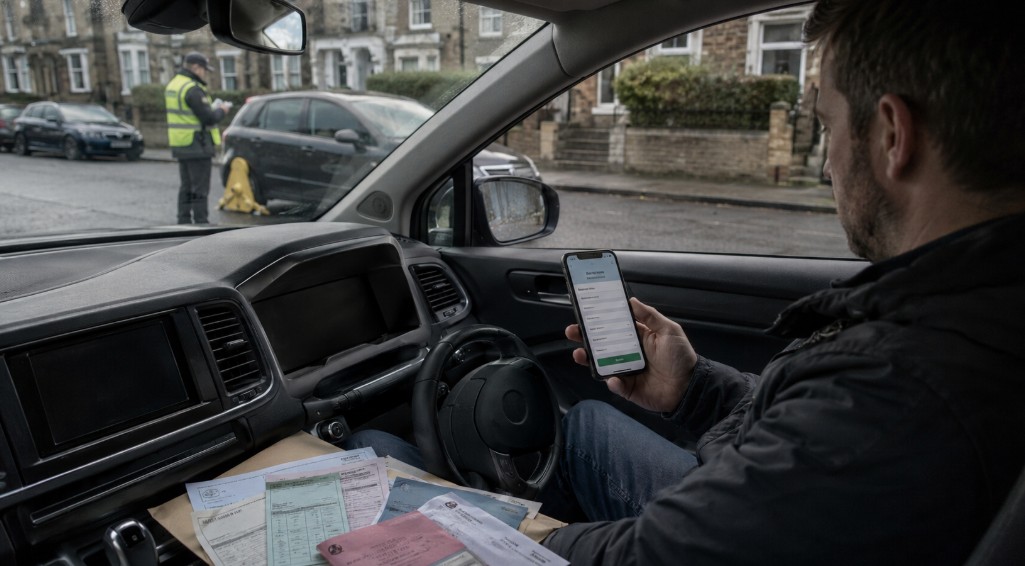
The DVLA is urging UK drivers to set up an online Driver and Vehicles account to avoid vehicle clamping fines, missed tax renewals, and penalties that can reach up to £1,000.
The agency says the process takes only five minutes and allows motorists to receive vehicle tax and MOT reminders by text or email. This warning comes after more than 150,000 untaxed vehicles were clamped across the UK in 2025.
Using DVLA digital services can help drivers stay compliant, manage payments more easily, and reduce the risk of enforcement action.
Key Takeaways:
- DVLA online accounts help drivers receive tax and MOT reminders
- Untaxed vehicles can be clamped, seized, or fined
- Drivers may face penalties of up to £1,000
- Direct debit options can prevent missed renewals
- Some vehicles qualify for tax exemptions
- Digital DVLA services improve compliance and convenience
Why Is the DVLA Urging Drivers to Set Up an Online Account?

The DVLA has launched a fresh reminder campaign encouraging motorists to create a Driver and Vehicles account through GOV.UK. The agency believes digital reminders can significantly reduce the number of untaxed vehicles on UK roads.
Dvla’s Latest Warning to UK Motorists
In a statement shared on social media platform X, the DVLA encouraged drivers to set up an online account to receive vehicle tax reminders by text or email. The process reportedly takes only five minutes, but failing to complete it could lead to serious consequences.
Vehicle tax, commonly referred to as road tax or car tax, is legally required for most vehicles driven or parked on public roads in Britain. Revenue generated from vehicle tax contributes towards road maintenance, transport infrastructure, and public services.
How Online Reminders Help Drivers Stay Compliant?
Many drivers miss tax deadlines because they forget renewal dates or fail to update their address details. A DVLA online account helps solve this issue by sending automated notifications directly to the driver.
Benefits include:
- Vehicle tax renewal reminders
- MOT due date alerts
- Access to vehicle details
- Digital management of driving services
- Reduced risk of late payment penalties
A UK motoring adviser described the issue clearly:
“I regularly speak to drivers who simply forget their tax renewal because their reminder letter never arrived. Digital notifications make the process far more reliable and reduce the chances of enforcement action.”
The Growing Number of Untaxed Vehicles in the UK
Although DVLA data shows that 98.7% of motorists taxed their vehicles correctly last year, enforcement figures still revealed more than 150,000 untaxed vehicles were clamped across the UK during 2025. The DVLA has stressed that clamping is considered a last resort after repeated failures to tax a vehicle.
How Can a DVLA Online Account Help Drivers Avoid Vehicle Clamping Fines?
A DVLA online account provides several digital services that can help motorists remain legally compliant and avoid enforcement action.
Vehicle Tax Reminders by Text and Email
Drivers can choose to receive alerts before their vehicle tax expires.
These reminders are sent through:
- Email notifications
- Text message alerts
- Digital account updates
This reduces the likelihood of missed deadlines and costly penalties.
MOT Alerts and Vehicle Management Services
The account also allows motorists to receive MOT reminders, helping ensure their vehicle remains road legal.
Additional services may include:
| DVLA Online Service | Purpose |
|---|---|
| Vehicle tax reminders | Prevent missed renewals |
| MOT alerts | Avoid expired MOT certificates |
| Vehicle information access | Manage registered vehicle details |
| Direct debit management | Simplify vehicle tax payments |
Benefits of Using DVLA Digital Services
Digital services are becoming increasingly important for UK motorists because they offer convenience and faster communication.
A transport compliance consultant explained:
“From my experience, drivers who rely solely on paper reminders are more likely to miss important dates after moving house or changing contact details. Online DVLA accounts provide a much safer and more efficient way to stay updated.”
What Happens If a Vehicle Is Not Taxed on Time?
Failing to tax a vehicle can lead to significant financial and legal consequences.
Drivers may face:
- Vehicle clamping
- Vehicle seizure
- Out-of-court settlement fees
- Court prosecution
- Fines of up to £1,000
The DVLA uses automatic number plate recognition (ANPR) technology to identify untaxed vehicles parked or driven on public roads. If enforcement action is taken, motorists may also need to pay additional release and storage fees before recovering their vehicle.
How Many Vehicles Were Clamped by the DVLA Last Year?

Recent figures highlighted the scale of untaxed vehicle enforcement across Britain.
Statistics on Untaxed Vehicles in 2025
Despite high compliance rates, more than 150,000 vehicles were clamped in 2025 due to unpaid vehicle tax. This demonstrates that even a small percentage of non-compliant vehicles can lead to widespread enforcement action.
What DVLA Officials Said About Enforcement?
Tim Moss CBE, DVLA chief executive, stated that most drivers keep their vehicle tax updated, but those who fail to do so could face serious penalties.
He also emphasised that taxing a vehicle is quick and straightforward, particularly through direct debit options and digital reminders.
Why Clamping is Considered a Last Resort?
The DVLA generally sends reminders and warning notices before taking enforcement action. Clamping usually occurs only after repeated failures to tax a vehicle. However, once a vehicle is identified as untaxed on a public road, enforcement officers can still take immediate action.
How Can Drivers Tax Their Vehicle Online?

Taxing a vehicle online is one of the quickest ways to remain compliant with UK driving regulations.
Documents Required for Vehicle Tax
Drivers will need one of the following:
- A recent vehicle tax reminder letter
- A “last chance” warning letter from DVLA
- The vehicle log book (V5C)
- The green “new keeper” slip for newly purchased vehicles
If these documents are unavailable, drivers may need to apply for a replacement log book before taxing the vehicle.
Payment Options Available
Vehicle tax payments can be made using:
- Debit card
- Credit card
- Direct debit
Setting Up Direct Debit Payments
Many motorists now choose direct debit payments because they spread the cost across monthly instalments and reduce the chance of forgetting renewals. The DVLA has strongly encouraged this option as part of its wider digital services strategy.
Which Vehicles Are Exempt From Paying Vehicle Tax?

Some vehicles are exempt from paying vehicle tax, although they still need to be officially registered as taxed with the DVLA.
Disability-related Vehicle Tax Exemptions
Vehicles used by disabled individuals may qualify for exemption. Eligible motorists must provide supporting evidence when applying for tax exemption. The DVLA also states that exemption can only apply to one vehicle at a time.
Classic and Historic Vehicles
Historic vehicles built before 1 January 1985 are generally exempt from vehicle tax requirements. Owners can confirm eligibility through the official GOV.UK website.
Agricultural and Specialist Vehicles
Other exempt vehicles include:
- Mobility scooters
- Powered wheelchairs
- Steam-powered vehicles
- Agricultural tractors
- Lawn mowers
- Limited-use agricultural vehicles
- Electric heavy goods vehicles
Some transport vehicles used by organisations supporting disabled individuals may also qualify for exemption.
What Penalties Can Drivers Face for Ignoring DVLA Tax Rules?
Ignoring vehicle tax requirements can quickly become expensive. If a vehicle remains untaxed, the DVLA may issue an Out-of-Court Settlement (OCS) letter.
This typically includes:
- A £30 fixed charge
- One and a half times the outstanding vehicle tax amount
If the settlement is ignored, the matter may proceed to magistrates’ court.
Possible court penalties include:
| Offence | Potential Penalty |
|---|---|
| Untaxed vehicle | £30 plus outstanding tax |
| Court prosecution | Up to £1,000 fine |
| Serious cases | Five times the taxable amount |
| Vehicle clamping | Additional release fees |
| Vehicle seizure | Recovery and storage costs |
Drivers who repeatedly fail to comply with DVLA tax regulations may also face long-term legal consequences and financial difficulties.
Why Are More UK Drivers Switching to DVLA Digital Services?

Digital vehicle management services are becoming increasingly popular because they simplify administrative tasks for motorists.
Key reasons include:
- Faster communication
- Instant reminders
- Easier payment management
- Improved compliance
- Reduced paperwork
Many UK drivers now prefer digital alerts over traditional postal reminders because they are quicker and more dependable.
The government’s wider push towards digital public services has also encouraged more motorists to manage their vehicle records online.
What Steps Should Drivers Take Today to Stay Road Legal?
Motorists can avoid unnecessary penalties by taking a few simple steps today.
Recommended actions include:
- Creating a DVLA online account
- Checking vehicle tax status
- Confirming MOT expiry dates
- Updating contact information
- Choosing email or text reminders
- Setting up direct debit payments
Drivers should also ensure their vehicle remains correctly registered and taxed at all times, even if they qualify for exemptions.
Staying proactive can help motorists avoid costly clamping fines, legal action, and unnecessary inconvenience.
Conclusion
The DVLA’s latest warning highlights the importance of staying on top of vehicle tax responsibilities. With around 150,000 vehicles clamped in 2025, motorists are being strongly encouraged to create an online account to receive reminders and manage their vehicle information more efficiently.
A DVLA online account offers a quick and practical way to avoid missed renewals, MOT oversights, and vehicle clamping fines. As digital services continue to expand across the UK, drivers who take advantage of these tools are far less likely to face penalties or enforcement action.
For most motorists, spending five minutes setting up an account today could help prevent significant financial and legal problems in the future.
Frequently Asked Questions
Can drivers receive DVLA vehicle tax reminders by email?
Yes, drivers who create a DVLA online account can choose to receive vehicle tax reminders by email or text message.
Is it illegal to keep an untaxed vehicle on a public road?
Yes, keeping an untaxed vehicle on a public road is illegal and may result in clamping, fines, or vehicle seizure.
How long does it take to create a DVLA online account?
The DVLA states that setting up an account usually takes around five minutes.
Can a vehicle be clamped immediately after tax expires?
The DVLA typically sends reminders first, but untaxed vehicles parked on public roads may still be subject to enforcement action.
Are electric vehicles exempt from road tax in the UK?
Some electric heavy goods vehicles qualify for exemption, although rules may vary depending on vehicle type.
What documents are needed to tax a vehicle online?
Drivers generally need a V5C log book, a tax reminder letter, or a new keeper slip.
Can drivers pay vehicle tax monthly through direct debit?
Yes, the DVLA allows motorists to spread vehicle tax payments through monthly direct debit instalments.

Leave a Reply