

A DPD scam email is a phishing message that pretends to be from DPD and is designed to trick recipients into sharing personal information, bank details, or payment card information.
These fake delivery notifications often claim that a parcel is delayed, awaiting redelivery, or requires a small payment. DPD currently warns that it will never ask customers to pay a redelivery fee through a link in an email, text message or iMessage.
While they may look genuine, they usually contain suspicious links that lead to fraudulent websites.
Key Takeaways:
- DPD scam emails are designed to steal personal or financial information.
- Fraudsters often impersonate DPD using fake delivery notifications.
- Suspicious sender addresses are one of the biggest warning signs.
- DPD says it will never request a redelivery fee through a link sent by email, text or iMessage.
- Fake tracking links can redirect users to fraudulent websites.
- Consumers should verify parcels through the official DPD app or DPD tracking website rather than following unexpected delivery links.
- Suspicious emails can be reported to the National Cyber Security Centre.
- Quick action can help minimise risks if personal or banking details have been shared.
What Is a DPD Scam Email?
A DPD scam email is a fake message created by fraudsters who pretend to be DPD, usually to trick the recipient into clicking a link, making a small payment, or sharing personal and financial information.
These emails are part of a wider phishing tactic where criminals imitate trusted brands to make their message appear genuine.
The scam often starts with a simple claim. The email may say that a parcel could not be delivered, a shipment is waiting for confirmation, or a small redelivery or customs fee must be paid before the parcel can move forward.
Because many people in the UK regularly order products online, a delivery email can seem normal, especially if the recipient is already expecting a parcel.
The danger is that the email is not connected to a real delivery. The link inside the message may lead to a fake website designed to look like a DPD tracking or payment page.
Once a person enters their details, the scammers may use them for card fraud, identity theft, account takeovers, or further phishing attempts.
Feature Genuine DPD Communication DPD Scam Email
Purpose Updates the customer about a real parcel Tricks the recipient into clicking or paying
Link destination Official DPD website or app Fake website controlled by scammers
Payment request Linked to a clear and verifiable parcel matter Unexpected fee with pressure to act quickly
Parcel details Includes information that can be checked Often vague or missing key details
Tone Professional and consistent Urgent, threatening, or poorly written
A fake DPD message may not always look badly made. Some scams use copied logos, realistic layouts, and delivery language that appears professional. This is why people should not rely on design alone. The safest approach is to verify the message independently before taking any action.
Why Are Fake DPD Delivery Messages Targeting UK Consumers?

Fake DPD delivery messages target UK consumers because parcel delivery has become part of everyday life. Many households receive regular delivery updates from online shops, couriers, and marketplaces.
Scammers take advantage of this normal behaviour by sending emails that appear familiar and routine.
A person might receive a scam message while waiting for clothing, electronics, documents, gifts, or business supplies. In that moment, the message can feel believable. The fraudster does not need to know the exact order.
They only need the recipient to think the message could be linked to something they recently bought.
These scams also work because the requested payment is often small. A message asking for £1.99, £2.50, or another low amount may not seem serious enough to question.
However, the small fee is usually just a trap. The real goal is to collect card details, names, addresses, phone numbers, email addresses, and sometimes passwords.
A consumer safety adviser described this risk clearly:
“I often see people caught out because the amount requested looks harmless. I would not treat a small fee as safe just because it is low. In many cases, the small payment is only the first step towards stealing card details or personal information.”
Scammers also know that people often check emails quickly on mobile phones. Smaller screens make it harder to inspect sender addresses and web links. A person may tap a button without noticing that the link goes to a strange website rather than an official DPD domain.
Reason the Scam Works How Scammers Use It Risk to the Recipient
High online shopping activity Sends messages when people expect parcels Recipient assumes the email is genuine
Recognisable courier branding Uses DPD-style logos and wording False sense of trust
Small payment requests Asks for a low redelivery or handling fee Card details may be stolen
Mobile email checking Hides full sender details and links Links are clicked too quickly
Urgent wording Claims the parcel may be returned or delayed Recipient acts without checking
This is why scam awareness is important. The email may look like a normal delivery update, but the behaviour it asks for is often the warning sign.
How Does a DPD Phishing Email Usually Work?
A DPD phishing email normally follows a planned sequence. The scammer creates a delivery problem, offers a fast solution, and directs the recipient to a fake link. The process is designed to reduce hesitation and make the recipient act quickly.
Fake parcel delivery notifications
The email may claim that a parcel is on its way, has been delayed, or could not be delivered. It may use subject lines such as “Shipping Update”, “Delivery Notice”, “Parcel Held”, or “Action Required”. These subject lines are deliberately simple because they resemble genuine courier updates.
Some scam emails include a tracking number, but that number may be fake, incomplete, or impossible to verify on the official DPD tracking page. Others avoid giving specific parcel information and instead use vague wording such as “your package” or “your delivery”.
Redelivery or customs fee requests
A common tactic is to claim that a redelivery fee, customs charge, or handling cost must be paid before a parcel can continue.
DPD’s current cyber-security guidance gives a particularly clear warning about redelivery scams DPD will never ask a customer to pay a redelivery fee through a link in an email, text message or iMessage.
Therefore, an unexpected DPD-branded message requesting such a payment should be treated as suspicious.
DPD may contact customers about legitimate customs duties in certain cases, especially where international parcels are involved.
However, genuine customs-related communication should include clear parcel information that can be checked through official tracking routes. A message that asks for immediate payment through an unfamiliar link should always be treated with caution.
Malicious links and fake tracking pages
The link is usually the most dangerous part of the email. It may say “Track Your Parcel”, “Reschedule Delivery”, “Confirm Address”, or “Pay Now”. Once clicked, it can lead to a fake website that copies DPD branding.
The fake page may ask for:
- Full name and address
- Mobile number and email address
- Card number, expiry date, and security code
- Online banking or account login details
Scammers may use this information immediately or sell it to other criminals. Even if the first payment fails, the data entered may still be captured.
What Are the Main Warning Signs of a Fake DPD Email?

The warning signs of a fake DPD email can appear in the sender address, wording, payment request, link destination, and overall behaviour of the message. The email may contain one obvious red flag or several smaller clues.
Suspicious sender email address
The full sender address should be checked carefully rather than relying on the displayed sender name. Fraudsters may make the visible name say “DPD” while using an unrelated email address behind it.
DPD’s current cyber-security guidance states that genuine DPD email addresses will end in @dpd.co.uk, @dpdlocal.co.uk, @dpdgroup.co.uk or @dpd.uk. An address using a misspelt domain, unrelated company domain, free email account or random variation should therefore be treated with caution.
DPD also now uses BIMI, or Brand Indicators for Message Identification. On supported email services, a genuine DPD message may display DPD’s official logo alongside a blue verification tick next to the sender. However, recipients should still verify suspicious delivery requests independently rather than relying on appearance alone.
Generic greetings and poor wording
Generic greetings can also be a warning sign. DPD specifically advises customers to look out for greetings such as “Dear Customer” or “Dear Sir/Madam”, stating that its notification emails and messages are not addressed in this way.
Some may include spelling mistakes, odd grammar, or mixed languages.
For example, an email may use English in one part and foreign terms in another, which can suggest the message was copied or poorly translated.
However, some modern scams are well written. A lack of spelling mistakes does not automatically mean the email is safe. The recipient should still check the sender, link, and request.
Urgent payment requests
Urgency is one of the strongest signs of a phishing attempt. The email may say the parcel will be returned, destroyed, cancelled, or delayed unless payment is made immediately. This pressure is intended to stop the recipient from thinking carefully.
A genuine delivery issue should be verifiable through official channels. If an email pushes the person to pay through one specific link and discourages checking elsewhere, it should be treated as suspicious.
Unusual links or fake DPD websites
The link may look normal in the email text, but the actual destination may be different. On a computer, hovering over the link can show the real web address. On a mobile phone, the recipient may need to press and hold carefully to preview the link without opening it.
DPD currently states that its customer-facing links use www.dpd.co.uk, www.dpdlocal.co.uk or www.dpdgroup.co.uk.
Fraudsters may create addresses that look similar at first glance, so users should check the actual domain rather than words such as “DPD”, “parcel” or “tracking” appearing elsewhere in the web address.
Warning Sign What It May Look Like Why It Matters
Strange sender address Random domain or free email account The email may not be from DPD
Generic greeting “Dear Customer” with no parcel detail The message may have been sent widely
Urgent deadline “Pay now or lose your parcel” Pressure is used to force quick action
Odd link Shortened URL or misspelt DPD address The page may steal information
Unexpected fee Small payment for redelivery Could be a card harvesting tactic
Mixed language Unusual words or inconsistent phrasing May indicate a copied scam template
A professional cyber security trainer explained it this way:
“I always tell people to look at what the email wants them to do. I do not judge it only by the logo. If the message pushes me to click quickly, pay quickly, or enter details through an unfamiliar page, I treat it as suspicious.”
How Can Someone Check Whether a DPD Email Is Genuine?
The safest way to check a suspicious DPD email is to avoid using the link inside the message. DPD says the most secure way to track a parcel is through its official DPD app or official tracking website at track.dpd.co.uk. This allows the recipient to check the parcel independently rather than relying on a potentially fraudulent email link.
A genuine message should connect to a real parcel. If the person is expecting a delivery, they should compare the email with the order confirmation from the retailer.
The parcel reference, delivery date, name, and delivery address should make sense.
If the email includes a parcel number, it should be entered into the official DPD tracking tool rather than the link provided in the suspicious message.
If the number does not work, that does not always prove fraud, but it is a reason to be cautious.
A person can check the message by looking at four areas:
- Sender address
- Parcel reference
- Link destination
- Payment request
-
- DPD sender verification or BIMI blue tick where supported
-
Check Safe Method What to Avoid Sender Open sender details and inspect the domain Trusting the display name only Tracking Use the official DPD tracking page Clicking the email’s tracking button Payment Verify through official contact routes Paying through an unfamiliar link Parcel details Compare with retailer order information Assuming every delivery email is real Contact Use official DPD support options Replying directly to the suspicious email
If the recipient is not expecting a parcel, the safest response is not to engage with the email. Scammers rely on curiosity, so even a message that appears harmless should not be clicked when it cannot be linked to a genuine delivery.
What Should a Person Do After Receiving a Suspicious DPD Message?

After receiving a suspicious DPD message, the person should stop before taking any action. They should not click links, open attachments, reply to the email, or enter any information.
The message should be treated as a possible phishing attempt until verified.
The first step is to check whether a delivery is expected. If a parcel is due, the recipient should use the official DPD tracking page or the retailer’s order page. They should not use the tracking button in the email.
If the email looks fraudulent, it can be forwarded to the National Cyber Security Centre’s Suspicious Email Reporting Service at report@phishing.gov.uk.
Suspicious DPD text messages can generally be forwarded free of charge to 7726, allowing the mobile provider to investigate the sender. DPD itself recommends both reporting routes in its current cyber-security guidance.
The scale of the reporting service is substantial. As of July 2026, the NCSC says it had received more than 58 million scam reports, contributing to more than 256,000 scams being removed across 454,800 URLs.
A fraud prevention adviser described the right reaction clearly:
“I advise people to pause and verify before doing anything else. I would rather check one parcel number properly than risk entering my bank details on a fake delivery page.”
The email can also be marked as spam or phishing in the email account. After reporting it, the recipient can delete it. Keeping scam emails in the inbox may increase the chance of clicking them later by mistake.
Situation Recommended Action Reason
Email looks suspicious Do not click or reply Prevents contact with the scammer
Parcel is expected Check via official tracking Confirms whether the delivery exists
Fee is requested Verify independently Avoids fake payment pages
Attachment is included Do not open it Could contain malware
Email is clearly fake Report and delete Helps reduce further scam activity
What Should Someone Do If They Clicked a DPD Scam Email Link?
Clicking a scam link does not always mean that money or data has been stolen, but it should still be taken seriously. The next steps depend on what happened after the link was opened.
If the person opened a suspicious link, they should close the page and avoid entering any information. If the link resulted in software being downloaded or installed, or there is concern about the device, the NCSC recommends opening the device’s antivirus software and running a full scan, allowing it to remove any problems it identifies.
It is also sensible to watch for more scam messages because clicking may confirm that the email address is active.
If personal details were entered, the person should be alert to follow-up scams. Scammers may use the information to send more convincing emails, texts, or phone calls.
For example, if they have a name, address, and phone number, they may pretend to be a bank, courier, or retailer.
If card details were entered, the bank or card issuer should be contacted immediately. The card may need to be cancelled, and the account should be monitored for unusual transactions.
If a password was entered on the fake website, it should be changed immediately on that account and on any other accounts using the same password. The NCSC also recommends using a passkey where the affected service provides that option.
What Happened What to Do Next
Link clicked only Close page, clear browser data, scan device
Personal details entered Watch for follow-up scams and suspicious contact
Card details entered Contact bank immediately and monitor account
Password entered Change password and enable two-factor authentication
File downloaded Run security scan and avoid opening the file
Fast action can reduce harm. A person should not feel embarrassed about reporting the issue. Scam emails are designed to mislead, and reporting them can help prevent further damage.
How Can UK Consumers Report a DPD Scam Email?

UK consumers can report phishing emails by forwarding them to report@phishing.gov.uk. This service is run through the National Cyber Security Centre and helps identify malicious messages and websites.
Forwarding a suspicious email to the NCSC is not the same as making a crime report. The NCSC reporting service is used to investigate suspicious emails and malicious websites.
Someone who has actually lost money or been hacked should separately report the incident to Report Fraud in England, Wales or Northern Ireland, or Police Scotland in Scotland.
If money has been lost or the person believes they have become a victim of fraud or cyber crime, the reporting route depends on where they live.
People in England, Wales and Northern Ireland should report the incident to Report Fraud, the UK’s current fraud and cyber-crime reporting service, either online or by calling 0300 123 2040. People in Scotland should report fraud to Police Scotland by calling 101.
They should also contact their bank first if financial details were shared, because the bank can act quickly to secure the account.
The recipient may also contact DPD through official channels if they are unsure whether a parcel message is genuine. It is important to use the contact details from the official DPD website rather than the suspicious email.
Reporting may feel like a small step, but it helps wider scam prevention. Phishing emails often target many people at once. When reports are made, harmful links can sometimes be investigated or removed.
How Can People Protect Themselves from Parcel Delivery Phishing Scams?
People can protect themselves by developing simple checking habits. The most important rule is to avoid acting directly from an unexpected email. Instead, the recipient should verify the message through official websites, apps, or retailer order pages.
Strong digital tool habits also help. Devices should be kept updated, passwords should be unique, and two-factor authentication should be used where available.
These steps do not stop every scam email from arriving, but they reduce the damage if a mistake happens.
People should also be careful with saved payment details. Entering card information on unfamiliar websites can be risky, especially when the site was reached through an email link.
Businesses should train staff to recognise fake courier emails. A delivery scam sent to a work inbox can lead to stolen login details, malware, or payment fraud.
Staff should know how to report suspicious emails internally before clicking links or downloading attachments.
What Is the Difference Between a Genuine DPD Message and a DPD Scam Email?
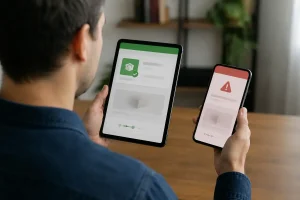
The main difference is whether the message can be independently verified. A genuine delivery message should relate to a real parcel and should allow the recipient to check details through official DPD tracking or retailer information.
A scam message tries to control the user’s action by pushing them through a specific link. A genuine message should not pressure the recipient into making a rushed payment through an unfamiliar website.
If a payment is genuinely required, the details should match an identifiable parcel and be verifiable through official routes.
A scam message often creates fear or urgency. It may say the parcel will be returned unless the recipient pays immediately. It may also use vague wording, strange sender addresses, or links that do not lead to an official DPD website.
Area Genuine Message Scam Message
Parcel reference Can be checked officially Missing, fake, or unverifiable
Payment request Clear and linked to a real parcel Sudden, urgent, and suspicious
Website Official DPD domain Fake or misspelt domain
Wording Consistent and professional Pressuring or unusual
User action Allows independent checking Pushes one link only
The safest mindset is simple. A delivery message can be treated as a prompt to check, not as a direct instruction to click.
Why Should Businesses Also Be Aware of DPD Delivery Scams?
Businesses are often targeted because they handle regular deliveries, invoices, returns, and supplier communications. A fake DPD email can easily blend into a busy workplace inbox, especially in companies that receive parcels every day.
The risk is not limited to one employee. If a staff member clicks a malicious link from a work device, it may expose business systems, passwords, customer records, or payment information.
In some cases, phishing emails can be used as the first step in a wider cyber attack.
Small businesses can be especially vulnerable because they may not have dedicated IT teams. A simple internal rule can help: delivery payment requests should be checked with the person who placed the order or verified through the official courier website.
Business owners should also encourage staff to report suspicious messages without fear of blame. Fast reporting is more useful than silence. If an employee clicks a link, early action can limit the impact.
A workplace cyber adviser explained this clearly:
“I encourage teams to report suspicious delivery emails straight away. I do not want staff hiding mistakes. The earlier I know about a clicked link or fake payment page, the quicker I can help protect the business.”
How Can People Stay Safe from Future Fake Delivery Messages?

Staying safe from future fake delivery messages means building a routine of careful checking. Scammers regularly change subject lines, layouts, and wording, but their goal stays the same.
DPD’s current cyber-security guidance also warns that scam activity is not limited to email.
The company says the most recent fraudulent campaigns it has observed have primarily involved iMessage, although scams can still arrive through ordinary SMS and other channels. Genuine automated DPD alerts are sent through SMS rather than iMessage.
They want the recipient to click, pay, or share details before thinking.
People should treat unexpected courier emails with caution, even when the brand looks familiar. A DPD logo, tracking button, or delivery phrase does not prove that the message is genuine.
The sender address, link destination, parcel information, and payment request all matter.
A person who receives frequent parcels can keep order confirmations organised. This makes it easier to check whether a delivery message matches a real purchase.
Businesses can do the same by keeping a clear record of expected deliveries and authorised payment processes.
The safest habit is to pause before responding. A genuine parcel issue can usually be checked through official channels. A scam depends on quick action, so a short delay can be enough to prevent fraud.
Conclusion
DPD scam emails continue to target consumers and businesses by exploiting the trust people place in delivery notifications.
While these messages may appear convincing, careful checks of sender addresses, parcel details, links, and payment requests can help identify potential fraud.
Taking a few moments to verify a delivery through official DPD channels can prevent financial loss and protect personal information.
Staying informed about phishing tactics remains one of the most effective ways to reduce the risk of falling victim to delivery scams.
Frequently Asked Questions
Can a DPD scam email steal bank details?
Yes. A fake email may lead to a fraudulent payment page that collects card numbers, security codes, addresses, and other sensitive details.
Does DPD ask for redelivery payments by email?
People should be cautious with any unexpected redelivery fee. Genuine charges should be verified through the official DPD website or customer support route.
How can a person tell whether a DPD tracking link is fake?
A fake link may use a strange domain, shortened URL, spelling mistake, or web address that does not clearly belong to DPD.
What should someone do after entering card details on a fake DPD website?
They should contact their bank or card issuer immediately, cancel the affected card if advised, and monitor the account for suspicious activity.
Can fake DPD emails install malware?
Yes. Some phishing emails include harmful links or attachments that may install malicious software on a device.
Where should UK users report phishing emails?
Suspicious emails can be forwarded to report@phishing.gov.uk, and fraud incidents can be reported to Action Fraud.
Are DPD text scams similar to DPD scam emails?
Yes. The method is similar. The scammer sends a fake delivery message with a link designed to steal money or personal information.
Is it safe to open a suspicious DPD email without clicking links?
Opening an email is usually less risky than clicking links or downloading attachments, but the safest response is to report and delete it.

Leave a Reply