
Last checked: 9 July 2026.
A hosepipe ban depends on your location and the water supplier serving your area.
There is no UK-wide hosepipe ban, but some suppliers have introduced Temporary Use Bans (TUBs) in response to hot weather, high water demand, and reduced water resources.
As of July 2026, South East Water has restrictions in place across its Kent supply area, while Southern Water is introducing restrictions across Hampshire and the Isle of Wight from 10 July 2026.
Other suppliers have encouraged customers to conserve water, although not all areas are under a formal ban.
Key highlights:
- There is no UK-wide hosepipe ban currently in force.
- Restrictions vary by water supplier and local area.
- South East Water has restrictions in Kent.
- Southern Water restrictions begin in Hampshire and the Isle of Wight from 10 July 2026.
- Other suppliers are encouraging water conservation, even where no formal ban exists.
- Breaching a Temporary Use Ban (TUB) can result in fines of up to £1,000.
The easiest way to confirm whether a hosepipe ban applies to your property is to check your water supplier’s official website or use the Water UK postcode checker before using a hosepipe.
Do We Have a Hose Pipe Ban in the UK Right Now?
The UK does not have a nationwide hosepipe ban. Restrictions vary depending on your water supplier and location, so some areas may have a ban while others do not.
The best way to check if a hosepipe ban applies is to visit your water supplier’s official website or use a postcode checker..
South East Water says in its Kent hosepipe restrictions update that it has introduced a Temporary Use Ban for customers in its Kent region.
The company says this follows sustained high temperatures and near-record demand for treated drinking water.
For Hampshire and the Isle of Wight, Southern Water’s restrictions are being introduced from Friday 10 July 2026, with local official updates confirming that residents should avoid non-essential hosepipe use.
Meanwhile, Yorkshire Water says on its current hosepipe ban page that no hosepipe restrictions are currently in place in Yorkshire.
How Can Households and Businesses Check Their Local Hosepipe Ban Status?
The safest way to check is to use a postcode-based supplier lookup, then read the relevant water company’s Temporary Use Ban notice.
People who are unsure who supplies their drinking water can use the Water UK postcode checker to identify their water provider.
Checking steps:
- Enter the property postcode into the Water UK supplier checker.
- Visit the official water company website for the latest restriction notice.
- Check whether the rule applies to domestic, business or both types of use.
- Read the exemption section before assuming a hosepipe can be used.
- Re-check during heatwaves, as restrictions can change quickly.
For businesses, this check matters before outdoor cleaning, landscaping, vehicle washing, hospitality maintenance or customer-facing site work.
A supplier notice is more reliable than social media posts or old local news summaries.
What Is a Hosepipe Ban and Why Is It Called a Temporary Use Ban?
A hosepipe ban is the everyday term for a Temporary Use Ban. It restricts certain non-essential uses of mains water through hosepipes, sprinklers or similar equipment.
The Environment Agency’s Temporary Use Ban explainer says the decision to introduce a ban rests with water companies and depends on weather and local water resource conditions.
The wording matters because “hosepipe ban” can sound simple, but the legal notice controls what is allowed, restricted or exempt.
Some activities may still be possible with a bucket or watering can, while others may be allowed only for health, safety, disability, animal welfare or essential business reasons.
Which Everyday Activities Are Usually Restricted During a Hosepipe Ban?
During an active hosepipe ban, residents are generally restricted from using hosepipes or pressure washers for non-essential outdoor water use.
The exact wording depends on the supplier’s legal notice, but common restricted activities include garden watering, washing cars, cleaning patios and filling paddling pools.
Common restricted activities:
| Activity | Usually restricted with a hosepipe? |
|---|---|
| Watering lawns and gardens | Yes |
| Washing private cars | Yes |
| Cleaning patios, paths or walls | Often yes |
| Filling paddling pools or swimming pools | Usually yes |
| Using pressure washers from mains water | Often yes |
| Using a bucket or watering can | Usually allowed |
Ofwat’s hosepipe ban guidance says people may still water plants or clean cars, but they should use a watering can or bucket instead of a hosepipe where restrictions apply.
Watering Gardens and Plants
Watering gardens is one of the most common activities affected during a hosepipe ban.
In most cases, using a hosepipe to water lawns, flowers, and other garden plants is not permitted, while using a watering can is generally allowed.
Some exemptions may apply for food crops, newly planted trees, newly laid lawns, or commercial horticulture.
However, the exact rules vary by water supplier, so it is important to check the official restrictions in your area before using a hosepipe.
Cleaning Vehicles, Patios and Outdoor Surfaces
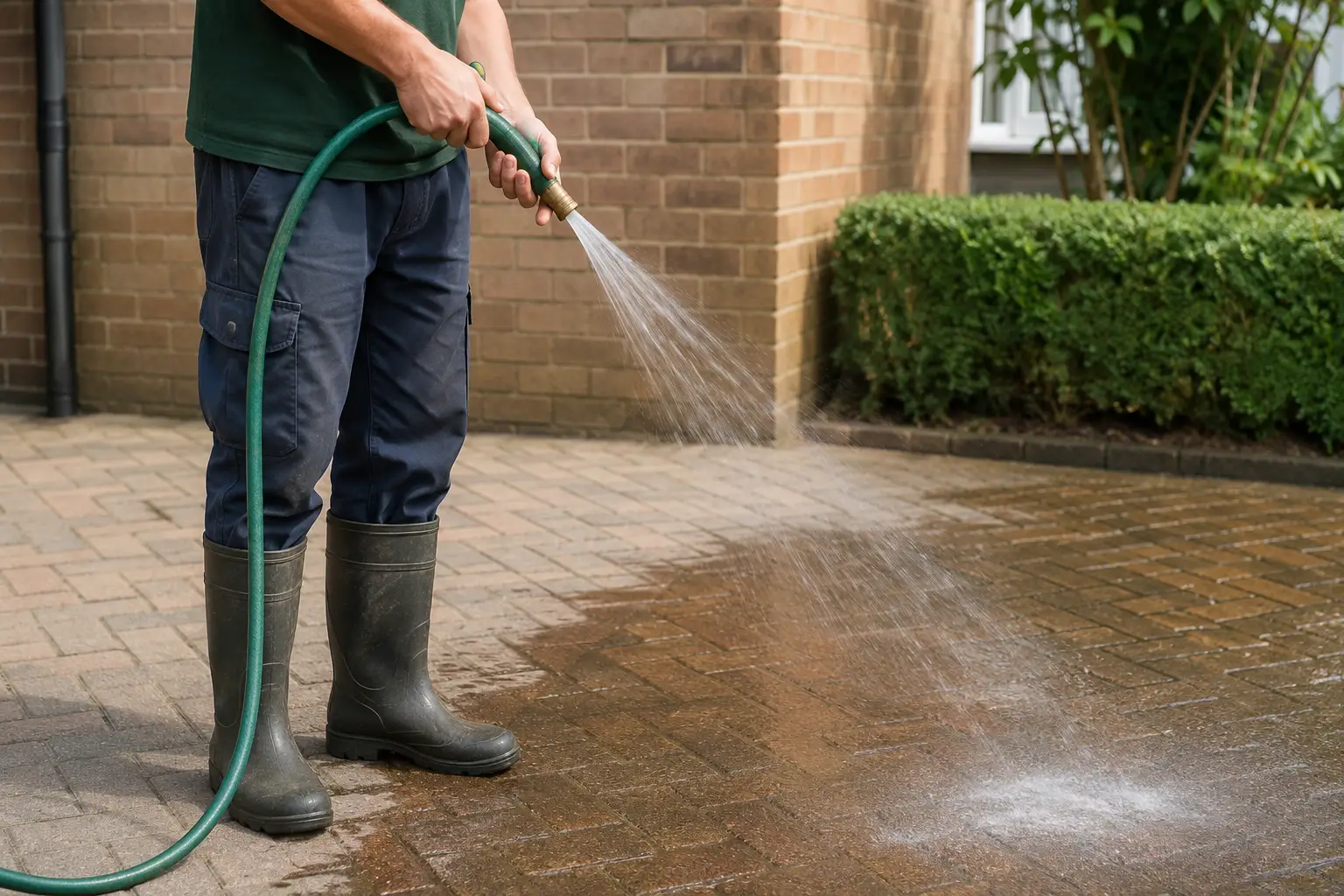
Private car washing with a hosepipe is commonly restricted. Patios, paths, boats, walls and outdoor surfaces may also be covered, especially if the activity is cosmetic rather than health or safety related.
Commercial cleaners, car washes and property maintenance firms should check whether their work qualifies as business use, essential cleaning or restricted non-essential use.
Why Do Water Companies Introduce Hosepipe Bans During Dry Weather?
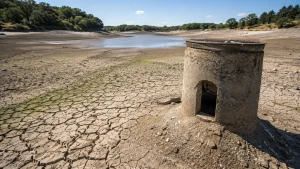
Water companies introduce hosepipe bans when demand becomes too high or water resources come under pressure.
Hot weather can lead to sharp increases in outdoor water use, especially for gardens, paddling pools, cars and pressure washing.
South East Water says restrictions in Kent were introduced because continued pressure on its network means it needs to reduce non-essential water use. In its official statement, the company said:
“Our absolute priority has to be making sure there is always enough water for everyone’s essential daily needs—like hygiene, drinking and cooking—and that we protect our vulnerable customers.”
Main reasons for restrictions:
- Sustained heat and high customer demand.
- Low river, reservoir or groundwater levels.
- Pressure on treatment works and storage tanks.
- Need to protect drinking water for essential use.
- Environmental protection for rivers, habitats and wildlife.
- Risk of supply interruptions if demand remains too high.
This explains why hosepipe restrictions can appear even when some areas have recently had rain. Local treatment capacity, storage levels and daily demand all matter.
Who Decides When a Hosepipe Ban Starts and Ends?
Water companies decide when to introduce or remove a Temporary Use Ban in their supply area.
The Environment Agency provides drought monitoring and wider water resource context, but the company serving the customer is the key authority for local restrictions.
A ban normally begins after the company publishes a legal notice and customer information.
It ends only when the company is satisfied that water supply, demand and local resource conditions have recovered enough. Rainfall alone does not automatically remove a hosepipe ban.
The BBC’s hosepipe ban overview also explains that restrictions are linked to high demand, low supply and the need to save water for drinking, vulnerable people and essential use.
Who May Be Exempt from Hosepipe Ban Rules?
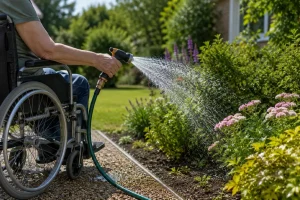
Exemptions are not the same everywhere. Each water company publishes its own rules, usually with category-based exemptions for health, disability, animal welfare, business need or specific water use.
Possible exemption areas:
| Exemption area | What it may include |
|---|---|
| Priority Services Register | Customers who cannot reasonably adjust due to disability or health needs |
| Animal welfare | Water use needed to protect animals, fish or aquatic life |
| Health and safety | Cleaning or water use needed to prevent risk |
| Business need | Commercial activity where hosepipe use is central to the service |
| Recycled water | Water from a water butt, grey water or non-mains source |
| Religious practice | Water use needed for specific religious purposes |
Customers should not assume they are exempt just because their reason feels important. They should check the supplier’s exemption page or contact the company directly.
Medical, Disability and Priority Service Needs
Some water suppliers, including South East Water, state that eligible customers on their Priority Services Register may qualify for exemptions where they cannot reasonably avoid using a hosepipe.
This may include people with a serious illness, physical disability, restricted hand movement, or other medical conditions that make alternative methods impractical.
Animal Welfare and Health and Safety Use
Exemptions may also apply where water use is necessary to protect animal welfare, public health, or safety.
For example, a hosepipe may be permitted if it is needed to provide water for animals, maintain fish ponds, prevent disease, or ensure safe access to a property or workplace.
Commercial and Essential Business Use
Certain commercial and essential business activities may be exempt from hosepipe restrictions, although the rules vary between water suppliers.
Businesses such as car washes, garden centres, construction companies, landscapers, and maintenance contractors should check the specific conditions that apply and keep a clear record of any permitted hosepipe use to demonstrate compliance if required.
What Could a Hosepipe Ban Mean for UK Businesses?
A hosepipe ban can affect businesses that rely on outdoor water use, especially during hot weather when customer demand is already higher.
It may change how firms schedule work, serve customers, maintain premises or communicate with clients.
Business sectors most likely to be affected include:
- Car washes and mobile valeting firms.
- Gardeners, landscapers and grounds maintenance providers.
- Window cleaners and exterior cleaning companies.
- Hospitality venues with outdoor spaces.
- Leisure parks, campsites and holiday parks.
- Garden centres, growers and nurseries.
- Schools, care homes and animal-related businesses.
For a business blog/news audience, the commercial issue is not only whether the ban exists.
It is whether the business can prove its use is legal, proportionate and covered by an exemption. Firms should train staff, update customers and avoid visible non-essential hosepipe use during active restrictions.
What Should Residents and Firms Do Before Using a Hosepipe?
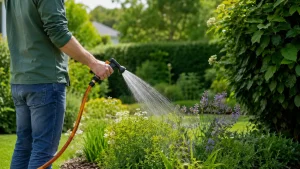
Before using a hosepipe, residents and firms should check their supplier’s latest notice and confirm whether their specific use is allowed.
Thames Water, for example, has asked customers through its dry weather water update not to use hosepipes or sprinklers during heatwaves, even where a formal ban may not be in force.
Practical steps:
- Use a watering can instead of a hosepipe.
- Use a bucket for car washing where permitted.
- Reuse grey water where safe and appropriate.
- Collect rainwater in a water butt.
- Water plants in the morning or evening to reduce evaporation.
- Fix leaking taps, toilets and outdoor pipes.
- Check supplier updates before starting outdoor business work.
The responsible approach is simple: check first, reduce non-essential use, and avoid assuming that rules are the same across the UK.
Conclusion
Whether you are a homeowner, tenant or business owner, the safest answer to “do we have a hose pipe ban” is to check your supplier before using outdoor water.
Restrictions are local, not national, and the rules can change quickly during heatwaves or drought pressure. Kent, Hampshire and the Isle of Wight show how regional bans can affect daily routines and business operations.
Use watering cans, buckets and recycled water where possible, follow official notices, and keep checking updates regularly before any hosepipe use again.
FAQs
Can I use a watering can during a hosepipe ban?
Usually yes. Hosepipe bans normally restrict hosepipes, sprinklers and similar equipment, not every form of outdoor watering. Check the supplier notice for exact rules.
Are pressure washers banned during a hosepipe ban?
They may be restricted if connected to mains water and used for non-essential cleaning. Health and safety cleaning may be treated differently.
Can I wash my car without a hosepipe?
Usually yes, if using a bucket rather than a hosepipe. Commercial car washing may have separate exemption rules depending on the supplier notice.
Can I fill a paddling pool during a hosepipe ban?
Usually no if using a hosepipe. Filling swimming pools, paddling pools or hot tubs is commonly restricted during a Temporary Use Ban.
Can businesses still use hosepipes?
Some businesses can use hosepipes where it is essential to their commercial purpose, but the rules vary. The supplier’s legal notice should always be checked.
Can I be fined for breaking a hosepipe ban?
Yes. Breaking the rules during a Temporary Use Ban can lead to fines of up to £1,000. Water companies are responsible for enforcement.
Does rain mean the hosepipe ban is over?
No. Restrictions continue until the water company officially lifts them. A short spell of rain may not be enough to restore river, groundwater, reservoir or storage levels.
Editorial Note:
This article was written for UK readers, households and businesses searching “do we have a hose pipe ban” and related local water restriction updates.
It uses official water company pages, Water UK supplier lookup information, Environment Agency guidance, Ofwat consumer guidance and BBC weather context. This is informational, not financial/legal advice.
How We Checked?
We checked South East Water’s Kent restriction notice, Southern Water-related local authority updates for Hampshire and the Isle of Wight, Yorkshire Water’s current restriction page, Thames Water’s dry weather update, the Water UK postcode supplier checker, Ofwat’s consumer guidance and the Environment Agency drought explainer.

Leave a Reply