
Last checked: 1 July 2026
Editorial note: This article separates confirmed public records from statements reported in the media. It will require updating when formal insolvency documents become available.
Disclaimer: This is informational, not financial/legal advice.
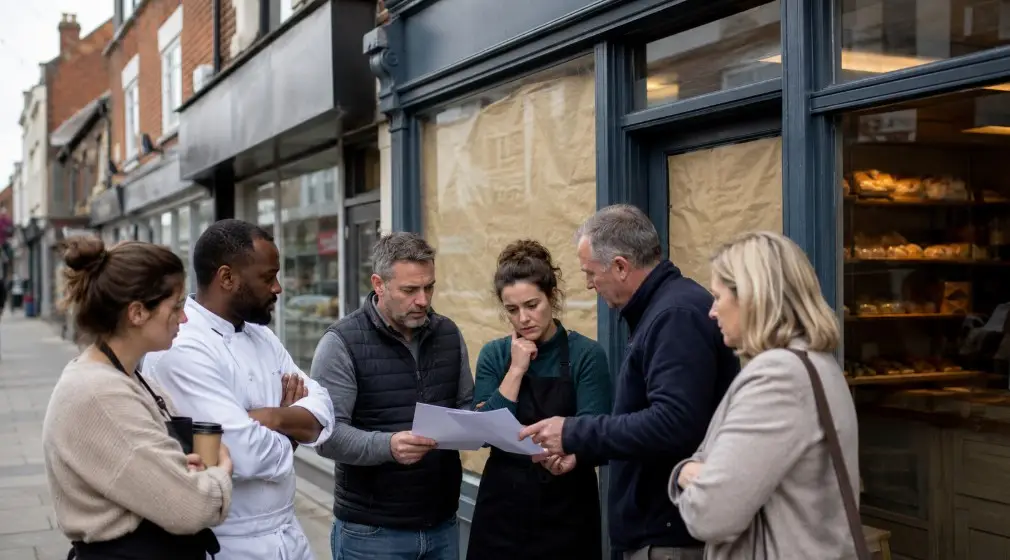
Coughlans Bakery has closed its shops after approximately 89 years in business. The regional bakery chain stopped trading on 30 June 2026, with reports indicating that all 31 branches across London and south-east England were affected.
Owner Sean Coughlan attributed the closure to a combination of employment costs, business rates, fuel prices and weaker trading during extremely hot weather.
Reports also state that the company is entering voluntary liquidation, although that process was not yet shown on its public Companies House record when last checked.
The closure brings an abrupt end to a family bakery established in 1937 and later part-owned by comedian Romesh Ranganathan.
Quick Answer: Is Coughlans Bakery Closing?
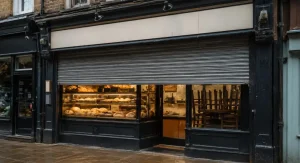
Yes. Coughlans Bakery ceased trading and closed its reported 31 shops on 30 June 2026.
Sean Coughlan said that rising operating costs had made the business unsustainable despite recent periods of stronger sales and expansion.
A closure report states that the company is going into voluntary liquidation. However, its official company status still appeared as active on 1 July 2026, and no liquidation filing was visible at that time.
What Happened to Coughlans Bakery?
The closure was immediate rather than a gradual reduction in branches. Sean Coughlan announced the decision on 30 June, explaining that the company had reached a point where it needed to stop trading to protect payments to staff and suppliers.
Reports said that all 31 stores would close, including branches across Croydon, Coulsdon, Surrey, Kent and West Sussex.
The company’s archived branch directory listed shops in locations including Addiscombe, Banstead, Beckenham, Caterham, Crawley, Croydon, Dorking, Epsom, Horley, Horsham, Oxted, Purley, Reigate, Wallington and Westerham.
No reopening plan or confirmed rescue deal had been announced when this article was checked.
Why Is Coughlans Bakery Closing?
The owner blamed several financial pressures arriving at the same time rather than one isolated problem.
Employment Costs
A bakery chain needs staff across production, delivery, administration and retail. Even a modest increase in the cost of employing each person can become substantial when multiplied across dozens of shops and many working hours.
Sean Coughlan said employer National Insurance costs, wage increases and business rates had placed additional pressure on the company from April. These are the owner’s stated reasons; a detailed independent breakdown had not yet been published.
Business Rates and Shop Expenses
Operating a multi-site chain involves fixed costs even when customer numbers fall. Rent, business rates, insurance, equipment maintenance and utilities may still be payable regardless of how much a shop sells on a particular day.
This can make high-street businesses especially vulnerable when costs rise faster than sales or profit margins.
Fuel and Distribution Costs
Coughlans produced goods for a network of stores, meaning fuel and distribution were important operating expenses.
Sean Coughlan reportedly said the company’s weekly fuel bill had doubled from approximately £3,000 to £6,000.
He estimated that the combination of fuel, employment costs and rates had added around £20,000 a week to the business’s expenses. These figures were provided by the owner and should not be treated as audited financial results.
Hot Weather and Lower Sales
The owner also said very hot weather had reduced sales at some shops to around half their normal level while fixed outgoings remained unchanged.
Hot weather can affect bakeries because customers may buy fewer hot pastries, cooked lunches and heavier baked products. However, complete trading figures have not been published, so the precise effect on Coughlans cannot yet be independently assessed.
How Could a Growing Bakery Close So Suddenly?
Growth does not necessarily mean that a company is profitable or holding enough cash.
Coughlans had recently opened or planned new shops, and Sean Coughlan described March 2026 and parts of the previous year as positive trading periods. Romesh Ranganathan had also purchased a stake in the bakery in 2024 as the business pursued expansion.
Opening shops can increase revenue, but it also creates new commitments:
- Rent and business rates
- Shop-fitting and equipment expenses
- Recruitment and training costs
- Larger stock requirements
- Additional delivery routes
- Greater payroll obligations
A company can therefore generate more sales while its margins, working capital or available cash decline. There is not yet enough public evidence to conclude that expansion caused the Coughlans closure, but recent growth does not contradict the possibility of serious cash-flow pressure.
Has Coughlans Bakery Gone Into Liquidation?

Media reports say Coughlans Bakery is entering voluntary liquidation. At the time of checking, however, its formal public record had not yet been updated to show a liquidation process.
Register status last checked: 1 July 2026.
The Companies House record still described Coughlans Bakeries Limited as an active private company. Its filing history showed full accounts filed in February 2026 but no visible liquidation document.
An “active” Companies House label does not prove that shops remain open. It describes the company’s administrative status and may not immediately reflect a closure or newly initiated insolvency process.
What Does Voluntary Liquidation Mean?
Voluntary liquidation generally involves closing an insolvent or no-longer-viable company, appointing an insolvency practitioner, selling available assets and distributing funds to creditors according to legal priorities.
Until formal notices appear, important details remain unconfirmed, including:
- The appointed insolvency practitioner
- The formal liquidation date
- The company’s total debts and assets
- The number of affected employees
- Outstanding supplier claims
- The treatment of customer orders or vouchers
How Long Was Coughlans Bakery in Business?
Coughlans operated for approximately 89 years, not a full century.
The official register records that Coughlans Bakeries Limited was incorporated on 4 October 1937 under the earlier name John Coughlan (Bakers) Limited.
The company later became known for its traditional baked products, food-to-go range and extensive selection of vegan items.
Headlines describing it as a 100-year-old bakery are therefore imprecise. “Nearly nine decades” is the clearer description.
Who Owned Coughlans Bakery?
Coughlans was a longstanding family business led by members of the Coughlan family, including director Sean Coughlan.
Romesh Ranganathan purchased an undisclosed stake in the company in 2024. Contemporary industry reporting described him as a part-owner who joined while the bakery was looking to expand its retail estate.
There is no credible public evidence that Ranganathan caused the closure or controlled the company’s day-to-day financial decisions. His precise investment and ownership percentage have not been publicly confirmed.
What Does the Closure Mean for Employees?
The total number of employees affected had not been officially confirmed when this article was checked.
When an employer enters formal insolvency, an appointed insolvency practitioner should tell employees how their jobs are affected and provide the case-reference information needed for eligible claims.
According to the government’s insolvency guidance for employees, eligible workers may be able to claim:
- Statutory redundancy pay
- Unpaid wages
- Holiday pay
- Commission or overtime
- Statutory notice pay
Eligibility depends on employment status, age, length of service and the individual circumstances. Employees normally need a case-reference number from the insolvency practitioner before submitting certain claims.
Employees should retain contracts, payslips, holiday records, pension information and all messages received from the company.
What Does the Closure Mean for Suppliers?
Suppliers owed money may become creditors in the liquidation.
They should keep copies of invoices, contracts, delivery records and account statements. Once an insolvency practitioner is appointed, suppliers may be asked to submit details of what they are owed.
Unsecured creditors are not guaranteed full repayment. The amount recovered depends on the company’s available assets, secured liabilities, insolvency expenses and the legal order in which claims must be paid.
Official creditor guidance explains the general process for registering money owed by an insolvent business.
What Should Customers Do About Orders or Gift Cards?
No detailed public process for Coughlans customer claims had been confirmed at the time of checking.
Customers with prepaid cake orders, event catering bookings or unused vouchers should:
- Retain receipts and order confirmations
- Avoid making further payments
- Monitor official company and insolvency announcements
- Contact their bank or card provider promptly
- Submit a creditor claim if instructed by the liquidator
Some card payments may qualify for chargeback or Section 75 protection, depending on the payment method, purchase value and circumstances. These protections are not automatic, and customers should ask their card provider about their specific transaction.
Confirmed Facts About the Coughlans Bakery Closure
| Question | Position as of 1 July 2026 |
|---|---|
| Has Coughlans stopped trading? | Yes |
| When did the closure happen? | 30 June 2026 |
| How many stores were reportedly affected? | 31 |
| When was the company established? | 1937 |
| How long did it trade? | Approximately 89 years |
| Why did it close? | The owner cited employment costs, rates, fuel and reduced hot-weather sales |
| Is it in liquidation? | Voluntary liquidation has been reported, but formal filings were not yet visible |
| Is a reopening confirmed? | No |
What Should Employees, Suppliers and Customers Do Next?
Employees should wait for formal information from the company or appointed insolvency practitioner and use official government services for redundancy-related claims.
Suppliers should prepare evidence of outstanding debts and avoid relying on social-media claims about repayment.
Customers should preserve proof of payment, contact their card provider where appropriate and be alert to refund scams. A legitimate insolvency practitioner will not normally ask for an upfront payment simply to register a basic creditor claim.
Everyone affected should monitor:
- The Companies House filing history
- Notices published in The Gazette
- Communications from the insolvency practitioner
- Verified Coughlans social-media accounts
What Does the Closure Say About UK High-Street Businesses?
The Coughlans Bakery closing illustrates how several relatively small cost increases can combine into a much larger problem for a multi-site retailer.
Independent and regional chains often operate with narrow margins while carrying fixed expenses across multiple premises. They may have less purchasing power, less access to funding and smaller cash reserves than national businesses.
However, Coughlans’ full financial position cannot be established until formal insolvency documents are published. The closure should therefore be examined as an individual business case rather than proof that every bakery or high-street company faces the same outcome.
Key Takeaways
- Coughlans Bakery ceased trading on 30 June 2026.
- All 31 reported branches were affected.
- The company had operated since 1937.
- Sean Coughlan blamed a combination of rising costs and weaker hot-weather trading.
- Voluntary liquidation has been reported but was not yet reflected in public filings.
- Details about debts, job losses and customer claims remain outstanding.
Conclusion
The Coughlans Bakery closing marks the end of a family-run bakery that served communities across London and south-east England for nearly nine decades.
Although the owner has explained the commercial pressures behind the decision, formal insolvency documents are still needed to establish the company’s financial position and what happens next for staff, suppliers and customers.
This article will need updating once the liquidator, creditor process and final company status are officially confirmed.
FAQs About Coughlans Bakery Closing
Is every Coughlans Bakery shop closed?
Reports indicate that Coughlans ceased trading and all 31 stores closed with immediate effect on 30 June 2026.
Why did Coughlans Bakery close?
Sean Coughlan cited higher employment costs, business rates, rising fuel expenses and lower sales during periods of very hot weather.
Who is the owner of Coughlans Bakery?
Coughlans Bakery was a family-run business led by director Sean Coughlan, with comedian Romesh Ranganathan becoming a co-owner in 2024. Companies House lists Smitham Lodge Estates Limited and Ranganathan’s company, Vetty Limited, as the two corporate entities with significant control over Coughlans Bakeries Limited.
How many branches does Coughlans Bakery have?
Coughlans Bakery operated 31 branches across south London, Surrey, Kent and West Sussex before ceasing trading on 30 June 2026. Reports indicate that all 31 shops were affected by the closure.
Did Romesh Ranganathan own Coughlans Bakery?
Ranganathan purchased an undisclosed stake in 2024 and was described as a part-owner. He was not publicly identified as the sole owner.
What happens to Coughlans employees?
Eligible employees may be able to claim redundancy pay, unpaid wages, holiday pay and notice pay after receiving the necessary information from the insolvency practitioner.
Can customers claim a refund?
Customers should retain proof of payment and contact their bank or card provider. Eligibility for chargeback, Section 75 or a creditor claim depends on the transaction.
Could Coughlans reopen under another owner?
A buyer could potentially acquire assets or intellectual property, but no rescue, purchase or relaunch had been announced when this article was checked.

Leave a Reply