
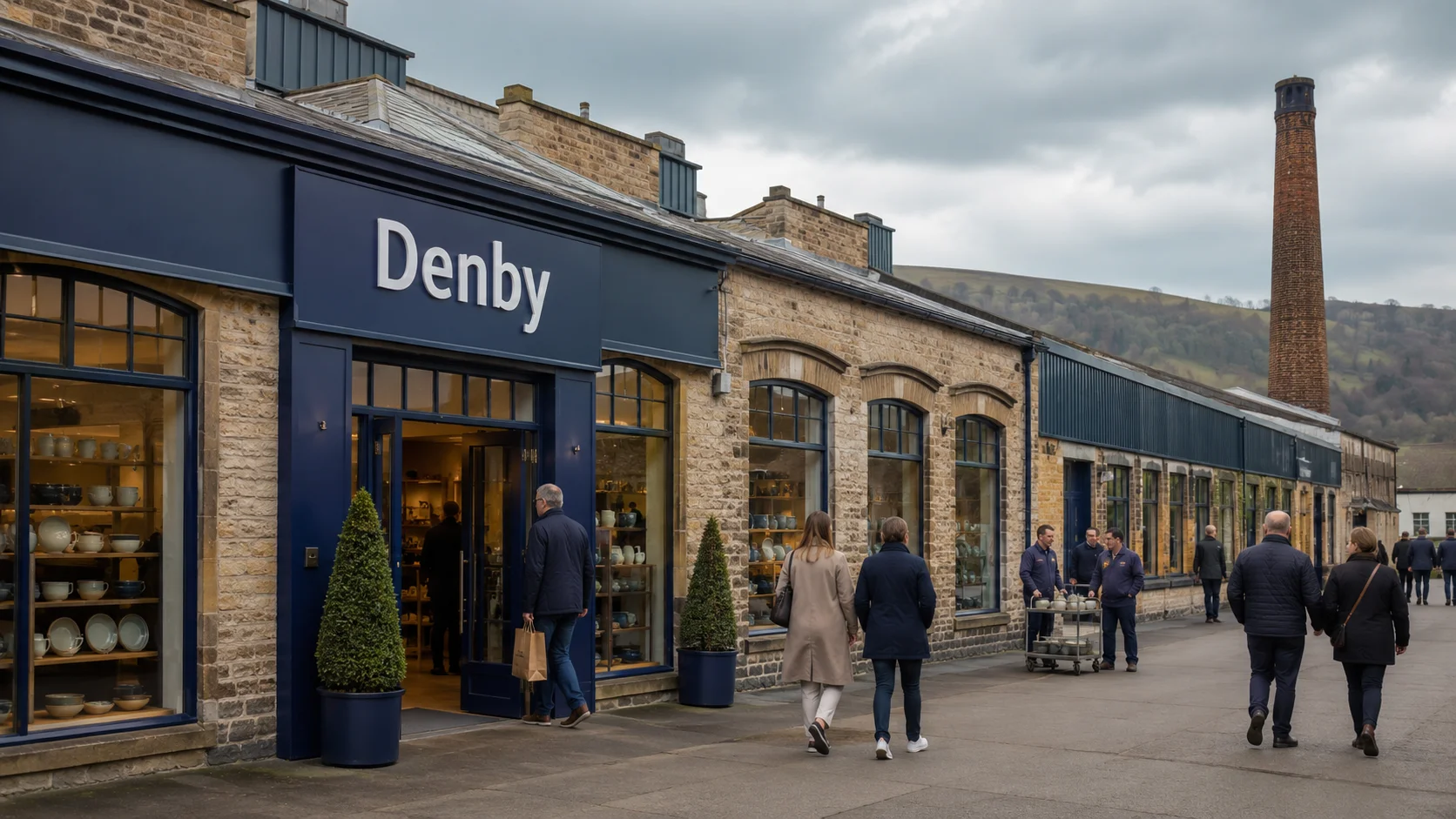
No, Denby has not completely gone out of business, but the historic British pottery brand is currently in administration after struggling with rising energy and operational costs.
The company has permanently closed its Derbyshire manufacturing site and made redundancies, but its retail stores, website, and international operations continue trading while administrators search for a buyer.
Customers can still purchase products online and in stores, and outstanding orders are being fulfilled as normal.
The situation has also sparked wider discussions about the future of British manufacturing and heritage brands facing economic pressure.
Key Takeaways:
- Denby entered administration after financial difficulties
- Manufacturing operations in Derbyshire have permanently closed
- Retail stores and the website continue trading
- International subsidiaries remain operational
- FRP Advisory is searching for potential buyers
- The #SaveDenby campaign is encouraging public support
- The company has not entered liquidation at this stage
What Led Denby Into Administration?
Denby entered administration after facing prolonged financial difficulties linked to manufacturing costs and wider economic pressures affecting the UK retail and ceramics sectors.
The company had operated successfully for more than two centuries, building a strong reputation for premium stoneware and British craftsmanship, but recent years created conditions that became increasingly difficult for traditional manufacturers.
The UK ceramics industry has experienced rising pressure from several directions at once.
Energy costs reached record levels, raw materials became more expensive, transportation charges increased, and consumer confidence weakened because of inflation and the cost of living crisis.
These challenges combined to create a difficult trading environment for many British manufacturers.
Denby’s products require energy intensive manufacturing processes involving kilns operating at extremely high temperatures.
Ceramic production depends heavily on stable gas and electricity supplies, meaning sudden increases in energy prices can significantly affect profitability.
Rising Energy Costs and Manufacturing Pressure
One of the main reasons behind Denby’s administration was the rapid increase in operational expenses linked to energy usage.
Pottery manufacturing relies heavily on energy for firing ceramics, drying materials, glazing, and maintaining production facilities. As UK energy prices surged, production costs rose sharply across the industry.
Manufacturers in Britain have struggled to compete with overseas producers where labour and energy expenses are often lower.
While Denby maintained a strong reputation for quality products made in Britain, maintaining domestic production became increasingly expensive.
The company also faced growing pressure from inflation affecting almost every area of business operations. Packaging, transportation, staffing, and supply chain expenses all increased during the same period.
A retail insolvency consultant explained the challenge clearly: “I’ve worked with several heritage manufacturing businesses over the last few years, and the pattern is very similar. Companies with strong reputations are still seeing demand for their products, but the cost of producing goods in the UK has become extremely difficult to manage when energy prices rise so dramatically.”
Many British manufacturers faced similar struggles after global economic instability disrupted supply chains and increased operating costs. Businesses that depended heavily on energy consumption were among the most severely affected.
The table below highlights some of the key pressures facing ceramic manufacturers in recent years.
Business Challenge Impact on Manufacturers
Rising Energy Prices Increased kiln and production costs
Inflation Higher operating expenses
Reduced Consumer Spending Lower sales growth
Overseas Competition Pressure on pricing
Supply Chain Issues Delays and material shortages
Wage Increases Higher staffing costs
Challenges Facing the British Ceramics Industry
The British ceramics industry has long been regarded as an important part of the UK’s manufacturing heritage.
However, many companies operating within the sector have struggled to remain competitive in a global market where overseas manufacturers can often produce similar products at lower costs.
Traditional pottery brands face a difficult balance between preserving British craftsmanship and maintaining affordable pricing for customers. In many cases, consumers appreciate British-made products but still compare prices against cheaper imported alternatives.
The economic slowdown also affected spending patterns in the homeware sector. During periods of financial uncertainty, customers often reduce spending on premium household products and decorative items.
Several well-known UK retailers and manufacturers have faced financial distress in recent years, reflecting wider pressures across the economy.
Denby’s administration therefore represents part of a broader challenge affecting British manufacturing and retail industries.
The closure of Denby’s manufacturing site also raised concerns about the long-term future of pottery production within the UK.
Industry observers have warned that rising costs may continue forcing manufacturers to reduce operations or move production overseas.
Failed Efforts to Secure Investment
Before entering administration, Denby reportedly explored various options to stabilise the business financially. These efforts included seeking investors, restructuring operations, and attempting to secure buyers who could help preserve the company.
Unfortunately, these efforts were not enough to prevent the administration.
FRP Advisory was appointed to oversee the administration process and assess possible recovery options for the business. Administrators are now responsible for managing operations while attempting to secure the best possible outcome for creditors, employees, and the future of the brand.
Administration does not automatically mean a business will disappear permanently. In many cases, companies continue trading during administration while buyers or restructuring plans are explored.
Why Has Denby Closed Its Derbyshire Manufacturing Site?
The permanent closure of Denby’s Derbyshire manufacturing facility marked one of the most significant developments in the company’s history. The factory had operated for more than 200 years and represented an important part of British ceramics heritage.
Administrators concluded that continuing in-house manufacturing was no longer financially sustainable under current market conditions. Rising production costs and ongoing economic uncertainty made it difficult to maintain profitable operations at the site.
The closure resulted in significant job losses, affecting employees who had often worked at the company for many years.
For the local community, the closure carried both economic and emotional significance because Denby had been closely connected to the area for generations.
The Derbyshire site was widely recognised for producing high-quality stoneware products associated with traditional British craftsmanship. Its closure therefore symbolised the wider challenges facing domestic manufacturing industries.
The table below outlines the main effects of the factory closure.
Area Affected Impact
Manufacturing Operations Permanently ceased
Employees Dozens of redundancies
Local Economy Loss of manufacturing jobs
Product Production In house manufacturing ended
Brand Heritage Historic site closure
Although manufacturing has stopped, Denby’s remaining business activities continue to operate. Retail stores, online sales, and international operations remain active while administrators seek potential buyers.
Some industry experts believe the Denby brand itself still holds significant value despite the closure of manufacturing operations.
A manufacturing analyst familiar with British heritage brands explained: “The closure of the factory is obviously a major setback, but brands like Denby still carry strong recognition and customer loyalty. Investors often see long term value in established names with international reach, even if manufacturing structures need to change.”
The closure has also reignited debate about support for British manufacturing industries. Many businesses have argued that rising energy costs and international competition make domestic production increasingly difficult without government support.
Are Denby Stores and the Website Still Trading?
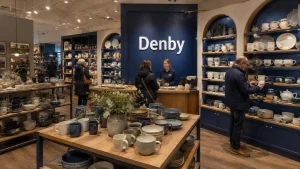
Yes, Denby stores and the official website remain operational during the administration process. Customers can still browse products, place orders, and visit physical retail locations as normal.
This continuation of trading is common during administration because businesses often continue generating revenue while administrators explore restructuring options or seek buyers.
Customers initially feared that Denby would shut down completely once administration was announced, but retail activities have continued without major disruption.
Retail Stores Continue Operating
Denby’s physical retail stores remain open across the UK. Customers can continue purchasing products directly from stores, including tableware, cookware, and home accessories.
Keeping stores operational allows the business to maintain customer engagement and preserve brand visibility during administration.
The continuation of retail operations also helps reassure loyal customers who may worry about losing access to Denby products altogether.
Retail staff continue assisting customers while administrators evaluate the future structure of the business.
Online Orders and Deliveries
The Denby website also remains fully operational. Customers are still able to place orders online, and outstanding purchases continue being fulfilled.
This has been an important factor in maintaining customer confidence during the administration process. Many shoppers feared that existing orders would be cancelled or delayed indefinitely, but the company has continued processing purchases.
The table below summarises the current trading status of the business.
Business Area Current Status
Retail Stores Open
Official Website Operational
Customer Orders Being fulfilled
International Sales Continuing
Administration Process Active
Buyer Search Ongoing
A homeware retail specialist described the situation this way: “Administration often creates panic among customers because people assume the company immediately stops operating. In reality, many businesses continue trading for months while restructuring discussions take place.”
The ongoing availability of products may also improve Denby’s attractiveness to potential investors because active retail operations demonstrate continued customer demand.
What Does Administration Mean for Denby Customers?
Administration is a legal process designed to protect businesses facing financial difficulty while solutions are explored. It differs significantly from liquidation, which involves permanently closing a company and selling its assets.
For customers, this means Denby continues operating while administrators search for possible recovery options.
At present, customers can still:
- Purchase products online and in stores
- Receive existing orders
- Contact customer support
- Access available stock
However, some uncertainty remains regarding future ownership and long-term business operations.
Many consumers misunderstand administration and assume it means immediate closure. In practice, administration often allows companies time to stabilise operations while negotiations take place.
The distinction between administration and liquidation is important.
Process Meaning
Administration Business continues operating during recovery efforts
Liquidation The company closes permanently, and assets are sold
Restructuring Business operations reorganised
Acquisition Company sold to new owners
Customers may still have questions regarding warranties, returns, and future product availability. In many administration cases, businesses continue honouring existing customer commitments while trading remains active.
The uncertainty surrounding administration often affects public confidence, but the continuation of retail and online operations suggests Denby is attempting to preserve normal customer experiences as much as possible.
The company’s future direction will likely depend on whether administrators can secure investment or complete a sale of the brand.
Is Denby Still Operating Internationally?
Although the UK manufacturing operation has closed, Denby’s international subsidiaries continue operating outside the administration process.
This includes business activities in:
- The United States
- Korea
- China
These divisions continue trading normally and remain unaffected by the UK administration proceedings.
The international side of the business may become increasingly important moving forward because global operations still provide commercial value and brand presence.
Denby products continue being distributed internationally through retailers, distributors, and online channels. Customers outside the UK may therefore experience little disruption when purchasing products.
International operations may also increase the company’s appeal to potential investors interested in preserving and expanding the brand globally.
The table below shows the status of Denby’s key operational areas.
Operational Area Status
UK Manufacturing Closed
UK Retail Stores Trading
Website Sales Active
USA Operations Operating Normally
Korea Operations Operating Normally
China Operations Operating Normally
Maintaining international business activity could help preserve the long-term value of the Denby name, even if manufacturing structures change significantly in the future.
Can Denby Still Be Saved?
Despite the closure of manufacturing operations, administrators continue searching for buyers interested in acquiring the business or parts of it.
Many companies entering administration eventually survive through restructuring or acquisition. The Denby brand still holds strong recognition within the homeware sector, which may attract investors interested in preserving its commercial value.
FRP Advisory’s Search for a Buyer
FRP Advisory is responsible for overseeing the administration process and evaluating potential recovery solutions.
Possible outcomes include:
- Sale of the brand to new investors
- Restructuring of retail operations
- Licensing agreements
- International expansion under new ownership
Administrators will likely focus on preserving profitable parts of the business while reducing financial risks associated with manufacturing.
The possibility of a retail-focused future remains one of the most likely outcomes if buyers cannot restore domestic manufacturing profitably.
Understanding the #SaveDenby Campaign
The #SaveDenby campaign was launched to raise awareness about the challenges facing the company and encourage public support.
The campaign highlights concerns about:
- Rising energy costs
- Decline of UK manufacturing
- Loss of British heritage brands
- Protection of skilled jobs
Supporters have encouraged customers to continue purchasing Denby products to help maintain trading activity during administration.
The campaign also reflects wider concerns about the future of British manufacturing industries struggling against international competition and economic pressures.
How Have Customers and the Public Reacted?

Public reaction to Denby’s administration has been emotional, particularly among customers who associate the brand with British heritage and family traditions.
Many customers shared memories of owning Denby products for decades, reflecting the strong reputation the company built over generations.
Social media discussions have focused heavily on concerns about losing another historic British manufacturing brand.
Some customers expressed frustration about economic conditions affecting UK businesses, while others criticised the lack of support for domestic manufacturing industries.
At the same time, many loyal customers actively supported the company by purchasing products and sharing messages online promoting the #SaveDenby campaign.
The emotional attachment many households have toward Denby products demonstrates the cultural significance of long-established British brands.
What Could Happen to Denby Next?
The future of Denby now depends largely on the success of the administration process and whether buyers are willing to invest in the business.
Several possible outcomes remain under consideration.
Possible Outcomes for the Brand
Potential future scenarios include:
Possible Outcome Explanation
Full Acquisition New owner purchases the business
Retail Focused Model Stores and website continue without UK manufacturing
International Expansion Overseas operations become more significant
Brand Licensing Products produced through external manufacturers
Partial Restructuring Some operations continue under a reduced structure
Many heritage brands survive administration by adapting business models to changing market conditions.
Ongoing Risks Facing the Company
Despite ongoing trading activity, Denby still faces significant risks linked to economic uncertainty and operational sustainability.
The company must overcome challenges, including rising costs, changing consumer spending patterns, and intense global competition.
The loss of domestic manufacturing may also affect customer perceptions of the brand because many consumers strongly associate Denby with British-made craftsmanship.
Whether the company can rebuild stability under new ownership or restructuring remains uncertain, but administrators continue exploring solutions aimed at preserving the brand in some form.
Conclusion
Denby is not completely going out of business, but the company is currently navigating a difficult administration process after closing its historic Derbyshire manufacturing site.
While production has ended, retail stores, online operations, and international subsidiaries continue trading as administrators search for potential buyers.
The future of the iconic British brand remains uncertain, but there is still a possibility of recovery through restructuring or new ownership. For now, customers can still purchase Denby products while developments around the company’s future continue unfolding.
FAQs
Has Denby officially stopped trading?
No, Denby is still trading during the administration process. Retail stores and the website continue operating while administrators search for a buyer.
Can customers still order products from Denby online?
Yes, customers can still place orders through Denby’s official website, and existing orders are currently being fulfilled.
Why did Denby enter administration?
The company faced rising energy prices, increased manufacturing costs, and broader financial pressures affecting the UK ceramics industry.
Are Denby retail stores closing down?
At present, Denby retail stores remain open and continue trading as normal during administration.
What happens to existing customer orders?
Outstanding customer orders are still being processed and delivered while the company continues operating.
Is Denby Pottery Village still open?
Yes, Denby Pottery Village continues to trade while administrators assess future options for the business.
Could another company purchase Denby?
Yes, administrators from FRP Advisory are actively seeking buyers interested in acquiring the brand or parts of the business.
Are Denby products still available outside the UK?
Yes, Denby’s international subsidiaries, including operations in the USA, Korea, and China, continue operating normally.

Leave a Reply