

LVIC on a bank statement usually stands for Liverpool Victoria Insurance Company Limited, commonly known as LV=. This transaction normally relates to insurance payments such as car, home, pet, travel, or life insurance premiums.
The charge may appear as LVIC, LV=INSURANCE, or similar banking references depending on the payment method and bank statement format. In most cases, the payment is legitimate and linked to an active or recently renewed insurance policy.
Key Takeaways:
- LVIC commonly refers to LV = Insurance payments
- The transaction may relate to direct debits or card payments
- LVIC charges are usually connected to insurance premiums
- Banks often shorten company names on statements
- Unrecognised payments should always be checked carefully
- Customers can verify charges through LV or their bank
- UK banking apps can help identify recurring LVIC transactions
What Does LVIC on a Bank Statement Mean?

Seeing an unfamiliar payment reference on a bank statement can immediately cause concern, especially when the wording appears shortened or unclear.
One of the banking references that often confuses people in the UK is “LVIC”. Many account holders search for the term after spotting it on a direct debit, debit card payment, or recurring banking transaction.
In most situations, LVIC stands for Liverpool Victoria Insurance Company Limited, which operates under the well-known LV= brand in the UK insurance market.
The company provides several insurance products, including motor, home, pet, travel, and life insurance.
When payments are processed through banking systems, the full company name is often shortened to fit transaction descriptions, which is why LVIC appears on statements instead of the complete business name.
People may notice the transaction after:
- A monthly insurance payment
- An annual renewal
- A direct debit collection
- An online insurance purchase
- A policy adjustment payment
The abbreviation can appear differently depending on the bank, payment processor, or transaction method used.
Common LVIC Statement Reference Possible Meaning
LVIC REFERENCE: 458921 Insurance payment reference
LV = INSURANCE E 01202 292333 GBR Direct debit transaction
LV INSURANCE W Card payment or online payment
LVIC Debit Recurring policy charge
LVIC Payment General insurance collection
Many UK banks shorten merchant names automatically to make transactions fit within banking account software limits.
This is common across the financial industry and does not necessarily indicate suspicious activity.
Full Form of LVIC in Banking
LVIC refers to Liverpool Victoria Insurance Company Limited. The company has operated in the UK insurance sector for many years and is recognised for offering personal insurance services to individuals and households.
The abbreviation itself is generated by banking systems rather than chosen by customers. Since statements often allow limited characters for merchant names, companies are displayed in shortened forms.
For example:
- Tesco may appear as TESCO STORES
- Amazon may appear as AMZN
- British Gas may appear as BRITISH GAS
- Liverpool Victoria Insurance Company may appear as LVIC
This type of banking abbreviation is completely normal and exists across nearly every UK banking provider.
Why does LV appear on UK Bank Statements?
Insurance companies process millions of transactions every month. To organise these payments efficiently, banking systems use merchant identifiers and abbreviated references.
LV = payments may appear on statements because:
- The customer has an active insurance policy
- A policy was recently renewed automatically
- A missed payment was collected
- An annual payment was processed
- A card payment was authorised online
A financial administrator explained this clearly:
“Many people do not recognise abbreviated banking references because the names rarely match the exact company branding they remember signing up with. LVIC is a good example of this confusion.”
Insurance companies often use third-party payment processors as well, which can slightly alter the wording displayed on statements.
Common Variations of LVIC Transactions
The wording may differ depending on:
- The customer’s bank
- Payment method
- Transaction type
- Merchant processing system
LVIC Transaction Variation Description
LVIC REFERENCE Standard insurance payment
LV= INSURANCE Recurring premium collection
LV INSURANCE W Web or online transaction
LVIC GBR UK processed payment
LVIC Debit Card Card-based insurance payment
LV INSURANCE E Electronic direct debit
People should not panic simply because the wording looks unfamiliar. The most important step is matching the transaction amount and date with known insurance activity.
Why Does LVIC Appear on a Bank Statement?
LVIC generally appears because an insurance-related transaction has been processed through a customer’s bank account.
These transactions may occur monthly, annually, or occasionally, depending on the type of policy involved.
Insurance providers often collect payments automatically through direct debit agreements, making the process convenient for policyholders.
However, because payments happen automatically, customers sometimes forget policies are active until they notice the transaction later on their bank statement.
Insurance Premium Payments
The most common reason for an LVIC charge is an insurance premium payment. Many insurance policies are paid monthly rather than annually because instalments are easier for household budgeting.
Monthly payments may include:
- Car insurance premiums
- Home insurance cover
- Pet insurance subscriptions
- Life insurance plans
- Travel insurance policies
The amount collected each month usually stays consistent unless:
- The policy renews
- Coverage changes
- Additional services are added
- Payment dates shift
Insurance Product Typical LVIC Payment Frequency
Car Insurance Monthly or annually
Home Insurance Monthly or annually
Pet Insurance Monthly
Life Insurance Monthly
Travel Insurance One off or annual
Many customers forget that smaller policies remain active for years, particularly pet insurance and travel cover.
Direct Debit Renewals
One of the most common causes of confusion is automatic policy renewal. UK insurance providers frequently renew policies automatically to prevent gaps in coverage.
This means:
- Existing customers continue receiving protection
- Payments continue automatically
- Policies remain active unless cancelled
A customer support adviser described this issue clearly:
“We regularly hear from people who believe the LVIC payment is unfamiliar, but after checking their records, they realise the policy renewed automatically several weeks earlier.”
Insurance renewal reminders are usually sent by:
- Printed letters
- Mobile notifications
- Online account alerts
However, many people overlook these communications, especially if the policy has existed for several years.
One-Off Card Transactions
Not every LVIC payment is recurring. Some transactions are one-time payments linked to:
- Policy purchases
- Deposit payments
- Midterm adjustments
- Excess charges
- Temporary insurance products
For example, someone purchasing travel insurance before a holiday may only see a single LVIC payment appear once on their statement.
Similarly, policy upgrades or additional vehicle cover can generate separate charges outside normal monthly premiums.
Is LVIC on a Bank Statement Legitimate or a Scam?

In the majority of cases, LVIC transactions are legitimate insurance-related payments. However, any unfamiliar transaction deserves proper attention because fraud and unauthorised activity can sometimes involve merchant references that appear genuine.
People should avoid assuming every unfamiliar payment is fraudulent, but they should also avoid ignoring unknown transactions completely.
How to Verify a Genuine LVIC Charge?
There are several practical ways to confirm whether the transaction is legitimate.
The first step involves checking:
- Insurance paperwork
- Email confirmations
- Banking app payment history
- Direct debit lists
- Renewal notifications
Most mobile banking apps now display additional merchant details that were previously unavailable on printed statements.
Verification Method Purpose
Check direct debits Identify active policy payments
Review policy documents Match the payment amount
Search emails for LV= Find confirmation notices
Contact LV= support Verify transaction reference
Review previous statements Identify recurring patterns
A banking specialist shared this experience:
“People often focus only on the merchant name, but the payment amount and date usually reveal the answer quickly. Matching those details against policy documents solves most concerns.”
Warning Signs of an Unauthorised Transaction
Although LVIC is usually genuine, certain warning signs should never be ignored.
Potential concerns include:
- Multiple unknown transactions
- Unexpected increases in payment amounts
- Charges after cancellation
- Payments from accounts never linked to LV=
- Duplicate collections
Fraudsters occasionally exploit confusion around abbreviations because customers may hesitate before reporting unfamiliar transactions.
Customers should contact their bank immediately if:
- The payment appears completely unrelated
- The account holder never used LV=
- The transaction repeats unexpectedly
- Bank details may have been compromised
Under UK banking regulations, customers often receive fraud protection support when unauthorised transactions are reported quickly.
What Types of Insurance Payments Can Show as LVIC?
LV provides several insurance products, meaning LVIC transactions may relate to different types of cover.
The most common policy categories include motor and home insurance, though many people also use LV= for pet and travel insurance.
Insurance Type Typical Transaction Purpose
Car Insurance Monthly instalments or renewal
Home Insurance Buildings or contents cover
Pet Insurance Ongoing veterinary cover
Travel Insurance Single trip or annual policy
Life Insurance Recurring protection payments
Landlord Insurance Property cover payments
Some customers may hold multiple policies simultaneously. In these cases, separate LVIC charges may appear throughout the month.
Car Insurance Payments
Car insurance is one of the most common reasons for LVIC transactions. Drivers paying monthly instalments will typically see recurring payments on the same date each month.
Additional charges may appear after:
- Vehicle changes
- Address updates
- Policy amendments
- Missed instalments
Home Insurance Transactions
Home insurance payments may involve:
- Buildings insurance
- Contents insurance
- Combined policies
These policies often renew annually, creating confusion when larger one-off charges suddenly appear after renewal dates.
Pet and Travel Insurance
Pet insurance policies are frequently forgotten because they continue quietly in the background for years.
Travel insurance may appear less frequently because:
- Some people buy annual cover
- Others purchase one-trip policies
- Family policies may renew automatically
A financial caseworker explained this situation clearly:
“Pet insurance payments are one of the most overlooked recurring transactions we see. Customers often forget the policy entirely until they review bank statements carefully.”
How Can Someone Identify an LVIC Transaction on Their Account?

Identifying the source of the transaction usually becomes easier once all payment details are reviewed carefully.
Check Transaction References
Every bank transaction includes useful information such as:
- Merchant name
- Payment amount
- Processing date
- Reference numbers
These details can often be matched directly with policy documents or insurance schedules.
Transaction Detail Why It Matters
Payment date Matches the renewal schedule
Payment amount Matches the premium cost
Merchant wording Identifies insurer
Reference number Helps customer support trace payment
Even small clues often help identify the policy quickly.
Review Banking Apps
Modern banking applications provide far more information than traditional statements.
Customers can often:
- Expand transaction details
- View merchant categories
- See recurring payment history
- Track direct debit schedules
This information helps determine whether LVIC relates to an active and expected insurance payment.
Search Emails and Policy Documents
Searching email inboxes for:
- LV=
- Liverpool Victoria
- Insurance renewal
- Policy confirmation
can reveal important information linked to the transaction.
People should also review:
- Paper statements
- Insurance certificates
- Renewal letters
- Online insurance portals
What Should Someone Do If They Do Not Recognise an LVIC Charge?
Unknown transactions should always be investigated promptly, even when they appear relatively small.
Check Banking Apps and Statements
Customers should first determine the following:
- Whether the payment appeared previously
- If the amount changes regularly
- Whether multiple LVIC payments exist
Small recurring charges sometimes continue unnoticed for long periods.
Review Existing Insurance Policies
People occasionally forget the following:
- Old car insurance policies
- Family member policies
- Pet insurance subscriptions
- Automatic renewals
Checking all household insurance arrangements often explains the payment quickly.
Contact LV= Customer Support
If uncertainty remains, contacting LV= directly is the safest option.
Customer support teams may request the following:
- Payment dates
- Transaction amounts
- Reference numbers
- Customer details
This information helps locate the policy connected to the transaction.
Speak With the Bank
Banks can help customers:
- Block future transactions
- Cancel direct debits
- Raise fraud investigations
- Request chargebacks
Customers should act quickly if they believe the transaction is unauthorised.
Can LVIC Charges Be Cancelled or Refunded?

Some LVIC payments may qualify for cancellation or refunds depending on the circumstances involved.
Refund requests may succeed if:
- Duplicate payments occurred
- Policies were cancelled correctly
- Billing errors happened
- Fraudulent activity occurred
Customers should review policy cancellation terms carefully because insurance providers may apply notice periods or administrative fees.
The UK Direct Debit Guarantee may also provide protection for certain disputed payments collected incorrectly.
How Can Someone Stop Future LVIC Payments?
Stopping future payments usually requires cancelling the underlying insurance policy properly.
The safest process includes:
- Contacting LV=
- Requesting cancellation confirmation
- Reviewing policy terms
- Monitoring future statements
Cancelling the direct debit alone does not always cancel the policy itself. This can sometimes lead to unpaid balances or collection activity later on.
A customer adviser explained this issue clearly:
“Some people cancel the payment through their bank without notifying the insurer directly. That often creates bigger problems because the insurance agreement may still remain active.”
Why Do Banks Use Abbreviations Like LVIC on Statements?

Banking systems use abbreviations because transaction descriptions must fit within technical processing limits.
Shortened references help:
- Standardise merchant names
- Improve transaction processing
- Reduce payment errors
- Fit mobile banking displays
Most UK banking abbreviations follow similar formatting rules.
Customers frequently encounter shortened names from:
- Retailers
- Utility providers
- Subscription services
- Insurance companies
- Streaming platforms
What Are the Most Common Bank Statement Codes in the UK?
Many banking abbreviations appear confusing initially, particularly for people reviewing statements carefully for the first time.
Banking Code Meaning
DD Direct Debit
SO Standing Order
POS Card payment
ATM Cash withdrawal
BGC Bank Giro Credit
CR Credit payment
DR Debit transaction
FPO Faster Payment Out
LVIC LV = Insurance transaction
Learning these codes helps customers understand account activity more confidently.
How Can People Protect Themselves From Unknown Bank Transactions?
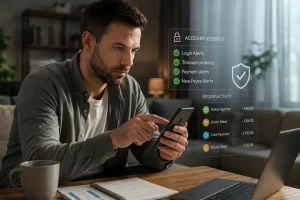
Regular account monitoring remains one of the most effective ways to identify fraud, billing mistakes, or forgotten subscriptions.
People should:
- Review statements weekly
- Enable transaction notifications
- Monitor direct debits carefully
- Cancel unused subscriptions
- Report suspicious payments quickly
Even legitimate-looking abbreviations deserve attention when they appear unexpectedly.
Maintaining strong financial awareness helps customers:
- Detect fraud early
- Avoid duplicate payments
- Manage subscriptions effectively
- Identify billing errors faster
Conclusion
LVIC on a bank statement is usually linked to Liverpool Victoria Insurance Company Limited and commonly appears for insurance-related payments such as car, home, pet, or travel cover.
Although the abbreviation can initially look unfamiliar, most transactions are legitimate and connected to active policies or automatic renewals.
Reviewing banking records, policy documents, and payment references can help identify the charge quickly. If the payment still appears suspicious or unrecognised, contacting LV= and the bank directly is the safest course of action.
FAQ
What does LVIC stand for in banking?
LVIC stands for Liverpool Victoria Insurance Company Limited, which operates under the LV= insurance brand in the UK.
Is LVIC connected to LV= Insurance?
Yes, LVIC is commonly associated with LV insurance payments appearing on bank statements.
Why is LVIC taking money from a bank account?
The payment is usually linked to an insurance premium, policy renewal, or direct debit arrangement with LV=.
Can an LVIC payment be disputed with a bank?
Yes, customers can dispute the transaction with their bank if they believe the payment is unauthorised or incorrect.
Is LVIC related to direct debit payments?
In many cases, yes. LVIC often appears when insurance premiums are collected through direct debit.
How can someone contact LV= about a transaction?
Customers should use the official LV= website or customer service contact details to verify transactions safely.
What should happen if an LVIC payment is fraudulent?
The account holder should contact their bank immediately, report the payment, and request an investigation.
Do LVIC charges appear monthly?
They can appear monthly if the insurance policy is paid in instalments. Annual payments may also appear as one-off transactions.

Leave a Reply