
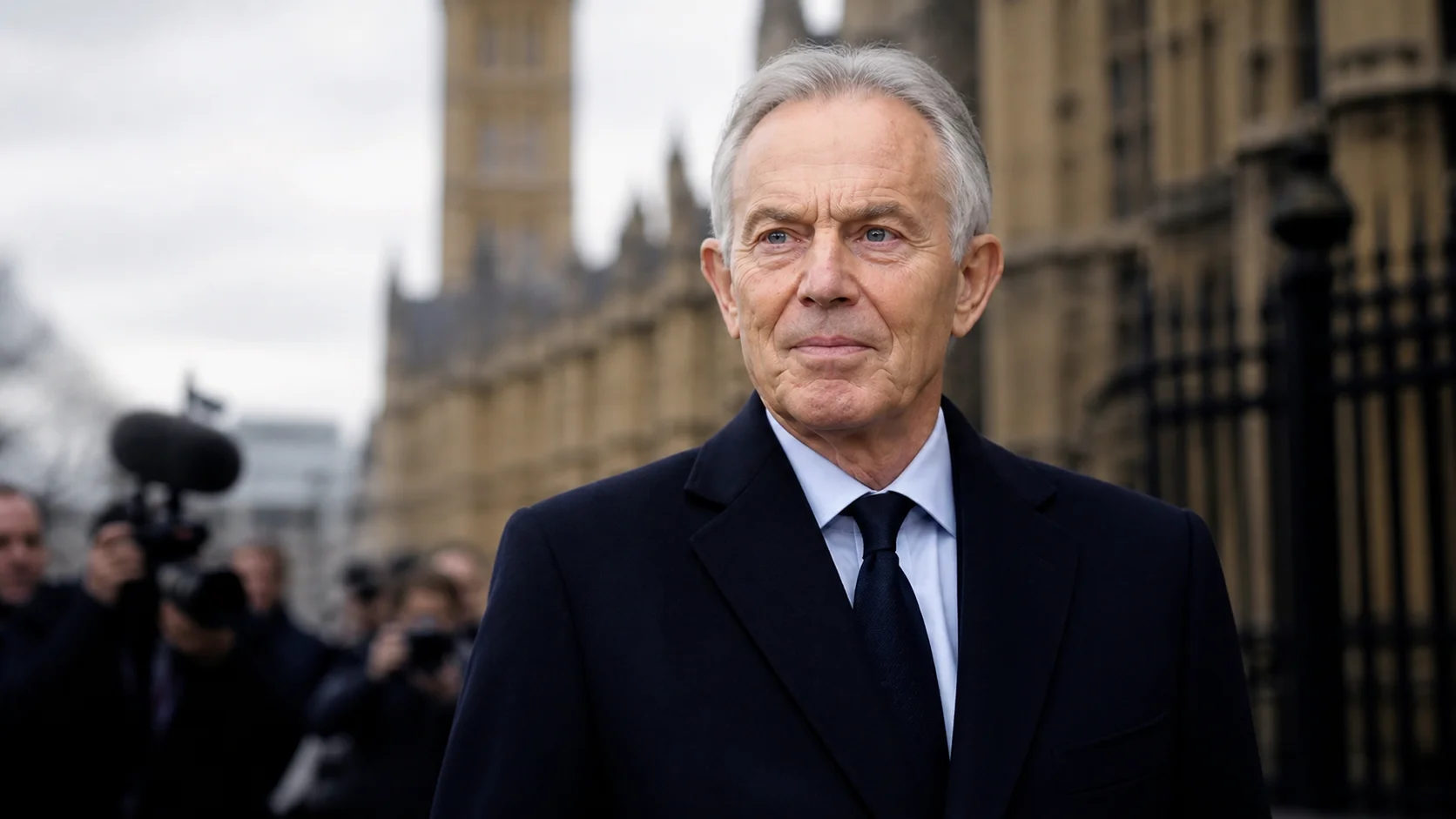
The Tony Blair pension overhaul plan proposes scrapping the triple lock and replacing the current UK state pension system with a more flexible and sustainable model, as rising costs and an ageing population put increasing pressure on public finances.
The plan argues that the existing system is no longer fit for purpose and requires urgent reform to remain viable in the long term.
While it aims to improve flexibility and fairness, it also raises concerns about reduced income security for pensioners and political resistance.
Key Takeaways:
- The triple lock is considered increasingly unaffordable
- Ageing population is driving higher pension costs
- A lifespan fund is proposed to replace the current system
- Flexible access may replace the fixed retirement age
- Ending the triple lock could ease government spending
- Political leaders remain divided on pension reform
- Changes could impact pensioners’ financial stability
What Is the Tony Blair Pension Overhaul Plan and Why Is It Trending in the UK?
The Tony Blair pension overhaul plan has emerged as a major talking point in UK economic and political discussions, largely due to its bold suggestion to rethink the long-standing state pension framework.
Developed by the Tony Blair Institute, the proposal argues that the current pension system, particularly the triple lock mechanism, is no longer sustainable in today’s economic and demographic environment.
At the heart of the debate is a growing concern that the UK pension model was “built for a different era”, one where life expectancy was lower and the ratio of working individuals to retirees was significantly higher.
Today, the situation has reversed, placing increasing strain on government resources.
The plan is trending because it directly challenges a politically sensitive policy that millions of pensioners rely on.
The suggestion to scrap or reform the triple lock has sparked responses across political parties, economists, and the public.
As one policy expert noted,
“the real issue is not whether reform is needed, but how quickly it can be implemented without causing disruption.”
Key elements driving attention include:
- Rising pension costs linked to inflation and wage growth
- Pressure on public finances due to global economic instability
- The need for a modernised, flexible retirement system
Why Is the Triple Lock Pension System Under Scrutiny?
The triple lock system guarantees that the UK state pension increases annually by the highest of inflation, average wage growth, or 2.5%. While this has protected pensioners from financial hardship, it has also significantly increased government spending.
In recent years, economic shocks such as the pandemic and geopolitical tensions have led to spikes in inflation.
This has triggered higher pension payouts, intensifying scrutiny over the sustainability of the system. Critics argue that the mechanism creates unpredictable financial obligations.
“Maintaining the triple lock in a volatile economic climate can lead to disproportionate spending increases,” according to fiscal analysts.
This concern is particularly relevant as the government faces competing demands, including healthcare, defence, and energy support.
Triple Lock Mechanism Overview
Component Description Impact on Pension Increase
Inflation Based on the CPI rate Protects purchasing power
Wage Growth Average earnings increase Links pensions to income trends
Minimum Guarantee Fixed at 2.5% Ensures baseline growth
The system’s critics point out that while it offers stability for pensioners, it does not adapt well to economic fluctuations. Supporters, however, argue that removing it could expose retirees to financial uncertainty.
How Does the Ageing Population Affect UK Pension Sustainability?

The growing proportion of older people in the UK is placing increasing strain on the pension system, making long-term sustainability a key concern in the Tony Blair pension overhaul plan debate.
Rising Number of Pensioners in the UK
The UK is experiencing a demographic shift, with a steadily increasing number of pensioners. Current estimates suggest that the number of retirees could rise from 12.6 million to nearly 19 million by 2070.
This shift is driven by longer life expectancy and lower birth rates. As a result, fewer workers are contributing to the system while more individuals are drawing from it. “This imbalance creates a structural challenge that cannot be ignored,” economists highlight.
Increasing Pension Spending as a Share of GDP
The financial implications of an ageing population are substantial. Pension spending is projected to rise from 5% to 7.8% of GDP, representing an additional £85 billion annually in today’s terms.
Pension Spending Projections
Year Pensioners (Millions) % of GDP Spending Estimated Cost
2025 12.6 5% Moderate
2040 15.5 6.5% High
2070 19 7.8% Very High
This increase could lead to higher taxes or reduced funding for other public services. The pressure on government finances is one of the central arguments for reforming the system.
What Changes Has the Tony Blair Institute Proposed for the State Pension System?
The Tony Blair pension overhaul plan outlines a shift towards a more adaptable and financially sustainable pension framework designed to reflect modern economic realities and working patterns.
Introduction of a Lifespan Fund
One of the most innovative aspects of the Tony Blair pension overhaul plan is the proposal for a lifespan fund. This system would replace the traditional state pension with a more flexible, contribution-based model.
Under this approach, individuals would accumulate funds throughout their working lives, which could then be accessed over a defined period, typically up to 20 years. This model aims to provide greater control and adaptability.
“This approach aligns pension access with real-life needs, rather than rigid age thresholds,” policy designers suggest.
Moving Away from a Fixed State Pension Age
The proposal also challenges the idea of a fixed retirement age. Instead, it advocates for a personalised system where individuals can access funds based on their circumstances.
Current vs Proposed Pension System
Feature Current System Proposed System
Access Age Fixed Flexible
Structure State-funded Contribution-based
Flexibility Limited High
Usage Retirement only Multiple life events
This flexibility could support individuals during periods of unemployment, retraining, or caregiving, making the system more responsive to modern work patterns.
Why Does the Tony Blair Pension Overhaul Plan Suggest Scrapping the Triple Lock?

The recommendation to scrap the triple lock stems from concerns over affordability and long-term sustainability. As pension costs continue to rise, maintaining the current system could place excessive strain on public finances.
“The triple lock was effective in stabilising incomes, but it is no longer economically viable in its current form,” experts argue.
Key reasons for the proposed removal include:
- Escalating fiscal burden on the government
- Disproportionate benefits during high inflation periods
- Lack of alignment with economic productivity
The think tank also suggests that reform should be implemented through cross-party agreement to ensure political stability and public confidence.
What Are the Economic Impacts of Ending the Triple Lock Policy?
Ending the triple lock would reshape how pension increases are calculated, with significant implications for public finances, fiscal planning, and long-term economic stability in the UK.
Effects on Government Spending and Borrowing
Ending the triple lock could significantly reduce government expenditure. This would free up resources for other priorities, such as healthcare and infrastructure.
“Reallocating funds could strengthen overall economic resilience,” analysts state.
Impact on Pensioners’ Income and Cost of Living
However, the removal of guaranteed increases could affect pensioners’ financial security.
Economic Impact Comparison
Aspect With Triple Lock Without Triple Lock
Spending High Moderate
Pension Growth Predictable Variable
Fiscal Pressure Significant Reduced
Pensioner Risk Low Higher
This trade-off highlights the complexity of the issue, balancing fiscal responsibility with social protection.
How Are UK Political Leaders Responding to the Pension Reform Debate?
Political reactions to the Tony Blair pension overhaul plan have been mixed. While some policymakers acknowledge the need for reform, others remain committed to maintaining the triple lock.
Rachel Reeves has stated, “we made a commitment to the triple lock and we are not changing that”, reflecting the political sensitivity of the issue.
At the same time, there is recognition that “difficult choices will be required” to manage public finances effectively. The debate continues to evolve as economic conditions change.
Could a Pension Overhaul Improve Fairness and Flexibility in Retirement Planning?
The proposed reforms aim to create a more equitable system that reflects modern employment patterns. Traditional pensions often fail to account for career breaks, part-time work, and self-employment.
A flexible model could address these gaps by allowing individuals to manage their retirement savings more effectively.
Benefits of a reformed system include:
- Greater adaptability to individual circumstances
- Improved support during life transitions
- Enhanced long-term sustainability
“Fairness in pensions is not just about income, but about access and flexibility,” experts emphasise.
What Are the Key Advantages and Disadvantages of the Proposed Pension Reform?

The Tony Blair pension overhaul plan presents both opportunities and challenges.
Advantages include improved sustainability and flexibility, while disadvantages focus on uncertainty and political resistance. Policymakers must carefully weigh these factors when considering reform.
What Does the Future Hold for the UK State Pension System?
The future of the UK state pension system remains uncertain, with multiple potential paths. Economic conditions, demographic trends, and political decisions will all play a role in shaping outcomes.
“There is no single solution, but inaction is not an option,” analysts warn.
Possible developments include gradual reforms, hybrid systems, or complete restructuring. Each approach carries its own risks and benefits.
Is the Tony Blair Pension Overhaul Plan the Right Solution for the UK?

The effectiveness of the Tony Blair pension overhaul plan depends on its implementation and public acceptance. While it addresses key challenges, it also introduces new complexities.
Ultimately, the debate reflects broader questions about the role of government, fiscal responsibility, and social welfare.
As discussions continue, one thing remains clear “the future of pensions in the UK will require careful planning, bold decisions, and widespread collaboration.”
Conclusion: What Does the Tony Blair Pension Overhaul Plan Mean for the Future of UK Pensions?
The Tony Blair pension overhaul plan has reignited debate over the future of the triple lock and the sustainability of the UK’s pension system. With rising costs and an ageing population, reform appears increasingly likely, even if the timing and approach remain uncertain.
Ultimately, any changes will need to strike a balance between protecting pensioners and ensuring the long-term viability of public finances.
FAQs
What is the triple lock in UK pensions?
The triple lock ensures that state pensions increase annually by the highest of inflation, wage growth, or 2.5%, protecting pensioners from rising living costs.
Why is the triple lock considered expensive?
It can lead to significant increases in pension spending, especially during periods of high inflation or wage growth, putting pressure on public finances.
What is the Tony Blair Institute proposing?
It proposes replacing the current system with a flexible “lifespan fund” and ending the triple lock to improve sustainability.
Will the UK government scrap the triple lock soon?
Currently, the government has committed to maintaining it, but future changes remain possible.
How could pension reforms affect retirees?
Reforms could impact income levels, retirement timing, and financial security for pensioners.
What alternatives exist to the triple lock system?
Alternatives include linking pensions solely to inflation or earnings, or introducing hybrid systems.
How can individuals prepare for possible pension changes?
Planning through private pensions, savings, and financial advice can help mitigate potential risks.

Leave a Reply