
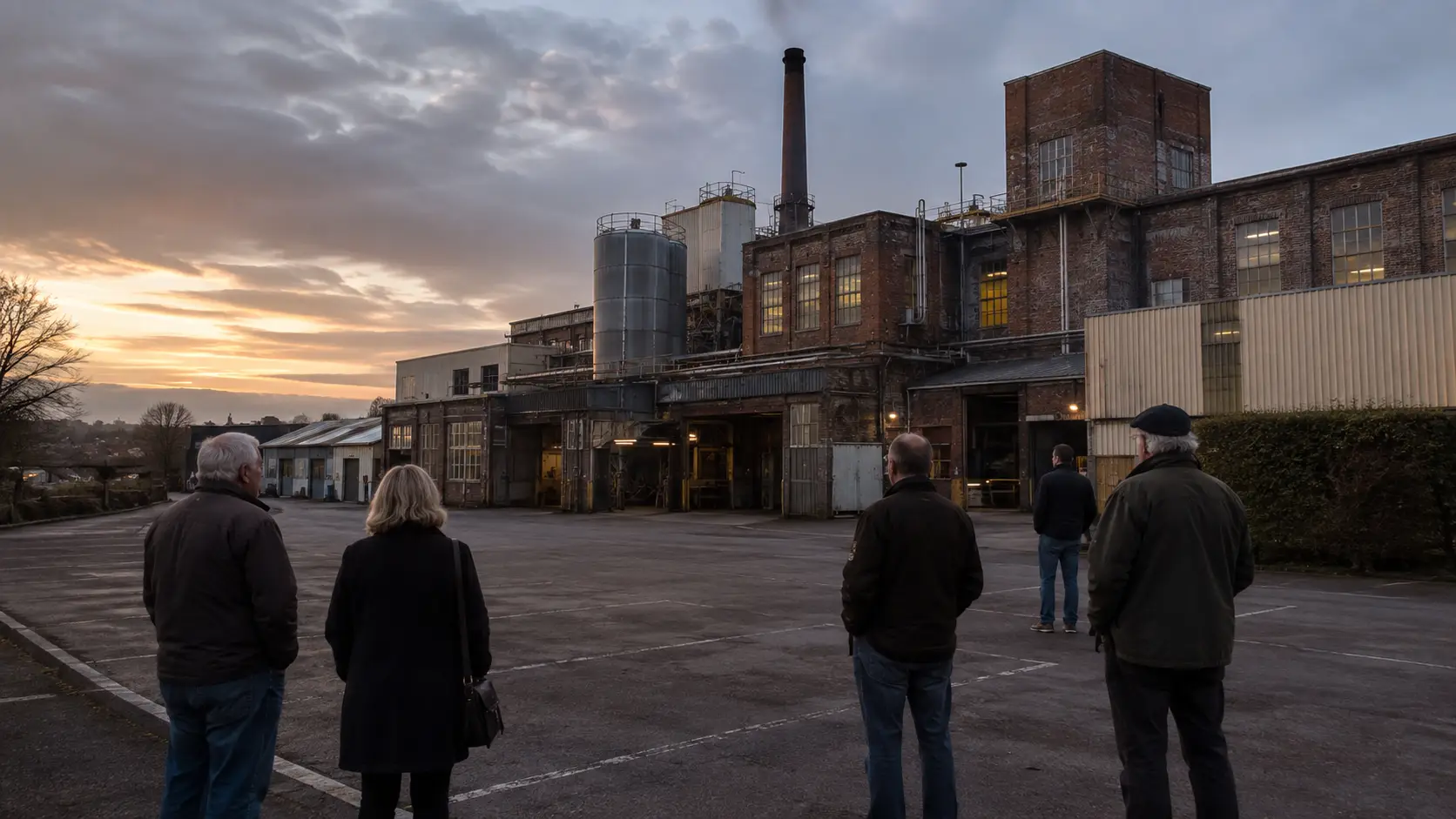
JDE Peet’s plans to complete the closure of its Banbury factory by the end of 2026, ending 62 years of operation at the site. A small number of employees will remain temporarily to oversee the final shutdown.
Historic objects, including the original Bird’s emblems and a board honouring more than 600 long-serving workers, will be retained in the community through an agreement with Cherwell District Council.
More than £24,000 raised from selling equipment will also be donated to local community groups.
JDE Peet’s Banbury Closure at a Glance:
| Key point | Confirmed information |
|---|---|
| Factory opened | 1964 |
| Original operator | General Foods, under the Albert Bird’s name |
| Expected final shutdown | By the end of 2026 |
| Length of local operation | 62 years |
| Coffee production ended | 2023 |
| Historic items being preserved | Original Bird’s emblems, long-service honours board and other site objects |
| Long-serving employees recorded | More than 600 people with at least 30 years’ service |
| Community donation | More than £24,000 raised through equipment sales |
| Preservation partner | Cherwell District Council |
| Remaining workforce | A small number of staff will oversee the shutdown |
What Has JDE Peet’s Confirmed About the Banbury Factory Closure?
JDE Peet’s confirmed in 2025 that it intended to close its Banbury manufacturing site.
The company also recorded the proposed closure in its half-year corporate results as part of changes to its manufacturing footprint and wider operating model.
The shutdown is now expected to conclude by the end of 2026. It will not happen in a single moment: a small number of employees will remain at the factory while equipment, facilities and other operational matters are dealt with safely.
This distinction is important because reports may refer to different stages of the closure. Some production and workforce activity can end before the site’s formal shutdown process has been completed.
Coffee production at the factory had already stopped in 2023. The remaining activity continued while JDE Peet’s assessed the future of the site and subsequently moved towards full closure.
Which Parts of the Factory Will Be Preserved?
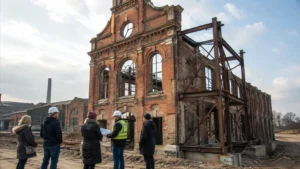
The preservation programme focuses on objects that represent the site’s industrial history and its connection with former employees.
The Original Bird’s Emblems
The Bird’s emblems on the factory gates date back to its earlier association with the Albert Bird’s and General Foods businesses.
When the plant opened in 1964, it produced a range of food and drink products, including Bird’s Custard.
Preserving the emblems provides a visible link to the factory’s earliest years rather than allowing its original identity to disappear when the site closes.
The Long-service Honours Board
Another significant item is the factory’s long-service honours board. It contains the names of more than 600 people who worked at the plant for 30 years or longer.
The board demonstrates how the factory provided long-term employment across several generations. For some households, more than one member of the same family worked at the site at different points in its history.
Other Historic Objects
JDE Peet’s and Cherwell District Council have agreed that the honours board, emblems and other objects will find a permanent home within the community.
The precise public locations of every item have not yet been detailed in the information released. Preservation does not necessarily mean that all the objects will remain at the factory site itself.
How Will Local Community Groups Benefit?

More than £24,000 raised through the sale of equipment will be donated to community organisations in the Banbury area.
The donation is separate from the preservation of historic items. It is intended to create a practical community benefit as the company’s physical presence in the town comes to an end.
JDE Peet’s employees have also supported local causes during the factory’s wind-down.
Earlier in 2026, workers were given opportunities to volunteer with the Banbury Breadline Project while continuing to receive their wages from the company.
The combination of equipment donations, fundraising and volunteering has allowed some resources from the closing plant to remain useful locally instead of simply being discarded.
Why Is the JDE Peet’s Banbury Factory Closing?
JDE Peet’s has attributed the decision to the cost of maintaining and investing in the factory’s decades-old infrastructure.
The company concluded that the level of investment needed to continue operating the ageing site was not financially viable.
It subsequently included the intended Banbury closure within a wider programme to simplify its organisation and optimise its manufacturing operations.
The closure is therefore not being presented as a consequence of one isolated event. It follows earlier changes to the factory’s role, including the end of its coffee-processing operations in 2023.
No publicly confirmed information in the latest announcement suggests that the preservation agreement will reverse or delay the closure.
How Did the Banbury Factory Become Part of Local History?
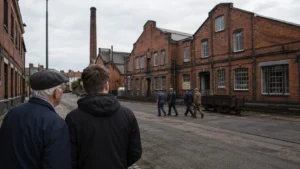
The factory opened in 1964 under the General Foods business and the Albert Bird’s name. It initially produced food and drink products, including Bird’s Custard.
General Foods became so strongly associated with the town that many residents continued to call the factory “GF” long after its ownership changed.
One former employee’s description — “GF was Banbury” — summarised the importance the site held for the local workforce.
The factory later became part of Kraft and subsequently Mondelēz International. JDE acquired the coffee operation in 2015.
Its recent history included a period of industrial tension. Workers took strike action in 2020 and 2021 following proposed changes involving dismissal and re-engagement on different contractual terms.
An agreement was eventually reached that avoided the original proposal.
In 2023, JDE announced the end of instant coffee processing and research and development activity at Banbury.
Company reporting from that period recorded restructuring and impairment costs associated with that decision.
The later decision to close the entire factory marked the final stage in the gradual reduction of operations at the site.
What Does the Closure Mean for Banbury?
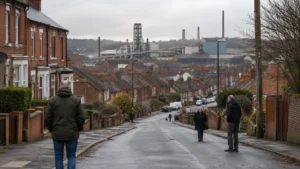
The factory’s closure represents more than the loss of an industrial building. Its workforce, brands and ownership changes formed part of Banbury’s economic and social history for more than six decades.
Its impact can be considered in several ways:
- Former employees lose a workplace with which some had been connected for several decades.
- The town loses a major manufacturing site that once employed thousands.
- Local groups receive financial and practical support from the factory’s final activities.
- Preserved objects will provide a record of the people and businesses associated with the site.
- A small number of workers will remain during the final shutdown period.
The preservation plans cannot replace the employment or economic activity associated with an operating factory. They can, however, ensure that its history remains visible after production and site operations have ended.
Final Takeaway
The JDE Peet’s Banbury factory closure will end 62 years of industrial activity at a site that became deeply embedded in the town’s identity.
Although the factory is expected to complete its shutdown by the end of 2026, important parts of its history will remain.
The original Bird’s emblems, the long-service honours board and other objects will be retained through an agreement with Cherwell District Council, while more than £24,000 from equipment sales will support community groups.
The preservation programme does not remove the economic and personal impact of the closure.
It does, however, provide a permanent record of the thousands of people who worked at the plant and the role the former General Foods factory played in Banbury for more than six decades.
Frequently Asked Questions
When will the JDE Peet’s Banbury factory close?
The shutdown is expected to conclude by the end of 2026. A small number of employees will remain temporarily to supervise the closing process.
Why is the Banbury coffee factory closing?
JDE Peet’s said the cost of maintaining and investing in the factory’s decades-old infrastructure was not financially viable.
When did the Banbury factory open?
The factory opened in 1964 as a General Foods facility operating under the Albert Bird’s name.
When did coffee production stop in Banbury?
Coffee production ended in 2023, before the subsequent decision to close the remaining operation.
How many people worked at the factory?
The factory employed thousands of people at its peak. The latest legacy announcement does not provide one definitive total for everyone employed across its 62-year history.
What will happen to the Bird’s emblem?
The original Bird’s emblems from the factory gates will be preserved as historic objects and are expected to find a lasting home in the community.
What is the long-service honours board?
It is a board displaying the names of more than 600 employees who each completed at least 30 years of service at the Banbury plant.
How much money will be donated locally?
More than £24,000 raised from selling factory equipment will be given to local community groups.
Is Cherwell District Council taking over the factory?
No such takeover has been announced. The council is working with JDE Peet’s to help preserve historic objects associated with the site.

Leave a Reply