

If you’re looking for accurate information on the £500 cost of living payment, here’s the direct answer: there is no official £500 payment confirmed by the UK government for 2026.
This figure is not listed on GOV.UK under any current benefit schemes.
The rumour likely stems from misinterpreted local support schemes or third-party media reports. In this guide, I’ve broken down the verified facts to keep you informed.
Key points covered in this guide:
- GOV.UK confirms no scheduled £500 cost of living payment for 2026
- Some councils offer up to £500 through the Household Support Fund
- DWP has not announced any new national payments
- Online reports have caused confusion without citing official sources
- Verified support options are still available
Is The £500 Cost Of Living Payment For 2026 Officially Confirmed?

At present, there is no officially confirmed £500 cost of living payment scheduled for 2026 according to the UK government.
The official GOV.UK guidance on cost of living payments clearly indicates that there are no ongoing or upcoming payments announced for the year.
The previously available support schemes, which were widely distributed during 2022, 2023 and early 2024, were part of a temporary government initiative.
These schemes aimed to cushion the public from the impacts of surging inflation, energy prices, and post-pandemic economic strain.
In 2024, the final round of cost of living support was issued. Since then, there has been no continuation or renewal of this specific scheme.
The government official makes this clear:
“As of now there are no new Cost of Living Payments for 2026.”
This makes it evident that any new payment, such as the one widely discussed (£500 per household or individual) has not been introduced through official channels.
Where Is The £500 Cost Of Living Payment Rumour Coming From?
Although there has been no government confirmation, the £500 figure continues to circulate in online articles, social media, and certain financial news platforms. These reports tend to follow a similar pattern.
They suggest that the government is preparing a one-time cost of living payment of £500 that would be automatically distributed to individuals receiving means-tested benefits.
The descriptions often include:
- Payments meant for low-income households receiving Universal Credit, Pension Credit, ESA, or JSA
- A structure similar to earlier schemes, meaning it would be paid automatically
- An anticipated timeline in early or mid-2026
- Assumptions drawn from discussions in Parliament or projected spending plans
The challenge with these sources is the lack of supporting evidence from official channels. Many do not cite GOV.UK or link to any official DWP statement. Instead, the articles appear to be either speculative or based on incomplete interpretations of early policy discussions.
In some cases, these reports could be influenced by localised support schemes, such as the Household Support Fund, which do in fact offer payments in the region of £500.
These local initiatives may have been misinterpreted as new national schemes.
Could It Be A Draft Policy Or Misunderstood Proposal?
It is entirely possible that some of these reports originate from draft policies or proposals under review by government departments. For example, MPs or councillors may raise ideas in debates that are later amplified by media outlets as if they are confirmed plans.
While draft legislation or pilot schemes are a normal part of policymaking, they do not equate to formal government announcements.
Until a new scheme appears on GOV.UK or is publicly announced by the Chancellor or DWP through a verified channel, it should not be treated as official.
What Does GOV.UK Say About New Cost Of Living Support In 2026?
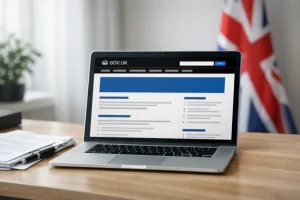
GOV.UK is the government’s official website for publishing public services and policies. It currently includes no information suggesting a new cost of living payment in 2026.
What GOV.UK does include is a historical record of earlier cost of living payments and an overview of existing schemes. These past payments, often made in instalments of £301, £300, and £299, were specific to 2022, 2023, and early 2024.
The key difference is that those payments were outlined in advance, with clear eligibility requirements and payment timelines. They were announced through government press releases, budget statements, and social media accounts managed by DWP and HM Treasury.
As of now, there has been no such communication regarding a £500 payment in 2026.
The absence of any mention on GOV.UK is a strong indicator that the rumoured payment is currently not part of official policy.
Furthermore, no legislative documents or fiscal announcements from the Treasury have included provisions for a universal £500 support payment in 2026.
What Help Is Actually Available Right Now?
While a specific £500 cost of living payment has not been introduced, several financial support schemes are currently available to households and individuals facing hardship.
These include both national benefit programmes and discretionary local council funding.
The most relevant and likely source of up to £500 in support today is the Household Support Fund. Many councils across the UK are actively promoting this scheme, which was extended in previous budgets and is still operational in many local areas.
Household Support Fund – How Does It Work?
The Household Support Fund was originally introduced in 2021 as part of the government’s response to economic instability and rising household bills. It was designed to offer local authorities the flexibility to address the needs of residents in financial difficulty.
Each council is allocated a portion of the fund and is responsible for:
- Deciding eligibility criteria
- Managing applications and outreach
- Issuing payments or vouchers
Here is a breakdown of how the fund functions:
| Feature | Details |
| Payment Amount | Often up to £500 per household, depending on need |
| Eligibility | Low-income, benefit-receiving, or vulnerable individuals |
| Delivery Method | Direct payment, food or energy vouchers, or physical goods |
| Application Process | Apply through your local council website or support service |
| Frequency | One-off payment or recurring support, depending on council discretion |
Many councils issue a lump-sum payment around £200 to £500 to cover essential expenses. These might include food, heating, electricity, school uniforms, or emergency rent support.
Other Ongoing Support Schemes
In addition to local funding, the national welfare system continues to offer assistance through several established benefits. These benefits may not be new, but they remain vital for many households.
Some of the key schemes include:
- Universal Credit: Financial support for people who are on a low income or out of work
- Pension Credit: Extra income for pensioners who receive less than a set weekly amount
- Cold Weather Payments: £25 per 7-day period when the temperature falls below zero degrees, automatically issued to eligible households
- Winter Fuel Payment: Annual payment ranging from £250 to £600 for older adults to help with heating bills
- Energy Bill Support Vouchers: Available in some areas through community partners or energy providers
Many of these payments are automatic, meaning if you qualify, you do not need to apply separately.
Can I Still Get Up To £500 Support Without An Official Scheme?

Yes, it is entirely possible to receive support amounting to £500 even without a formal, national cost of living payment. This primarily depends on your location and individual circumstances.
Local authorities, especially in high-need areas, often allocate Household Support Fund grants or emergency discretionary payments that total close to £500 per application. In many cases, these funds are directed towards:
- Families with children who rely on free school meals
- Individuals with disabilities who face high energy bills
- Pensioners with little or no additional income
- People experiencing temporary homelessness or housing instability
In addition, if you are receiving Universal Credit or Pension Credit, you might also be eligible for other forms of top-up support which, when combined, could bring your total annual assistance closer to the £500 mark.
Below is a simplified overview of how these payments may add up:
| Source of Support | Approximate Value | Notes |
| Household Support Fund | Up to £500 | One-off or short-term emergency grant |
| Cold Weather Payments | £25 per qualifying week | Automatically applied during cold spells |
| Energy Vouchers | £50–£150 | Through suppliers or local schemes |
| Food and Essentials Vouchers (Council) | £100–£200 | Based on family size and need |
These figures are illustrative and vary significantly across councils and personal situations.
What Are The Risks Of False Or Misleading Online Claims?
One of the unfortunate side effects of economic hardship is the spread of misinformation. When people are desperate for help, they may latch onto unverified claims or misleading headlines without fully checking their accuracy.
In the case of the rumoured £500 cost of living payment, several risks arise:
- Scam Text Messages: Some people have reported receiving texts pretending to be from DWP, asking them to “claim their £500 payment” through suspicious links
- Fraudulent Websites: Fake government pages are occasionally created to harvest personal data under the guise of cost of living support
- Misinformation on Social Media: Viral posts without sources often contribute to confusion or false hope
To avoid these risks, I strongly recommend:
- Never clicking on links in unsolicited texts or emails claiming to offer government money
- Always checking the URL of any website claiming to be GOV.UK
- Using official search terms such as “cost of living payment site:gov.uk” when researching
The Department for Work and Pensions and HM Treasury have both warned about the rise in fraudulent claims and advised people to use only verified channels for updates.
What Do I Think About The £500 Payment News?

From my own perspective, having written and researched extensively on public funding and welfare policy, I can understand why people are so invested in the idea of a new payment.
The cost of living crisis has put enormous pressure on households, especially those already living near or below the poverty line. When a headline about a £500 payment appears, it provides a glimmer of hope.
But unfortunately, this often turns out to be false or at best premature.
What concerns me is the lack of clear government communication when these rumours begin to spread. The silence from official channels can sometimes allow misinformation to grow unchecked. In contrast, a timely clarification from DWP or HM Treasury could help reduce confusion.
I did find a quote from a DWP spokesperson in a local news article that addressed this issue quite directly:
“There are currently no confirmed plans for a new £500 Cost of Living Payment in 2026,” the spokesperson said. They also emphasised the need to refer only to GOV.UK for updates.
That sort of clarity is essential in times like these. People deserve to know what is actually happening so they can plan and apply for real support without getting caught up in speculative media cycles.
Conclusion
While the idea of a £500 cost of living payment in 2026 has gained attention, there is no official confirmation from the UK government. GOV.UK clearly states that no new national cost of living payments are scheduled.
However, real support is still available through local councils and existing benefit schemes. Always refer to official sources for accurate updates and avoid misinformation. Staying informed ensures you can access genuine financial help when you need it most.
FAQs
Is the £500 cost of living payment for 2026 real or fake?
There is currently no official £500 cost-of-living payment for 2026. Any such reports are unconfirmed and should be treated cautiously.
Can I still get financial support if I’m on benefits?
Yes, support such as Universal Credit, Pension Credit, and local grants are still available if you meet the eligibility requirements.
Where can I find accurate information about UK cost of living payments?
The most reliable source is GOV.UK. Avoid third-party claims or social media posts that don’t cite official sources.
What is the Household Support Fund?
It’s a local authority-run scheme providing emergency help with essentials. Payments vary but can reach up to £500 in some areas.
Are there scams related to the £500 cost of living payment?
Yes, fake messages and websites are common. Never enter personal information on unofficial sites. Always verify through GOV.UK.
How do I know if I’m eligible for any help in 2026?
Check your benefit status and contact your local council. Eligibility often depends on income, household size, and existing support.
Could there still be a new payment announced later in 2026?
Possibly. If the economic situation demands it, new policies could emerge but as of now, nothing has been officially announced.

Leave a Reply