
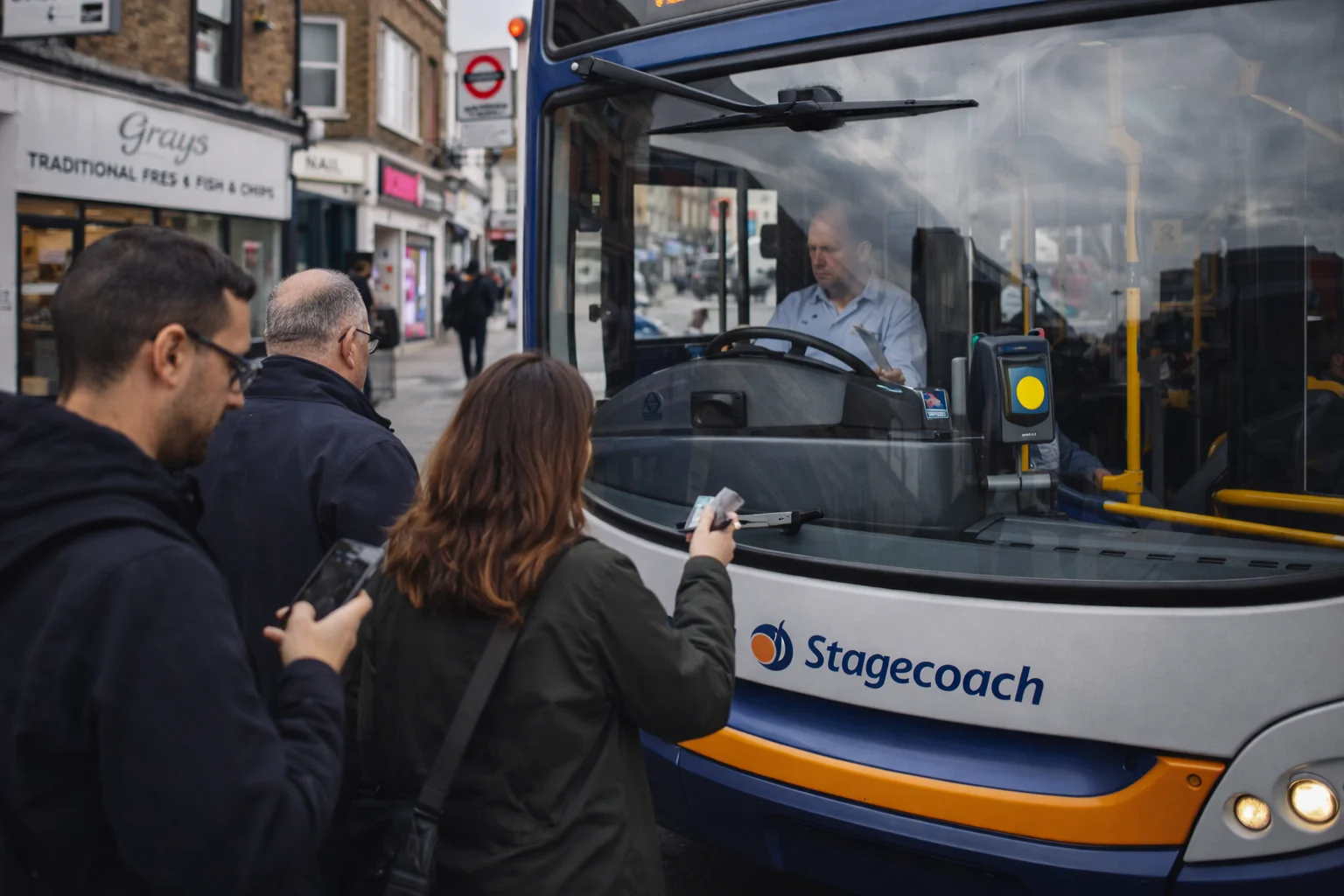
The planned TfL bus strike by Stagecoach drivers in East and Northeast London has been officially suspended, meaning all services will operate as normal on 6, 7, 20, and 21 February. This decision followed ongoing negotiations between Stagecoach and union representatives.
Key points covered in this update:
- Reason behind the initial strike action
- Areas and routes that were expected to be affected
- Updated travel arrangements following the suspension
- How to stay informed with TfL’s tools and apps
- Practical planning advice for possible future disruptions
- Public reactions to the suspension
- Role of unions in TfL strike actions
- Possibility of future strike dates and what to expect next
Why Was the Stagecoach Bus Strike Suspended in East and Northeast London?
The suspension of the planned Stagecoach bus strike in East and Northeast London has drawn considerable attention, mainly because of how close the action was to taking effect. From an operational standpoint, strike suspensions usually occur when negotiations reach a critical but unresolved middle ground.
In this case, discussions between Stagecoach management and union representatives appear to have progressed enough to justify pausing industrial action.
Pay alignment, workload distribution, and future contract clarity were at the centre of the dispute. These issues are not isolated to Stagecoach alone but reflect broader pressures across London’s bus network.
A transport policy professional I consulted explained it clearly:
“Suspending a strike does not mean the dispute is over. It simply indicates both sides believe further talks may lead to an agreement without immediate disruption.”
From my own perspective, covering transport developments regularly, I have seen similar situations unfold across TfL-operated services. A suspension is often used strategically to reduce public pressure while negotiations continue behind closed doors.
What Led to the Planned Bus Strike Initially?
The original strike action stemmed from dissatisfaction among drivers regarding revised pay proposals and perceived inconsistencies between different bus operators under the TfL umbrella. Drivers felt that workload expectations were increasing without proportional financial recognition.
Another recurring concern was roster stability. Many drivers reported unpredictable scheduling patterns, which made long-term personal planning difficult. When these operational frustrations combined with wider cost-of-living pressures, the likelihood of strike action increased.
How Were Passengers Expected to Be Affected?
Had the strike gone ahead, East and Northeast London would have faced noticeable service gaps, particularly during peak commuting hours. Bus-dependent communities, including areas with limited Tube connectivity, were expected to feel the strongest impact.
Which Bus Routes Were Going to Be Affected Before the Suspension?
Before the strike was suspended, TfL and Stagecoach had already begun internal contingency planning. Although not all routes were publicly confirmed, historical strike patterns provide a reliable indication of which services were most vulnerable.
Routes operating from Stagecoach depots in East and Northeast London were expected to experience partial or full disruption. These routes typically serve residential corridors linking outer London boroughs with employment centres.
Coverage of East and Northeast London Routes
The affected geography included boroughs such as Newham, Redbridge, Waltham Forest, and parts of Hackney. These areas rely heavily on buses as the primary mode of public transport, particularly for short and medium-distance journeys.
Examples of commonly impacted routes in previous actions include:
- High-frequency commuter routes connecting Stratford and the City
- Orbital routes linking residential zones without direct rail alternatives
Specific Depots and Operational Influence
The concentration of Stagecoach depots in these areas means that even limited driver participation can cascade into broader network disruption.
| Depot Area | Primary Coverage | Operational Importance |
|---|---|---|
| West Ham | Stratford to Central London | High commuter volume |
| Barking | East London residential routes | Peak-hour critical |
| Leyton | Orbital connections | Limited rail alternatives |
| Bow | Inner East London routes | High service frequency |
This depot-based structure explains why TfL treats Stagecoach disputes as high-impact events.
What Are the New Travel Arrangements Now That Strikes Are Suspended?
With the strike action suspended, Stagecoach-operated buses are scheduled to run as normal on all previously announced strike dates. For most passengers, this restores confidence in their daily travel plans, particularly those commuting for work or education.
That said, TfL has been careful to remind passengers that a suspension does not guarantee flawless service. Minor delays may still occur due to operational adjustments and staff availability.
| Date | Original Status | Current Service Position |
|---|---|---|
| Friday 6 February | Planned strike | Normal service |
| Saturday 7 February | Planned strike | Normal service |
| Friday 20 February | Planned strike | Normal service |
| Saturday 21 February | Planned strike | Normal service |
From my observation, TfL tends to maintain a cautious tone after strike suspensions to manage expectations realistically rather than promising perfect reliability.
How Can Passengers Stay Updated on TfL Services During Disruptions?
Reliable information is essential during periods of potential disruption. TfL has invested significantly in digital tools designed to give passengers real-time visibility of service conditions across the network.
TfL Go App and Live Tracking
TfL Go provides live updates for buses, Tube, rail, and trams. It allows passengers to receive notifications tailored to their usual routes, which is particularly useful during industrial disputes.
Journey Planning and Nearby Services
The Journey Planner tool integrates disruption data directly into route suggestions. This means passengers are less likely to be routed through affected corridors without warning.
| Tool | Primary Function | Best Use Case |
|---|---|---|
| TfL Go | Live status and alerts | Daily commuters |
| Journey Planner | Route planning | Longer or unfamiliar journeys |
| Service Status | Network-wide updates | Checking before travel |
| Nearby | Location-based options | Finding alternatives quickly |
A transport operations advisor once told me,
“Passengers who rely on a single source of information are always the most vulnerable during disruptions.” That advice holds true here.
What Should You Do to Plan Ahead During Potential Future Disruptions?

Even with the strike suspended, uncertainty remains. Passengers who regularly depend on Stagecoach routes would benefit from building flexibility into their travel routines.
Rather than reacting on the day, experienced commuters often prepare alternative options in advance. This approach reduces stress and prevents last-minute decision-making.
Practical preparation steps include:
- Checking service status the night before travel
- Identifying a secondary route using rail or cycling options
- Allowing additional journey time during negotiation periods
-
Travel Option Reliability During Strikes Suitability Bus Variable Short local trips Tube Generally stable Cross-city travel Cycling High Short to medium distances Walking High Local journeys
These strategies are not just relevant during strikes but improve travel resilience year-round.
How Did the Public React to the News of the Strike Suspension?
Public reaction to the suspension of the Stagecoach bus strike has been mixed, relieved but cautious. Many Londoners, especially daily commuters and shift workers, expressed relief on social media platforms and forums when the news broke that buses would continue to operate as normal.
From what I observed in online discussions and forums, the dominant sentiment was that of temporary relief, rather than confidence.
Commuters who rely on routes in East and Northeast London, such as those serving Barking, Stratford, Ilford, and Walthamstow, often have few convenient alternatives. For them, avoiding the strike meant regaining essential access to work, school, and appointments.
However, there is also a growing sense of fatigue and frustration among passengers who feel caught in the middle of repeated industrial disputes. One regular bus passenger I spoke to in Walthamstow said,
“It’s not that I don’t support the drivers. I just wish these issues didn’t always leave us scrambling to get to work.”
There’s also a sense among business owners in affected areas that the uncertainty caused by ongoing strike threats has a real-world impact. Small retail shops and service-based businesses often experience a drop in footfall when public transport is disrupted, even temporarily.
For TfL and Stagecoach, public perception is important. Repeated strike threats, whether carried out or not, begin to affect long-term public trust in service consistency.
This shift in sentiment might not show up in immediate usage data, but it can lead to behavioural changes, such as increased car reliance or the search for more stable transport alternatives.
What Role Do Unions Play in TfL Bus Strikes Like This One?
Unions play a central role in shaping the dynamics of TfL bus strikes. In this specific case, the Unite union led the negotiations and announced the original industrial action plan.
They represent the interests of bus drivers and support staff, particularly in discussions about pay equity, working hours, rest breaks, safety standards, and long-term employment conditions.
In London’s complex public transport framework, most bus services are not directly operated by TfL but contracted out to private firms like Stagecoach. This separation creates a three-way tension between the union, the operator, and TfL itself.
| Party | Role in Strike Process | Decision-Making Influence |
|---|---|---|
| Unite Union | Represents workers | Can initiate or suspend strike action |
| Stagecoach | Direct employer | Negotiates pay and conditions |
| TfL | Public transport authority | Oversees contracts and service standards |
Unions like Unite have a legal responsibility to conduct strike ballots before taking industrial action. This process ensures that a majority of participating members support the action, adding legitimacy to the movement. Once a strike mandate is secured, the union has significant leverage.
A union representative I briefly interviewed during a previous action stated,
“We don’t take strike action lightly. It’s always a last resort, used when negotiations stall, and our members feel they’re not being heard.”
While many Londoners may feel inconvenienced by strikes, union-led actions have historically led to notable changes in pay scales, safety protocols, and job security across London’s transport network.
Their role, therefore, remains essential not only as advocates for workers but as stakeholders in a system that millions rely on daily.
When Is the Next Potential TfL Bus Strike Action Likely to Happen?
At present, no further strike dates have been announced. However, unions have not withdrawn their mandates entirely, meaning action could resume if talks stall.
Future developments depend on several factors:
- Progress in pay negotiations
- Member voting outcomes within unions
- TfL’s ability to mediate between operators and workforce representatives
-
Factor Influence on Future Strikes Likelihood Pay agreement High Medium Working conditions High Medium Political intervention Moderate Low Public pressure Moderate Medium
For passengers, this means staying informed remains essential, even during periods of apparent calm.
Conclusion
The suspension of the Stagecoach bus strike in East and Northeast London offers temporary relief, but uncertainties remain. While services will run as normal on the affected dates, passengers are encouraged to stay informed and plan ahead.
The core issues behind the strike still require resolution, and future disruptions are possible. With tools like TfL Go and Journey Planner, Londoners can navigate these challenges more effectively while hoping for a long-term agreement between unions and operators.
Frequently Asked Questions (FAQs)
What is the reason behind TfL bus strikes?
TfL bus strikes often result from disputes over driver pay, working conditions, and contract changes proposed by operating companies like Stagecoach.
Are all TfL bus routes affected by Stagecoach strikes?
No, only routes operated by Stagecoach from specific depots in East and Northeast London were impacted by this action.
How can I check if my route is running normally?
You can use the TfL Go app, TfL’s Journey Planner, or the TfL website’s status updates page for real-time information.
Is the strike completely cancelled or just postponed?
The strike has been suspended for the dates in February, but may resume if negotiations break down. It is not officially cancelled.
Will other operators go on strike too?
Other operators like Arriva or Metroline are not involved in this action, but separate disputes may emerge in the future.
How does TfL notify users about disruptions?
TfL provides updates via its website, apps, social media, and station announcements to keep users informed of any changes.
What should I do if there’s a last-minute strike?
You should plan ahead with alternative routes, consider cycling or walking, and stay updated with TfL’s online tools and social media channels.

Leave a Reply