
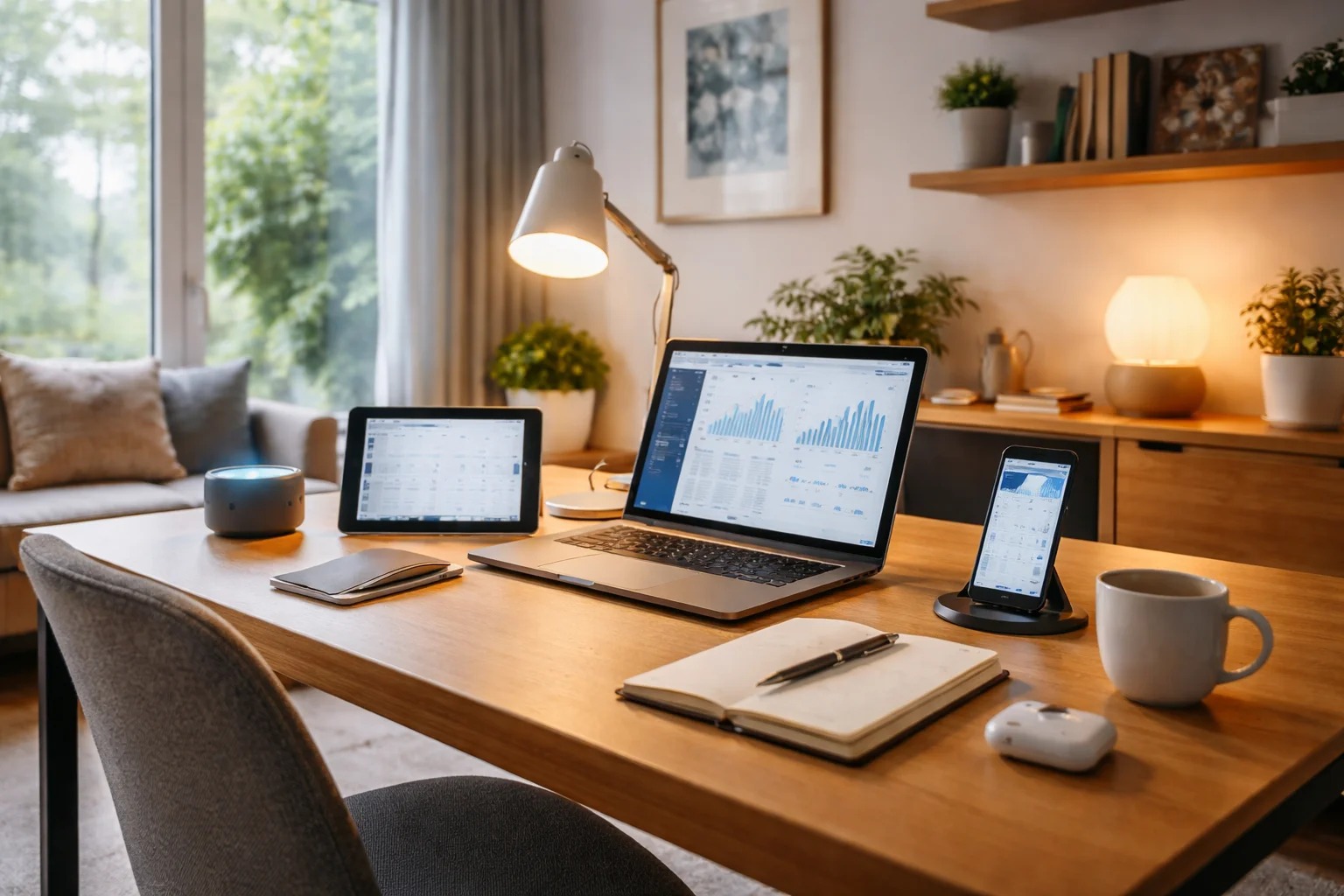
Remote work has become a defining feature of modern professional life. Across industries, employees now carry out their roles from home offices, shared workspaces, and flexible hybrid environments.
As organisations adapt to these changes, professionals increasingly rely on digital tools that help structure their workdays and maintain productivity.
The shift has also influenced how workers spend their breaks and downtime. Streaming platforms, casual mobile games, and online communities now play a visible role in everyday routines.
Digital entertainment hubs such as BonusFinder, which showcase a range of online gaming experiences, illustrate how casual gaming has become one of several leisure options remote professionals turn to during short breaks between tasks.
What Defines the Modern Tech Stack for Remote Workers in 2026?
Productivity Tools Supporting Remote Work
Digital productivity tools remain the foundation of the remote work ecosystem. Project management platforms enable remote teams to track tasks and collaborate without in-person meetings.
Cloud-based tools allow for easy online access to files from various devices. A report may be edited by several contributors across different time zones while changes are saved automatically.
Artificial intelligence has also begun to shape this landscape. Scheduling assistants organise meetings around busy calendars, while digital tools summarise conversations and extract key action points from virtual meetings.
These technologies are designed to simplify administrative tasks and free professionals to focus on strategic or creative work.
As remote teams grow, many organisations continue to adopt integrated platforms that combine communication, document sharing, and workflow management.
Wellness and Relaxation Apps
The rise of remote work has also increased attention on well-being. Without the daily structure of commuting or office routines, many professionals look for new ways to maintain balance between work responsibilities and personal health.
Wellness applications have become an increasingly common part of the remote worker’s technology stack. Meditation platforms offer guided breathing exercises and short mindfulness sessions that can be completed during brief pauses in the workday.
Fitness applications provide similar support. Short workout programmes, stretching routines and activity trackers encourage workers to stay physically active even when spending long hours at a desk.
Sleep tracking tools have also gained popularity. These apps track sleep and provide tips to improve quality, helping those with varied schedules maintain energy.
The popularity of these tools reflects a broader shift in how workers approach productivity. Maintaining focus and efficiency is now closely linked to managing stress and physical well-being.
Casual Gaming During Short Breaks

Casual gaming has emerged as another way for remote workers relax during short intervals between tasks. Many games available on smartphones and web browsers are designed to be played in brief sessions.
Online communities have also developed around casual gaming. Players exchange recommendations, discuss strategies, and share experiences through forums and social media groups.
While gaming has long been associated with dedicated hobbyists, its role as a quick form of digital leisure has expanded significantly in recent years.
For many remote workers, casual games now sit alongside podcasts or short videos as a convenient form of entertainment.
Online Entertainment Platforms
Digital entertainment, including streaming and podcasts, is essential for remote workers, offering leisure and learning options that fit flexible schedules. Content can be paused and resumed easily, allowing individuals to integrate entertainment into small gaps in the day.
Recommendation systems have become an important feature of these platforms. Algorithms analyse viewing and listening habits to suggest content aligned with user preferences.
As a result, audiences are often introduced to new programmes, channels, or creators that match their interests.
These services demonstrate how digital media has adapted to changing lifestyles. Instead of fixed television schedules, entertainment is now available on demand and accessible across smartphones, tablets, and laptops.
Building a Personal Digital Ecosystem
Together, productivity tools, wellness applications, and entertainment platforms form what many professionals describe as a lifestyle tech stack. This collection of digital tools supports both work performance and personal well-being.
A typical remote worker may begin the day reviewing tasks on a project management dashboard and responding to messages through collaboration software. Later, a short meditation session or stretch break might help maintain focus.
Casual entertainment, like a quick game or podcast during lunch, can offer a nice break. In the evening, streaming provides a chance to relax more fully.
This combination illustrates how the boundaries between work technology and personal digital tools have become increasingly flexible.
Technology and the Future of Remote Work
As remote work continues to evolve, the technologies supporting it are likely to develop further. Artificial intelligence is expected to play a larger role in scheduling, task management, and information organisation.
At the same time, digital entertainment platforms continue to experiment with interactive formats and personalised experiences.
For remote professionals, the lifestyle tech stack represents more than a collection of apps. It reflects a new approach to managing work, well-being, and leisure within the same digital environment.
With remote and hybrid models expected to remain part of the global workforce, these technologies will likely continue shaping how professionals organise their daily routines in the years ahead.

Leave a Reply