
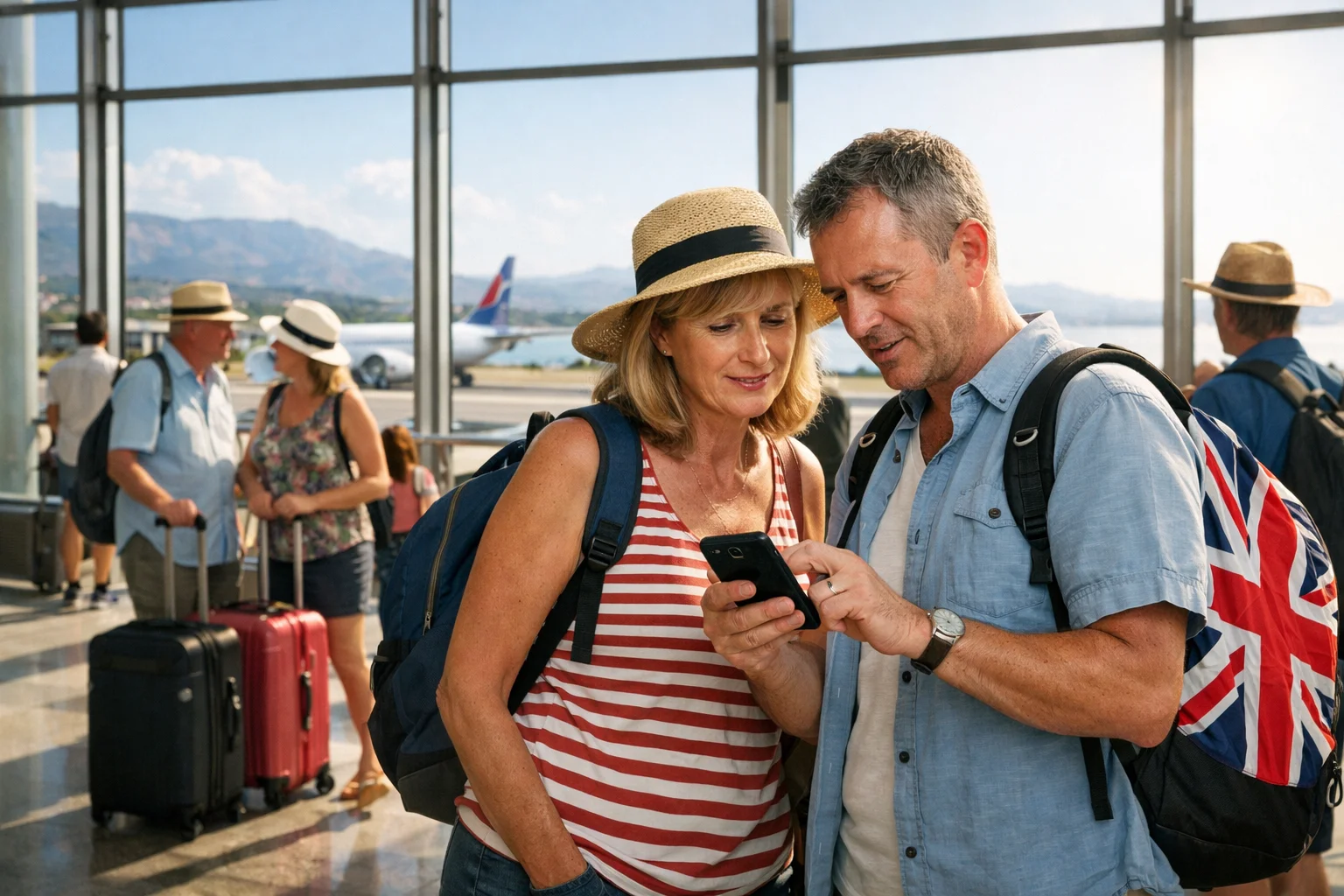
Yes, it is generally safe to travel to Greece right now despite ongoing war tensions in parts of the wider region.
Greece is not involved in any active conflict and remains a politically stable member of the European Union and NATO.
Flights, tourism services, and major travel routes continue to operate normally, and millions of visitors travel to Greece each year without major safety concerns.
However, travellers should stay informed about regional developments and follow normal travel precautions while visiting popular destinations.
Key Takeaways
- Greece is not involved in any active war or military conflict.
- The country remains a stable EU and NATO member.
- Flights and airports in Greece operate normally for international travellers.
- Most travel risks are typical issues like pickpocketing or seasonal weather conditions.
- UK travel advice recommends normal safety precautions for visitors.
- Monitoring official travel updates helps travellers stay informed.
What Is the Current Safety Situation in Greece for Travellers?
Greece continues to be one of the most visited countries in Europe, attracting millions of international visitors every year. The country has a long-established tourism industry supported by strong infrastructure, reliable public services, and well-developed transportation systems.
Even during periods of international tension, tourism operations in Greece typically remain stable and fully functional.
The current safety environment in Greece is shaped by several factors, including its membership in international alliances, its geographical position within Europe, and the country’s focus on maintaining a secure tourism sector.
Visitors travelling from the United Kingdom and other European countries generally experience normal travel conditions upon arrival.
Greece’s Political Stability and Security
Greece is a democratic country and an active member of both the European Union and NATO. These international partnerships contribute to a stable political and security environment.
National security institutions, police services, and emergency response systems are well organised and operate across the country.
Political stability plays a major role in maintaining safe conditions for residents and visitors. Governments within the EU follow strict security coordination policies that allow member states to cooperate on intelligence, border management, and crisis prevention.
For travellers, this means Greece operates under the same general safety framework as many other European destinations. Public areas such as airports, tourist attractions, and transport hubs are monitored and protected by security measures similar to those seen across Europe.
The following table shows key factors contributing to Greece’s overall travel safety.
| Safety Factor | Current Status | Impact on Travellers |
|---|---|---|
| Political Stability | Stable EU democracy | Consistent and predictable travel environment |
| NATO Membership | Active member | Strong regional security cooperation |
| Tourism Infrastructure | Highly developed | Safe and organised travel experience |
| Emergency Services | Widely available | Fast response for tourists in emergencies |
A travel security consultant once explained the situation clearly.
“Many travellers assume that regional tensions automatically make nearby countries unsafe. In reality, Greece operates under strong international security frameworks that keep travel conditions stable.”
Are Flights and Airports Operating Normally?
Air travel to Greece continues without major disruption. International airports across the country operate daily flights from the United Kingdom, Europe, and other parts of the world.
Major airports such as Athens International Airport, Thessaloniki Airport, and several island airports handle millions of passengers every year.
Airlines constantly monitor geopolitical developments and adjust routes when necessary to ensure passenger safety. These adjustments usually occur far away from tourist destinations and rarely affect travellers directly.
For example, airlines may change flight paths to avoid airspace above certain conflict zones. This is a standard aviation safety procedure used worldwide.
Below is an overview of major airports in Greece and their typical travel connectivity.
| Airport | Location | International Connectivity | Importance for Tourists |
|---|---|---|---|
| Athens International Airport | Athens | Direct flights from UK and Europe | Main gateway for international travellers |
| Thessaloniki Airport | Northern Greece | European flight connections | Entry point for northern Greece tourism |
| Heraklion Airport | Crete | Seasonal and regular international flights | Major gateway to Crete |
| Santorini Airport | Santorini Island | Seasonal European routes | Popular tourist island access |
Airport security procedures in Greece follow European Union aviation regulations. These regulations include passenger screening, baggage inspection, and airspace monitoring.
What Authorities Say About Travel Safety?
Travel authorities regularly evaluate conditions in countries across the world and publish guidance for travellers. Greece is generally classified as a destination where visitors should exercise normal safety precautions.
Government travel advice encourages travellers to stay informed about local conditions, follow local laws, and maintain awareness in crowded tourist areas.
Officials in Greece have repeatedly emphasised that tourism remains a central part of the country’s economy and that maintaining a safe environment for visitors is a national priority.
One tourism industry professional described the situation clearly.
“Greece depends heavily on international tourism, so safety is taken extremely seriously. Security measures in major tourist areas are continuously monitored and improved.”
Overall, the safety situation in Greece remains comparable to many other popular European holiday destinations.
Why Are People Worried About Travelling to Greece Right Now?

Despite Greece remaining stable and safe, travellers sometimes express concerns due to international conflicts occurring in the broader region. News coverage and geopolitical tensions can create uncertainty even when a specific country is not directly involved.
Understanding the difference between regional perception and actual risk is important when evaluating travel safety.
Middle East Conflict and Regional Tensions
Recent geopolitical developments in parts of the Middle East have drawn global attention. These conflicts involve countries that are geographically located in the wider Eastern Mediterranean region.
Because Greece is also located in the Mediterranean, some travellers mistakenly believe that the conflict could directly affect the country.
In reality, Greece is not part of these conflicts and maintains its own independent political and security policies. The country’s tourism areas operate far from the locations where military activities have occurred.
To better understand geographical separation, the following table illustrates approximate distances between Greece and some regions experiencing tension.
| Location | Approximate Distance from Athens | Relevance to Greek Tourism |
|---|---|---|
| Israel | Around 1,200 km | No direct impact on tourism |
| Iran | Over 2,500 km | Completely separate region |
| Cyprus | Around 800 km | Different political situation |
| Turkey | Close neighbour | Normal diplomatic relations and tourism travel |
Geographical distance combined with diplomatic relations helps maintain stability for tourism activities within Greece.
How Media Coverage Influences Travel Concerns?
Global media often focuses on large regional events rather than individual country situations. This can create the impression that an entire region is experiencing instability.
In reality, many countries within the Mediterranean continue normal daily activities even when tensions exist elsewhere.
Travel analysts often highlight the importance of relying on official government travel advice rather than reacting solely to headlines.
One travel risk analyst explained it clearly.
“Media headlines tend to simplify complex geopolitical situations. Greece remains a stable country and its tourism sector continues operating normally despite broader regional tensions.”
This difference between perception and reality is one reason why travellers sometimes worry unnecessarily about visiting destinations that remain safe.
Impact on Tourism and Travel Bookings
When geopolitical tensions appear in the news, some travellers temporarily delay travel plans until the situation becomes clearer. This can lead to short term fluctuations in tourism bookings.
However, Greece continues to receive strong visitor numbers due to its reputation as a safe and well developed travel destination.
Tour operators, airlines, and hotels maintain flexible booking policies to help travellers adapt if international situations change. These policies allow visitors to adjust travel dates or plans if necessary.
Tourism professionals often emphasise that Greece has experienced many international crises in the past while maintaining its role as a leading holiday destination.
Is Greece Involved in Any War or Military Conflict?
Greece is not currently involved in any active war. The country maintains diplomatic relationships with many international partners and participates in cooperative security agreements within Europe and NATO.
Military forces exist primarily for national defence and regional security cooperation rather than active combat operations abroad.
Understanding Greece’s position in international politics helps clarify why the country remains stable for tourism.
| Security Factor | Description | Impact on Visitors |
|---|---|---|
| NATO Membership | Collective defence alliance | Strengthens national security |
| EU Membership | Political and economic cooperation | Promotes stability and rule of law |
| Independent Foreign Policy | Focus on regional diplomacy | Reduces conflict involvement |
| Defensive Military Strategy | Focus on national protection | No direct impact on tourism |
The combination of these factors helps maintain a stable environment for both residents and visitors.
What Does the UK Government Travel Advice Say About Visiting Greece?
The United Kingdom provides detailed travel guidance for British citizens visiting other countries. This guidance includes information about safety conditions, entry requirements, and potential risks.
For Greece, travel advice generally highlights common safety considerations rather than major security threats.
Travellers are encouraged to stay aware of their surroundings and follow basic safety practices when visiting popular tourist destinations.
Typical travel advice focuses on areas such as:
- Protecting personal belongings in crowded places
- Monitoring local news during strikes or demonstrations
- Following instructions from local authorities if disruptions occur
Travel advice also explains how visitors can access assistance if problems occur while abroad.
| Service | Contact Method | Availability |
|---|---|---|
| Police | Emergency number 100 | Nationwide |
| Ambulance | Emergency number 166 | Nationwide |
| Tourist Police | Special assistance for visitors | Major tourist areas |
| UK Embassy | Support for British nationals | Athens |
These services ensure that visitors can receive assistance if needed during their stay.
What Are the Usual Safety Risks for Tourists in Greece?
Most risks travellers encounter in Greece are similar to those found in other major European destinations. The majority of visitors experience no serious problems during their trip.
Common issues usually involve petty crime or environmental factors rather than geopolitical concerns.
Pickpocketing in Busy Tourist Areas
Like many popular tourist destinations, crowded locations can sometimes attract pickpockets. This type of crime is usually non violent and occurs in areas where large numbers of people gather.
Locations where travellers should remain attentive include:
- Busy metro stations in Athens
- Popular sightseeing attractions
- Public transport during peak hours
- Large festivals or nightlife areas
Taking simple precautions can greatly reduce the risk of theft.
Protests and Strikes in Major Cities
Public demonstrations occasionally occur in Greece, particularly in major cities such as Athens. These events are usually peaceful but may cause temporary disruptions to transportation or public services.
Travellers are generally advised to avoid large gatherings and monitor local news updates if protests are expected.
Seasonal Risks Such as Wildfires and Heatwaves
Environmental factors are more likely to affect travellers than international conflict.
During summer months, Greece can experience very high temperatures and occasional wildfires. Authorities monitor these situations closely and provide warnings when necessary.
| Seasonal Risk | When It Occurs | Travel Advice |
|---|---|---|
| Heatwaves | June to August | Stay hydrated and avoid midday sun |
| Wildfires | Summer months | Follow local safety guidance |
| Strong winds | Some island regions | Check ferry schedules |
| Heavy tourism crowds | Peak summer season | Plan travel in advance |
Visitors who follow local advice rarely experience significant problems.
Could Regional War Tensions Affect Flights or Travel Plans to Greece?
Although Greece itself is not involved in current conflicts, broader geopolitical developments can occasionally influence travel logistics.
Airlines and international aviation authorities closely monitor global security conditions and adjust operations if necessary.
Possible impacts could include route adjustments or minor scheduling changes.
| Potential Travel Impact | Likelihood | Explanation |
|---|---|---|
| Flight route changes | Moderate | Airlines avoid sensitive airspace |
| Flight cancellations | Low | Rare unless conflict escalates significantly |
| Insurance policy adjustments | Possible | Insurers monitor geopolitical risk |
| Travel perception changes | Common | Media coverage affects traveller confidence |
An experienced travel journalist once described this situation from a practical perspective.
“In my experience analysing travel safety trends, airlines react quickly to international developments long before passengers notice any risk. Most travellers flying to Greece experience completely routine journeys.”
These precautionary systems are designed to ensure that passenger safety remains the top priority.
Which Areas in Greece Are Safest for Tourists to Visit?
Greece offers a wide range of destinations that are considered safe and welcoming for international visitors. From historic cities to famous island resorts, the country has developed tourism infrastructure that supports millions of travellers every year.
Many destinations are specifically designed to accommodate tourists, with well organised transport networks, hotels, and guided tour services.
The following table compares several well known destinations in Greece and their general safety characteristics.
| Destination | Type of Destination | Safety Characteristics |
|---|---|---|
| Athens | Capital city | Well policed tourist areas and strong transport network |
| Santorini | Island destination | Highly developed tourism infrastructure |
| Crete | Large island | Diverse resorts and family friendly travel options |
| Mykonos | Nightlife island | Safe tourist areas with active hospitality sector |
| Rhodes | Historic island | Well organised tourism services |
Visitors usually find that Greek hospitality culture contributes positively to the travel experience. Local communities are accustomed to international tourists and provide helpful services for travellers.
What Safety Tips Should Travellers Follow When Visiting Greece?
Travellers visiting Greece can enjoy a safe and memorable experience by following simple precautions that apply to most international travel destinations.
Important safety practices include:
- Monitoring official travel advice before departure
- Keeping passports and important documents secure
- Using licensed taxis and reliable transportation services
- Staying aware of surroundings in crowded areas
- Purchasing travel insurance before travelling
Planning ahead also helps travellers avoid unexpected issues.
Accommodation should ideally be booked through reputable providers, and transport arrangements should be confirmed before arrival when possible.
By following these practical guidelines, visitors can focus on enjoying Greece’s cultural heritage, landscapes, and cuisine while maintaining personal safety throughout their trip.
Conclusion
Overall, Greece remains a safe and stable destination for travellers despite ongoing war tensions in the wider region. The country is not involved in any active conflict and continues to welcome millions of tourists each year.
Flights, tourism services, and public infrastructure operate normally across major cities and islands. While travellers should stay informed about regional developments and follow standard safety precautions, most visits to Greece proceed without issues, making it a reliable and enjoyable holiday destination for international visitors.
Frequently Asked Questions
Is Greece safe for British tourists right now?
Yes, Greece is generally safe for British tourists. The country is politically stable and receives millions of visitors each year. Travellers are usually advised to follow normal safety precautions.
Is Greece affected by the war in the Middle East?
Greece is not directly involved in the Middle East conflict. Although the region may experience broader geopolitical tension, Greece itself remains stable and safe for travellers.
Are flights to Greece currently operating normally?
Yes, flights to Greece continue to operate normally from the UK and other countries. Airlines may occasionally adjust routes, but major travel disruptions are uncommon.
Is Athens safe for tourists to visit?
Athens is considered safe for tourists. Like many large cities, petty crime such as pickpocketing can occur in crowded areas, so visitors should remain aware of their belongings.
Should travellers avoid the Eastern Mediterranean region?
Most destinations in the Eastern Mediterranean, including Greece, remain safe for tourism. Travellers should simply stay informed about regional developments.
Do travellers need special precautions when visiting Greece?
No special precautions are typically required beyond normal travel safety measures such as protecting valuables and monitoring official travel advice.
Can regional war tensions affect tourism in Greece?
Regional tensions can sometimes influence travel demand or public perception, but they rarely affect safety conditions within Greece itself.

Leave a Reply