

Yes, for most UK travellers, Cyprus remains a safe and stable destination as of March 2026, with no FCDO advice against travel to the Republic of Cyprus.
While a suspected drone incident at RAF Akrotiri and wider regional escalation have raised understandable concerns, daily life in tourist areas continues as normal.
The key considerations are staying informed, preparing for possible travel disruption, and ensuring comprehensive travel insurance.
Below is a summary of the key points covered in this guide:
Key Area Current Position What It Means for You
FCDO Travel Advice No restriction Travel permitted
RAF Akrotiri Incident Isolated event No direct tourist impact
Regional Escalation Ongoing tensions Monitor updates
Tourist Area Safety Generally safe Low crime levels
Travel Disruption Risk Possible Stay flexible
Travel Insurance Strongly advised Financial protection
What Is the Current Safety Situation in Cyprus as of March 2026?
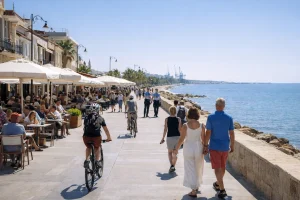
As of 3 March 2026, the safety situation in Cyprus remains stable for tourists, including those travelling from the UK. The Foreign,
Commonwealth and Development Office updated its “Warnings and Insurance” section on 2 March 2026 to reflect regional risks and a suspected drone impact at RAF Akrotiri. However, there is still no advice against travel to the Republic of Cyprus.
When assessing whether it is safe to travel to Cyprus right now, it is important to separate domestic conditions from regional developments.
Internally, Cyprus continues to function normally. Public transport is running, airports are operational, hotels are open, and tourist services are unaffected. Crime levels remain low, and there are no widespread protests or unrest affecting visitor areas.
The FCDO states clearly that no travel can be guaranteed safe anywhere in the world. This wording is standard and applies to most countries.
What matters more is whether there are restrictions or advisories against travel, and currently, there are none for the Republic of Cyprus.
Below is a structured overview of the current domestic safety indicators.
Safety Indicator Current Position March 2026 Impact on Tourists
Political stability Stable No direct impact
Internal conflict None No risk
Terrorism threat level Low Remain vigilant
Public disorder Minimal Rarely affects resorts
Airport operations Fully operational Flights running normally
In practical terms, most travellers will experience Cyprus as calm and well organised. Security presence at airports and public buildings may be more visible due to regional developments, but this is precautionary rather than reactive.
The key takeaway is that Cyprus itself is not experiencing instability. The safety conversation is largely driven by its geographic position in the Eastern Mediterranean.
What Does the RAF Akrotiri Drone Incident Mean for Travellers?
On 2 March 2026, the Sovereign Base Areas Administration confirmed a suspected drone impact at RAF Akrotiri. This development attracted attention because RAF Akrotiri is a significant British military base located on the southern coast of Cyprus.
For holidaymakers, the main concern is whether this signals broader danger. At present, there is no evidence of a direct threat to civilian areas. The base operates separately from tourist infrastructure. Resorts such as Paphos and Limassol continue normal activity.
British nationals within the Sovereign Base Areas are advised to follow official guidance issued by the administration. Those in the Republic of Cyprus should comply with instructions from Cypriot authorities if necessary.
For most visitors staying in hotels or private accommodation outside the base areas, daily life remains unaffected.
To better understand the distinction, consider the geographical and operational separation.
Area Function Tourist Relevance
RAF Akrotiri Military base Not a tourist site
Sovereign Base Areas British-administered zones Limited access for tourists
Republic of Cyprus resorts Tourism and residential Main holiday areas
From a travel risk perspective, isolated military incidents do not automatically translate into civilian danger. However, they can signal wider regional tensions, which is why travellers are encouraged to remain informed.
Airlines have not announced widespread cancellations linked directly to the incident. Airports such as Larnaca and Paphos continue operating. Security screening may feel slightly stricter, but this is precautionary.
Could Regional Escalation Affect Travel to Cyprus?

Cyprus is located in a geopolitically sensitive region. While the island itself is not engaged in conflict, developments in nearby regions can influence travel conditions.
How Might Wider Regional Tensions Impact the Island?
Regional escalation poses security risks primarily in indirect ways. These can include airspace changes, diplomatic tensions, or increased military activity in surrounding waters.
Such factors rarely affect beach resorts or city centres directly, but they may create uncertainty around logistics.
A UK-based travel security analyst recently explained the situation clearly. He stated, “Cyprus remains stable internally, but travellers should recognise its strategic position.
The risk is not domestic unrest but potential regional spillover that could affect transport or airspace.”
This distinction is important. When people ask if it is safe to travel to Cyprus right now, they often imagine instability within the country. The greater consideration is regional unpredictability rather than local danger.
The most realistic scenarios that could affect visitors include:
- Temporary flight rerouting
- Increased airport security procedures
- Short notice travel advisories
- Heightened media coverage creating perception of risk
None of these necessarily indicates immediate physical danger to tourists.
Is There a Risk of Travel Disruption or Flight Changes?
Regional escalation has, at times, led to travel disruption in the wider region. Airlines may adjust flight paths to avoid certain airspace corridors. This can result in slightly longer flight times or schedule adjustments.
The FCDO advises British nationals to:
- Monitor local and international media
- Sign up for travel advice email alerts
- Review departure plans regularly
- Ensure travel documents are up to date
Below is a breakdown of potential disruption scenarios and their likelihood based on current conditions.
Scenario Likelihood Severity for Tourists
Flight delays Moderate Low inconvenience
Airport closure in Cyprus Low High but unlikely
Airspace rerouting Moderate Minimal impact
Evacuation of tourists Very low Unlikely
In my own assessment, the probability of significant disruption remains low, but flexibility is sensible. Booking flexible tickets or accommodation can reduce stress if circumstances change.
Is Northern Cyprus Safe to Visit at the Moment?
Northern Cyprus operates under a separate administration known as the Turkish Republic of Northern Cyprus, recognised only by Turkey. The island has been divided since 1974, with a buffer zone monitored by the United Nations.
Travellers can cross between the Republic of Cyprus and Northern Cyprus at designated checkpoints. The process is generally straightforward, provided travellers carry appropriate identification.
Safety in Northern Cyprus remains calm. There are no widespread security concerns affecting tourists. However, legal and political differences should be understood.
Key considerations include:
- Property ownership disputes in some areas
- Differences in insurance validity
- Varying healthcare arrangements
The political division does not typically translate into visible tension for visitors. Tourist areas in Northern Cyprus are peaceful and cater to international guests.
Here is a comparison of travel considerations between the north and the south.
Factor Republic of Cyprus Northern Cyprus
International recognition Widely recognised Recognised only by Turkey
UK government advice No restriction No restriction, but caution is advised
Currency Euro Turkish Lira
Legal framework EU aligned Separate system
Travellers should check whether their insurance covers visits to Northern Cyprus and ensure vehicle hire agreements allow border crossings if applicable.
How Safe Are Cyprus’ Main Tourist Destinations?
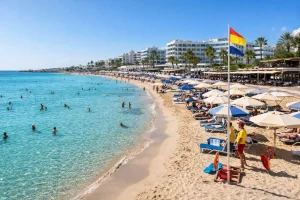
When evaluating whether it is safe to travel to Cyprus right now, most UK visitors are concerned about resort safety rather than geopolitical context.
Paphos
Paphos is widely regarded as one of the safest destinations on the island. It attracts families, retirees, and couples seeking a relaxed atmosphere. Crime is low and largely opportunistic. Pickpocketing can occur in crowded areas, but violent crime is rare.
Limassol
Limassol combines tourism with the business and shipping industries. It has a vibrant marina and nightlife scene. As with any city, petty theft can occur, particularly late at night. Standard urban awareness is sufficient.
Ayia Napa
Ayia Napa is known for its nightlife. Most incidents reported involve alcohol related disputes rather than targeted crime. Visitors should exercise sensible judgement when consuming alcohol.
Overall, crime patterns in Cyprus are favourable compared to many European holiday destinations.
Crime Type Frequency in Tourist Areas Prevention Advice
Pickpocketing Occasional Secure valuables
Violent crime Rare Avoid isolated areas at night
Drink spiking Rare Monitor drinks
Road traffic accidents Moderate Drive cautiously
Road safety deserves particular attention. Cyprus drives on the left, like the UK, but driving styles may differ. Hiring a car is common, and visitors should familiarise themselves with local road rules.
What Precautions Should I Take Before Travelling to Cyprus?
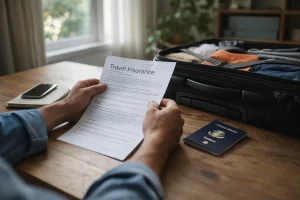
Preparation reduces uncertainty, particularly during periods of regional tension.
Why Is Travel Insurance Especially Important Right Now?
Comprehensive travel insurance is essential. Policies should cover:
- Medical treatment and hospitalisation
- Emergency evacuation
- Trip cancellation
- Accommodation during delays
- Personal belongings
A travel insurance adviser recently remarked, “The main issue for travellers is not physical danger but financial exposure if disruption occurs. Insurance provides peace of mind.”
Medical facilities in the Republic of Cyprus are of a good standard. UK travellers should carry a GHIC card, which allows access to state-provided healthcare under certain conditions.
How Can I Prepare for Unexpected Disruption?
Preparation should focus on flexibility and communication. Practical steps include:
- Signing up for FCDO travel advice updates
- Keeping digital and printed copies of documents
- Checking passport validity requirements
- Maintaining emergency contact details
Below is a preparation checklist for UK travellers.
Preparation Item Recommended Action
Passport validity Ensure sufficient validity beyond the return date
Travel insurance Confirm coverage for disruption
FCDO alerts Subscribe before departure
Emergency funds Keep access to backup funds
Local emergency numbers Save in phone contacts
In my own experience, preparation changes how safe a destination feels. I have found that staying informed and insured removes much of the anxiety linked to headlines.
I would approach a trip to Cyprus by monitoring updates but not allowing speculation to dictate plans. As I often remind myself, “Awareness is different from alarm. Staying informed does not mean assuming the worst.”
This balanced mindset reflects the broader situation. Cyprus remains a functioning, stable holiday destination. Regional developments require attention, not panic.
By evaluating official advice, understanding local conditions, and preparing properly, UK travellers can make informed decisions about whether it is safe to travel to Cyprus right now based on facts rather than fear.
Conclusion
So, is it safe to travel to Cyprus right now? Based on current guidance and conditions as of March 2026, Cyprus remains a stable and generally safe destination for UK travellers.
While regional escalation and the RAF Akrotiri incident require awareness, there is no advice against travel to the Republic of Cyprus.
With proper preparation, travel insurance, and regular monitoring of official updates, most visitors can travel confidently and enjoy their stay without significant concern.
Frequently Asked Questions
Is Cyprus currently on the UK no-travel list?
No. There is no FCDO advice against travel to the Republic of Cyprus as of March 2026.
Has the RAF Akrotiri incident affected tourist resorts?
No. The suspected drone impact occurred at a military base and has not directly affected tourist areas.
Are flights from the UK to Cyprus operating normally?
Yes, flights are operating. However, travellers should monitor airlines for any schedule changes due to regional developments.
Is Cyprus safe for solo female travellers?
Cyprus is generally considered safe for solo female travellers. Standard precautions should always apply, particularly at night.
Is Northern Cyprus more dangerous than the south?
Northern Cyprus is calm, but it operates under a different legal system. Travellers should understand insurance and entry requirements.
Could regional escalation suddenly close airports?
While unlikely, regional escalation could lead to temporary airspace adjustments. Monitoring official advice is recommended.
Do I need special travel insurance for Cyprus right now?
Standard comprehensive travel insurance is usually sufficient, but ensure it covers disruption and medical emergencies.

Leave a Reply