
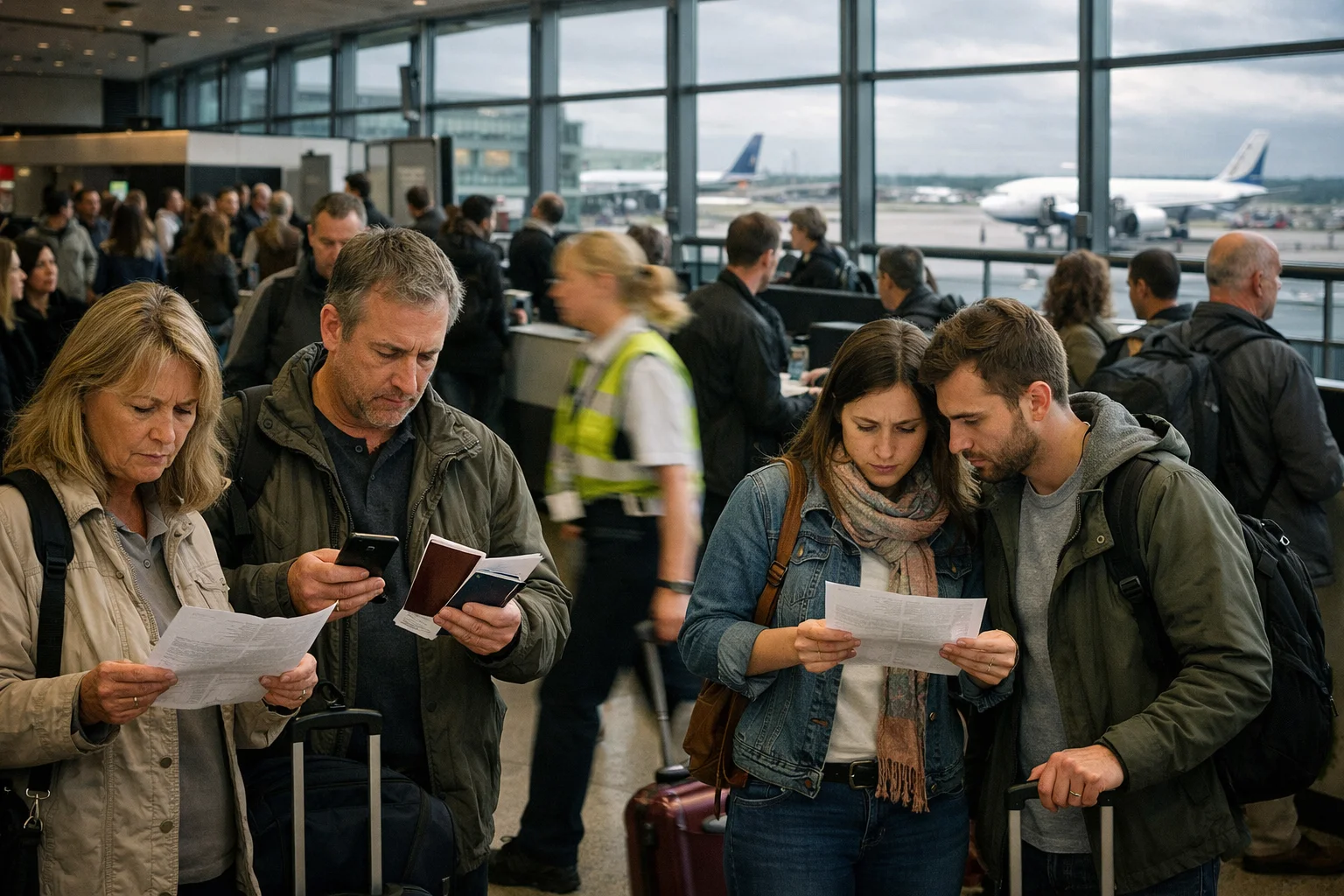
The Foreign Office travel warnings have been updated by the UK government, affecting 21 countries across the Middle East and surrounding regions.
The Foreign, Commonwealth and Development Office (FCDO) revised its travel advice due to rising regional tensions, security risks, military activity near borders and possible disruption to international travel routes.
Some countries are now under “avoid all travel” warnings, while others are classified as “avoid all but essential travel” or have specific regional restrictions.
British nationals currently in affected countries are advised to closely monitor official updates and, in some cases, register their presence with the UK government to receive emergency alerts and safety guidance.
Key Points:
- The FCDO has updated travel advice affecting 21 countries across the Middle East and nearby regions due to escalating regional tensions.
- The UK advises against all travel to Afghanistan, Iran, Iraq, Israel, Palestine and Yemen because of severe security risks.
- Countries including Bahrain, Kuwait, Qatar, UAE, Jordan and Lebanon are under “avoid all but essential travel” guidance.
- Several countries, such as Egypt, Pakistan, Saudi Arabia, Turkey, Armenia and Azerbaijan, have regional travel restrictions near conflict areas.
- British nationals in Bahrain, Israel, Kuwait, Palestine, Qatar and the UAE are encouraged to register their presence with the FCDO to receive safety alerts and updates.
What Are the Latest Foreign Office Travel Warnings for the Middle East?

The latest foreign office travel warnings issued by the UK government highlight growing security concerns across the Middle East and nearby regions.
The Foreign, Commonwealth and Development Office regularly evaluates global risks and updates travel guidance to help British nationals understand safety conditions before travelling abroad.
Recent updates reflect a complex regional situation involving geopolitical tensions, cross-border security incidents, military activity and potential disruptions to international travel routes.
Because these developments can change rapidly, the UK government has expanded or revised travel advice for more than twenty countries.
Foreign Office travel advice is designed to give British nationals practical information about risks they may encounter abroad.
These warnings are not travel bans in most cases but strong recommendations intended to help travellers assess their personal safety and make informed decisions.
The FCDO evaluates several key factors when determining travel warnings:
- Security conditions, including conflict or terrorism risks
- Political instability or civil unrest
- Threats to infrastructure such as airports or border crossings
- Ability of the UK government to provide consular support
- Risks to international travel routes, including airspace disruptions
When risks increase significantly, the Foreign Office may advise against travelling to a country entirely or recommend avoiding all but essential travel.
A government professional involved in international travel risk monitoring explained how these warnings are determined.
“Our job is to analyse evolving security information and provide clear guidance to British nationals. Travel advice is not issued to discourage travel unnecessarily but to ensure that people understand the risks before they make decisions.”
Another important element of travel advice is the UK government’s ability to assist citizens abroad. In areas affected by conflict or instability, consular support can become extremely limited.
If embassies cannot operate normally or access certain areas safely, travellers may not receive in-person assistance during emergencies.
The latest foreign office travel warnings, therefore, reflect both the security environment and the practical limitations of providing support to British nationals in high-risk regions.
Which 21 Countries Are Affected by the New UK Foreign Office Travel Advice?

The latest FCDO travel advice updates affect a wide range of countries across the Middle East, Central Asia and surrounding regions. Each country has been assessed based on specific security risks, regional conflicts and border tensions.
The 21 countries currently highlighted in the updated travel advice include Afghanistan, Armenia, Azerbaijan, Bahrain, Egypt, Iran, Iraq, Israel, Jordan, Kuwait, Lebanon, Oman, Pakistan, Palestine, Qatar, Saudi Arabia, Syria, Turkey, Turkmenistan, United Arab Emirates and Yemen.
The level of travel warning varies significantly depending on the security conditions in each location.
Countries With Avoid All Travel Warnings
Some countries are under the most severe level of warning, where the FCDO advises British nationals not to travel at all due to extreme safety risks.
Country Key Risk Factors Government Support Availability
Afghanistan Conflict, unstable security situation, detention risks Extremely limited
Iran Risk of detention for British nationals Limited consular access
Iraq Regional conflict escalation Limited support in some areas
Israel Ongoing regional conflict and security risks Limited during escalation
Palestine Security instability and conflict Restricted access
Yemen Ongoing conflict and humanitarian crisis No direct embassy services
These warnings indicate that travelling to these destinations could expose travellers to serious danger, including armed conflict, detention risks or limited access to evacuation routes.
Countries With Avoid All But Essential Travel Advice
The FCDO has also advised against all but essential travel to several countries where risks have increased, but conditions may still allow certain types of travel.
Country Main Safety Concern Travel Conditions
Bahrain Regional escalation Travel disruption possible
Kuwait Security tensions in the region Travel only if necessary
Qatar Regional instability Heightened caution required
UAE Potential regional security impact Monitor updates
Jordan Airspace disruption and border risks Limited travel advised
Lebanon Ongoing military activity High-risk environment
Travellers who visit these destinations should understand that security conditions may deteriorate quickly and commercial travel options could become limited.
Countries With Regional Restrictions or Border Risks
Some countries remain open for travel, but have specific areas where security risks are significantly higher.
Country Restricted Areas Reason for Advisory
Armenia Azerbaijan border areas Military tensions
Azerbaijan Armenia’s border and conflict regions Mine risk and military activity
Egypt North Sinai and Libya border Terrorism and security risks
Pakistan Afghanistan border and some provinces Terrorism and conflict risks
Saudi Arabia Yemen border regions Missile and drone activity
Turkey Syria border areas Conflict and terrorism risk
Turkmenistan Border crossings and entry restrictions Security concerns
Oman Specific regions under security alert Regional escalation
These regional restrictions mean that while tourism may still occur in safer areas, travellers must carefully check which locations are considered high risk.
Why Has the UK Government Updated Foreign Office Travel Warnings Now?
The latest update to foreign office travel warnings reflects a period of increased geopolitical tension across the Middle East and neighbouring regions. Several factors have contributed to the reassessment of travel risks.
Regional security developments have become more complex due to cross-border tensions, military operations and missile activity in some areas.
These incidents can affect not only local safety but also international travel infrastructure, such as airports and airspace routes.
Airspace disruption has been a particularly important factor. Some countries have experienced temporary closures of airspace or restrictions due to military activity or security threats.
Several factors have influenced the updated travel warnings:
- Missile interceptions in regional airspace
- Escalating border tensions between neighbouring countries
- Military operations affecting transport routes
- Demonstrations or political instability
- Increased terrorism threats in certain regions
Airspace changes can significantly affect international travel routes. Flights may be rerouted or cancelled when aviation authorities determine that airspace conditions are unsafe.
Another factor considered by the UK government is the unpredictability of regional escalation. Security conditions can change quickly, sometimes within hours.
A government safety advisor described this challenge. “The situation in several parts of the Middle East can evolve rapidly. Travel advice must reflect not only current conditions but also the potential for sudden escalation that could affect British nationals.”
Because travel warnings are based on ongoing monitoring of security intelligence, the FCDO frequently updates travel guidance as new information becomes available.
What Should British Nationals Do If They Are Already in the Middle East?
British nationals currently located in countries affected by the latest Foreign Office travel warnings should remain alert to changes in the security environment.
The FCDO advises travellers to stay informed and take precautionary steps to prepare for potential disruptions. While not every traveller will face immediate risks, changing regional conditions can quickly affect transportation, border crossings or public safety.
Travellers are encouraged to monitor official guidance and maintain awareness of local developments.
Several important actions can help travellers reduce risks.
- Monitor official government travel advice regularly
- Follow instructions from local authorities
- Avoid areas near military facilities or government buildings
- Keep travel documents accessible
- Maintain contact with family or friends
Travellers should also prepare for unexpected travel disruptions. Border closures or flight cancellations may occur if the security situation escalates.
Keeping emergency supplies and important documentation accessible can help travellers respond quickly if conditions change.
Another recommendation from the UK government is to monitor both international and local news sources. Local authorities often provide real-time updates that may not appear immediately in international reporting.
For travellers in high-risk regions, having contingency plans is also important. This may include identifying alternative travel routes, confirming airline policies and ensuring access to funds in case of unexpected delays.
How Can British Travellers Register Their Presence With the UK Government?

One of the most important safety measures recommended by the UK government is registering your presence if you are travelling or staying in certain countries.
Registration allows the FCDO to contact British nationals directly during emergencies or security incidents. Travellers can receive updates about evacuation routes, safety advice or changes to travel conditions.
The government currently recommends registration for British nationals located in several countries.
Country Purpose of Registration Type of Updates Provided
Bahrain Security updates Travel disruption alerts
Israel Emergency communication Safety instructions
Kuwait Regional risk monitoring Evacuation guidance
Palestine Conflict-related alerts Safety updates
Qatar Regional escalation updates Emergency information
United Arab Emirates Travel disruption alerts Consular notifications
Registration ensures that British nationals can receive timely notifications if the security situation deteriorates.
The process generally requires travellers to provide basic information, including their contact details and location within the country. This information helps the government coordinate support if assistance becomes necessary.
In crisis situations, registered travellers may receive guidance about evacuation options, safe travel routes or instructions to shelter in place.
What Are the Current Safety Risks Mentioned in the Foreign Office Travel Warnings?
The latest foreign office travel warnings highlight several safety risks that travellers should understand before visiting affected regions.
One of the most significant risks involves regional military escalation. Several countries have reported missile interceptions, drone activity or military operations near border areas.
These developments can affect both local safety and international travel infrastructure.
Another major concern is civil unrest or demonstrations that may occur in response to political developments. While protests may begin peacefully, they can escalate quickly and create risks for travellers.
Security experts often advise travellers to avoid large gatherings or demonstrations during periods of political tension.
The FCDO also highlights risks related to infrastructure and transportation.
Safety Risk Description Possible Impact on Travellers
Military escalation Missile or drone activity in some regions Airspace disruption
Border conflicts Clashes between neighbouring countries Restricted travel routes
Civil unrest Demonstrations or protests Public safety concerns
Infrastructure disruption Airport or road closures Travel delays
Security threats Terrorism risks in some areas Increased security measures
Travellers should also be aware that security forces may increase checkpoints or restrictions during periods of heightened tension.
Another important concern is the unpredictability of these risks. Security situations can change rapidly, meaning travellers must remain flexible and prepared to adjust their plans if necessary.
What Does Avoid All Travel and Avoid All But Essential Travel Mean?

Understanding the different levels of travel advice is important when reviewing foreign office travel warnings.
The FCDO uses several categories to communicate the level of risk associated with travelling to a particular country or region.
Travel Advice Level Explanation Travel Implications
Avoid All Travel Serious safety risks make travel highly dangerous Travellers should not visit
Avoid All But Essential Travel Significant risks present Travel only if absolutely necessary
Regional Restrictions Only certain areas are unsafe Travel may still be possible elsewhere
General Safety Advice Normal travel precautions are recommended Tourism generally allowed
Ignoring travel advice can create serious challenges if travellers encounter difficulties abroad.
For example, consular support may be limited in areas where travel warnings are in place. Emergency evacuation may also become difficult if transportation routes are disrupted.
Travel insurance providers often use FCDO travel advice when determining coverage eligibility.
How Do Foreign Office Travel Warnings Affect Travel Insurance and Trip Plans?
Foreign office travel warnings can have a direct impact on travel insurance coverage, flight availability and tourism services.
Many insurance policies contain clauses stating that coverage may not apply if travellers visit destinations against official government advice.
Travel Scenario Insurance Coverage Likely Outcome
Travel against Avoid All Travel warning Insurance usually invalid
Travel against Avoid All But Essential Travel advice Coverage may be restricted
Travel before the warning is issued Cancellation coverage may apply
Travel after warning issued Claims may be rejected
Insurance companies rely on government travel advice when evaluating risk levels. If travellers ignore official warnings, insurers may determine that the traveller accepted a known risk.
This can affect several types of coverage, including medical emergencies, trip cancellations and evacuation assistance.
From my own perspective, following international travel policy updates, I have observed that many travellers assume travel warnings only apply to extreme situations. In reality, these warnings often signal conditions that could quickly disrupt normal travel operations.
As I often explain when discussing travel safety, “Checking official travel advice should be as routine as confirming your passport or flight details. Situations can change quickly, and government updates often provide the earliest warning signs.”
Travel warnings can also influence airline decisions, tour operator policies and international tourism demand.
Airlines may suspend routes if security risks increase or if airspace restrictions make flights unsafe. Tour operators may cancel organised trips to destinations affected by new travel warnings.
For travellers planning international trips, reviewing the latest foreign office travel warnings is therefore an essential step in managing travel risk.
Conclusion: Why Staying Updated on Foreign Office Travel Warnings Matters
The latest Foreign Office travel warnings highlight the growing impact of regional tensions on international travel across the Middle East and neighbouring regions. With updated advice affecting 21 countries, British nationals are strongly encouraged to monitor official guidance before travelling.
From areas under complete travel bans to destinations with regional security restrictions, the current situation demonstrates how quickly global events can influence travel safety.
For anyone planning international travel, the most important step remains simple: stay informed, follow official advice and prepare for unexpected changes in travel conditions.
By keeping up to date with the latest FCDO guidance, travellers can make safer decisions and reduce risks while abroad.
FAQs
What are Foreign Office travel warnings?
Foreign Office travel warnings are official safety advisories issued by the UK’s Foreign, Commonwealth & Development Office to inform British nationals about potential risks when travelling to specific countries or regions.
How often does the UK Foreign Office update travel advice?
Travel advice is updated whenever new developments occur, including political instability, security incidents or changes in international relations that may affect traveller safety.
Can travel insurance be invalid if I ignore FCDO warnings?
Yes. Many insurance providers invalidate policies if travellers visit destinations against official FCDO advice, particularly where the warning advises against all travel.
How can UK citizens receive travel alerts abroad?
British nationals can subscribe to email updates through the official GOV.UK travel advice service, which sends notifications when travel guidance changes.
Is it safe to travel to the Middle East right now?
Safety varies by country and region. Some destinations remain accessible, while others are currently under strict travel warnings due to conflict or security risks.
What should I do if I am already in a country with a travel warning?
You should monitor official travel advice, follow instructions from local authorities, keep your travel documents updated and ensure you have access to emergency supplies.
Where can I check official UK travel advice before travelling?
Official travel guidance for every country is available on the GOV.UK website through the Foreign, Commonwealth & Development Office travel advice pages.

Leave a Reply