

The latest DVSA heavy vehicle changes for 2026 focus on digitalisation, safety checks, and improved testing efficiency for HGV and PSV operators across the UK.
From free downloadable plating certificates to new ADAS visual inspections and emailed PG10 notices, the updates are already in force and form part of a wider reform programme that began in 2025.
Key takeaways:
- Free plating certificates available from 13 February 2026
- ADAS visual checks began on 2 February 2026
- PG10 prohibition notices now issued by email
- New PSV door safety testing tool introduced in January 2026
These measures aim to improve service delivery and road safety standards.
What Are the DVSA Heavy Vehicle Changes Introduced in Early 2026?

The DVSA heavy vehicle changes introduced in early 2026 centre on four confirmed updates that affect HGV and PSV testing procedures across Britain.
According to the agency, these reforms are designed to improve efficiency, strengthen safety oversight, and support its transition to digital services.
The changes include:
- 5 January 2026: Introduction of a new PSV door safety testing tool
- 2 February 2026: Start of ADAS visual checks during heavy vehicle tests
- 2 February 2026: PG10 prohibition clearance notices moved to email
- 13 February 2026: Launch of free downloadable plating certificates
DVSA representatives stated that these steps will help streamline administrative processes while maintaining high safety standards.
The agency confirmed that most updates do not significantly alter the structure of the annual test but instead enhance how information is gathered and managed.
By combining digital improvements with practical safety adjustments, the DVSA aims to provide a more accessible and consistent testing system for operators, assessors, and compliance teams throughout the UK transport sector.
How Will the 13 February 2026 Plating Certificate Update Affect HGV Operators?
From 13 February 2026, HGV operators can download and print plating certificates free of charge through the GOV.UK MOT history service. Previously, operators often waited for certificates to arrive by post or paid for replacements if documents were lost or damaged.
The DVSA explained that this improvement removes delays and eliminates unnecessary costs. Operators can now access certificates instantly whether they are in an office, depot, or roadside location.
This change strengthens document control and allows faster response during audits or inspections.
By giving operators direct access to official plating records, the DVSA heavy vehicle changes support more efficient compliance management while reducing administrative burdens across fleets of all sizes.
What Are the New ADAS Visual Checks and Are They Part of the Annual Test?
Advance Driver Assistance Systems have become increasingly common in modern heavy vehicles. In response, the DVSA began visual checks on 2 February 2026 to monitor the condition of these systems during testing.
At present, these checks are not formally part of the annual test. Instead, assessors carry out visual inspections to gather information and assess system integrity.
The inspections include:
- Checking sensors and cameras for security
- Identifying damage or physical obstructions
- Observing, where applicable, basic operation
- Monitoring ADAS-related malfunction indicator lamps
A DVSA spokesperson confirmed that reviewing these systems will help the agency make informed decisions about potential future integration into the annual test.
Importantly, operators should understand that these checks do not add significant time to the test process. They reflect the growing role of vehicle technology in maintaining road safety and ensuring heavy goods vehicles operate as intended.
What Does the Move to Email PG10 Prohibition Notices Mean for Compliance?
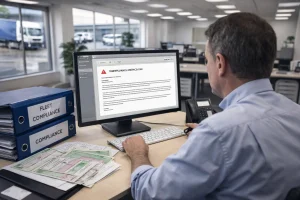
From 2 February 2026, PG10 prohibition clearance notices are issued via email rather than paper documentation. The PG10 form confirms that a previously unroadworthy vehicle has been repaired and is fit to return to the road.
Under the updated system, notices are sent directly to the email address linked to the vehicle on the Vehicle Operator Licensing system. The DVSA has encouraged operators to ensure their contact details remain accurate to avoid delays or missed communications.
This reform forms part of the agency’s broader digital transition strategy. By issuing PG10 notices electronically, the DVSA aims to provide faster confirmation, reduce paperwork handling, and improve record traceability.
For operators, maintaining up-to-date contact information on the VOL system is now essential to prevent compliance risks or operational disruption.
Why Has DVSA Introduced a New PSV Door Safety Testing Tool?
On 5 January 2026, the DVSA introduced a new tool designed to test door resistance on passenger service vehicles. The purpose of this equipment is to minimise injury risk to assessors while ensuring consistent testing standards.
During manual testing, there is a small risk of harm when doors close unexpectedly. The new device enables assessors to measure resistance safely and consistently.
Feedback gathered by the DVSA revealed that 87 percent of assessors preferred the tool, stating it ensured a safer and more reliable approach across testing sites.
The agency emphasised that safety procedures remain under constant review. By adopting improved equipment, the DVSA heavy vehicle changes reinforce its commitment to both employee safety and passenger protection within the PSV sector.
How Do These DVSA Heavy Vehicle Changes Fit into Wider 2025–2026 Testing Reforms?
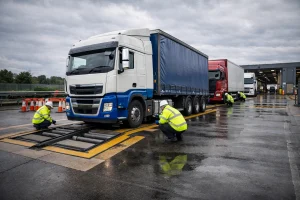
The 2026 updates form part of a broader programme of heavy vehicle testing reforms introduced during 2025 and continuing into 2026. These wider changes aim to modernise compliance and improve operational consistency.
Key developments include:
- From 1 April 2025, HGVs must undergo at least four laden roller brake tests per year
- Vehicles must be loaded to at least 65 percent of their design axle weight during testing
- From 21 August 2025, approved load simulation brake rollers are permitted
- Refinements to the Earned Recognition scheme with updated audit sampling
- Improved confirmation rates for Authorised Testing Facility sessions
Consultations are also underway regarding the phased removal of new non-zero emission HGV sales in future years.
Together, these measures demonstrate a shift towards data-driven oversight, digital processes, and enhanced safety assurance across the heavy vehicle sector.
What Should Fleet Operators Do Now to Prepare?
Fleet operators should take proactive steps to align with the DVSA heavy vehicle changes and minimise compliance risks. While most reforms are administrative or observational, preparation ensures smooth operations.
Recommended actions include:
- Verify that the email address on the Vehicle Operator Licensing system is accurate
- Establish internal procedures for downloading and storing plating certificates
- Inform maintenance teams about ADAS visual checks
- Review brake testing schedules to meet 2025 requirements
- Ensure PSV door mechanisms are maintained in line with testing expectations
Clear communication within compliance and transport management teams is essential. Operators who integrate these adjustments into daily processes will benefit from reduced delays, improved documentation control, and stronger audit readiness.
The DVSA has expressed confidence that these updates will enhance service delivery and maintain high road safety standards across Britain.
DVSA Heavy Vehicle Changes Timeline at a Glance

Understanding the sequence of reforms helps operators track compliance obligations. The table below summarises the key milestones introduced under the DVSA heavy vehicle changes programme.
Change Date Introduced Vehicle Type Affected Operator Action
Minimum four laden brake tests 1 April 2025 HGV Review brake testing schedule
Load simulation permitted 21 August 2025 HGV Confirm approved equipment use
PSV door safety tool 5 January 2026 PSV Maintain door systems properly
ADAS visual checks 2 February 2026 HGV Monitor sensors and warning lights
PG10 notices by email 2 February 2026 All heavy vehicles Update VOL email details
Free plating certificates 13 February 2026 HGV Download via MOT history service
These milestones illustrate the structured progression of reforms aimed at improving safety, efficiency, and digital access.
What Is the Business Impact for UK Fleet and Haulage Companies?
The DVSA heavy vehicle changes bring measurable operational and administrative implications for fleet operators. Although the core annual test structure remains largely unchanged, digital reforms reduce paperwork and waiting times.
Key impacts include:
- Faster access to essential documentation
- Reduced administrative costs
- Improved audit traceability
- Stronger emphasis on digital record keeping
- Greater awareness of emerging vehicle technologies
For large haulage businesses, immediate access to plating certificates can simplify multi-site operations. Smaller operators may benefit from reduced fees and clearer communication channels.
As vehicle technology evolves, the inclusion of ADAS monitoring signals is increasing regulatory attention on electronic safety systems. The DVSA has stated that these reforms aim to keep Britain’s roads among the safest in the world while improving service efficiency for customers.
Conclusion
The DVSA heavy vehicle changes introduced across 2025 and early 2026 represent a clear shift towards digital efficiency and enhanced safety monitoring. From mandatory brake testing schedules to emailed PG10 notices and free plating certificates, the reforms streamline compliance without fundamentally altering the annual test structure.
For UK fleet and PSV operators, the priority now is adaptation. Ensuring accurate contact details, maintaining vehicle technology, and strengthening document management processes will help businesses remain compliant and competitive.
As the transport sector continues to modernise, these updates reflect the DVSA’s commitment to practical improvements that support road safety, operational clarity, and long term regulatory stability.
FAQs
When did the latest DVSA heavy vehicle changes come into effect?
Most early 2026 updates were introduced between 5 January and 13 February 2026. Wider brake testing reforms began in April 2025.
Are ADAS visual checks now part of the annual HGV test?
No, the checks are currently visual assessments only. They are not yet formally included in the annual test criteria.
How can operators download plating certificates?
Certificates can be accessed through the GOV.UK MOT history service. They can be downloaded and printed free of charge.
What happens if a PG10 email is missed?
If the registered email address is outdated, the operator may not receive the notice promptly. This could delay confirmation that a vehicle is cleared for road use.
Do the changes affect small fleet operators?
Yes, all HGV and PSV operators must comply regardless of fleet size. Smaller operators may particularly benefit from reduced administrative costs.
Are brake testing requirements changing again in 2026?
The main brake testing changes began in April 2025. No additional brake testing revisions were announced in early 2026.
Why has DVSA focused on digital services?
The agency aims to improve efficiency and accessibility for operators. Digital services reduce paperwork delays and enhance record management.

Leave a Reply