

With the festive season approaching, many employees across the UK wonder whether working on Christmas Eve comes with additional pay.
While Christmas Day and Boxing Day are recognised bank holidays, the 24th of December often sits in a grey area.
Understanding how Christmas Eve is treated in terms of pay and working hours is essential for both employers and employees.
This article explores UK employment law, industry practices, and contract terms relating to pay on Christmas Eve.
Is Christmas Eve Considered a Public Holiday in the UK?
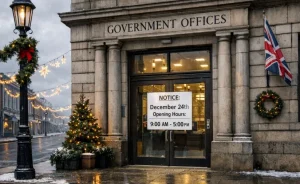
In the United Kingdom, the classification of a day as a public or bank holiday is determined by the UK Government.
Christmas Eve, although culturally significant and widely celebrated, is not designated as a bank holiday.
Unlike Christmas Day and Boxing Day, which are officially recognised public holidays, Christmas Eve is treated in the same way as any other normal working day in terms of employment law.
The practical impact of this is that businesses can operate as usual, and employees may be required to attend work unless their employer has implemented special policies.
Some companies choose to close early on Christmas Eve or allow staff to work reduced hours, particularly in office-based environments, but this is not a statutory requirement.
In sectors such as hospitality, retail, and healthcare, normal or extended working hours may apply.
What Does UK Employment Law Say About Holiday Pay on Christmas Eve?
There is no legal entitlement to enhanced pay for working on Christmas Eve unless it is contractually agreed.
UK employment law provides that employees are entitled to a minimum of 5.6 weeks of paid annual leave, which may or may not include the recognised bank holidays, depending on the terms set out in their contract.
Key employment legislation such as the Working Time Regulations 1998 does not include any provisions requiring employers to offer extra pay for non-bank holidays like Christmas Eve.
Pay for working during this period is therefore governed entirely by the employment agreement or collective bargaining arrangements that may be in place.
Employers have flexibility in offering additional benefits, including enhanced pay, but these are discretionary unless stated in writing.
The Advisory, Conciliation and Arbitration Service (ACAS) recommends clear communication between employers and employees about working arrangements during the festive period to avoid confusion.
Do Employees Receive Double Pay for Working on Christmas Eve?

There is no automatic entitlement to double pay on Christmas Eve in the UK. Whether or not an employee receives enhanced pay depends on their contract of employment or the customary practices of the employer.
Double pay is typically reserved for bank holidays or unsociable working hours, neither of which necessarily apply to Christmas Eve.
Industries such as hospitality, retail, emergency services, and transportation may offer extra pay or incentives for festive working.
This could be due to the operational demands of those sectors or as a goodwill gesture to employees. However, even in these industries, such pay is not guaranteed.
For example:
Sector Is Double Pay on Christmas Eve Common? Explanation
Retail Occasionally offered May depend on evening shifts and specific chains
Hospitality Frequently offered Incentives provided for unsocial hours
NHS and Emergency Services Often included in contracts Covered by union agreements or rotas
Offices and Admin Rare Christmas Eve treated as standard day
Logistics and Delivery Depends on employer Some offer bonuses or TOIL (time off in lieu)
In general, double pay is more likely when an employee is working during antisocial hours, such as after 6pm, or when shifts continue into Christmas Day.
What Determines Whether Staff Get Enhanced Holiday Pay?
Enhanced holiday pay on Christmas Eve is influenced by a combination of legal, contractual, and organisational factors.
While there is no automatic right to additional pay, several determinants shape whether employees receive higher rates.
Employment Contracts and Written Terms
The most decisive factor is the employment contract. If a contract explicitly states that Christmas Eve attracts enhanced pay such as time and a half or double pay, the employer is legally bound to honour it.
These clauses are common in roles that require unsociable hours or continuous service.
Contracts may specify:
- Enhanced pay for specific dates
- Higher rates for evening or night shifts
- Alternative compensation such as time off in lieu
If Christmas Eve is not mentioned, it is usually treated as a standard working day.
Company Policies and Staff Handbooks
Many employers rely on internal policies rather than individual contracts to define festive pay. These policies are often outlined in staff handbooks and may apply across departments or only to specific roles.
Company policies may include:
- Festive bonuses
- Temporary enhanced rates during peak periods
- Reduced working hours without loss of pay
Although not part of the contract, consistently applied policies can still carry weight, especially if communicated clearly to staff.
Trade Union and Collective Agreements
In unionised workplaces, enhanced holiday pay is often governed by collective bargaining agreements.
These agreements typically provide greater clarity and protection for employees working during the festive period.
Sectors such as healthcare, transport, and manufacturing commonly rely on these agreements to define Christmas Eve pay rates.
Once agreed, these terms are enforceable and override general company discretion.
Custom and Practice in the Workplace
Where an employer has consistently paid enhanced rates on Christmas Eve over several years, this may establish a custom and practice.
In some cases, employees can argue that this has become an implied contractual term.
For custom and practice to apply, the payment must be:
- Regular
- Consistent
- Well-known among employees
However, this is assessed on a case-by-case basis and often requires legal interpretation.
Are Employers Legally Required to Offer Extra Pay on Festive Days?

In the UK, there is no legislation that compels employers to offer extra pay on festive days, including Christmas Eve.
Even for official bank holidays such as Christmas Day or Boxing Day, the law does not demand double pay or enhanced rates.
The only legal requirement is that if an employee works on a bank holiday that they would normally have off, they must be compensated with a day off in lieu if that day forms part of their annual leave entitlement.
The misconception that employees are always entitled to double pay for working over the festive season is widespread, but unfounded.
While many businesses offer incentives, especially where staffing is difficult during holidays, this is a voluntary practice and not a legal obligation.
It is also worth noting that the Working Time Regulations do not differentiate between days based on cultural or religious importance.
The same rules apply regardless of whether the day is a normal weekday or part of the festive season, unless otherwise stated in the employment agreement.
How Does Christmas Eve Pay Compare Across Different Sectors in the UK?
Christmas Eve pay varies significantly across industries due to differences in operational demands, customer expectations, and staffing requirements.
Some sectors experience peak demand, while others slow down considerably.
Retail and Customer-Facing Roles
Retail is one of the busiest sectors on Christmas Eve. Many shops operate extended hours, particularly supermarkets and large chains.
As a result, some retailers offer incentives to encourage staff to work.
Common practices include:
- Standard pay with shorter shifts
- Enhanced pay for late evening hours
- One-off festive bonuses
Double pay is not guaranteed and is usually reserved for Christmas Day rather than Christmas Eve.
Hospitality and Leisure Industry
Hospitality businesses often see high demand on Christmas Eve, especially in restaurants, pubs, and hotels. To ensure adequate staffing, employers may offer enhanced rates or bonuses.
Enhanced pay in this sector is more common due to:
- Unsociable working hours
- Increased customer volume
- Difficulty covering shifts during the festive period
However, practices vary widely between independent businesses and larger chains.
Healthcare and Emergency Services
In healthcare and emergency services, Christmas Eve is treated as part of a continuous service requirement. Staff working during this period often receive enhanced pay, particularly if covered by union agreements.
Enhanced pay may apply when:
- Shifts extend into Christmas Day
- Work is classified as unsociable hours
- Rotas fall under nationally agreed terms
These arrangements are usually clearly defined and consistently applied.
Transport, Logistics, and Delivery
Transport and logistics play a critical role during the festive season.
While some services operate on reduced schedules, others face increased demand due to last-minute deliveries.
Pay practices may include:
- Overtime rates
- Shift premiums
- Time off in lieu after Christmas
Double pay is less common but may apply to overnight or emergency cover.
Office-Based and Corporate Roles
In office and corporate environments, Christmas Eve is often a quieter working day. Many businesses close early or allow remote working, but pay generally remains unchanged.
Enhanced pay is rare in this sector because:
- Work is typically daytime only
- Reduced hours are offered instead of higher pay
- Christmas Eve is not operationally critical
Employees are more likely to benefit from early finishes than financial incentives.
What Should Workers Do If They’re Unsure About Their Holiday Pay?
When uncertainty arises regarding Christmas Eve pay, it is important for employees to take proactive steps to seek clarification and ensure their rights are upheld.
Recommended actions include:
- Check your employment contract: This is the first place where holiday and pay arrangements will be detailed.
- Review the staff handbook or HR guidelines: Many employers outline seasonal pay and hours in internal documents.
- Consult your line manager or HR: A direct conversation can quickly clarify expectations for holiday working.
- Seek advice from ACAS or Citizens Advice: These services offer free guidance on employment rights and pay entitlements.
- Keep records of past pay: If you have been paid extra in previous years, this could support your case if disputes arise.
Taking these steps helps ensure workers are not left confused or short-changed during the festive period.
How Can Employers Promote Fair Pay During the Festive Period?

Employers play a key role in ensuring staff are treated fairly over the holiday season. Offering clarity and consistency in pay policies fosters goodwill and helps avoid staffing issues when employees are needed most.
Good practices for employers include:
- Providing written notice of festive rotas and any enhanced pay arrangements well in advance
- Outlining all entitlements clearly in contracts or handbooks
- Offering non-monetary incentives, such as time off in lieu or additional leave
- Acknowledging the contributions of employees who work antisocial or holiday hours
- Applying policies consistently across teams to avoid disputes
Businesses that prioritise transparency and fairness during Christmas are more likely to retain staff, reduce turnover, and maintain morale during one of the busiest times of the year.
What Are Common Misconceptions About Christmas Eve Pay?
Many employees in the UK believe that Christmas Eve qualifies as a special holiday deserving of extra pay, but this is not supported by employment law.
Some of the most widespread misconceptions include:
- “Everyone gets double pay on Christmas Eve”: In reality, only those with contracts or agreements stating so are entitled to enhanced rates.
- “It’s illegal to work on Christmas Eve without extra pay”: There is no such law; Christmas Eve is a normal working day.
- “All companies offer early leave on the 24th”: While common in some industries, early closures are not mandatory.
- “Bank holiday rules apply to Christmas Eve”: Christmas Eve is not a recognised bank holiday in the UK.
Clearing up these misunderstandings is important for both employers and employees to avoid disputes and disappointment.
Conclusion
Double pay on Christmas Eve is not a legal entitlement in the UK, but rather a discretionary benefit offered by some employers.
Whether enhanced pay applies depends on individual contracts, internal policies, or collective agreements. Employees should always refer to their terms of employment, while employers should aim for transparent communication during the festive period.
A clear understanding of rights and expectations helps ensure a fair and respectful working environment for all during the holidays.
FAQs – Holiday Pay & Christmas Eve Work in the UK
Does the law require double pay for working Christmas Eve?
No, UK law does not require double pay for working Christmas Eve. It is treated as a regular working day unless otherwise stated in your contract.
Can I refuse to work on Christmas Eve in the UK?
Unless your contract gives you the right to take the day off or you have pre-approved leave, you may be required to work if scheduled.
Is there a difference in pay if Christmas Eve falls on a weekend?
Not necessarily. Pay depends on the employer’s policy, not the day of the week, unless covered in the contract.
Do part-time workers get holiday pay for Christmas Eve?
Only if Christmas Eve is a normal working day for them and is taken as holiday. Entitlements are pro-rata.
How do I know if I’ll get enhanced pay on Christmas Eve?
Check your employment contract or speak with your employer directly. Company handbooks may also provide this information.
Are public sector employees paid more on Christmas Eve?
Some public sector roles, particularly essential services, may offer enhanced pay, but this varies across departments.
What happens if I work overtime on Christmas Eve?
Overtime pay depends on your contract. Some employers offer time and a half or double pay, while others pay the standard rate.

Leave a Reply