

The Butlins boss tourist tax warning highlights growing concerns that Labour’s proposed £2 per person per night levy could make UK holidays less affordable for families while placing additional pressure on hospitality businesses.
Jon Hendry Pickup argues that even small added costs can significantly impact booking decisions, particularly during a cost of living crisis.
Key takeaways from this discussion include:
- The proposed tourist tax could increase the total cost of family holidays
- Domestic travellers would be most affected, not just international visitors
- Hospitality businesses may face reduced demand and higher operational pressure
- Wider tax changes are already impacting employment and pricing
- The policy may unintentionally affect the entire sector, not just Airbnb
- Long term effects could reshape UK staycation trends and travel behaviour
What Is Behind the Butlins Boss Tourist Tax Warning?

The Butlins boss tourist tax warning has emerged as a significant point of concern within the UK tourism and hospitality sector.
Jon Hendry Pickup, chief executive of Butlin’s, has publicly criticised the proposed levy on overnight stays, arguing that it risks placing additional financial strain on British families who already face rising living costs.
His warning has gained traction because it highlights a key tension in current policy discussions. On one side, the Government is exploring ways to generate additional revenue from tourism and empower local authorities.
On the other hand, industry leaders are raising alarms about affordability and long-term sustainability.
The warning is not simply a reaction to a single policy proposal. It reflects broader frustrations across the sector, including increasing operational costs, changing tax structures, and a perceived lack of targeted support.
Pickup’s comments have resonated because they connect these wider issues to a concrete example that families can easily understand, namely the rising cost of a simple seaside holiday.
The debate has also drawn attention due to its timing. With economic pressures continuing to affect households across the UK, any additional charge linked to leisure activities is likely to face scrutiny.
The idea that a family holiday could become less accessible has amplified the visibility of this issue in both media and public discourse.
What Is the Proposed UK Tourist Tax and How Would It Work?
The proposed UK tourist tax centres on a fixed charge of £2 per person per night for overnight stays. This levy would likely be introduced at a local level, with mayors or regional authorities given the power to implement it based on local needs and tourism patterns.
The structure of the tax is relatively straightforward, but its implications are more complex. It would apply across a wide range of accommodation types, including hotels, guesthouses, and holiday parks. This universal application is one of the reasons it has attracted criticism from industry leaders.
Below is a simplified overview of how the proposed tax would function:
Component Details
Charge Amount £2 per person per night
Applicability All overnight accommodation
Authority Control Local mayors or councils
Current Status Under consultation
Potential Start Timeline Within the next few years
The proposal is designed to generate revenue that can be reinvested into local infrastructure, tourism services, and community development. Supporters argue that such reinvestment could improve visitor experiences and support regional economies.
How Does the UK Tourist Tax Compare to Other Countries?
Tourist taxes are widely used across Europe, but their structure and impact vary significantly depending on the country.
Country Typical Charge Key Characteristics
France €1 to €4 per night Based on the accommodation rating
Spain €0.50 to €3 per night Applied in tourist regions like Catalonia
Italy €2 to €7 per night Varies by city and hotel class
UK Proposed £2 flat rate Applies broadly across accommodation types
One key difference is that many European tourist taxes primarily affect international visitors. In contrast, the UK relies heavily on domestic tourism, meaning British families would bear a significant portion of the cost.
Why Does Butlin’s CEO Believe the Tourist Tax Could Be Disastrous?
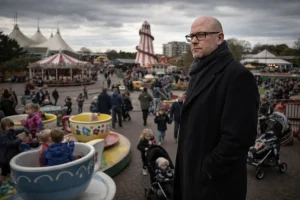
Jon Hendry Pickup’s concerns centre on the cumulative financial impact of the proposed levy. While £2 per night may appear modest, its effect becomes more pronounced when applied to families and longer stays.
He has emphasised that Butlin’s caters largely to budget-conscious families, many of whom carefully plan their holidays around affordability. Even small increases can disrupt these plans.
The issue becomes clearer when examining how costs scale:
Scenario Base Cost Added Tax Total Cost
Family of 4, 1 night £49 £8 £57
Family of 4, 3 nights £147 £24 £171
Family of 4, 5 nights £245 £40 £285
These increases may appear incremental, but they can significantly influence decision-making for families operating within tight budgets.
A tourism finance specialist shared a perspective on this issue:
“I have worked with operators who rely on volume bookings, and even a small increase in nightly pricing can lead to a noticeable drop in demand. Families often set strict budgets, and once a threshold is crossed, they simply choose not to book.”
This insight reflects a broader concern that the tax could reduce overall visitor numbers, rather than simply increasing revenue.
How Would the Tax Affect a Typical Family Holiday Cost?
The impact on a typical holiday becomes more evident when considering additional expenses such as food, travel, and entertainment. The tourist tax does not exist in isolation. It adds to an already increasing cost structure.
Key contributing factors include:
- Rising accommodation prices due to inflation
- Increased transport costs
- Higher food and activity expenses
When combined with the proposed levy, the total cost of a domestic holiday may exceed what many families are willing or able to spend.
Could the Tourist Tax Make UK Holidays Unaffordable for Families?
Affordability remains one of the most critical issues in this debate. The UK has seen a growing reliance on staycations, particularly in recent years when international travel faced disruptions. For many households, domestic holidays offered a more accessible alternative.
However, the introduction of a tourist tax could alter this dynamic. Families may begin to reassess whether UK holidays still represent value for money.
The potential consequences include:
- Reduced frequency of short breaks
- Shorter holiday durations
- Increased price sensitivity among consumers
A family travel advisor explained this shift:
“I speak to families every week, and many are already scaling back their plans. When additional charges are introduced, even small ones, it often leads to cancellations or postponements.”
This suggests that the tax could have behavioural effects that extend beyond simple cost increases.
Is the Tourist Tax Really Targeting Airbnb or Hurting Hospitality Businesses?

The Government has indicated that one of the motivations behind the tourist tax is to address the rapid growth of short-term rental platforms such as Airbnb. These platforms have been linked to housing shortages and increased rental prices in some areas.
However, the broad application of the tax means that traditional hospitality businesses would also be affected.
Accommodation Type Impact Level Key Concern
Airbnb Medium Regulation and cost balancing
Hotels High Competitive pricing pressure
Holiday Parks High Affordability for families
Guesthouses Medium Reduced bookings
A hospitality consultant offered a practical viewpoint:
“In my experience, policies designed to regulate one segment often end up impacting the entire ecosystem. The challenge is ensuring that traditional operators are not disproportionately affected.”
This highlights the complexity of designing targeted policies within a diverse industry.
How Are Labour’s Wider Tax Policies Affecting the Tourism and Hospitality Sector?
The tourist tax is only one element of a broader set of fiscal changes affecting the sector. Recent adjustments to National Insurance contributions and business rates have increased operational costs for many businesses.
Policy Change Previous Rate New Rate Impact
National Insurance 13.8% 15% Higher employment costs
NI Threshold £9,100 £5,000 More employees subject to NI
Business Rates Variable Increased Higher property related expenses
These changes create a cumulative effect, making it more expensive to run hospitality operations. Businesses must either absorb these costs or pass them on to consumers.
What Does This Mean for Youth Employment in Holiday Parks?
Holiday parks have traditionally played an important role in youth employment. They provide entry level opportunities that help young people gain practical skills and work experience.
However, rising employment costs are forcing businesses to reconsider their hiring strategies.
Impacts include:
- Fewer seasonal job openings
- Reduced working hours for part-time staff
- Greater reliance on experienced workers over new entrants
This shift could have long-term implications for workforce development within the sector.
Why Are Holiday Parks Like Butlin’s Missing Out on Government Support?
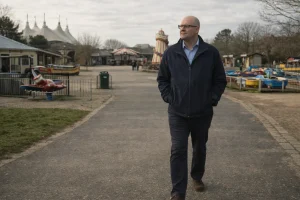
Holiday parks occupy a unique position within the hospitality industry. They combine elements of accommodation, entertainment, and food services, yet they have not always been included in targeted support measures.
This exclusion has been a source of frustration for operators who argue that their contribution to local economies is substantial.
Sector Support Access Reason for Inclusion or Exclusion
Pubs Yes Community and cultural value
Music Venues Yes Cultural preservation
Holiday Parks Limited Classification challenges
The lack of support adds further pressure on businesses already dealing with rising costs and potential new taxes.
What Is the Government’s Position on the Tourist Tax Debate?
The Government’s stance is that the tourist tax could provide meaningful benefits to local communities. By allowing regional authorities to implement the levy, it aims to create a more flexible and locally responsive system.
Revenue generated from the tax could be used for:
- Infrastructure improvements
- Tourism promotion
- Public services in high-visitor areas
Supporters argue that these benefits could enhance the overall visitor experience and contribute to sustainable tourism growth.
At the same time, critics question whether the projected benefits will materialise in practice. Concerns remain about administrative complexity, uneven implementation, and potential unintended consequences.
Could the Tourist Tax Change the Future of UK Staycations?
The long term impact of the tourist tax will depend on how it is implemented and how consumers respond. If the cost of domestic holidays continues to rise, some travellers may begin to explore alternatives.
Travel Option Current Appeal Potential Shift After Tax
UK Staycations High Moderate decline
European Holidays Moderate Possible increase
Short Breaks UK High Reduced frequency
Changes in travel behaviour could reshape the UK tourism landscape. Businesses may need to adapt by offering more competitive pricing, enhanced experiences, or flexible packages.
Ultimately, the Butlins boss tourist tax warning underscores a broader issue. Policy decisions in the tourism sector must carefully balance economic objectives with the realities faced by families and businesses. The outcome of this debate will play a significant role in determining the future direction of domestic travel in the UK.
Conclusion: Is the Butlins Boss Tourist Tax Warning a Sign of Bigger Problems Ahead?
The Butlins boss tourist tax warning highlights a broader tension between policy goals and real-world affordability. While the proposed levy aims to support local economies, it risks placing additional strain on families and businesses already navigating financial challenges.
As the consultation process continues, the debate raises important questions about fairness, economic impact, and the future of UK tourism. Whether the policy evolves or proceeds as planned, its implications will be closely watched by both industry leaders and holidaymakers.
FAQs
What is the UK tourist tax proposal?
The proposal involves a £2 per person per night charge on overnight stays, potentially introduced by local authorities to support regional economies.
Who would pay the tourist tax in the UK?
Both domestic and international travellers staying overnight in applicable areas would likely be required to pay the levy.
Why is Butlin’s against the tourist tax?
Butlin’s CEO believes the tax could make holidays unaffordable for families and harm businesses operating in the domestic tourism sector.
Is the tourist tax already in place in the UK?
No, the policy is currently under consultation and has not yet been implemented.
How could the tax affect family holidays?
It could increase the overall cost of trips, particularly for larger families or longer stays, making budget holidays less accessible.
Are other countries using tourist taxes?
Yes, countries like France, Spain, and Italy already have similar levies, though their tourism markets differ from the UK.
Will the tourist tax affect Airbnb properties?
While partly aimed at short-term rentals, the tax is expected to apply broadly across most types of accommodation.

Leave a Reply