
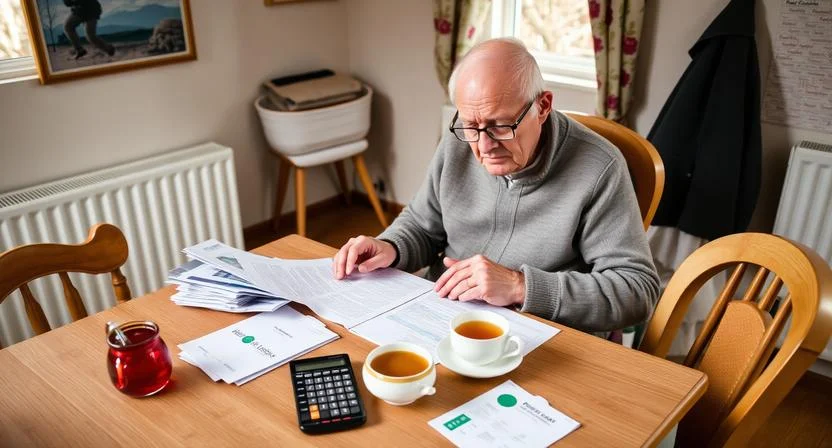
The DWP £200 pensioner eligibility rules mean eligible State Pensioners in England and Wales may receive an automatic £200 Winter Fuel Payment in 2026 if they were born between 28 September 1946 and 27 June 1960.
Pensioners born before 28 September 1946 may receive £300. Most payments are expected in November or December 2026, and most eligible pensioners will not need to claim.
Key takeaways:
- Pensioners must usually be born before 27 June 1960
- The £200 payment applies to many eligible pensioners under 80
- Pensioners aged 80 or over may receive £300
- Most payments should be made automatically
- DWP letters are expected in October or November 2026
- Income above £35,000 may lead to HMRC recovery
What Is the DWP £200 Pensioner Payment for 2026?

The DWP £200 pensioner payment refers to the Winter Fuel Payment available to eligible older people during the colder months. It is not a separate new benefit. It is part of the existing government winter support system managed by the Department for Work and Pensions.
For 2026, many State Pensioners under the age of 80 in England and Wales are expected to receive £200. Pensioners aged 80 or over may receive £300, depending on their date of birth, household arrangements, and wider eligibility position.
The payment is designed to support pensioners when heating costs are usually higher. Many older people live on fixed incomes, which means winter bills can create extra pressure. This support can help with gas, electricity, heating oil, solid fuel, or other household costs during colder months.
The payment is normally made once a year and is usually paid into the same bank account used for the State Pension or another qualifying benefit. Pensioners do not normally need to prove how the money is spent.
Winter Fuel Payment Support Explained
Winter Fuel Payment support is aimed at helping older households manage winter living costs. Although many people refer to it as the £200 pensioner payment, the final amount can be different from one person to another.
The payment can vary because the DWP considers several details, including:
- Age of the pensioner
- Date of birth
- Country of residence
- Whether the pensioner lives alone
- Whether another eligible person lives in the same household
- Whether the pensioner receives certain means-tested benefits
This is why two pensioners of a similar age may not always receive the same amount.
Why the Payment Is Issued in November and December?
The payment is usually issued in November or December because this is when heating costs begin to increase for many households. By sending the payment before the coldest part of winter, the government aims to give pensioners support at a time when it is most useful.
Most eligible pensioners should receive a letter before payment is made. The letter usually confirms the amount and the bank account where the money will be paid.
Payment detail What pensioners should know
Name of support Winter Fuel Payment
Common search term DWP £200 pensioner payment
Main purpose Help with winter heating costs
Expected payment months November and December 2026
Usual payment method Automatic bank payment
Letter expected October or November 2026
Main Purpose of the Payment: The main purpose is to reduce winter pressure on older households. It is not intended to replace regular income, but it can help pensioners manage higher seasonal costs.
Important Payment Note: Pensioners should read the DWP letter carefully because it confirms the amount they should receive.
Simple Household Check: A pensioner should make sure their address and bank details are up to date before the winter payment period begins.
Who Qualifies for the DWP £200 Pensioner Payment?
The main DWP £200 pensioner eligibility rule for 2026 is based on age and residence. To qualify, a pensioner must usually have been born before 27 June 1960 and live in England or Wales.
Pensioners born between 28 September 1946 and 27 June 1960 are expected to qualify for the £200 amount if they meet the full eligibility rules. Pensioners born before 28 September 1946 may qualify for the higher £300 amount.
Eligibility is not based only on whether someone thinks of themselves as retired. The DWP applies official qualifying dates and conditions. A person may already be receiving the State Pension, but the Winter Fuel Payment still depends on the specific age and residence rules.
Date of Birth Eligibility Rule
The date of birth rule is one of the most important parts of the scheme. For the 2026 payment, the key rule is that a pensioner must usually have been born before 27 June 1960.
The expected payment position is:
- Born after 27 June 1960, not expected to qualify under the 2026 age rule
- Born between 28 September 1946 and 27 June 1960, may receive £200
- Born before 28 September 1946, may receive £300
| Date of birth | Expected payment position |
|---|---|
| Born after 27 June 1960 | Not expected to qualify under the 2026 age rule |
| Born between 28 September 1946 and 27 June 1960 | May receive £200 |
| Born before 28 September 1946 | May receive £300 |
| Aged 80 or over | Usually linked with the higher payment amount |
England and Wales Residency Requirement
The rules described here apply to pensioners living in England and Wales. Residence matters because winter support systems can differ across the UK.
Pensioners living in Scotland, Northern Ireland, or overseas should check the rules that apply to their location. A person’s address during the qualifying period may affect whether the payment is issued automatically and which winter support system applies.
Payment Rules for Pensioners Living Alone
The DWP confirmed that the £200 and £300 amounts apply to eligible pensioners living alone. This means a qualifying pensioner under 80 who lives alone may receive £200, while a qualifying pensioner aged 80 or over who lives alone may receive £300.
However, payment amounts can change when someone lives with another eligible pensioner. They may also differ where means-tested benefits are involved.
A welfare rights adviser described this confusion clearly: “I often see pensioners assume everyone gets the same amount, but household arrangements can change the final payment. I would always tell people to check the letter carefully because the amount depends on more than age alone.”
How Much Will Eligible Pensioners Receive from the DWP?
Eligible pensioners may receive between £100 and £300 through the Winter Fuel Payment scheme. The final amount depends on age, household arrangements, and benefit circumstances.
Many State Pensioners in England and Wales will focus on the £200 figure because this applies to eligible pensioners born between 28 September 1946 and 27 June 1960. However, older pensioners may receive more, and some households may receive different amounts depending on how the DWP applies the rules.
£200 Payment for Pensioners Under 80
State Pensioners born between 28 September 1946 and 27 June 1960 are expected to qualify for a £200 Winter Fuel Payment, provided they meet the residence and wider eligibility rules.
This is the group most closely connected with the search term dwp £200 pensioner eligibility. These pensioners are old enough to meet the 2026 qualifying rule but not old enough to fall into the higher payment band for those aged 80 or over.
£300 Payment for Pensioners Aged 80 or Over
Pensioners born before 28 September 1946 may receive £300. This higher rate applies to eligible pensioners aged 80 or over.
The higher amount recognises that older pensioners may have greater heating needs, health concerns, mobility issues, or care requirements. Older households may also spend more time at home, which can increase heating usage during winter.
Why Some Pensioners May Receive £100 to £300?
Although the headline amounts are £200 and £300, Winter Fuel Payments can range between £100 and £300. This is because the payment rules consider household arrangements and qualifying benefits.
Pensioner situation Possible payment impact
Eligible pensioner under 80 living alone May receive £200
Eligible pensioner aged 80 or over living alone May receive £300
Two eligible pensioners in the same household Payment may be shared or adjusted
Pensioner receiving certain means-tested benefits Amount may differ based on circumstances
Pensioner with income above £35,000 Payment may be recovered through HMRC
A pensioner should not rely only on general payment figures. The DWP letter is the most important document because it confirms the individual payment amount.
Will the £200 Pensioner Payment Be Made Automatically?
Most eligible pensioners should receive the £200 pensioner payment automatically. This means they will not usually need to complete a claim form or contact the DWP before payment is made.
Automatic payments are usually made to pensioners who already receive the State Pension or certain qualifying benefits. The money is normally paid into the same bank account used for those benefits.
The automatic process helps reduce the risk of pensioners missing out because they are unaware of the payment or unsure how to claim. However, not everyone will be paid automatically, so pensioners should still check their position.
A pensioner is more likely to receive the payment automatically if:
- They already receive the State Pension
- They receive a qualifying DWP benefit
- Their address and bank details are up to date
- They have received the Winter Fuel Payment before
- They have not deferred their State Pension in a way that affects payment records
The DWP is expected to send letters during October or November 2026. These letters should explain how much will be paid and where the money will be sent.
Which Benefits Can Help Pensioners Qualify for the Winter Fuel Payment?

Several benefits can help the DWP identify pensioners who may qualify for the Winter Fuel Payment. Some benefits may also affect how much a pensioner receives.
The list includes State Pension, Pension Credit, Universal Credit, Attendance Allowance, Personal Independence Payment, Carer’s Allowance, Disability Living Allowance, income-related Employment and Support Allowance, War Pensions Scheme awards, Industrial Injuries Disablement Benefit, Incapacity Benefit, and Industrial Death Benefit.
State Pension and Pension Credit
State Pension is the regular retirement income paid by the government to people who have reached State Pension age and meet National Insurance contribution rules.
Pension Credit is extra financial support for pensioners on a low income. It is particularly important because it can unlock other support. Some pensioners wrongly assume they cannot claim Pension Credit because they own a home or have small savings, but eligibility depends on the full financial situation.
Benefit Why it matters
State Pension Often helps the DWP identify eligible pensioners
Pension Credit Supports low-income pensioners and may link to extra help
Universal Credit May apply to some low-income households
Attendance Allowance Helps older people with care needs
Personal Independence Payment Supports people with long-term health conditions or disabilities
Carer’s Allowance Supports those caring for someone at least 35 hours a week
Disability and Care-Related Benefits
Disability and care-related benefits can be relevant because many pensioners have health conditions or care needs. These benefits do not automatically mean that a pensioner will receive a higher Winter Fuel Payment, but they may form part of the wider benefit record.
Common disability and care-related benefits include:
- Attendance Allowance
- Personal Independence Payment
- Disability Living Allowance
- Carer’s Allowance
These benefits can also help pensioners manage daily living costs, care needs, and mobility-related expenses.
Income-Related and Legacy Benefits
Some pensioners may receive income-related or older legacy benefits. These benefits can be important when the DWP checks payment records and household circumstances.
A benefits consultant explained the issue clearly: “I would not tell a pensioner to look at one benefit in isolation. I always check the whole household because Pension Credit, disability benefits, and living arrangements can all affect what support someone receives.”
The wider qualifying benefit list may include:
- Universal Credit
- Income-related Employment and Support Allowance
- Incapacity Benefit
- Industrial Injuries Disablement Benefit
- Industrial Death Benefit
- War Pensions Scheme awards
This is why pensioners should not assume they are excluded without checking the full rules.
When Will Pensioners Receive the £200 Winter Fuel Payment?
Most eligible pensioners should receive the £200 Winter Fuel Payment in November or December 2026.
The DWP is expected to send letters in October or November 2026. The letter should confirm the amount, payment account, and whether the pensioner needs to take any action.
Key date or period What pensioners should expect
October 2026 Some pensioners may start receiving confirmation letters
November 2026 Many automatic payments are expected to begin
December 2026 Further automatic payments are expected
27 January 2027 Pensioners should contact the centre if no letter or payment arrives
The payment should usually appear in the pensioner’s bank account with a reference linked to the Winter Fuel Payment. Pensioners should check their bank accounts carefully during the payment period before assuming the money has not arrived.
If the letter arrives but the money does not, the pensioner should check the payment date and bank details shown in the letter.
Who Needs to Claim the DWP £200 Pensioner Payment Manually?

Most pensioners will not need to claim, but some may need to take action. This is an important part of the DWP £200 pensioner eligibility because a person may meet the age rule but still need to claim manually.
A manual claim may be needed when the DWP does not already have enough information to make an automatic payment.
First-Time Winter Fuel Payment Claimants
A pensioner may need to claim if they have never received a Winter Fuel Payment before. This can happen when someone has only recently become eligible or has not previously been part of the automatic payment system.
First-time claimants should check whether they need to contact the Winter Fuel Payment Centre. They should also keep important details ready, including their National Insurance number, date of birth, address, and bank details.
Pensioners Who Have Deferred Their State Pension
Some pensioners defer their State Pension to receive a higher amount later. If a pensioner has deferred their State Pension since their last Winter Fuel Payment, they may need to make a claim.
This is because the automatic payment system often relies on benefit records. If State Pension payments have been deferred, the DWP may not have the same payment pathway available.
A pension adviser described the situation clearly: “I have spoken to pensioners who assumed deferring State Pension would not affect anything else. I always explain that it can change how the DWP sees their record, so it is sensible to check whether a Winter Fuel Payment claim is needed.”
What Happens If a Pensioner Earns More Than £35,000?
The DWP has confirmed that pensioners with a total income above £35,000 will have the Winter Fuel Payment recovered through HMRC.
This means the payment may still be made, but HMRC can recover the amount later. Recovery may happen through a tax code adjustment or through a Self Assessment tax return.
This rule is important for pensioners who have income from several sources. Total income may include State Pension, private pension income, workplace pension income, earnings, rental income, investment income, or other taxable income.
Income position What may happen
Total income below £35,000 Payment is not expected to be recovered under this rule
Total income above £35,000 Payment may be recovered through HMRC
Pensioner in PAYE tax system Recovery may happen through tax code changes
Pensioner completes Self Assessment Recovery may happen through the tax return
The income recovery rule does not mean every pensioner over the threshold must stop the payment before it arrives. It means the amount can be reclaimed later through the tax system.
Can Pensioners Opt Out of the £200 Winter Fuel Payment?
Yes, pensioners who do not want to receive the payment can opt out. This may be relevant for pensioners whose income is above the recovery threshold or those who do not wish to receive the support.
For 2026, the online opt-out deadline is 11.50pm on 20 September 2026. Pensioners choosing to opt out by phone must contact the Winter Fuel Payment Centre before 6pm on 18 September 2026.
Pensioners should think carefully before opting out. Some may believe they do not need the payment, but their situation could change before winter. Others may prefer not to receive it if they expect HMRC to recover it later.
A pensioner may consider opting out if:
- Their total income is clearly above £35,000
- They do not want the payment to be issued
- They prefer to avoid later recovery through HMRC
- They understand the deadline and process
Anyone unsure should check their financial position before making a decision.
What Should Pensioners Do If the Payment or Letter Does Not Arrive?
If a pensioner has not received a letter or payment by 27 January 2027, they should contact the Winter Fuel Payment Centre.
Before contacting the centre, they should check whether they meet the age and residence rules. They should also check whether they have moved home recently or changed bank details.
Useful details to check include:
- Date of birth
- Current address
- National Insurance number
- Bank account details
- State Pension or benefit payment records
- Previous Winter Fuel Payment history
If a pensioner has received a letter but no payment, they should compare the bank account details in the letter with their current bank account. If the details are wrong, they should report the issue quickly.
What Other Support May Be Available for Pensioners in the UK?

The Winter Fuel Payment is only one type of support. Pensioners may also qualify for other help depending on income, housing costs, health needs, disability, and local council rules.
Pension Credit is one of the most important benefits to check. It can increase weekly income and may open access to other support. Many pensioners do not claim it because they assume they are not eligible, but checking entitlement can be worthwhile.
Other possible support may include Council Tax Reduction, Housing Benefit, Attendance Allowance, Warm Home Discount, help with NHS costs, and local council hardship schemes.
Type of support How it may help pensioners
Pension Credit Extra income for low-income pensioners
Council Tax Reduction May reduce council tax bills
Housing Benefit May help with rent for eligible pensioners
Attendance Allowance Support for older people with care needs
Warm Home Discount Help with electricity costs for eligible households
Local council support Emergency or hardship help depending on area
Pensioners should check both national and local support. Local councils may offer extra help through hardship funds or household support schemes, although availability can vary by area.
What Are the Key Things Pensioners Should Remember About DWP £200 Pensioner Eligibility?
The DWP £200 pensioner eligibility rules are mainly built around age, residence, and household circumstances. The payment is usually automatic, but not every pensioner will receive the same amount.
The most important things to remember are:
- The payment is linked to Winter Fuel Payment support
- Pensioners must usually have been born before 27 June 1960
- Those born between 28 September 1946 and 27 June 1960 may receive £200
- Those born before 28 September 1946 may receive £300
- Most payments are expected in November or December 2026
- Letters are expected in October or November 2026
- Some pensioners may need to claim manually
- Income above £35,000 may lead to recovery through HMRC
- Pensioners can opt out before the DWP deadlines
- Anyone without a letter or payment by 27 January 2027 should contact the Winter Fuel Payment Centre
Pensioners should not rely only on headlines about the £200 payment. The correct amount depends on the person’s full situation.
Who Can Get the DWP £200 Pensioner Payment in Conclusion?
The DWP £200 pensioner eligibility rules confirm that many State Pensioners in England and Wales can receive automatic Winter Fuel Payments in 2026.
Pensioners born between 28 September 1946 and 27 June 1960 are expected to receive £200, while pensioners born before 28 September 1946 may receive £300.
Most eligible pensioners do not need to claim because payments should be made automatically in November or December 2026. However, some people may need to claim manually, especially if they have never received a Winter Fuel Payment before or have deferred their State Pension.
Pensioners should look out for their DWP letter, check the amount and bank details, and contact the Winter Fuel Payment Centre if no letter or payment arrives by 27 January 2027.
FAQs About DWP £200 Pensioner Payment Eligibility
Is the DWP £200 pensioner payment the same as the Winter Fuel Payment?
Yes, the £200 pensioner payment usually refers to the Winter Fuel Payment for eligible pensioners under 80. It is designed to help older households with heating costs during winter.
Do pensioners need to apply for the £200 payment every year?
Most eligible pensioners do not need to apply every year because the payment is usually made automatically. However, some pensioners may need to claim if they have never received it before or if their State Pension has been deferred.
Can a pensioner receive the payment without getting Pension Credit?
Yes, a pensioner may still qualify without receiving Pension Credit if they meet the age, residence, and wider eligibility rules. Pension Credit can affect certain payment arrangements, but it is not the only route to support.
Will couples both receive a £200 Winter Fuel Payment?
Couples may not always receive £200 each. The amount can depend on whether both people are eligible, their ages, their benefits, and their household arrangements.
What date of birth qualifies for the 2026 Winter Fuel Payment?
For the 2026 payment, pensioners must usually have been born before 27 June 1960. Those born between 28 September 1946 and 27 June 1960 may receive £200, while those born before 28 September 1946 may receive £300.
Can pensioners outside England and Wales receive the same payment?
The rules described here apply to England and Wales. Pensioners in Scotland, Northern Ireland, or overseas should check the specific winter support rules that apply to their location.
What should someone do if their bank details have changed?
A pensioner should update their details with the relevant benefit office as soon as possible. Payments are usually made into the same account used for State Pension or other benefits.

Leave a Reply