
Last Updated on AUG 20, 2026
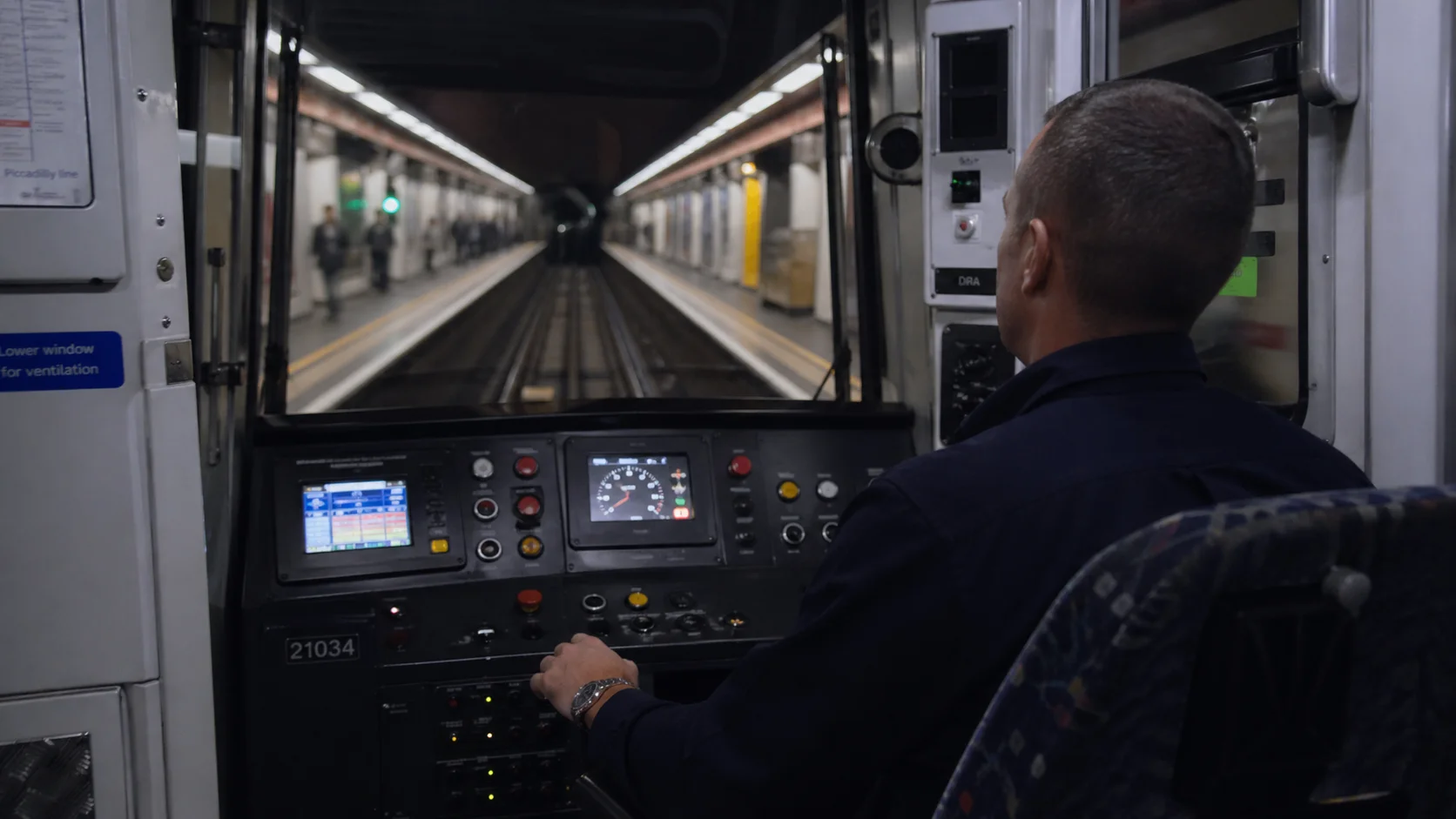
TfL train drivers, officially known as London Underground Train Operators, have an estimated 2026 basic rate of around £76,200 a year.
TfL’s latest published role-specific figure was £71,160 for 2024/25, after which London Underground staff received a 3.4% pay increase from April 2025 and a further 3.6% increase from April 2026.
This means the £68,096 figure previously associated with Tube drivers is now outdated, as that was the 2023/24 rate.
Most Train Operator earnings still come from fixed basic pay, although overtime, allowances, pension arrangements and other benefits can increase the overall value of the employment package.
Key takeaways:
- The latest TfL-published Train Operator rate was £71,160 for 2024/25
- A 3.4% increase applied from 1 April 2025
- A further 3.6% increase applies from 1 April 2026
- This puts the estimated 2026 Train Operator basic rate at about £76,200
- TfL recorded 3,364.51 Train Operator FTEs in 2024/25
- Overtime and additional payments sit on top of the normal basic rate
What Is the Average TfL Train Driver Salary in 2026?

TfL train drivers, officially known as Train Operators on the London Underground, are on a spot-rate pay structure rather than a broad salary band. TfL’s latest published role-specific data shows a Train Operator salary of £71,160 in 2024/25, compared with £68,096 in 2023/24.
That £71,160 figure has since been overtaken by two agreed pay increases. London Underground staff received a 3.4% increase from 1 April 2025, followed by a 3.6% increase from 1 April 2026.
Applying those increases to the latest published TfL rate gives an estimated current Train Operator basic salary of approximately £76,200 a year.
The £76,200 figure should be described as a 2026 estimated current rate derived from TfL’s published salary and subsequent agreed pay awards, rather than as a newly published TfL salary figure.
The salary structure is relatively straightforward compared to many other industries. Most of a driver’s income comes from a fixed annual salary rather than performance-based bonuses or variable overtime.
This creates a predictable earnings profile, which is one of the key attractions of the role.
Across the workforce, most drivers fall into a defined earnings band. A large proportion of Train Operators earn total compensation between £70,000 and £80,000 when pensions and minor additional payments are included.
This places TfL drivers above the UK national average for full-time earnings and positions the role as one of the more financially stable careers in the transport sector.
The structured pay system also ensures that salary progression is gradual and tied to experience and negotiated agreements rather than individual bargaining.
How Has the London Underground Driver Salary Changed Over Time?
Recent TfL Train Driver Salary Trends
The salary growth of London Underground drivers has been steady over the past six financial years. This reflects both economic pressures and the operational importance of retaining skilled staff.
Financial Year Train Operator FTE Published Salary
2022/23 3,339.98 £63,901
2023/24 3,304.97 £68,096
2024/25 3,364.51 £71,160
2025/26 — Approx. £73,580*
2026/27 — Approx. £76,200*
*The final two figures are derived from the agreed 3.4% and 3.6% increases and should not be presented as separately published TfL FOI salary figures.
TfL’s October 2025 FOI response confirms the first three salary and FTE figures. The subsequent pay agreement provides the percentage increases used for the estimates.
The published Train Operator rate increased from £63,901 in 2022/23 to £71,160 in 2024/25. Subsequent agreed increases of 3.4% and 3.6% mean the equivalent 2026 rate is now approximately £76,200, continuing the upward movement in London Underground pay.
What Factors Influenced Salary Growth?
Several influences have contributed to these salary increases:
- The rising cost of living in London has required employers to offer competitive wages
- Strong union representation negotiating pay deals
- The need to retain experienced drivers in a safety-critical role
- Adjustments following operational changes, such as the Night Tube restructure
Although the average headcount has slightly decreased, this does not indicate reduced demand. Instead, it reflects structural changes in how TfL manages staffing across different services.
What Is the Breakdown of TfL Train Driver Salaries and Costs?

Average Salary and Headcount by Year
The relationship between salary and workforce size is important for understanding overall spending. TfL consistently employs several thousand Train Operators, making this one of its largest staffing categories.
| Financial Year | Train Operator FTE | Spot Salary | Approx. Basic Salary Cost |
|---|---|---|---|
| 2022/23 | 3,339.98 | £63,901 | £213.4 million |
| 2023/24 | 3,304.97 | £68,096 | £225.1 million |
| 2024/25 | 3,364.51 | £71,160 | £239.4 million |
TfL provides the FTE and salary figures directly. The final column is simply the FTE multiplied by the published spot salary, so it should be described as an illustrative basic salary estimate, not TfL’s actual audited Train Operator payroll expenditure.
Total Basic Salary Costs Explained
These estimates multiply TfL’s reported Train Operator FTE by the applicable spot salary. They provide an indication of basic salary expenditure only and should not be treated as TfL’s actual payroll total, as overtime, allowances, pension costs and other employment expenses are not included.
While this provides an estimate rather than an exact figure, it gives a clear picture of TfL’s financial commitment to its Train Operators.
The steady rise in total salary costs highlights the importance of these roles within the organisation. It also reflects the broader challenge of balancing operational budgets with the need to offer competitive pay in London.
Overtime Pay and Additional Earnings Explained
Overtime plays a much smaller role in TfL driver earnings compared to many other professions. Drivers cannot typically sign up for extra shifts. Instead, overtime occurs when operational disruptions extend a driver’s working hours.
Financial Year Overtime Hours Overtime Cost
2019 to 2020 11,819.87 £440,308.63
2020 to 2021 11,514.95 £440,218.28
2021 to 2022 6,637.40 £261,621.23
2022 to 2023 8,671.54 £348,342.04
2023 to 2024 11,753.53 £510,688.06
2024 to 2025 10,745.47 £496,030.83
The total overtime cost across these years exceeds £2.49 million, but when spread across thousands of drivers, the individual impact is relatively small.
A transport operations specialist described this clearly:
“People often assume train drivers significantly increase their earnings through overtime, but the system is designed to minimise that. Most of their income is fixed and predictable, which is very different from many other industries.”
How Much Overtime Do TfL Train Drivers Earn?
Overtime earnings are limited and irregular. The average overtime payment is relatively low when compared to total salary, with typical additional earnings amounting to a small fraction of annual income.
Key characteristics of overtime for TfL drivers include:
- It is usually unplanned and caused by service delays
- Drivers cannot regularly volunteer for extra shifts
- Payments are calculated based on time worked beyond scheduled hours
Because of this structure, overtime does not significantly change overall earnings. Instead, it serves as compensation for operational disruptions rather than an opportunity to increase income.
What Is the Total Compensation of London Underground Drivers?

A current 2026 role-specific breakdown showing how many London Underground Train Operators receive total remuneration within each £10,000 band has not been published in the same format as the older figures.
The most reliable approach is therefore to separate basic salary from total remuneration. TfL’s last directly published Train Operator spot rate was £71,160 for 2024/25, while subsequent agreed pay rises put the estimated 2026 basic rate at around £76,200. Overtime, allowances and employment benefits can add further value, but the amount varies by employee.
TfL’s recent recruitment information lists benefits that can include a final salary pension scheme, free travel on the TfL network, reimbursement of 75% of eligible National Rail commuting costs and other employee discounts, although TfL notes that rewards vary according to role.
For Train Operators specifically, TfL’s FOI data states that they are entitled to 37 days of leave and accrue six additional rest days, giving 43 days in total.
Do TfL Train Drivers Earn More Than Other UK Train Drivers?
London Underground Train Operators are paid above the upper end of the general train-driver salary range currently published by the National Careers Service, although individual salaries at National Rail operators can vary considerably by employer, route and agreement.
Role Type Current Salary Guide
UK Train Driver £28,000 starter to £65,000 experienced
London Underground Train Operator Approx. £76,200 basic rate in 2026
This difference reflects several factors:
- Higher living costs in London
- Increased operational complexity of the Underground
- Greater passenger density and responsibility
The gap is not extreme, but it is significant enough to make TfL roles particularly attractive.
What Benefits Do TfL Train Drivers Receive?

Beyond salary, TfL offers a comprehensive benefits package that enhances overall compensation. These benefits contribute significantly to the attractiveness of the role.
Some of the most notable benefits include:
- A defined pension scheme that provides long-term financial security
- Free or discounted travel across the TfL network
- TfL’s latest Train Operator FOI data states that Train Operators and Instructor Operators receive 37 days of leave and accrue six additional rest days, giving 43 days in total.
- Strong job security within a public transport system
These benefits often make the role more appealing than private sector alternatives with similar base salaries.
How Can Someone Become a TfL Train Driver?
Becoming a TfL train driver involves a structured and competitive process. The role requires a combination of technical ability, focus, and responsibility.
Applicants typically go through several stages, including:
- Online application and initial screening
- Psychometric and situational judgement tests
- Assessment centres and interviews
- Medical and safety evaluations
Training is intensive and can last several months, during which candidates learn both theoretical and practical aspects of operating trains safely.
A recruitment advisor shared a practical perspective:
“Candidates often underestimate how demanding the selection process is. It is not just about driving a train, it is about maintaining concentration and making safe decisions in high-pressure environments.”
Is Being a TfL Train Driver a High-Paying Career in London?

Within the context of London’s job market, TfL train driving is considered a high-paying and stable career. The combination of salary, benefits, and job security makes it particularly appealing.
Compared to many roles that require similar levels of formal education, TfL drivers earn significantly more. This makes the career path attractive for individuals seeking financial stability without pursuing a traditional university route.
The predictability of earnings also stands out. Unlike roles that depend on commissions or variable hours, TfL drivers benefit from consistent income levels.
What Factors Affect TfL Train Driver Earnings?
Several factors influence how much a TfL train driver earns over time. While the salary structure is relatively fixed, some variation still exists.
Key influencing factors include:
- Length of service and experience
- Role progression from Train Operator to Instructor Operator
- Annual pay agreements and economic conditions
- Organisational changes within TfL
Although these factors can lead to gradual increases, the overall structure remains stable. This ensures fairness and consistency across the workforce while maintaining competitive pay levels.
Conclusion
TfL Train Operators remain well-paid compared with the general UK train-driver salary range. The latest directly published TfL spot rate was £71,160 for 2024/25, but agreed increases of 3.4% from April 2025 and 3.6% from April 2026 put the estimated current basic rate at around £76,200 a year.
Basic salary remains the most useful measure when discussing Tube-driver earnings because overtime and additional payments vary. TfL employment can also include valuable pension, travel and leave benefits, adding to the overall package.
Pay is already covered by a multi-year London Underground agreement. The next increase, effective from 1 April 2027, is set at February 2027 RPI plus 0.2 percentage points, subject to a minimum increase of 2.5%.
Frequently Asked Questions About TfL Train Driver Salary
Do TfL train drivers get paid during training?
Yes, trainee drivers receive a salary during their training period, although it is lower than the full qualified rate.
How long does it take to become a TfL train driver?
Training typically takes between 6 to 12 months, depending on the line and operational requirements.
Can TfL drivers earn bonuses?
Bonuses are not a major part of the pay structure, but drivers may receive additional payments under specific circumstances.
Is TfL driver pay increasing every year?
Salaries have generally increased over time, although this depends on negotiations and economic conditions.
Do TfL drivers work shifts?
Yes, drivers work rotating shifts, including early mornings, late nights, and weekends.
Is overtime common for London Underground drivers?
No, overtime is limited and usually only occurs due to delays or operational issues.
Are TfL train driver jobs hard to get?
Yes, competition is high due to the attractive salary and benefits offered by the role.

Leave a Reply