
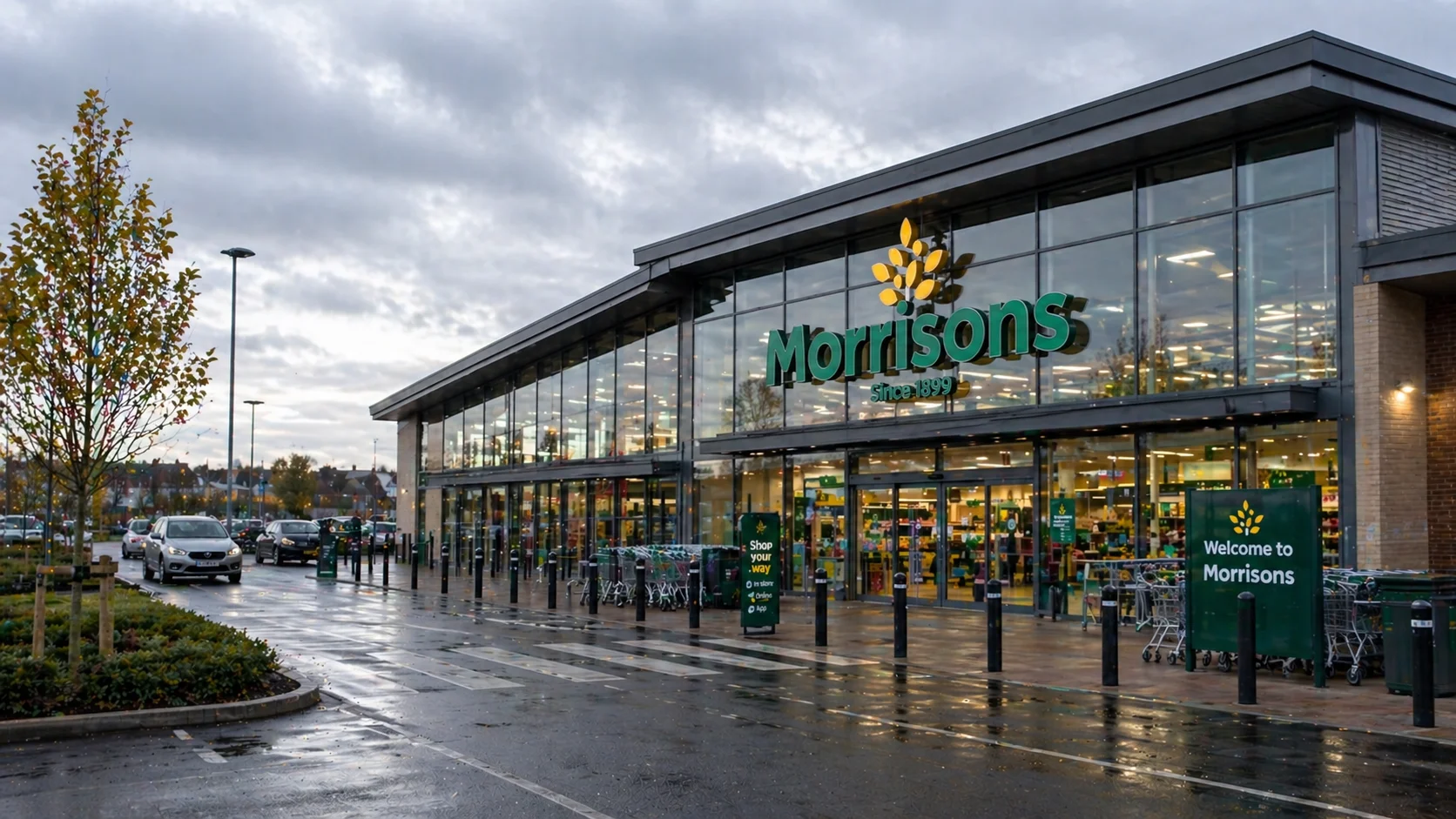
Morrisons is set to introduce a pay rise that could increase hourly wages to £13.11 by October 2026, but the change still depends on approval from the Usdaw union.
The supermarket has already raised pay to £12.71 in line with the UK national living wage and is now proposing a phased increase that goes beyond the minimum requirement.
This development reflects both growing pressure from rising living costs and competition within the UK retail sector.
Key takeaways:
- Morrisons proposes a pay rise up to £13.11 per hour
- Current pay stands at £12.71 following the April increase
- Pay rise will be implemented in stages from March to October
- Backdated pay increase included from March 30
- 45,000 Usdaw union members are voting on the proposal
- Offer would place Morrisons in line with competitor wages
- Financial pressures previously delayed higher pay increases
What Is the Latest Update on the Morrisons Pay Rise in the UK?
The Morrisons pay rise has become one of the most closely watched developments in the UK retail sector, particularly as supermarkets continue to respond to rising living costs and increased competition for workers.
Morrisons has proposed a structured wage increase that could take hourly pay to £13.11 by October 2026.
This proposal follows its earlier adjustment to £12.71 per hour, which aligned with the updated UK national living wage introduced in April.
What makes this update significant is that Morrisons had previously resisted going beyond the minimum legal requirement, citing financial challenges.
The latest proposal signals a shift in approach, indicating a willingness to improve employee compensation while still maintaining financial control.
The offer includes a backdated pay increase and a phased structure that gradually raises wages across the year.
Around 45,000 Usdaw union members are currently involved in a ballot to determine whether the proposal will be accepted. Until that process is complete, the Morrisons pay rise remains conditional.
The broader context is also important. Supermarkets across the UK are facing pressure from both employees and competitors.
Workers are increasingly aware of pay differences between retailers, while companies are trying to balance staff costs with pricing strategies. Morrisons entering this phase of wage growth reflects the ongoing transformation of the retail labour market.
Key highlights of the current update include:
- A proposed final hourly rate of £13.11 by October 2026
- A phased pay increase rather than a single adjustment
- Backdated pay elements to ensure earlier benefits for workers
- Ongoing union approval process involving thousands of employees
These elements show that the Morrisons pay rise is not just a simple increase but part of a broader negotiation and strategic adjustment.
How Will the New £13.11 Hourly Rate Be Implemented?
The implementation of the Morrisons pay rise is designed to occur in stages, allowing both the company and its employees to adapt gradually.
This phased approach helps Morrisons manage operational costs while still delivering a meaningful increase in wages.
What Is the Pay Structure from March to October?
The structure of the proposed pay rise is carefully planned to spread increases across several months. This ensures that employees begin to see benefits early while the company maintains financial stability.
Phase Date Hourly Rate Description
Initial Increase March 30, 2026 £12.81 Backdated increase for customer assistants
Mid-Year Raise July 2026 £13.00 Standard base rate for hourly workers
Final Increase October 2026 £13.11 Final proposed rate across eligible roles
This structure reflects a balance between immediate support and long term planning. The backdated element is particularly notable, as it ensures that employees receive additional pay for work already completed.
To better understand the financial impact of these changes, it is useful to consider how weekly and monthly earnings may shift.
Hourly Rate Weekly Earnings 37.5 hours Monthly Estimate
£12.71 £476.63 £1,906
£13.00 £487.50 £1,950
£13.11 £491.63 £1,966
Even though the differences may appear modest on a weekly basis, they accumulate over time and can make a meaningful difference for workers managing rising expenses.
The phased approach also allows Morrisons to monitor the financial impact at each stage. If conditions change, adjustments could potentially be made in future negotiations.
Why Does the Morrisons Pay Rise Require Union Approval?
Union approval is a central part of the Morrisons pay rise process. The Usdaw union represents a significant portion of the company’s workforce, and its involvement ensures that employees have a collective voice in pay negotiations.
The current proposal is being put to a ballot involving approximately 45,000 union members.
Each member has the opportunity to vote on whether the offer meets their expectations and needs. This democratic process is a key feature of labour relations in the UK retail sector.
Aspect Details
Union Name Usdaw
Members Voting Approximately 45,000
Decision Method Ballot vote
Outcome Requirement Majority approval
The importance of this process goes beyond the immediate pay rise. It reflects the broader relationship between employers and employees, where negotiations are used to reach agreements that are acceptable to both sides.
A worker familiar with the discussions described the situation in practical terms:
“From what I have experienced on the shop floor, people are carefully weighing this offer. It is not just about the final number but also about timing and whether it keeps up with real living costs.”
This insight highlights the complexity of the decision. Employees are not only considering the headline figure of £13.11 but also how the phased increases align with their financial needs throughout the year.
Union approval also provides legitimacy to the agreement. Once accepted, the pay rise becomes a formally recognised arrangement that applies across the workforce, reducing the likelihood of disputes.
How Does the Morrisons Pay Rise Compare to the UK National Living Wage?
The comparison between the Morrisons pay rise and the UK national living wage is a crucial aspect of understanding its significance. The national living wage for workers aged 21 and over increased to £12.71 in April 2026, reflecting a 4.1 percent rise.
Morrisons initially matched this rate but is now proposing to exceed it through its staged increases.
Category Hourly Rate
National Living Wage 2026 £12.71
Morrisons Current Rate £12.71
Proposed July Rate £13.00
Proposed October Rate £13.11
This comparison shows that Morrisons is moving from compliance to competitiveness. By offering wages above the legal minimum, the company aims to improve its position in the labour market.
Is Morrisons Paying Above the Minimum Wage?
If the proposal is approved, Morrisons will clearly be paying above the minimum wage. However, the extent to which it stands out depends on how other supermarkets are positioning their pay structures.
Some competitors have already introduced similar or slightly higher rates, meaning Morrisons is aligning itself with industry standards rather than exceeding them significantly.
From an economic perspective, this shift reflects the increasing importance of wages as a competitive factor. Retailers are no longer competing solely on price and product range but also on their ability to attract and retain staff.
What Challenges Has Morrisons Faced in Increasing Staff Wages?

The path to the current Morrisons pay rise proposal has not been straightforward. The company has faced a range of financial and operational challenges that have influenced its approach to wages.
One of the most significant issues has been a reported £200 million in unexpected cost increases. These costs include higher supplier prices, logistics expenses, and broader inflationary pressures affecting the retail sector.
In addition, changes to National Insurance contributions have added to the financial burden.
These changes have increased the cost of employing staff, making it more difficult for companies to raise wages without affecting profitability.
Challenge Type Impact on Business
Supplier Price Increases Higher cost of goods
National Insurance Changes Increased employment costs
Inflation Rising operational expenses
Market Competition Pressure to keep prices competitive
A retail analyst offered insight into this situation:
“When you look at the numbers, it becomes clear that supermarkets are operating under tight margins. Any decision to increase wages has to be carefully balanced against pricing and profitability.”
This perspective helps explain why Morrisons was initially reluctant to go beyond the national living wage. The company needed to ensure that any increase would be sustainable in the long term.
Despite these challenges, the proposed pay rise indicates that Morrisons is now in a position to move forward with higher wages, albeit in a controlled and phased manner.
What Does This Pay Rise Mean for Morrisons Employees?
For employees, the Morrisons pay rise represents more than just an increase in hourly wages. It reflects a broader shift in how retail workers are valued within the industry.
Higher pay can provide greater financial security, particularly at a time when many households are dealing with increased living costs. Even incremental increases can help cover essential expenses such as housing, utilities, and food.
The structured nature of the pay rise also offers predictability. Employees can anticipate when their wages will increase and plan their finances accordingly.
Some of the key impacts on employees include:
- Improved earnings over time through phased increases
- Backdated payments that provide immediate financial benefits
- Greater alignment with industry pay standards
- Potential improvements in morale and job satisfaction
However, it is important to note that the final outcome depends on union approval. If the proposal is not accepted, employees may face further delays while negotiations continue.
The psychological impact of the pay rise should not be overlooked. Feeling valued through fair compensation can influence how employees view their roles and their employer.
How Does Morrisons Pay Rise Compare with Other UK Supermarkets?
The Morrisons pay rise must be viewed within the context of the wider UK supermarket sector. Retailers such as Tesco, Sainsbury’s, and Aldi have already implemented wage increases in response to similar pressures.
Supermarket Approx Hourly Rate 2026 Position in Market
Tesco Around £13 Competitive
Sainsbury’s Around £12.50 to £13 Mid to high range
Aldi Above £13 Among highest payers
Morrisons Up to £13.11 proposed Catching up
This comparison shows that Morrisons is moving closer to its competitors but is not necessarily leading the market.
Instead, the company appears to be aiming for parity, ensuring it remains an attractive employer without significantly increasing costs beyond industry norms.
The competition for workers in the retail sector has intensified in recent years. As a result, pay has become a key factor in recruitment and retention strategies.
What Happens Next If the Morrisons Pay Rise Is Approved?
If the Morrisons pay rise receives union approval, the next steps will involve implementing the agreed changes across the workforce. This process will follow the structured timeline already outlined.
Employees can expect backdated payments to be processed first, followed by scheduled increases in July and October. The company will also need to update payroll systems and communicate changes clearly to staff.
If the proposal is rejected, the situation becomes more complex. Further negotiations may be required, potentially leading to revised offers or delays in implementation.
In either case, the outcome will have a significant impact on both employees and the company. The Morrisons pay rise represents an important moment in the ongoing evolution of wages in the UK retail sector.
Conclusion: Is the Morrisons Pay Rise a Positive Step for UK Retail Workers?
The proposed Morrisons pay rise to £13.11 per hour represents a significant shift from simply matching the national living wage to offering more competitive pay.
While it still requires union approval, the structured increase suggests a compromise between financial constraints and employee expectations.
Although Morrisons may not be leading the sector, the move signals a broader trend of rising wages in UK retail.
For employees, the outcome of the union ballot will determine whether this proposal translates into tangible financial benefits.
FAQs
What is the new Morrisons hourly pay rate?
The proposed new hourly pay rate is £13.11, expected to be introduced by October 2026 if approved by the union.
When will the Morrisons pay rise take effect?
The changes would begin with a backdated increase from March 30, followed by further rises in July and October.
Do all Morrisons employees get the pay increase?
The pay rise mainly applies to store and warehouse workers, particularly those represented by the Usdaw union.
Who needs to approve the Morrisons pay rise?
The Usdaw union must approve the proposal through a ballot involving around 45,000 members.
How does Morrisons pay compare to other supermarkets?
Morrisons’ proposed pay is competitive but similar to other major UK supermarkets that already offer above the living wage.
What is the UK national living wage in 2026?
The national living wage for workers aged 21 and over is £12.71 per hour as of April 2026.
Why was Morrisons slow to increase wages?
The company cited financial challenges, including rising costs and increased National Insurance contributions.

Leave a Reply