
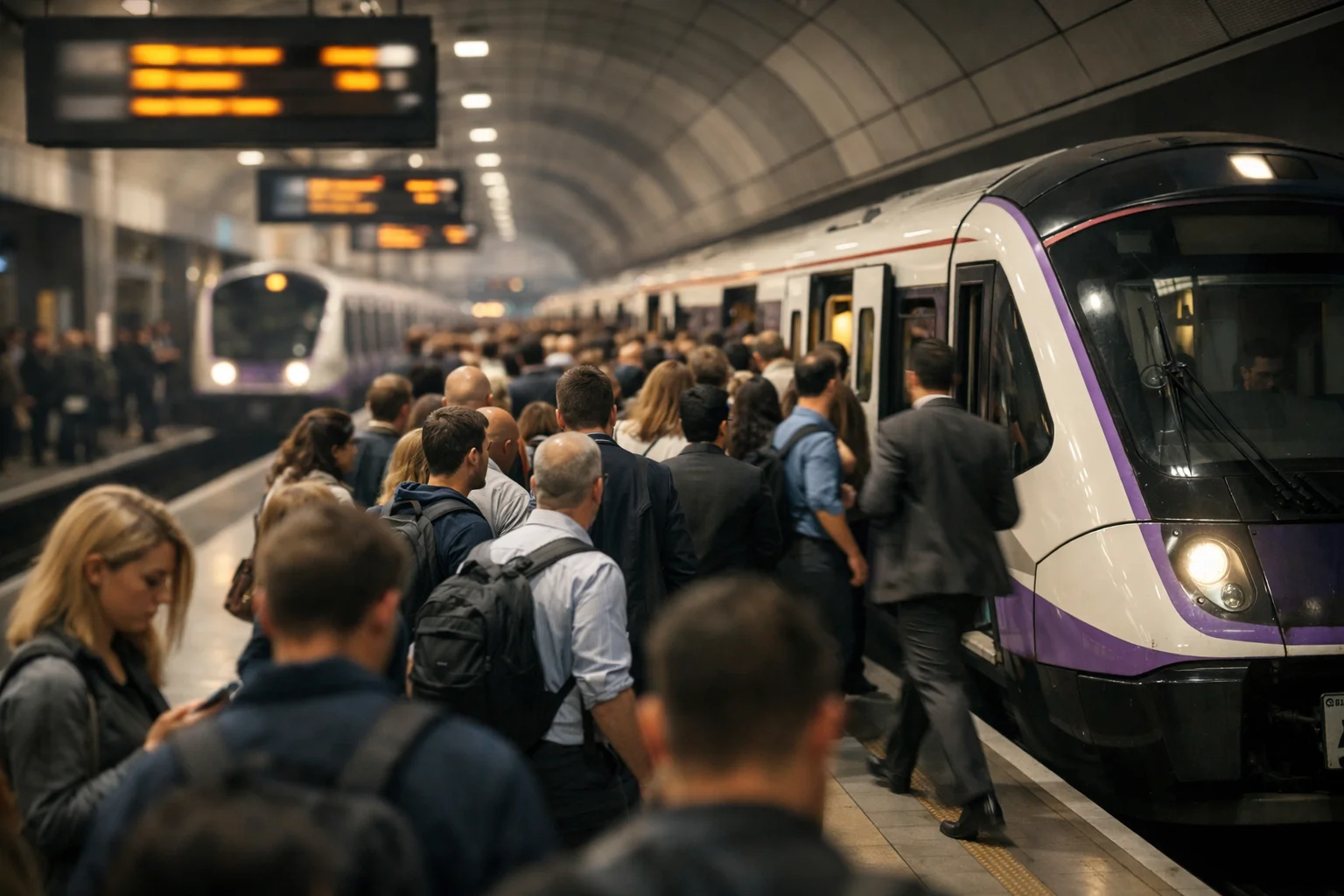
The Elizabeth Line tube strike in April 2026 does not directly affect Elizabeth Line services, as it is not part of the London Underground strike action.
Trains are expected to run normally, but passengers should be prepared for much busier conditions, especially during peak hours.
With major Tube disruptions scheduled, the Elizabeth Line will play a crucial role in keeping London moving.
Key takeaways:
- Elizabeth Line will operate as normal during strike dates
- Tube strikes scheduled for April 21 to 24, 2026
- Expect overcrowding and longer waiting times
- DLR, London Overground, buses, and National Rail will run
- Peak hours will see the highest congestion
- Use TfL Go or Journey Planner for live updates
Is The Elizabeth Line Affected By The Tube Strike In April 2026?

The Elizabeth Line tube strike situation in April 2026 has created widespread confusion among commuters, particularly those who rely on cross-city rail connections.
The key clarification is that the Elizabeth Line is not part of the London Underground network in terms of union representation.
It operates under a different structure, which means it is not directly impacted by the industrial action affecting Tube services.
Transport for London has indicated that the Elizabeth Line will continue to run on its normal timetable during the strike dates.
However, normal service in this context does not necessarily mean a typical commuting experience.
The absence of reliable Underground services shifts a significant volume of passengers onto alternative networks, with the Elizabeth Line becoming one of the primary options.
This shift creates a ripple effect across the network. Even though trains are running, the operational environment becomes more complex.
Platform management, boarding times, and dwell times at stations may all be affected due to increased footfall.
A transport operations consultant explained this clearly: “People often assume that if a line is not on strike, it will operate as usual. In reality, the Elizabeth Line becomes a pressure valve for the entire network, which changes how efficiently it can run.”
Passengers should therefore approach travel with adjusted expectations. While trains will operate, conditions may include crowding, slower boarding processes, and occasional delays caused by congestion rather than technical faults.
What Are The Confirmed London Tube Strike Dates In April, May And June 2026?
The 2026 strike action is structured across multiple dates, affecting commuters over an extended period rather than a single isolated event.
Each strike follows a consistent 24-hour cycle beginning at midday and continuing until the following late morning.
Full Strike Schedule Breakdown
| Month | Dates | Strike Duration |
|---|---|---|
| April | 21 to 22 | 12:00 pm to 11:59 am |
| April | 23 to 24 | 12:00 pm to 11:59 am |
| May | 19 to 20 | 12:00 pm to 11:59 am |
| May | 21 to 22 | 12:00 pm to 11:59 am |
| June | 16 to 17 | 12:00 pm to 11:59 am |
| June | 18 to 19 | 12:00 pm to 11:59 am |
Day By Day Service Impact
| Date | Morning Status | Afternoon Status |
|---|---|---|
| April 21 | Normal service | Severe disruption |
| April 22 | Severe disruption | Partial recovery |
| April 23 | Normal service | Severe disruption |
| April 24 | Severe disruption | Partial recovery |
This pattern continues consistently across May and June strike dates, creating repeated disruption cycles.
The midday start time is particularly significant. It allows morning commuters to travel relatively normally, but severely impacts afternoon, evening, and next-day morning journeys. This staggered disruption requires careful planning across multiple days.
How Will The Elizabeth Line Service Status Change During The Strike Days?
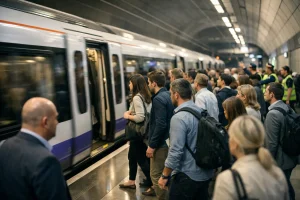
Although the Elizabeth Line maintains its scheduled operations, the practical experience for passengers changes considerably during strike periods.
The line becomes one of the most heavily relied upon transport routes in London, particularly for east to west travel.
Increased passenger demand leads to a number of operational challenges. Trains may reach capacity more quickly, especially during peak hours.
Boarding and alighting take longer, which can slightly delay departures even if trains are technically running on time.
Passenger Flow And Capacity Changes
| Factor | Normal Day | Strike Day Impact |
|---|---|---|
| Passenger volume | Moderate to high | Extremely high |
| Waiting times | Standard | Increased |
| Platform congestion | Manageable | High congestion |
| Train frequency | Consistent | Consistent but strained |
Which Elizabeth Line Stations May Be Busiest?
Major interchange and central stations will experience the highest levels of congestion due to their strategic importance in the network.
- Paddington acts as a key interchange for national rail and airport routes
- Liverpool Street connects business districts and commuter routes
- Canary Wharf serves financial hubs and office workers
- Heathrow terminals handle both domestic and international travellers
A station manager highlighted the reality of these conditions: “During previous strikes, we saw platforms filling much faster than usual. Even when trains arrived on time, managing the flow of passengers safely became the main challenge.”
Passengers using these stations should allow additional time for entry, exit, and transfers.
Which Transport Services Are Affected By The April 2026 Tube Strike?
The primary impact of the strike falls on the London Underground network. Despite some union groups not participating, Transport for London has confirmed that disruption will still be widespread.
The reduced availability of staff affects multiple aspects of service delivery. This includes train operations, station management, and safety procedures. Even partial staffing shortages can significantly limit the number of trains that can run.
Expected Underground Service Levels
| Line Type | Expected Operation |
|---|---|
| Central lines | Reduced service |
| Major interchanges | Possible closures |
| Peak routes | Severe delays |
| Outer lines | Limited availability |
Even where services are running, they may operate at reduced frequency, increasing waiting times and crowding.
Which London Transport Options Will Still Run During The Strike?
While the Tube network faces disruption, several other transport services continue to operate. These services become essential alternatives for commuters navigating the city.
Available Transport Services
| Transport Mode | Status During Strike |
|---|---|
| Elizabeth Line | Running normally |
| DLR | Running normally |
| London Overground | Running normally |
| National Rail | Running normally |
| Buses | Running normally |
These services collectively form the backbone of London transport during strike periods.
Are Buses And Rail Services Reliable During Strikes?
Buses are often the most accessible alternative, but they are also the most affected by increased demand. Road congestion becomes a major factor, particularly during peak hours.
Key challenges include:
- Longer journey times due to traffic
- Overcrowding on popular routes
- Delays caused by increased passenger boarding
Rail services, including the Elizabeth Line and National Rail, tend to be more reliable but still face capacity issues.
A commuter shared their experience: “I switched to buses during a previous strike, but the journey took almost twice as long. Since then, I always try to use rail alternatives whenever possible.”
How Can Commuters Travel Efficiently During The Elizabeth Line Tube Strike Period?
Efficient travel during strike periods depends heavily on preparation and flexibility. Commuters who plan ahead are more likely to avoid the most severe disruptions.
Practical Travel Strategies
| Strategy | Benefit |
|---|---|
| Travel before midday | Avoid peak disruption |
| Use alternative routes | Reduce dependency on one line |
| Check updates regularly | Stay informed of changes |
| Allow extra time | Reduce stress and delays |
Passengers should aim to minimise reliance on any single mode of transport. Combining rail, bus, and walking routes can often provide more reliable outcomes.
Digital tools play a crucial role in navigating disruptions. Real time updates allow passengers to adapt quickly to changing conditions.
What Is The Day By Day Impact Of The April 2026 Tube Strikes?

The structured timing of the strikes creates a predictable but disruptive pattern across affected days. Each strike begins at midday, which divides the day into two distinct phases.
Daily Disruption Pattern
| Time Period | Impact Level |
|---|---|
| Early morning | Normal service |
| Midday onwards | Severe disruption |
| Late evening | Continued disruption |
| Following morning | Ongoing disruption |
| Post midday | Gradual recovery |
This cycle means that disruption extends beyond a single calendar day. Commuters travelling the morning after a strike will still encounter reduced services.
Understanding this pattern helps travellers plan more effectively. For example, avoiding travel on the morning after a strike can be just as important as avoiding the strike day itself.
What Travel Advice Should London Commuters Follow During Tube Strikes?
Adapting to strike conditions requires a combination of planning, flexibility, and awareness. Commuters who adjust their routines can significantly reduce the impact of disruptions.
Key recommendations include:
- Starting journeys earlier or later than usual
- Avoiding major interchange stations when possible
- Considering remote working arrangements
- Using cycling or walking for shorter distances
Time management becomes critical during these periods. Even small delays can compound quickly due to increased demand across the network.
A workplace manager shared their perspective: “During strike weeks, we encourage flexible hours because it helps reduce pressure on employees and the transport system.”
How Will Heathrow And Central London Travel Be Affected?
The Elizabeth Line plays a vital role in connecting Heathrow Airport with central London. During Tube strikes, this route becomes even more important.
Passenger numbers on airport routes typically increase as travellers seek reliable alternatives to disrupted Underground services.
Heathrow Travel Comparison
| Route | Normal Condition | Strike Condition |
|---|---|---|
| Tube | Direct but disrupted | Limited or unavailable |
| Elizabeth Line | Efficient | High demand |
| National Rail | Moderate use | Increased usage |
Travellers should account for:
- Longer boarding times at Heathrow stations
- Increased luggage related delays
- Higher passenger volumes on airport routes
Planning ahead is particularly important for those with flight schedules, as delays can have significant consequences.
What Should Tourists Know About The Elizabeth Line During Strikes?
Tourists visiting London during strike periods may find the transport system more challenging to navigate, but it remains functional with the right approach.
The Elizabeth Line offers a reliable way to travel between key locations, including central London, Canary Wharf, and Heathrow. However, visitors should be prepared for busier conditions and potential delays.
Tourists are advised to:
- Use contactless payment methods for convenience
- Check routes before travelling
- Avoid peak commuting hours
- Allow extra time between connections
Understanding how the network adapts during strikes helps visitors maintain a smooth travel experience despite disruptions.
How Will Peak Hour Travel Be Affected On The Elizabeth Line During Strike Days?

Peak hour travel on the Elizabeth Line during the April 2026 Tube strikes is expected to be significantly more intense than usual.
While the line will continue operating, the redistribution of passengers from the Underground will heavily impact capacity, especially during morning and evening rush hours.
Commuters who typically rely on central Tube lines will shift towards the Elizabeth Line, particularly for cross-city routes. This creates a surge in demand between key business districts and residential zones.
Peak Hour Congestion Comparison
| Time Period | Normal Conditions | Strike Conditions |
|---|---|---|
| Morning Peak | High demand | Extremely high demand |
| Midday | Moderate | High |
| Evening Peak | High demand | Extremely high demand |
During these hours, passengers may experience:
- Difficulty boarding the first arriving train
- Increased waiting times on platforms
- Limited space inside carriages
To manage peak travel more effectively, commuters should consider slight adjustments to their schedules. Travelling even 30 to 60 minutes outside traditional peak times can make a noticeable difference in comfort and journey time.
What Are The Common Mistakes To Avoid During The Elizabeth Line Tube Strike?
Many commuters unintentionally make travel more difficult during strike periods by relying on assumptions or outdated information. Avoiding common mistakes can significantly improve the overall travel experience.
Frequent Travel Mistakes And Their Impact
| Mistake | Impact |
|---|---|
| Assuming all services are down | Missed travel opportunities |
| Not checking live updates | Unexpected delays |
| Travelling at peak hours unnecessarily | Increased stress and crowding |
| Relying on one route only | Limited flexibility |
One of the most common misconceptions is that the entire London transport network shuts down during strikes. In reality, several services continue running, including the Elizabeth Line, which becomes a key alternative.
Another issue is failing to check real time updates. Conditions can change quickly due to overcrowding or operational adjustments, making live information essential.
Passengers should also avoid last minute travel decisions where possible. Planning ahead, identifying alternative routes, and allowing extra time can prevent unnecessary delays and frustration.
By understanding these common pitfalls, commuters can navigate the Elizabeth Line tube strike period more efficiently and with greater confidence.
Conclusion
The Elizabeth Line tube strike period in April 2026 highlights the importance of planning and flexibility when travelling across London.
While the Elizabeth Line continues to operate, increased demand and network pressure will affect journey comfort and timing.
Commuters and visitors who stay informed, avoid peak hours, and use alternative routes will navigate the disruption more effectively.
Relying on real time updates and allowing extra travel time remains the most practical way to manage journeys during these strike dates.
FAQs
Is the Elizabeth Line ever affected by Tube strikes?
The Elizabeth Line is usually not affected because it operates under a different structure than the London Underground. However, indirect disruption such as overcrowding is common.
What time do Tube strikes usually start?
Most Tube strikes begin at midday and last for 24 hours, often causing disruption into the following morning.
Can you rely on buses during London strikes?
Buses continue to operate, but they are often overcrowded and slower due to increased demand and road congestion.
Will all Tube lines be closed during the strike?
Not all lines are completely closed, but services are heavily reduced, and some stations may not operate at all.
Is the TfL Journey Planner accurate during strikes?
Yes, it is one of the most reliable tools for real-time updates and route planning during disruptions.
How early should I travel during a strike day?
It is advisable to travel before midday when services are still relatively normal, or wait until disruption begins to ease the following day.
Are taxis and ride-sharing services a good alternative?
They can be useful but are often more expensive and affected by heavy traffic during strike periods.

Leave a Reply