

Yes, National Car Parks (NCP) has gone into administration as of March 2026, but it has not completely gone bust and continues to operate across most of its UK locations.
The company is currently undergoing a restructuring process while administrators seek a potential buyer or financial recovery solution.
Key Takeaways:
- NCP is in administration, not liquidation, and still trading
- PwC has been appointed to manage the process
- Around 682 jobs are at risk across the UK
- Approximately 20 unprofitable car parks are closing
- Most NCP sites remain open and operational
- Financial struggles stem from high debt and reduced demand
- A sale or restructuring is the most likely outcome
What Is the Current Status of NCP in 2026?

As of 16 March 2026, National Car Parks has entered administration, marking a significant development in the UK parking sector.
This does not mean the company has completely shut down. Instead, it is undergoing a formal insolvency process aimed at stabilising the business and exploring options such as restructuring or a potential sale.
NCP continues to operate across the majority of its locations, allowing customers to use its services as normal.
The appointment of PwC as administrator indicates that there is still underlying value in the business, and efforts are being made to preserve operations rather than immediately liquidate assets.
The situation can be better understood through the following breakdown:
Aspect Current Situation
Legal Status In administration
Operations Ongoing across most sites
Administrator PwC
Workforce Impact Around 682 jobs at risk
Site Closures Approximately 20 confirmed
Future Outlook Sale or restructuring likely
The distinction between administration and a complete business collapse is important. Administration is often used as a protective measure, allowing companies to continue trading while solutions are explored. In NCP’s case, this suggests that while the company is under severe financial strain, it has not disappeared from the market.
Why Has National Car Parks (NCP) Gone Into Administration?
NCP’s move into administration reflects a combination of long-term structural challenges and more recent economic pressures.
The company’s business model has been heavily reliant on consistent urban traffic, particularly in city centres where demand for parking was once stable and predictable.
Over time, that stability has eroded due to changes in behaviour, cost structures, and wider economic conditions.
How Did Post-Covid Trends Impact NCP?
The Covid-19 pandemic created a lasting shift in how people travel and work across the UK. Even years after restrictions were lifted, commuting patterns have not returned to previous levels.
Many businesses adopted hybrid or fully remote working arrangements, reducing the number of people travelling into city centres on a daily basis. This has had a direct impact on parking demand.
The effects can be seen clearly:
Factor Pre-2020 Post-2020 Trend
Daily commuting High Reduced
Office occupancy Full-time Hybrid
Parking demand Consistent Fluctuating
Peak usage Weekdays Mixed patterns
This shift has reduced long-stay parking revenue, which was historically one of NCP’s most reliable income streams. Instead, demand has become more unpredictable, with higher reliance on short-term and weekend usage.
What Role Did Debt and Lease Costs Play?
Alongside falling demand, NCP has faced increasing financial pressure from its cost structure. The company operates many of its sites under long-term lease agreements, which require fixed payments regardless of how much revenue each location generates.
At the same time, rising interest rates have made existing debt more expensive to manage. This has created a situation where costs remain high even as income declines.
A restructuring advisor explained this clearly:
“The issue is not just declining demand, it is the rigidity of the cost base. When a company cannot adjust its lease commitments quickly, losses can accumulate faster than expected.”
The financial imbalance can be summarised as follows:
Financial Element Impact on NCP
High-interest debt Increased repayment burden
Long-term leases Limited flexibility
Declining revenue Reduced cash flow
Inflation Higher operational costs
These combined pressures ultimately made administration unavoidable.
Is NCP Still Operating or Has It Shut Down Completely?

Despite concerns, NCP has not shut down its operations. The company continues to trade while under the supervision of administrators. This is a key feature of administration, as it allows businesses to maintain services while a recovery strategy is developed.
Customers using NCP car parks may not notice immediate changes, particularly in locations that remain profitable. Payment systems, access points, and general services are still functioning.
The difference between administration and closure is important to understand:
Scenario What It Means
Administration Business continues under supervision
Liquidation Business ceases and assets are sold
Receivership Focus on repaying secured creditors
In NCP’s case, administration provides a window of opportunity to stabilise the business.
A parking industry consultant described the situation in practical terms:
“From a customer perspective, very little changes at first. The real changes happen behind the scenes as administrators decide what is worth keeping.”
This ongoing operation helps maintain revenue while also making the company more attractive to potential buyers.
What Will Happen to NCP Car Parks and Customers?
For customers, the immediate impact of NCP’s administration is relatively limited. Most car parks remain open, and services continue to operate as expected. However, there is an element of uncertainty that comes with the process.
Some locations have already been identified for closure due to poor financial performance. These closures are part of a broader strategy to reduce losses and focus on more viable sites.
Customers may experience gradual changes such as adjustments in pricing, staffing levels, or service offerings depending on how the administration progresses.
A regular user shared their experience:
“Everything looks normal when you park, but you do start to wonder whether your usual location will still be there in a few months.”
The short-term outlook for customers includes:
- Continued access to most locations
- Validity of existing bookings in most cases
- Possible changes at underperforming sites
Over time, the customer experience may evolve depending on whether NCP is sold or restructured.
How Many Jobs Are at Risk Due to NCP’s Financial Crisis?

The administration process has placed approximately 682 jobs at risk, affecting employees across various roles within the organisation. This includes on-site staff, management, and support functions.
The final outcome for employees will depend heavily on the decisions made during the administration process. If a buyer is found, some roles may be retained. If further restructuring is required, additional job losses could occur.
The workforce impact can be illustrated below:
Category Impact
Total employees affected Around 682
Immediate redundancies Linked to site closures
Potential retention Dependent on sale
Long-term outlook Uncertain
The situation reflects a broader challenge in industries undergoing structural change. As demand shifts, businesses are often forced to adapt quickly, sometimes at the expense of workforce stability.
Which NCP Sites Are Closing and Why?
NCP has confirmed that around 20 sites will be permanently closed as part of the administration process. These locations have been identified as financially unviable, meaning they generate insufficient revenue to cover their operating costs.
Closures are typically based on several factors, including location performance, lease costs, and long-term profitability.
Closure Factor Explanation
Low footfall Fewer customers using the site
High rent Expensive lease agreements
Poor margins Limited profitability
Location changes Reduced demand in specific areas
These closures are intended to reduce financial losses and improve the overall viability of the remaining business.
Are More NCP Car Parks Expected to Close?
There is a strong possibility that additional closures may occur as administrators continue their review. Each site will be assessed individually to determine whether it contributes positively to the business.
An industry analyst explained this process:
“Administration is not a one-step decision. It is an ongoing evaluation where each location is tested for profitability and long-term value.”
Future closures will depend on:
- Performance data from individual sites
- Negotiations with landlords
- Interest from potential buyers
This means the total number of closures could increase beyond the initial 20.
Who Owns NCP and Who Is Managing the Administration?

NCP has historically operated under private ownership, supported by significant investment and debt financing. This structure allowed for expansion but also increased financial risk over time.
With the appointment of PwC as administrator, control of the company has temporarily shifted. PwC is responsible for managing the business during this period and making decisions that maximise returns for creditors.
The roles involved in administration can be summarised here:
Role Responsibility
Owners Previous stakeholders
PwC Administrator managing operations
Creditors Entities owed money
Potential buyers Interested investors
The administrator’s primary objective is not just to manage decline but to explore opportunities for recovery or sale.
Could NCP Be Sold or Restructured?
One of the most likely outcomes of administration is the sale or restructuring of the business. NCP still holds value due to its established brand, extensive network, and presence in key urban locations.
Potential buyers may see an opportunity to acquire assets at a reduced cost and reshape the business to align with current market conditions.
Possible scenarios include:
Scenario Description
Full sale Entire business acquired
Partial sale Selected assets sold
Restructuring Debt reduced and operations adjusted
Downsizing Focus on profitable sites only
An industry expert highlighted this possibility:
“There is still strong interest in infrastructure assets like parking. The question is whether a buyer can modernise the model to match current demand.”
The outcome will depend on market interest and the success of ongoing negotiations.
What Does This Mean for the UK Parking Industry?
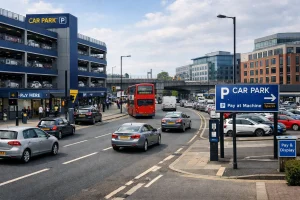
NCP’s situation reflects broader changes within the UK parking industry. As travel patterns evolve, operators are being forced to rethink how they deliver services and generate revenue.
The decline in daily commuting has reduced demand for traditional parking models, particularly in large urban centres. At the same time, new technologies and flexible booking systems are reshaping customer expectations.
The industry impact can be summarised below:
Trend Effect
Remote working Reduced demand
Digital platforms Increased competition
Cost pressures Lower profit margins
Consumer behaviour Shift towards flexibility
This environment creates both challenges and opportunities for existing operators and new entrants.
What Are the Alternatives to NCP Parking in the UK?
As uncertainty surrounds NCP, many drivers are exploring alternative parking options. The UK offers a range of choices, depending on location and individual needs.
Alternative Key Features
Council car parks Often lower cost
Private operators Competitive services
Park and ride Suitable for commuters
On-street parking Flexible but limited
App-based parking Convenient booking
Each option has its advantages, and availability varies by region. Drivers may increasingly compare options based on cost, convenience, and reliability rather than relying on a single provider.
Conclusion: What Lies Ahead for NCP?
So, has NCP gone bust? Not entirely. The company is in administration, which means it is facing serious financial difficulty but still operating.
The coming months will be critical. If a buyer is found or restructuring succeeds, NCP could continue operating in a more sustainable form. If not, further closures and job losses may follow.
For now, customers can continue using NCP services, but the long-term future of the company remains uncertain.
FAQs
Is NCP officially bankrupt or just in administration?
NCP is in administration, not bankruptcy or liquidation. This means it is being restructured rather than shut down completely.
Can customers still use NCP car parks?
Yes, most NCP car parks are still open and operating as normal during the administration process.
Will parking charges change after administration?
Charges may change in the future depending on restructuring or new ownership, but there are no immediate widespread changes confirmed.
What happens to existing bookings or permits?
In most cases, bookings and permits remain valid, but customers should monitor updates from NCP.
Could NCP be bought by another company?
Yes, administrators are actively seeking buyers, and a sale is a likely outcome.
How does administration affect employees?
Around 682 jobs are currently at risk, although the final number of redundancies will depend on restructuring outcomes.
Are other UK parking companies facing similar issues?
Some operators are experiencing similar challenges due to reduced demand and rising costs, but not all are in financial distress.

Leave a Reply