
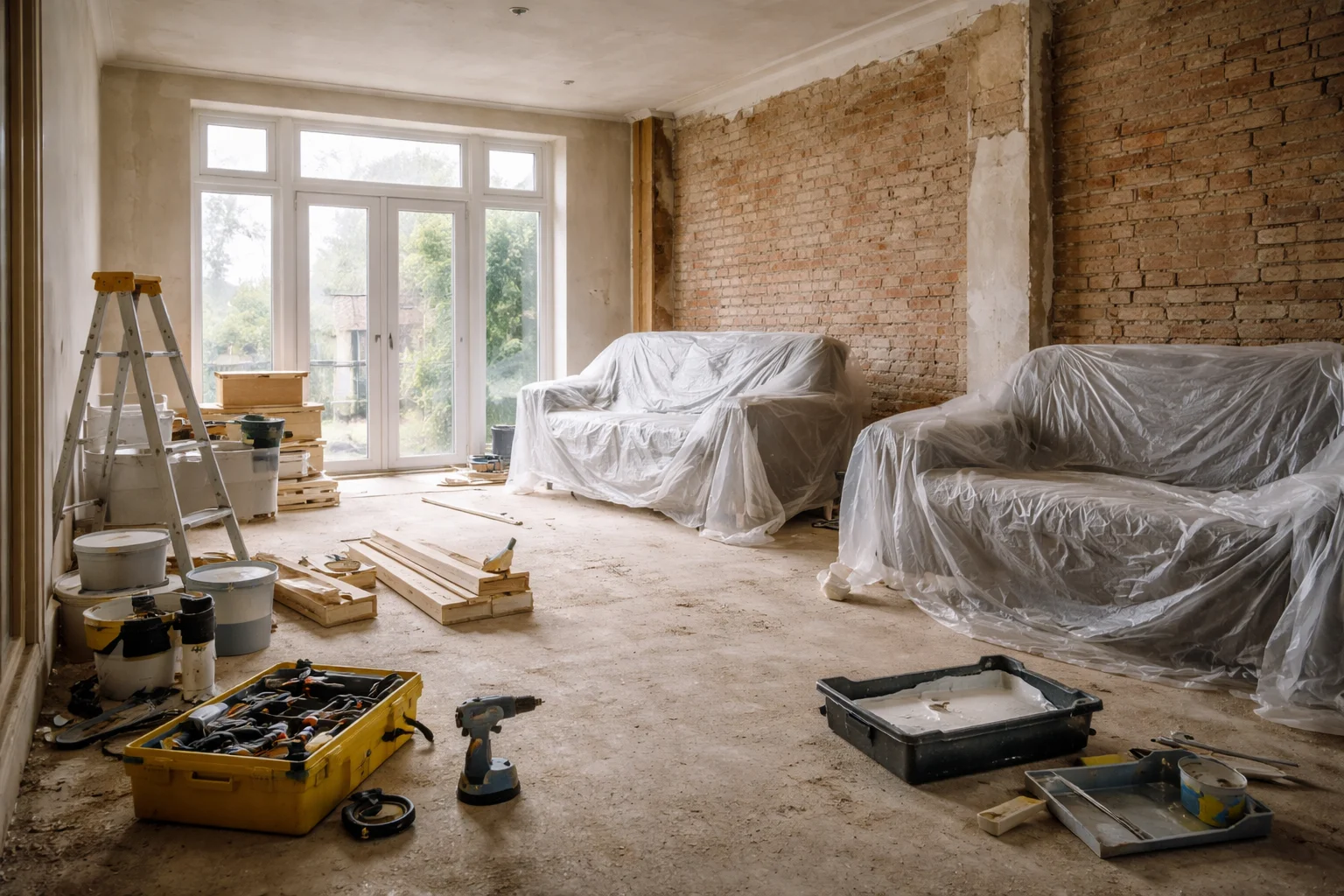
Undertaking a significant home renovation is an exciting journey that allows you to tailor your living space to your exact needs.
Whether you are adding a modern extension, restructuring the layout, or updating an older property, these changes often require a substantial amount of time and professional labour.
During such extensive projects, it’s common for homeowners to move out temporarily to avoid the dust, noise, and general disruption.
However, leaving your property empty while builders are at work can create a gap in your financial protection. Most people assume their existing building and contents insurance remains fully active regardless of the circumstances.
In reality, many standard policies have strict limits on how long a home can stay empty before the cover is restricted or cancelled entirely.
Why Unoccupied Home Insurance Matters for Renovation Projects?
The Risks of a Vacant Construction Site
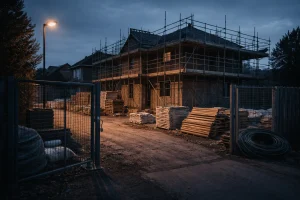
When a home is undergoing extensive work, it faces a different set of risks compared to a lived-in property. Most insurance providers define a home as unoccupied if no one has slept there for more than 30 or 60 consecutive days.
Once you cross this threshold, a standard policy might only provide flea and fire cover, or even be void entirely, leaving you vulnerable to many common issues.
Construction sites are, unfortunately, attractive targets for theft and vandalism. Tool sets, expensive raw materials, and even fitted copper piping are high-value items for opportunistic thieves.
Without the daily presence of a resident, these crimes can go unnoticed for days, making it much harder for the police to track down the culprits or for you to recover the losses.
Beyond security, there’s the risk of structural or accidental damage. A small leak from a newly installed pipe can turn into a catastrophic flood if there isn’t anyone there to turn off the stopcock.
If you haven’t arranged for the proper unoccupied home insurance or a tailored renovation policy for your project, your provider might refuse to pay out for water damage or theft while the house is empty.
Why Standard Policies Fall Short?

It isn’t just the lack of people that worries insurers, it’s the nature of the work itself. Standard home insurance is designed for normal domestic use.
When you introduce heavy machinery, scaffolding, and the removal of load-bearing walls, the risk profile of the building changes completely. Many providers view significant structural alterations as a breach of their terms if they aren’t notified in advance.
You should always check your policy wording before the first sledgehammer swings. Some insurers may agree to continue cover if the renovations are minor, such as a new kitchen or bathroom.
However, for anything involving the roof, foundations, or an extension, they’ll likely require a specialist product.
Using a dedicated policy for an empty home during renovations ensures that the specific perils associated with a vacant site are covered. This gives you peace of mind that your home’s structure is protected while you aren’t there to keep an eye on things.
It’s also important to note that while your builders should have their own public liability insurance, this doesn’t always protect the building itself from every type of loss.
Final Considerations for Your Renovation
Don’t wait until the scaffolding is up to think about your insurance. The best time to organise your cover is during the planning phase, at the same time you’re finalising your architectural drawings and hiring contractors.
This allows you to factor the cost of specialist insurance into your overall project budget.
Remember that you’ll also need to update your insurer once the work is finished. An extension or a high-end refurbishment will likely increase the rebuild cost of your home.
If you don’t increase your sum insured to reflect the new value and size of the property, you could find yourself underinsured in the future.
Taking the time to secure the right protection means you can focus on the creative side of your renovation. Whether it’s picking out paint colours or choosing the perfect tiles, your project will be much more enjoyable when you know the foundations of your investment are safe.
Our Unoccupied with works cover is predominantly FLEE only – unless Nelsons who will offer full cover

Leave a Reply