
Last Updated On – 22-04-2026
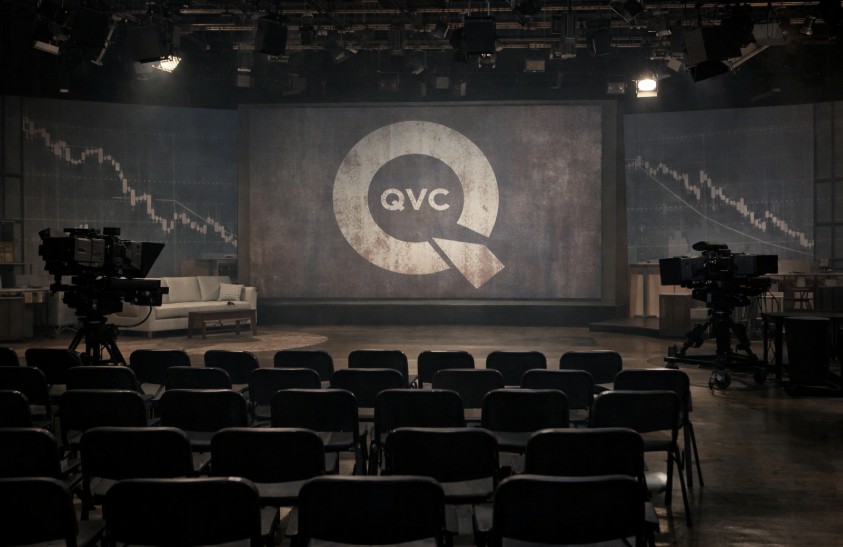
The direct answer is no. QVC is not shutting down, but it has filed for Chapter 11 bankruptcy as part of a strategic financial restructuring to reduce debt and strengthen its future.
Despite concerning headlines, the company continues to operate normally across the UK and globally, with no disruption to customers, employees, or suppliers.
This move is focused on long term stability and adapting to modern shopping trends, including social commerce and streaming platforms.
Key Takeaways:
- QVC is not closing down in 2026
- Chapter 11 allows restructuring, not liquidation
- Debt is being reduced from $6.6 billion to $1.3 billion
- UK and global operations remain unaffected
- Customers can continue shopping as usual
- QVC is expanding into digital and social commerce
- The company aims to return to sustainable growth
What Is Really Happening to QVC in 2026?
QVC is not going out of business in 2026, but it is undergoing a significant financial restructuring under Chapter 11 bankruptcy protection.
This process is designed to help the company reorganise its debt and strengthen its long term financial position while continuing operations across all its platforms.
The situation may appear alarming at first glance, especially with headlines suggesting financial distress.
However, the core business remains active and accessible to millions of customers worldwide. The restructuring is a strategic move rather than a signal of closure.
Key facts that define the current situation include:
- QVC Group has entered a restructuring agreement to reduce its debt significantly
- Broadcast, streaming, and online platforms continue functioning normally
- Customers, suppliers, and employees are not facing disruption in services or payments
- The company is actively investing in digital and social commerce channels
The restructuring plan is intended to create a more sustainable financial foundation while allowing the business to adapt to modern retail trends.
Why Did QVC File for Chapter 11 Bankruptcy?
QVC’s Chapter 11 filing is rooted in a combination of financial challenges and structural changes within the retail industry.
Over the past few years, the company has experienced declining revenues and increasing operational pressures.
The shift in consumer behaviour has played a major role. Traditional television shopping, once the backbone of QVC’s business model, has seen reduced engagement as consumers increasingly prefer digital platforms.
Mobile shopping, social media commerce, and on demand streaming have reshaped how people discover and purchase products.
How Much Debt Is QVC Reducing?
The company is undertaking a substantial debt reduction through its restructuring agreement. This move is critical in allowing QVC to redirect resources towards growth initiatives rather than servicing high levels of debt.
| Financial Metric | Before Restructuring | After Restructuring |
| Total Debt | $6.6 Billion | $1.3 Billion |
| Debt Reduction | Not Applicable | $5.3 Billion Reduced |
| Financial Flexibility | Limited | Significantly Improved |
This reduction provides the company with a stronger balance sheet and increased capacity to invest in innovation.
What Do Recent Financial Results Show?
QVC’s recent financial performance highlights the challenges it has been facing:
| Year | Revenue | Change | Operating Result |
| 2024 | $10 Billion | Baseline | Operating Loss |
| 2025 | $9.2 Billion | -9% | Continued Pressure |
The decline in revenue reflects reduced demand in traditional channels and increased competition from digital first platforms.
A retail analyst described the situation clearly: “QVC is not collapsing under its own weight, it is adjusting to a retail environment that has moved faster than its original model. The bankruptcy is a financial reset rather than a failure of the brand.”
Other contributing factors include global supply chain disruptions and tariff pressures, which have increased costs and affected margins.
What Does Chapter 11 Mean for QVC’s Future?

Chapter 11 bankruptcy is often misunderstood as a sign that a company is shutting down. In reality, it is a legal mechanism that allows businesses to restructure their debts while continuing to operate.
For QVC, this means maintaining day to day operations while reorganising its financial obligations. The company has already secured support from a majority of its lenders, which helps streamline the restructuring process.
| Aspect | Impact on QVC |
| Operations | Continue without interruption |
| Debt | Restructured and reduced |
| Ownership | May be adjusted post restructuring |
| Timeline | Expected completion within months |
This approach allows QVC to stabilise its finances without disrupting its customer base or supply chain.
The goal is to emerge as a stronger and more agile business, capable of competing in a rapidly evolving retail landscape.
Are QVC Operations Continuing in the UK and Worldwide?
QVC’s international operations remain stable and unaffected by the Chapter 11 process. The restructuring applies primarily to certain U.S. entities, leaving global markets operating as usual.
Customers in the UK and other regions continue to access the full range of QVC services. This includes television broadcasts, online shopping platforms, mobile applications, and customer support channels.
| Region | Operational Status | Impact |
| United Kingdom | Fully Operational | No Impact |
| Germany | Fully Operational | No Impact |
| Japan | Fully Operational | No Impact |
| Italy | Fully Operational | No Impact |
The company has confirmed that all international markets continue to function normally, ensuring continuity for customers and partners outside the United States.
This global stability is an important factor in maintaining overall business confidence during the restructuring period.
Will Customers Notice Any Changes When Shopping on QVC?
From a customer perspective, the restructuring has little to no visible impact. QVC has made it clear that maintaining a consistent shopping experience is a top priority.
Customers can continue to shop across all channels without disruption. Product availability, delivery timelines, and customer service standards remain unchanged.
| Service Area | Status |
| TV Broadcast | Unchanged |
| Online Shopping | Fully Functional |
| Returns | No Changes |
| Gift Cards | Remain Valid |
| Customer Support | Fully Available |
A long time QVC shopper explained the situation in simple terms: “I expected delays or issues when I heard about the bankruptcy, but everything from placing orders to receiving items has worked exactly as before.”
This consistency helps reassure customers and prevents unnecessary concern about the company’s stability.
Is Traditional TV Shopping Losing Relevance in 2026?
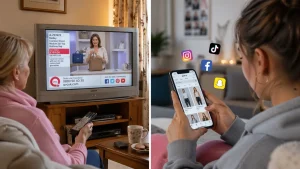
The retail industry has undergone a significant transformation, and traditional TV shopping is no longer the dominant force it once was. The decline in cable television viewership has directly impacted companies like QVC.
Consumers today prefer flexibility, speed, and convenience. They are more likely to discover products through social media, influencer recommendations, and personalised online experiences.
How Has Online Shopping Changed Consumer Behaviour?
The rise of e commerce has introduced several key changes:
- Increased reliance on mobile devices for purchasing decisions
- Preference for on demand content rather than scheduled programming
- Greater trust in peer reviews and influencer endorsements
These shifts have reduced the effectiveness of traditional TV based sales models.
Where Does QVC Stand Against Competitors?
QVC still holds a strong position due to its established brand and loyal customer base. However, it faces intense competition from digital platforms that offer faster and more interactive shopping experiences.
| Competitor Type | Strength |
| E commerce Giants | Fast delivery and wide selection |
| Social Commerce Platforms | High engagement and discoverability |
| Direct to Consumer Brands | Personalised experiences |
QVC’s challenge is to integrate its traditional strengths with modern digital capabilities.
How Is QVC Adapting to Social Commerce and Streaming Trends?
QVC has recognised the need to evolve and has taken significant steps to align with current retail trends. The company is investing in digital transformation and expanding its presence on social and streaming platforms.
One of the most notable developments is its success on TikTok Shop, where it has attracted nearly one million new customers in a single year. This demonstrates its ability to reach a younger and more digitally engaged audience.
| Digital Channel | Performance Indicator |
| TikTok Shop | Nearly 1 Million New Customers |
| Streaming Platforms | 1.5 Million Monthly Users |
| Streaming Sales Growth | 19 Percent Increase |
A digital commerce consultant described this transition clearly: “QVC is no longer just a television retailer, it is becoming a hybrid platform that blends entertainment, social engagement, and commerce. That shift is essential for survival in today’s market.”
The company’s WIN Growth Strategy focuses on meeting customers wherever they shop, whether on social media, streaming services, or traditional platforms.
What Does the Restructuring Mean for Employees and Partners?
The restructuring process has raised concerns about job security and business relationships. However, QVC has taken steps to maintain stability in these areas.
Although the company previously reduced its workforce by approximately 900 employees, it has confirmed that no additional layoffs are planned as part of the current restructuring.
| Stakeholder | Status |
| Employees | Wages and benefits continue |
| Suppliers | Payments made in full |
| Vendors | Business relationships maintained |
Employees continue to receive their salaries and benefits without interruption, which helps maintain morale and operational continuity.
Suppliers and vendors are also being paid as usual, ensuring that the supply chain remains intact.
This level of stability is crucial during a restructuring process, as it prevents disruptions that could impact the company’s reputation and performance.
Can QVC Recover and Stay Relevant in the Future?
QVC’s future depends on its ability to successfully execute its transformation strategy. The company has several strengths that support its recovery, including strong brand recognition and a loyal customer base.
At the same time, it must navigate ongoing challenges such as declining traditional viewership and increasing competition from digital platforms.
| Strengths | Challenges |
| Established Brand | Decline in TV Viewership |
| Loyal Customer Base | Intense Online Competition |
| Growing Digital Presence | Changing Consumer Preferences |
The company’s focus on social commerce, streaming, and digital engagement suggests a clear direction for future growth.
If QVC continues to adapt and innovate, it has the potential to remain a relevant player in the evolving retail landscape. The restructuring process provides the financial foundation needed to support this transformation.
What Role Do Streaming Platforms Play in QVC’s Business Model Shift?

Streaming platforms have become a central part of QVC’s transformation strategy. As traditional television viewership continues to decline, the company is actively repositioning itself to meet audiences on digital platforms where engagement is higher and more measurable.
QVC+ and HSN+ are key components of this shift. These streaming services allow users to watch live shopping content, browse products, and make purchases in a more flexible and on demand environment.
| Feature | Traditional TV | Streaming Platforms |
| Viewing Style | Scheduled | On demand |
| Interaction | Limited | Interactive |
| Accessibility | TV only | Mobile, tablet, desktop |
| Personalisation | Low | High |
Streaming also enables QVC to gather valuable data on customer behaviour. This helps the company tailor its content, recommend products more effectively, and improve conversion rates.
A media strategist explained this transition clearly: “The advantage of streaming is not just convenience, it is control. QVC can now understand exactly what customers watch, when they engage, and what leads them to purchase. That insight is far more powerful than traditional broadcasting.”
This shift is not just about replacing TV but enhancing the overall shopping experience through technology and personalisation.
How Are Social Media and Influencers Reshaping QVC’s Growth Strategy?

Social media has become one of the most influential forces in modern retail, and QVC is actively leveraging this trend to expand its reach. Platforms like TikTok, Instagram, and YouTube are no longer just marketing channels but full scale sales platforms.
QVC’s success on TikTok Shop highlights how the company is adapting to new consumer behaviours. By collaborating with influencers and creating engaging short form content, QVC is able to connect with younger audiences who may never have watched traditional TV shopping channels.
| Platform | Role in Strategy | Key Benefit |
| TikTok | Direct selling | High engagement |
| Product discovery | Visual appeal | |
| YouTube | Long form content | Deeper storytelling |
This approach allows QVC to blend entertainment with commerce, creating a more engaging shopping experience.
A social commerce expert described this evolution clearly: “Shopping today is driven by influence and authenticity. When people see products used and recommended by real creators, it builds trust much faster than traditional advertising.”
By integrating influencers into its sales strategy, QVC is not only modernising its brand but also building stronger connections with a new generation of shoppers.
Final Verdict
QVC is not going out of business in 2026. Instead, it is undergoing a financial restructuring designed to reduce debt and reposition the company for long-term growth.
While the Chapter 11 filing may raise concerns, it is a strategic move rather than a sign of collapse.
With continued operations, a growing digital presence, and a clear transformation plan, QVC is focused on rebuilding rather than shutting down.
FAQs
Is QVC shutting down in the UK?
No, QVC UK operations are continuing as normal and are not part of the U.S. bankruptcy process.
What is Chapter 11 bankruptcy in simple terms?
It is a legal process that allows companies to restructure their debts while continuing to operate.
Will QVC stop broadcasting on TV?
No, QVC channels are still broadcasting and streaming without interruption.
Are QVC products still available to buy?
Yes, customers can continue shopping across all platforms including TV, apps, and online.
Did QVC lay off employees recently?
Yes, around 900 employees were laid off in 2025, but no further layoffs are planned during restructuring.
Is QVC moving to online-only shopping?
No, but it is expanding its digital presence through streaming and social commerce platforms.
How long will QVC’s restructuring take?
The company aims to complete the process within a few months, depending on court approval.

Leave a Reply