
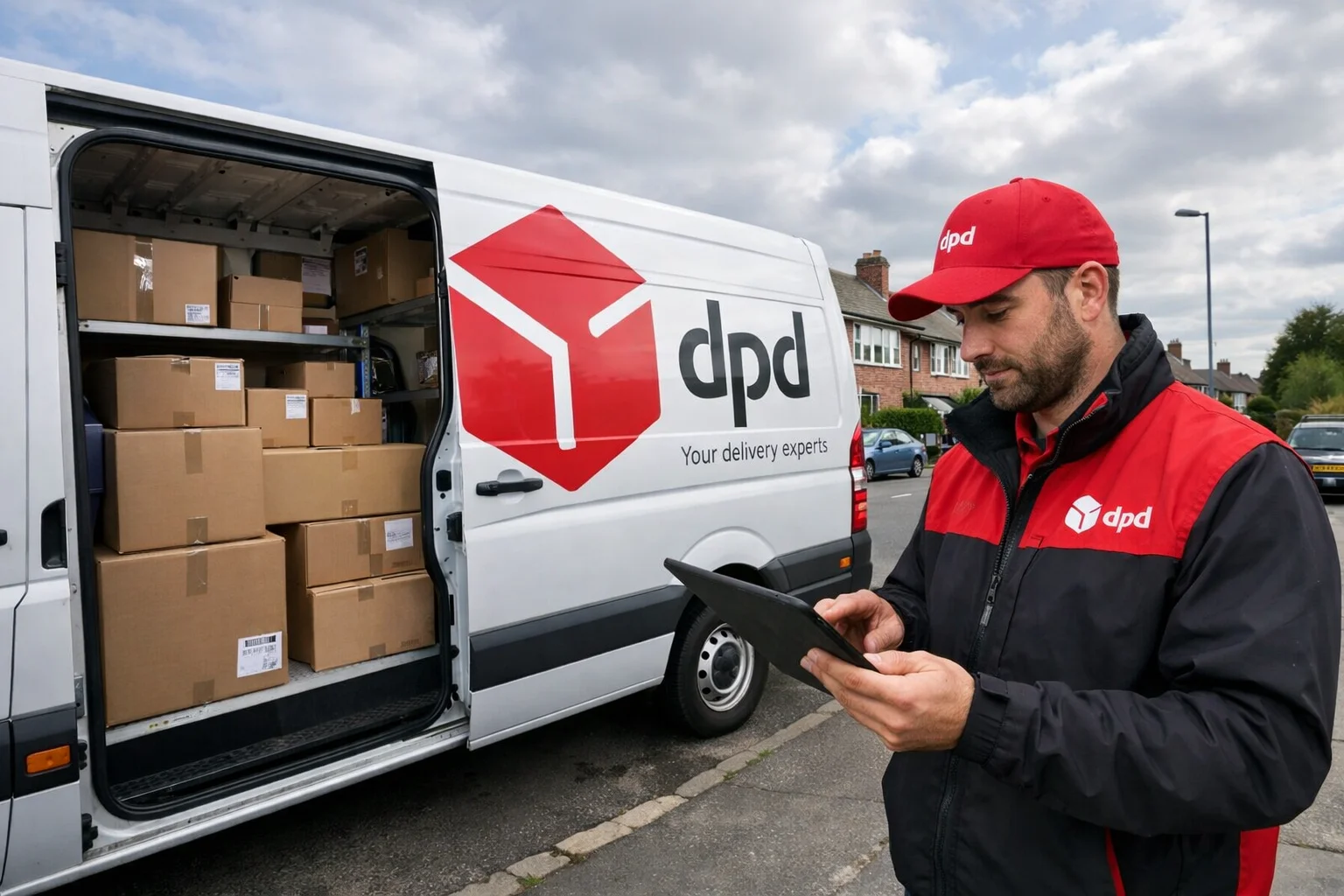
If you’re wondering how much DPD drivers earn, here’s the short answer: DPD drivers in the UK typically earn between £150 and £180 per day, depending on whether they’re employed, self-employed, or franchise owners.
Weekly earnings range from £600 to £850, while monthly income can reach £3,500 or more, especially for owner drivers.
Here are the key points you’ll learn in this guide:
- Employed drivers earn from £24,000 per year with benefits.
- Self-employed drivers can make £50K to £60K annually.
- Pay varies by van size, route, and contract type.
- Payment can be per parcel, per hour, or daily rate.
- Earnings differ in London, rural areas, and Ireland.
- DPD offers weekly or monthly payments depending on role.
What Is the Average Salary for a DPD Driver in the UK?
DPD offers multiple driver contracts across the UK. Depending on the type of agreement, whether you’re employed or self-employed, the earnings can vary considerably.
The company publicly outlines its earning potential on their recruitment site for three core categories: Employed Drivers, Owner Driver Workers, and Owner Drivers.
Each comes with its own benefits, risks, and responsibilities. I found that DPD provides a reasonable level of transparency in what they offer for each position. Here’s a breakdown of their average earning potential and role expectations:
| Contract Type | Base Annual Earnings | Key Inclusions | Responsibilities |
|---|---|---|---|
| Employed Driver | From £24,000 | Van, fuel, pension, holiday & sick pay | Standard employment benefits |
| Owner Driver Worker | From £27,000 | Paid holiday, pension, sick pay | Lease or own vehicle; self-employed setup |
| Owner Driver | £50,000 – £60,000 | No benefits provided | Self-manage all costs and operations |
Employed drivers earn a fixed salary with benefits such as a vehicle and fuel provided by DPD. The Owner Driver Worker model is a hybrid setup – you lease or own your van but receive limited benefits like holiday pay.
The Owner Driver model is a fully self-employed opportunity where drivers can potentially earn the most, though all costs and tax obligations are handled independently.
DPD has become one of the most popular courier networks in the UK, in part due to the flexibility and income potential it offers, particularly in high-volume urban areas.
How Much Do DPD Drivers Earn Per Day?
Earnings on a daily basis vary depending on the volume of deliveries, your contract type, your area of operation, and even your van type.
Most self-employed DPD drivers are paid per successful parcel delivery, while employed drivers may receive a fixed hourly or daily wage.
I looked into both pay models closely and found that the per-day figures are relatively consistent within each category.
| Driver Type | Daily Earnings (Estimated) | Notes on Rates |
|---|---|---|
| Employed Driver | £100 – £120 | Based on shift hours and location |
| Owner Driver Worker | £120 – £140 | Based on parcel volume |
| Owner Driver (Self-Employed) | £150 – £180 | Based on 100–200 successful deliveries |
The key to higher daily earnings is maintaining high efficiency and route optimisation. I noticed that drivers in larger cities like London can complete more deliveries in a shorter timeframe, which pushes their earnings up.
DPD’s per parcel pay generally ranges from £1.00 to £1.20, with larger vans typically qualifying for the higher end of that scale.
Van Type and Daily Impact
The type of van you drive also directly influences how much you can earn:
- Mini vans: Lower capacity, more refuelling and loading
- Large vans: Higher capacity, fewer trips back to depot
For example, a driver with a large van completing 140 drops at £1.20 per drop can earn £168 in a day. However, that’s before costs like fuel and van maintenance.
How Much Do DPD Drivers Earn Per Week?
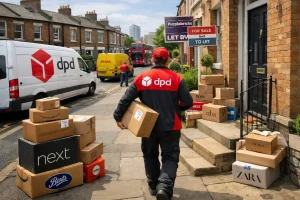
Your weekly earnings as a DPD driver are largely tied to the number of days you’re available to work and your daily delivery count.
Most full-time drivers work between 5 and 6 days a week, especially in busy cities or during peak delivery seasons.
Here’s a snapshot of the average weekly earning range:
| Driver Category | Estimated Weekly Earnings | Days Worked | Notes |
|---|---|---|---|
| Employed Driver | £460 – £520 | 5 | Based on fixed salary |
| Owner Driver Worker | £520 – £650 | 5 – 6 | Parcel-based rate |
| Owner Driver | £600 – £850+ | 5 – 6 | Earnings vary with drop volume |
Factors That Impact Weekly Income
Several practical elements impact how much a driver earns over a week:
- Route Efficiency: Urban routes allow for more deliveries in less time
- Time of Year: Earnings are significantly higher during peak periods like Christmas
- Experience Level: Seasoned drivers know the fastest routes and best strategies
- Volume of Parcels: Busier areas like Greater London tend to provide higher drop counts
- Fuel Prices: High operating costs can cut into profits for self-employed drivers
In the self-employed model, if you aim for 6 days of work with around 140 drops a day, you’re potentially looking at £900+ per week, though after expenses, this figure often settles between £600–£850.
How Much Do DPD Drivers Earn Per Month and Annually?
To better understand the monthly and annual earnings, I calculated the averages based on weekly figures. However, these numbers can shift significantly depending on parcel volumes, weather, fuel prices, and demand.
| Driver Role | Monthly Earnings (Est.) | Annual Earnings (Est.) |
|---|---|---|
| Employed Driver | £1,840 – £2,080 | £24,000 – £25,000 |
| Owner Driver Worker | £2,080 – £2,600 | £27,000 – £32,000 |
| Owner Driver | £2,400 – £3,500+ | £50,000 – £60,000+ |
Owner drivers who build efficient systems and manage costs wisely often exceed the £60,000 mark.
However, it’s important to note that these figures represent gross revenue before costs like:
- Fuel (approx. £80–£120/week)
- Van lease or purchase
- Insurance
- Maintenance
- National Insurance contributions
- Income tax
On the other hand, employed drivers have fewer responsibilities but also earn less. They are also subject to structured shift times, which can be an advantage or disadvantage depending on your lifestyle.
How Are DPD Drivers Paid – Per Parcel, Hour, or Day?
DPD uses a combination of pay models depending on your employment type. I found three main structures in place:
Per Parcel Payment
Used predominantly for self-employed and franchise drivers, the per-parcel pay model incentivises speed and volume. Drivers typically earn:
- £1.00 per parcel for mini vans
- £1.20 per parcel for large vans
- Up to 200 deliveries per day possible during peak times
Hourly Pay
Some schemes such as DPD Connect pay by the hour. These tend to be part-time or casual roles:
- Average range: £13.79 to £17.74 per hour
- DPD Connect offers up to £18/hour
- Ideal for those preferring predictable income
Daily Rate Pay
Other contracts may pay drivers a flat daily rate:
- Ranges from £150 to £180 per day
- Often includes an expected parcel count (e.g., 120–150)
This model helps drivers predict earnings better, though it may not account for particularly long or difficult delivery days.
Do DPD Drivers Get Paid Weekly or Monthly?
Understanding when you’ll receive payment is just as important as how much you’ll earn. DPD’s payment cycle differs based on the employment model:
| Employment Type | Payment Frequency | Notes |
|---|---|---|
| Employed Driver | Monthly | Paid directly through payroll |
| Owner Driver Worker | Weekly | Paid per completed delivery cycle |
| Owner Driver | Weekly | Payment often processed each Monday |
| DPD Connect | Weekly or Fortnightly | Depending on agency or internal terms |
This flexibility appeals to those who prefer faster access to their earnings, especially self-employed drivers managing their own expenses weekly.
What’s It Like Being a DPD Owner Driver?
This is where things become a bit more personal. I’ve spoken to several current and former DPD drivers and gone through reviews and real-life case studies. The Owner Driver model offers the highest income potential, but it comes with risks and pressures.
The Positives
- High earning ceiling: Drivers regularly report earnings over £1,000/week during busy seasons
- Autonomy: You’re your own boss; flexible schedule within route delivery window
- Growth opportunities: You can scale into running multiple routes or hiring subcontracted drivers
The Challenges
- Costs: You pay for everything – fuel, insurance, tax, tyres, maintenance
- Workload: Expect 10+ hour days during busy periods
- Unpredictability: Parcel volumes and route quality can vary daily
Many drivers refer to the Owner Driver model as running a small business. For those comfortable managing finances and vehicles, it’s a potentially lucrative route. For others, the structure of being employed may be preferable.
You can learn more about these options directly on DPD’s official portal at https://drivers.dpd.co.uk.
How Much Can You Earn as a DPD Franchise Owner?
DPD doesn’t disclose an exact figure for franchise startup costs, but based on industry estimates and driver feedback, you can expect the following:
| Cost Component | Estimated Range |
|---|---|
| Initial Setup | £1,000 – £3,000 |
| Van Lease (Monthly) | £300 – £600 |
| Insurance (Annual) | £1,200 – £2,000 |
| Fuel (Weekly) | £100 – £150 |
Franchise earnings align with the Owner Driver model. Drivers managing their route efficiently, hiring subcontractors, or operating in high-volume areas have reported generating over £60,000+ in gross annual income. However, overheads can account for 25–40% of revenue.
How Does DPD Compare with Other Delivery Jobs Like Evri?
Evri, previously known as Hermes, is one of DPD’s main competitors in the parcel delivery space. However, the two differ significantly in their pay models and operational structures.
| Criteria | DPD | Evri |
|---|---|---|
| Per Parcel Pay | £1.00 – £1.20 | £0.45 – £0.65 |
| Average Daily Earnings | £150 – £180 | £50 – £100 |
| Contract Types | Employed & Self-Employed | Self-Employed Only |
| Benefits (Employed Roles) | Holiday, pension, sick pay | Generally not available |
| Route Structure | Pre-allocated delivery areas | Flexible, often first-come |
DPD tends to offer better structured support, clearer career pathways, and more secure earning potential. Evri can be a flexible side-income opportunity but may not be ideal for full-time earning goals.
What Factors Affect DPD Driver Earnings?

Earnings are rarely fixed in this industry, and DPD is no exception. From my analysis, here are the most common variables that influence take-home pay:
- Contract Type: Determines base rate and access to benefits
- Route Location: Urban routes often yield higher delivery volumes
- Experience: Veteran drivers complete more drops in less time
- Parcel Volume: More parcels equals more revenue
- Operating Costs: Fuel, maintenance, and vehicle lease can cut into earnings
- Time of Year: November–January are peak months with highest income potential
- Van Type: Larger vans increase delivery capacity and pay-per-drop rate
In addition, consistent customer service and on-time deliveries can lead to route stability and better assignments from DPD route planners.
Are There Differences in DPD Driver Pay by Location (e.g., London, Ireland)?
Yes, and the differences are noticeable. Drivers in London and other major cities often earn more because of:
- Denser delivery routes
- Higher average parcel volumes
- Better logistical support from local depots
Drivers operating in Ireland, on the other hand, may face slightly different conditions. According to available reports and testimonies:
- Irish DPD drivers often earn slightly less per parcel
- Fuel and insurance costs are lower
- Fewer drops per route due to rural areas
While UK urban areas offer the highest earnings, rural drivers may benefit from less traffic and more flexible delivery expectations.
Conclusion
In summary, DPD offers a range of driving opportunities with varying earning potential depending on the contract type, location, and workload.
Whether you choose to be employed or self-employed, your income can range from modest to highly lucrative, especially for owner drivers managing efficient routes.
With flexible structures, reliable pay models, and nationwide demand, DPD remains a competitive choice for courier work in the UK. Carefully weighing the pros and costs will help you choose the right path for your goals.
FAQs About DPD Driver Pay
How much do DPD drivers earn per parcel?
Most self-employed drivers earn between £1.00–£1.20 per parcel, depending on vehicle size and area.
Do DPD drivers make good money?
Yes, especially owner drivers. You can earn up to £60,000 per year, but it depends on your contract, work ethic, and location.
Are DPD drivers self-employed?
Some are. DPD offers both employed roles and self-employed opportunities, including hybrid models like Owner Driver Worker.
How much do DPD drivers earn in London?
London-based drivers often earn more, potentially £180–£200 per day, due to route density and higher parcel volumes.
Do DPD drivers get paid for fuel?
Self-employed drivers must cover fuel costs themselves. Employed drivers and DPD Connect schemes may include fuel or reimbursements.
How many hours do DPD drivers work per day?
Most drivers work 8–10 hour shifts, especially during peak season. Self-employed drivers can choose longer hours if desired.
Is DPD better than Evri for delivery work?
DPD generally offers better pay, more structured support, and progression opportunities compared to Evri.

Leave a Reply