
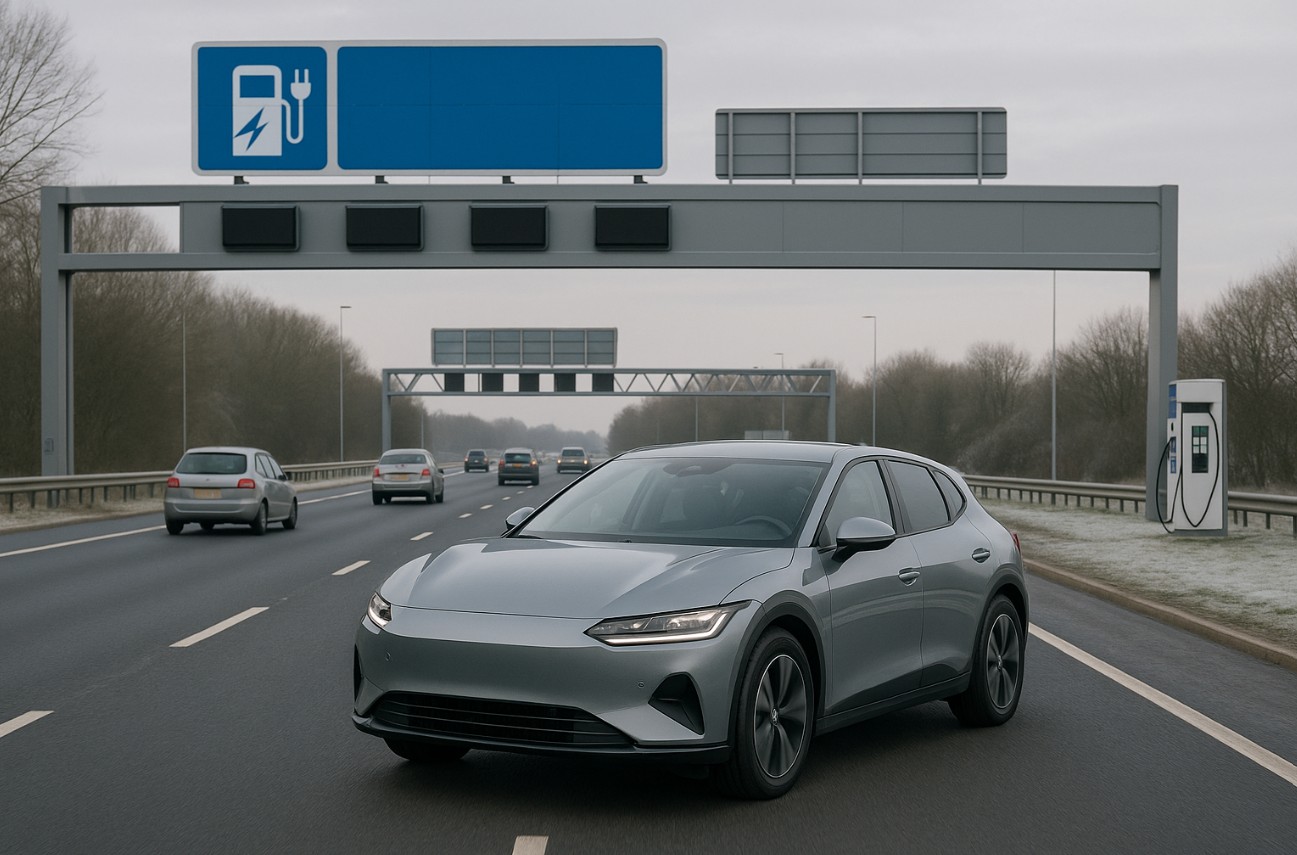
Is the way we pay to drive in the UK about to change permanently? With the UK’s decarbonisation targets approaching fast, Chancellor Rachel Reeves unveiled a set of ambitious updates in the Autumn Budget 2025, aiming to modernise how road usage is taxed.
This is a critical turning point for vehicle taxation, with reforms reflecting the declining role of fossil fuels, the increasing adoption of electric vehicles (EVs), and the government’s effort to ensure fair and sustainable funding of the UK’s roads.
For decades, petrol and diesel drivers have contributed significantly to the Treasury through fuel duty and road tax. However, with battery electric vehicles becoming more popular, the government faces a fiscal challenge.
The Vehicle Excise Duty (VED) and fuel duty model is becoming outdated, leading to a rethink that now includes the introduction of mileage-based taxation for EVs and major updates to emissions-based car tax bands. These changes will influence decisions for individual motorists, fleet managers, and vehicle manufacturers alike.
What Has Changed with Vehicle Excise Duty (VED) in December 2025?
The Vehicle Excise Duty system, also known as car tax or road tax, has been overhauled to align with newer environmental and economic goals. The December 2025 update introduces a revised CO2-based banding system, increases rates for polluting vehicles, and removes key exemptions previously enjoyed by electric vehicle drivers.

Until recently, EVs were exempt from VED, making them an attractive low-cost alternative to petrol and diesel cars. However, starting from December 2025, electric vehicles registered from this date will now fall into standard VED bands. Although the lowest VED tier still applies to most EVs due to their zero emissions, the financial difference between electric and conventional cars is narrowing.
Vehicles will now be assessed more strictly using updated WLTP (Worldwide Harmonised Light Vehicle Test Procedure) CO2 figures.
This means that many petrol and diesel vehicles, especially larger or older models, will fall into higher tax brackets. Similarly, plug-in hybrids (PHEVs) will be reassessed based on electric range and emissions levels.
What Is the Mileage-Based EV Tax and When Will It Apply?
From April 2028, the UK will become one of the first countries in the world to implement a mileage-based taxation model for electric vehicles, commonly referred to as eVED (electric Vehicle Excise Duty). This new form of taxation replaces lost fuel duty income from electric vehicles, which, unlike petrol or diesel cars, do not pay duty at the pump.
According to the policy introduced by Chancellor Reeves, the mileage-based charge will apply as follows:
| Vehicle Type | eVED Rate (2028–2029) |
|---|---|
| Battery Electric Cars | 3p per mile |
| Plug-in Hybrids | 1.5p per mile |
| Electric Vans, Trucks, Bikes | Exempt (initially) |
To calculate their tax liability, drivers will be required to self-report their mileage annually. The government will provide two payment options: a lump-sum annual payment or monthly instalments via Direct Debit.
The system will rely on annual mileage checks performed during routine MOT inspections, or via a new check procedure for vehicles not yet due for an MOT.
An example of this in practice: an electric car driver travelling 8,500 miles in a year would pay £255 annually, based on the 3p per mile charge. The Office for Budget Responsibility (OBR) notes that this is around half the annual fuel duty paid by an average petrol or diesel driver.
How Will These Changes Impact Electric Car Owners?
The era of tax-free driving for EVs is coming to an end. While electric vehicles will remain cheaper to operate in many respects, the government’s reforms ensure that EV drivers begin contributing to infrastructure and road upkeep—costs traditionally funded through fuel duty.
From December 2025, newly registered EVs will:
- Be subject to standard VED rates (starting at around £165–£180 per year)
- No longer benefit from the expensive car supplement exemption, unless further reliefs are introduced
- Face mileage-based charges starting April 2028
This could slightly reduce the cost benefits of going electric. The OBR forecasts that up to 440,000 fewer EVs may be sold over the next five years as a result of these combined tax changes.
However, the Treasury plans to increase the expensive car supplement threshold, which could help recover around 320,000 of those lost EV sales, by making high-end electric vehicles more financially appealing.
Despite these shifts, EVs remain cost-effective when considering maintenance, energy, and total lifetime costs.
Will Plug-In and Mild Hybrid Owners Be Affected Too?
Yes. Both plug-in hybrids (PHEVs) and mild hybrid vehicles (MHEVs) are included in the revised tax framework, although their treatment varies depending on emissions and battery range.
Plug-in hybrids that deliver a meaningful electric-only range (typically over 30 miles) may still enjoy reduced VED and lower BiK (Benefit-in-Kind) tax rates. However, their owners will also be subject to the 1.5p per mile eVED charge from 2028, reflecting their partial reliance on battery power.
Mild hybrids, which use electric power only to assist rather than propel the vehicle, will increasingly be treated as standard combustion engine vehicles. This means higher VED bands, full fuel duty responsibility, and no relief from eVED.
In simple terms, the greener your hybrid, the better the tax treatment, but the benefits are shrinking compared to a few years ago.
How Will the eVED Mileage Be Monitored and Enforced?
A key challenge of the new eVED system is ensuring compliance and accuracy. To do this, the government has developed a self-reporting model supported by annual verifications.
Drivers will be asked to declare their estimated mileage at the start of the year, choosing either a full payment or monthly instalments. This declaration will then be cross-verified at the vehicle’s MOT appointment or through a dedicated annual check at approved stations. The system will also allow adjustments for discrepancies between reported and actual mileage.
This approach allows flexibility while keeping administration manageable. However, it places more responsibility on drivers and garages, and errors may result in additional charges or fines.
What Will Change for Company Car Drivers Under the New System?
Company car drivers and fleet operators face a dual impact from these tax changes, rising Benefit-in-Kind (BiK) rates and the future introduction of eVED.
BiK rates for electric and hybrid company vehicles will gradually increase over the coming years. For example, an electric vehicle that was previously taxed at 2% may see its BiK rate rise to 3% or 4% depending on government reviews. Plug-in hybrids will be taxed according to their electric range, with less efficient models facing higher rates.
Fleet operators will also need to factor in eVED charges from 2028. A fleet of 50 electric cars, each travelling 10,000 miles a year, could result in £15,000 in new annual mileage charges—a significant operational cost that must now be factored into fleet planning and budgets.
How Will the Government Be Financially Impacted by These Changes?
The fiscal rationale behind the new vehicle tax framework is clear: as EVs replace fossil-fuelled cars, fuel duty revenues will fall, leaving a multi-billion-pound gap in road funding.
The Office for Budget Responsibility estimates that:
- The mileage-based EV tax will raise £1.1 billion in 2028
- This revenue is expected to grow to £1.9 billion by 2030
- While the EV sales drop is estimated at 440,000 units, new incentives (like higher Expensive Car Supplement thresholds) are predicted to recover 320,000 sales
These figures reveal a delicate balancing act: the government must encourage EV adoption while also preserving public revenue. The result is a tax system designed to share the burden more equally across all vehicle types.
How Can Drivers Prepare for the Future of Car Tax in the UK?

With changes already in effect and more on the way, UK drivers must be proactive. Understanding your current and future tax obligations is essential for budgeting and vehicle selection.
Whether you’re a private motorist or a business fleet manager, consider the following actions:
- Check your vehicle’s VED band and emissions data
- Plan for annual mileage declarations from 2028 onward
- Use the GOV.UK vehicle tax calculator to estimate costs
- For new purchases, factor in both initial VED and long-term mileage costs
Being informed now will help you make smarter decisions when buying or leasing vehicles over the next few years.
What Are the Key Differences in Tax Costs by Vehicle Type?
| Vehicle Type | VED from Dec 2025 | eVED from 2028 | Fuel Duty | Total Estimated Annual Cost |
|---|---|---|---|---|
| Petrol (150g/km CO2) | £250 | N/A | ~£500 | ~£750 |
| Diesel (160g/km CO2) | £280 | N/A | ~£550 | ~£830 |
| Plug-in Hybrid (40-mile range) | £190 | £135 (9000 miles) | ~£200 | ~£525 |
| Mild Hybrid | £230 | N/A | ~£450 | ~£680 |
| Electric Vehicle | £180 | £270 (9000 miles) | £0 | ~£450 |
Conclusion – Are You Ready for the UK’s New Car Tax Era?
The December 2025 car tax reforms and the introduction of mileage-based EV taxation in 2028 represent a historic shift in the UK’s vehicle taxation policy. While they add new costs and administrative steps, they also reflect a more modern, sustainable, and usage-based model for funding UK roads.
For electric vehicle owners, the honeymoon period of tax-free motoring is drawing to a close. Yet even with the changes, EVs remain economically viable and environmentally responsible. Petrol and diesel drivers face steeper increases, especially in fuel duty and VED, as emissions come under tighter regulation.
Ultimately, these changes demand more strategic thinking by motorists, who will need to weigh upfront costs, running expenses, and future liabilities more carefully than ever before.
Frequently Asked Questions
What is eVED and when will it come into force?
eVED stands for electric Vehicle Excise Duty. It is a mileage-based tax that applies to electric and plug-in hybrid cars from April 2028.
Are electric vans and motorcycles taxed under the new scheme?
No. These vehicles will be exempt from eVED charges initially, although this may be reviewed in the future.
How is mileage reported and verified?
Drivers will estimate their annual mileage and pay either annually or monthly. Mileage will be confirmed during MOT tests or through new annual check procedures.
Will EVs still be cheaper than petrol cars to run?
Yes, even with the new taxes, EVs generally offer lower energy, maintenance, and tax costs compared to petrol and diesel cars.
What incentives remain for electric vehicles?
Increases in the Expensive Car Supplement threshold will make high-value EVs more affordable. Company car tax remains lower for EVs than combustion vehicles.
Can I avoid the new tax by buying before December 2025?
Buying before December 2025 may reduce your initial VED, but ongoing changes will still apply, including eVED from 2028.
What happens if I underreport my mileage?
Mileage will be verified. Underreporting could lead to back charges or penalties, similar to current tax underpayment rules.

Leave a Reply