
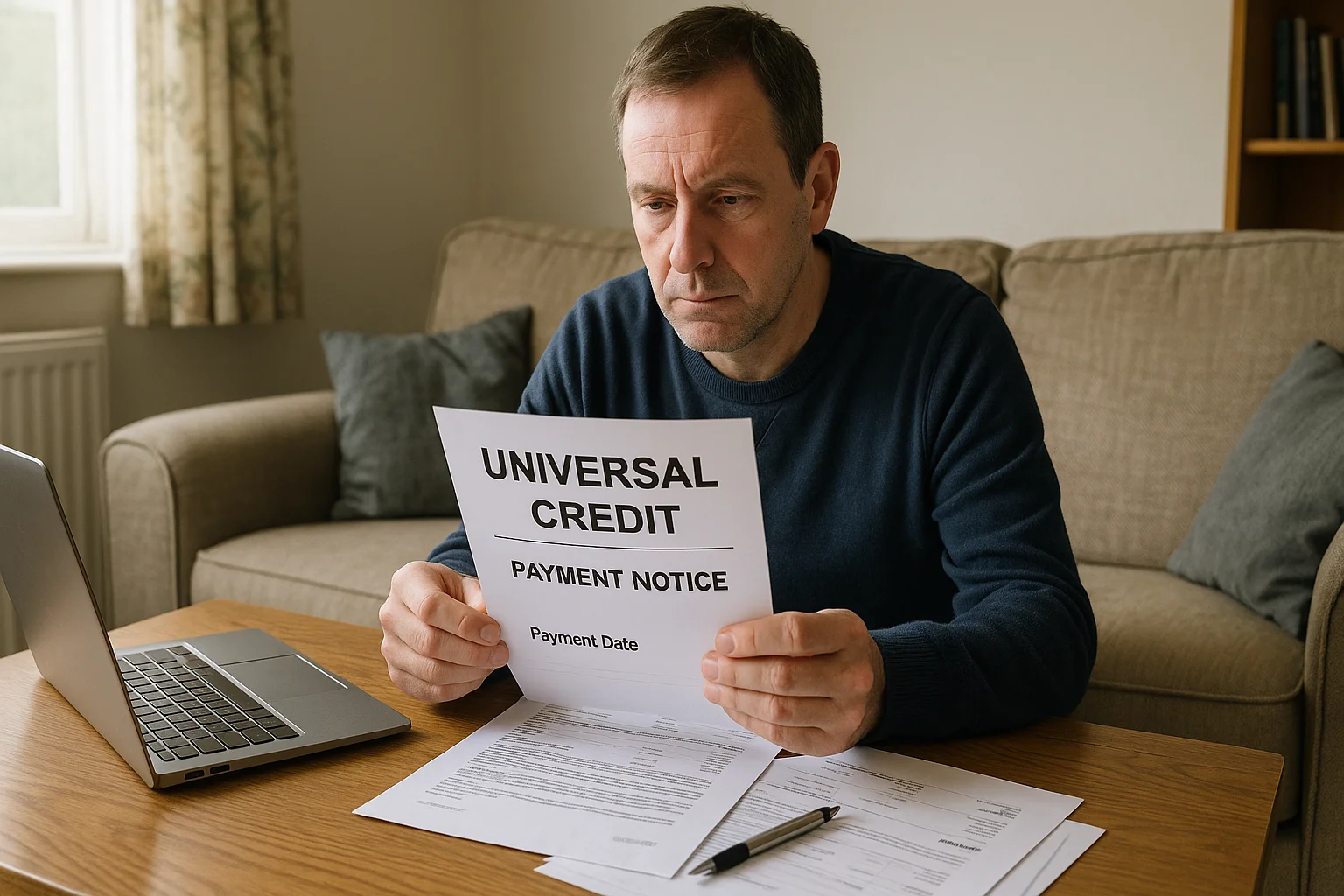
Are you wondering what’s happening with the £325 Universal Credit payment in 2025? Many UK households are still facing rising living costs and uncertain financial futures, and the absence of extra government support has left thousands asking the same question: Is any additional payment coming this year?
In this detailed guide, we explore what has changed with Universal Credit, why the Cost of Living Payments have ended, who benefitted in the past, and most importantly, what financial help still exists for 2025.
If you’re relying on government assistance, this article will give you a full breakdown of the universal credit 325 payment 2025 landscape and what you need to be aware of moving forward.
Why Isn’t the £325 Universal Credit Payment Scheduled for 2025?
The Department for Work and Pensions (DWP) has officially confirmed that there will be no additional Cost of Living Payments in 2025.
This includes the widely recognised £325 Universal Credit payment, which was one of several financial support instalments made during the cost-of-living crisis from 2022 to 2024.
These payments were intended as short-term relief to help people cover essential expenses during a period of high inflation and energy price spikes.
Now that economic conditions have somewhat stabilised, the government has closed the scheme, replacing one-off payments with permanent increases in benefit rates.
So, while the £325 will not be repeated, eligible claimants will benefit from increased monthly Universal Credit allowances, which started in April 2025.
What Was the Purpose of the Cost of Living Payment Scheme?

The Cost of Living Payments were introduced as part of a targeted support strategy to help low-income and vulnerable households weather extreme financial pressures.
From 2022 to 2024, the government issued the following payments:
- £326 and £324 in 2022
- £301, £300 and £299 in 2023–2024
These payments were automatically sent to individuals receiving qualifying benefits such as Universal Credit, Pension Credit, Tax Credits and other income-based support.
The £325 figure you may have heard about is part of this scheme. While there is no universal credit 325 payment 2025, the original payments provided essential short-term relief during a period of severe economic hardship.
How Much Did Claimants Receive in Past Cost of Living Payments?
If you’re trying to understand what you received in the past or missed out on, it helps to look at the official payment breakdown. Here’s how previous payments were structured:
Universal Credit Cost of Living Payment Schedule
| Amount | Eligibility Period | Payment Window |
|---|---|---|
| £326 | 26 Apr 2022 to 25 May 2022 | 14 Jul – 31 Jul 2022 |
| £324 | 26 Aug 2022 to 25 Sep 2022 | 8 Nov – 23 Nov 2022 |
| £301 | 26 Jan 2023 to 25 Feb 2023 | 25 Apr – 17 May 2023 |
| £300 | 18 Aug 2023 to 17 Sep 2023 | 31 Oct – 19 Nov 2023 |
| £299 | 13 Nov 2023 to 12 Dec 2023 | 6 Feb – 22 Feb 2024 |
Payments were based on your eligibility during specific assessment periods. If you qualified for Universal Credit, Pension Credit, or certain tax credits during these times, you would have received the corresponding amount.
Did the Government Replace the Cost of Living Payment in Any Way?

While the government hasn’t introduced another one-off payment like the universal credit 325 payment 2025, it did make structural benefit changes instead.
In April 2025, the DWP applied a 1.7% increase to standard Universal Credit allowances. This means monthly payments are slightly higher than last year, offering ongoing support rather than temporary relief.
Monthly Universal Credit Standard Allowance (April 2025)
| Household Type | Monthly Amount (2025) |
|---|---|
| Single under 25 | £297.07 |
| Single 25 or over | £374.99 |
| Couple under 25 (both) | £466.29 |
| Couple one or both 25 or over | £588.66 |
While it may not seem as substantial as a £325 lump sum, this increase applies every month, providing continuous support that accumulates over the year.
Who Qualified for Previous Cost of Living Payments?
To receive Cost of Living Payments between 2022 and 2024, you needed to receive one of the qualifying benefits during the eligibility period.
Qualifying Benefits:
- Universal Credit
- Pension Credit
- Income Support
- Income-based JSA
- Income-related ESA
- Working Tax Credit
- Child Tax Credit
Non-qualifying Circumstances:
- New Style ESA or JSA (without other qualifying benefits)
- Contributory ESA only
- Income above the threshold or sanctions during eligibility
These payments were processed automatically using an automated system, ensuring that eligible claimants did not need to apply manually.
What Made Someone Ineligible for the Payments?

There were a few common reasons why a claimant may not have received a Cost of Living Payment:
Typical reasons for ineligibility:
- Receiving a nil award during the assessment period due to income changes
- Your or your partner’s earnings increased
- Your savings exceeded the limits
- You received multiple wage payments during the period
- You were sanctioned by DWP for not fulfilling your claimant agreement
However, in some cases, even those with a nil award could still qualify if their benefits were reduced due to debt recovery or rent deductions.
This nuanced eligibility made it essential for claimants to review their benefit statements carefully.
Could People Claim the £325 Universal Credit Payment in 2025 If They Missed It Before?
The short answer is no. As the Cost of Living Payment scheme has concluded, no backdated or new £325 payments are being processed in 2025.
However, if you were eligible between 2022 and 2024 and believe you missed a payment, you can report a missing Cost of Living Payment. Contact the DWP or the office responsible for your benefit to begin a review.
Do note that these payments were not taxable and did not affect your benefits or tax credits. But if DWP later found you weren’t eligible, they could recover the payment.
What Can You Do If Your Circumstances Have Changed in 2025?

If your financial situation has worsened in 2025 or you’re facing difficulties, there are alternative support schemes in place. Though these won’t replace the universal credit 325 payment 2025, they can help cover essential costs.
Alternative Support Schemes:
- Household Support Fund
Available through your local council to help with utility bills, food and essentials.
- Hardship Payments
For sanctioned Universal Credit claimants in serious financial difficulty.
- Regional Support
- Scotland: Crisis Grant, Community Care Grant
- Wales: Discretionary Assistance Fund
- Northern Ireland: Short-term Benefit Advance
These schemes are discretionary and based on your situation, so it’s worth applying even if you’ve been rejected before.
Was Disability Support Still Paid Separately from Cost of Living Payments?
Yes. Individuals receiving disability-related benefits were eligible for separate Disability Cost of Living Payments, including two £150 instalments.
Eligible Disability Benefits
- Personal Independence Payment (PIP)
- Disability Living Allowance (DLA)
- Attendance Allowance
- Adult or Child Disability Payment (Scotland)
- Armed Forces Independence Payment
Disability Payment Schedule
| Date of Eligibility | Payment Period |
|---|---|
| 1 April 2023 | 20 June to 4 July 2023 |
| 25 May 2022 | 20 Sept to early October 2022 |
These payments were also automatic and applied regardless of whether someone also received Universal Credit or other qualifying benefits.
How Did Joint Claims Affect Cost of Living Payments?

For those who had joint benefit claims, such as a couple claiming Universal Credit together, the payment was issued once per claim.
This meant households received a single instalment for each qualifying period, not two payments per person. It applied to both the DWP and HMRC-administered benefits.
This system prevented duplication but did cause confusion for some who expected both individuals in a couple to be paid separately.
What Steps Should You Take Now That the £325 Payment Is Off the Table?
With no universal credit 325 payment 2025 confirmed, claimants should stay proactive in managing their benefits and exploring other avenues of support.
Recommendations for 2025
- Check eligibility for the updated Universal Credit allowance
- Apply to local funds like the Household Support Fund
- Use benefit calculators to discover any overlooked entitlements
- Contact DWP if you suspect you missed a past Cost of Living Payment
Staying informed is key. The landscape may have shifted, but there are still resources and support for those who seek them.
Conclusion
The reality is clear: the universal credit 325 payment 2025 is no longer part of the government’s financial support plan.
While the absence of one-off payments like this might feel like a loss, the government has aimed to create longer-term financial stability by adjusting benefit rates.
This means monthly support has been built into your standard payments, offering a reliable foundation rather than unpredictable payouts. While it’s not a direct replacement, it signals a shift to a more consistent system.
If you or someone you know is still struggling, now is the time to seek out alternative funds, apply for local council support, or speak to a benefits adviser.
Help may not be as visible as a headline-grabbing £325 payment, but it is still available for those who qualify.
Frequently Asked Questions
Is there a Universal Credit 325 payment in 2025?
No, there is no £325 Universal Credit payment planned for 2025, as the Cost of Living Payment scheme has ended.
What replaced the Cost of Living Payments?
The DWP increased Universal Credit rates by 1.7% in April 2025, providing ongoing support instead of one-off payments.
Can I apply for past Cost of Living Payments?
No applications are accepted for past payments, but you can contact the DWP if you believe you were eligible and didn’t receive one.
Why didn’t I receive a Cost of Living Payment?
You may have had a nil award, sanction, or income too high during the qualifying period, making you ineligible.
What benefits qualified me for the previous payments?
Benefits like Universal Credit, Pension Credit, and certain tax credits qualified you if received during key dates.
Is the 2025 increase in Universal Credit enough?
The 1.7% increase is modest but meant to offer more stable long-term support instead of sporadic emergency payments.
How can I get extra help now?
You can apply for support through the Household Support Fund, regional grants, or hardship payments if you qualify.

Leave a Reply