
Last Updated – 20-10-2026
Pensioners across the UK are being urged to remain vigilant following a DWP text message warning about criminals impersonating government departments to steal personal information and banking details.
The Department for Work and Pensions (DWP) previously reported a 153% increase in scam text referrals during one week in September 2025.
The threat remains relevant in 2026 as millions of eligible pensioners prepare to receive Winter Fuel Payments worth between £100 and £300.
Fraudulent messages may claim that recipients must confirm their identity, update payment details or complete an urgent application before receiving financial support.
However, most eligible pensioners receive their Winter Fuel Payment automatically, without applying through a text message.
Understanding the warning signs, genuine payment arrangements and official reporting procedures can help households protect their finances.
Why Has the DWP Issued a Text Message Warning?
The DWP issued a public warning after receiving evidence that fraudsters were increasingly using fake government communications to target pensioners.
According to the official DWP warning published on 15 October 2025, scam text referrals increased by 153% in the week beginning 29 September 2025 compared with the previous week, when 164 referrals were recorded.
The messages typically impersonated government officials involved in processing Winter Fuel Payments. Recipients were encouraged to follow suspicious links and provide sensitive personal or financial information.
The warning remains significant in 2026.
In April 2026, HMRC reported receiving more than 25,000 Winter Fuel Payment scam referrals over the preceding 12 months.
The department also warned that criminals might exploit confusion about the recovery of payments from pensioners with higher incomes.
The figures relate to different reporting periods and should not be interpreted as a newly recorded 153% increase in October 2026.
Work and Pensions Secretary Pat McFadden previously warned that criminals were deliberately targeting people expecting financial assistance.
Jonathan Silvester, HMRC’s Digital Defence Lead, also advised people not to respond under pressure, warning:
Never let yourself be rushed.
The concern is particularly relevant when households are expecting legitimate government payments and may find fraudulent messages more believable.
What Does a Fake DWP Text Message Look Like?

Scam messages are often designed to resemble legitimate government notifications.
Fraudsters may use official-sounding language, payment references and urgent deadlines to persuade recipients to act without checking the information.
For example, a fraudulent message might resemble the following:
Example 1: Fake Winter Fuel Payment confirmation
DWP Alert: Your £300 Winter Fuel Payment is awaiting confirmation. Update your banking details before midnight to prevent cancellation. Visit [suspicious link].
Example 2: Fake payment deadline
Government Support Notice: Your Winter Fuel Payment application is incomplete. Reply YES and follow the instructions to receive your payment.
These are illustrative examples created to demonstrate common scam tactics, not verified copies of actual messages.
Both examples attempt to create urgency and persuade recipients to complete actions outside established government services.
Similar tactics have appeared in misleading claims about additional financial assistance, including supposed £500 Cost of Living Payments.
People should independently verify any unexpected announcement about a new benefit or grant before providing information.
How Can You Tell Whether a DWP Text Message Is Fake?
Fraudsters continually change their messages, meaning there is no single phrase that identifies every scam.
However, several warning signs can help distinguish suspicious communications from genuine government contact.
| Warning sign | Why it matters |
|---|---|
| Request for bank details | DWP does not request Winter Fuel Payment banking information by text. |
| Unexpected application link | Most eligible pensioners receive the payment automatically. |
| Urgent deadline | Criminals create pressure to discourage verification. |
| Unfamiliar website | Fake websites can imitate government pages. |
| Request for passwords or security codes | These details can provide access to financial accounts. |
| Payment or processing fee | A demand for money to release a benefit is a serious warning sign. |
| Threat of cancelled payments | Fraudsters may invent consequences to force quick decisions. |
Recipients should also avoid assuming a message is genuine simply because it displays a recognisable government name or telephone number.
Caller identification can be manipulated.
Similar concerns apply to phone calls claiming to originate from government departments.
For example, guidance on whether 0800 023 2635 is a genuine DWP number explains why recognising a government telephone number does not automatically establish that an individual caller is trustworthy.
Independent verification remains essential.
Does the DWP Send Genuine Text Messages?
Yes. The DWP can send legitimate text messages about certain benefits, appointments, claim reviews and administrative matters.
For example, its Fraud and Error Prevention Service may send informational reminders relating to claim-review forms or changes in circumstances.
Therefore, receiving a text mentioning DWP does not automatically mean it is fraudulent.
The important distinction is what the message requests.
A genuine administrative reminder is different from an unexpected message demanding bank details, passwords, payment card information or an immediate transfer of money.
Anyone uncertain about a message should visit GOV.UK independently or contact the appropriate benefit office using verified contact details.
Universal Credit claimants can also check their existing online account and journal for relevant communications.
Do Pensioners Need to Apply for Winter Fuel Payment in 2026?
Most pensioners who qualify for Winter Fuel Payment do not need to apply.
Under the official Winter Fuel Payment guidance for 2026/27, eligible people born on or before 27 June 1960 may receive between £100 and £300 towards their winter heating costs.
The government expects most eligible recipients to receive notification letters in October or November 2026, followed by payments during November or December.
Who Usually Receives the Payment Automatically?
People receiving qualifying benefits, including State Pension, Pension Credit, Attendance Allowance or certain other DWP payments, generally do not need to submit a separate claim.
However, some eligible people may need to apply, particularly if they have never received Winter Fuel Payment or have deferred their State Pension since their last payment and do not receive an automatically qualifying benefit.
For winter 2026/27:
- Postal claims opened on 21 September 2026.
- Telephone claims open on 19 October 2026.
- The final claim deadline is 31 March 2027.
Anyone needing to claim should use the official government process, not an unexpected link sent by text.
What Happens When a Pensioner’s Income Exceeds £35,000?
For the 2026/27 winter season, pensioners with individual total income exceeding £35,000 may still receive a Winter Fuel Payment, but HMRC will normally recover the amount through the tax system.
This may happen through an adjustment to their tax code or Self Assessment.
HMRC has specifically warned that it will not send text messages or emails demanding repayment of Winter Fuel Payment or requesting banking information.
A message claiming someone must urgently send money to avoid enforcement should therefore be treated with suspicion.
Once a genuine payment arrives, recipients can identify it using the DWP WFP reference on their bank statement.
Understanding how the payment appears in banking records can help prevent unnecessary confusion.
What Should You Do After Receiving a Suspicious DWP Text?
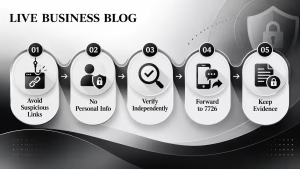
Anyone receiving an unexpected message should avoid taking action simply because it appears urgent.
The following steps can reduce the likelihood of financial loss.
Step 1: Avoid clicking suspicious links
Do not open unfamiliar websites or download attachments included in an unexpected government-payment message.
Step 2: Do not respond with personal information
Avoid sharing National Insurance numbers, banking details, passwords, PINs or one-time security codes in response to unsolicited requests.
Step 3: Check the claim independently
Open GOV.UK directly through a browser rather than following the message’s link.
Step 4: Forward the text to 7726
Most UK mobile networks allow suspicious messages to be forwarded to 7726 free of charge.
This enables providers to investigate potentially fraudulent messages and take action against malicious senders.
Step 5: Keep evidence where necessary
If fraud has occurred, retain relevant screenshots, transaction records and other evidence. Once any useful evidence has been preserved, block the sender and remove the suspicious message.
Messages impersonating HMRC can also be reported using HMRC’s dedicated text reporting number, 60599.
What Happens If You Have Already Clicked a DWP Scam Link?
Opening a suspicious link does not necessarily mean that a bank account has been compromised.
The appropriate response depends on whether any information was entered, a payment was made or software was downloaded.
If You Only Opened the Website
Close the website immediately and avoid interacting with its content.
If no information was entered and nothing was downloaded, the risk may be lower, although remaining cautious is sensible.
If You Provided Your Bank Details
Contact your bank immediately using its official app, website or the telephone number printed on your card.
Explain what happened and ask whether your cards, account or transactions require additional protection.
Banks may be able to block suspicious transactions or arrange replacement cards.
If You Shared a Password
Change the password immediately using the genuine service.
Change any other accounts where the same password was used, and enable two-factor authentication where available.
If Money Has Been Stolen
Report the fraud to the appropriate authorities.
People in England, Wales and Northern Ireland can use the national Report Fraud service or telephone 0300 123 2040.
In Scotland, suspected fraud can be reported to Police Scotland on 101.
Early reporting may improve the chances of preventing further losses.
Can the DWP Access Your Bank Account Through a Text Message?
No. A text message does not provide the DWP with access to someone’s online banking account.
The department has separate legal powers relating to benefit verification and information requests, but those processes should not be confused with unsolicited messages demanding financial credentials.
There is a significant difference between a lawful request for relevant benefit information and a fraudster attempting to gain direct control of someone’s finances.
The rules surrounding DWP access to bank accounts in 2026 explain why benefit-verification powers do not give officials unrestricted access to people’s banking passwords, accounts or transaction histories.
Any text asking recipients to disclose online banking credentials should be treated as a serious security concern.
Why Are Pensioners Particularly Vulnerable to Winter Payment Scams?
Winter Fuel Payments are intended to help older people manage heating costs during colder months.
Fraudsters exploit this financial context by contacting people shortly before legitimate payments are expected.
A person worried about rising household costs may be more likely to respond when a message suggests that financial support could be delayed or cancelled.
Independent Age Chief Executive Joanna Elson CBE highlighted this concern in the government’s October 2025 announcement.
She explained that the charity had received calls from older people who had been sent fraudulent messages, including people already concerned about affording heating during winter.
These scams do not depend on a lack of technical knowledge. They exploit familiar government terminology, financial pressure and uncertainty about eligibility.
Family members and carers can help by encouraging older relatives to verify unexpected payment notifications through established official channels.
Households seeking legitimate winter assistance can also review how the £25 Cold Weather Payment scheme operates in 2026/27 rather than responding to unfamiliar offers of emergency heating grants.
How Can Families Protect Older Relatives From DWP Scams?
Family members can play an important role in helping older people identify suspicious financial messages.
Some practical precautions include:
- Explaining that genuine Winter Fuel Payments are normally made automatically.
- Encouraging relatives to discuss unexpected financial requests before responding.
- Helping them access official government information directly.
- Enabling security features on mobile phones and banking accounts.
- Checking whether unfamiliar apps or suspicious websites have been opened.
- Ensuring they know how to report scam messages to 7726.
The objective should be to provide reassurance and accurate information, rather than discourage older people from using digital government services.
A simple habit of independently checking unexpected requests can prevent many common impersonation scams.
Frequently Asked Questions About DWP Text Message Warnings
Is the DWP text message warning genuine?
Yes. The DWP published an official warning on 15 October 2025 after a 153% rise in reported scam text referrals during a week in September 2025.
Will DWP send a text about Winter Fuel Payment?
DWP may send genuine administrative texts, but it does not ask people to provide banking details or apply for Winter Fuel Payment through an unsolicited text link.
What number should I report a DWP scam text to?
Forward suspicious text messages to 7726. This is a free reporting service supported by most UK mobile providers.
Can scammers use the DWP name in a text message?
Yes. Criminals can impersonate government organisations and may manipulate the sender name displayed on a phone.
Do I need to provide bank details to receive Winter Fuel Payment?
Most eligible pensioners receive payment automatically into their existing benefit or pension bank account. They should not provide banking details through unsolicited texts.
What should I do if I have given my banking details to a scammer?
Contact your bank immediately, secure your accounts and report any suspected financial fraud through the appropriate official reporting service.
How much is the Winter Fuel Payment in 2026?
Eligible pensioners can receive between £100 and £300, depending on their age and circumstances. Those with individual income above £35,000 may have the payment recovered by HMRC.

Leave a Reply