

The Pubs Code Adjudicator has opened a formal statutory investigation into Stonegate Group over suspected failures to provide tied pub tenants with accurate, transparent and timely information.
Announced on 15 July 2026, the investigation covers Stonegate’s conduct between 15 July 2021 and 14 July 2026.
It focuses on information about pub premises, repairs, rent proposals, financial forecasts, business plans and dealings with Business Development Managers.
The regulator has reasonable grounds to suspect possible non-compliance but has not concluded that Stonegate breached the Pubs Code. Current, former and prospective tied tenants can submit evidence until 5pm on 12 August 2026.
Key Highlights:
| Key Point | Confirmed Position |
|---|---|
| Regulatory action | Formal statutory investigation |
| Announcement date | 15 July 2026 |
| Period examined | 15 July 2021 to 14 July 2026 |
| People affected | Current, former and prospective tied tenants |
| Main concerns | Premises, repairs, rent forecasts, business plans and BDM records |
| Current status | Suspected non-compliance; no final finding |
| Evidence deadline | 5pm on 12 August 2026 |
| Earlier matters | Separate action in 2023 and a completed review in 2024 |
The investigation will assess whether tied tenants received enough reliable information to make informed decisions before signing agreements or negotiating rent.
What Is the Pubs Code Adjudicator’s Stonegate Investigation About?

The investigation is examining whether Stonegate complied with information and fair-dealing duties owed to tied pub tenants and people negotiating to become tenants.
Stonegate operates more than 3,000 tenanted and leased pubs across England and Wales and is one of six pub-owning businesses regulated under the statutory Pubs Code.
The investigation does not automatically cover every managed pub or bar in Stonegate’s wider estate.
The regulator is assessing whether possible problems were isolated incidents or reflected wider processes.
It will also consider the impact of any non-compliance and whether Stonegate accurately reported breaches or alleged breaches in its annual compliance reporting.
Although readers may search for a “Pubs Code Adjudicator Stonegate review”, the latest action is officially an investigation.
A regulatory investigation gathers evidence and determines whether breaches occurred; it should not be reported as a completed ruling.
Which Stonegate Duties and Tenant Information Are Under Investigation?
The formal investigation scope and concerns cover several stages of the tied pub relationship, from information provided before an agreement to records created during the tenancy.
Property Conditions and Promised Repair Work
The regulator will examine whether prospective tenants received a full and clear description of the pub premises.
Property Information Being Examined:
- Whether an accurate Schedule of Condition was supplied.
- Whether known defects and property problems were disclosed.
- Whether all promised maintenance, repair or improvement works were documented.
- Whether work required before the agreement began was identified.
- Whether completion dates were given for work due after the agreement started.
- Whether lists of initial works were supplied in the required form and at the correct time.
Property information can influence refurbishment costs, opening dates, maintenance liabilities and working-capital requirements.
The investigation does not mean that every Stonegate property document or repair schedule was defective.
Were Rent Proposals Supported by Reasonable Forecasts?
The investigation will examine whether rent proposals were supported by reasonable profit forecasts and clear supporting information.
Forecasts may include expected turnover, gross profit, staffing costs, utilities, repairs and other operating expenses.
Tenants should be able to understand the assumptions behind these figures before deciding whether the proposed rent is affordable.
The regulator will also assess whether Stonegate responded to reasonable requests for rent-related information or provided a valid explanation within seven days if the information was not supplied.
Business Plans and BDM Records
The investigation will also consider whether prospective tenants received sustainable business plans based on realistic information and appropriate professional advice.
Key areas include:
- Sustainable business plans supported by realistic forecasts.
- Fair and lawful conduct by Business Development Managers (BDMs).
- Clear records of discussions about rent, repairs, agreements and business plans.
- Relevant records provided within the required timeframe.
Written records are important because they can help establish what information was shared, what was discussed and whether any commitments were made.
Who Could Be Affected by the Stonegate Pubs Code Investigation?
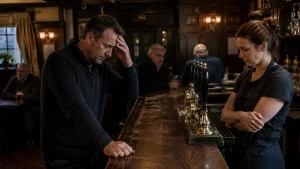
The investigation may be relevant to current and former Stonegate tied tenants whose experiences fall within the five-year period. It may also affect prospective tenants who negotiated for a pub but did not ultimately enter an agreement.
A tied pub tenant is required to purchase some or all alcoholic drinks from the pub-owning business, a related business or a nominated supplier.
The statutory Pubs Code applies to qualifying pub-owning businesses with 500 or more tied pubs in England and Wales.
Potentially affected parties may include:
- Existing tied tenants.
- Former tenants who left during or after the investigation period.
- Prospective tenants who received property, rent or business-plan information.
- Professional advisers holding relevant documents.
- Other parties with first-hand evidence about the matters under investigation.
Managed pubs should not be treated as tied tenancies simply because they form part of Stonegate’s wider portfolio.
Scotland also operates under a separate pubs code framework, so the present investigation concerns the England-and-Wales regime.
How Does the 2026 Investigation Differ from Stonegate’s Earlier Pubs Code Cases?
The current investigation is separate from earlier Stonegate matters involving Market Rent Only agreements and historic rent-proposal processes.
Stonegate Regulatory Timeline:
| Date | Regulatory Matter | Confirmed Outcome | Link to Current Case |
|---|---|---|---|
| February 2023 | MRO rent-review terms | Around 70 lessees were offered removal of an upwards-only rent-review term where it appeared with annual RPI increases | Separate issue involving certain MRO agreements |
| March 2024 | Historic rent-proposal processes | Two legacy processes caused 1,557 confirmed breaches | Concerned earlier conduct ending by April 2021 |
| July 2026 | Formal statutory investigation | Evidence is being gathered about suspected information and tenant-dealing failures | Current unresolved action covering July 2021 to July 2026 |
In 2023, Stonegate agreed not to enforce the relevant upwards-only rent review, remove it from affected agreements and contribute to legal costs.
The historic rent proposal findings published in March 2024 identified 1,120 rent proposal breaches and 437 breaches relating to proposal timing.
Although Stonegate later introduced remedial changes, those findings provide background only and do not prove the suspected breaches being examined in the 2026 investigation.
What Evidence Can Current and Former Stonegate Tenants Provide?

The regulator is seeking information from current and former tenants, prospective tenants and other interested parties who may hold relevant evidence.
Documents Most Likely to Be Relevant
Anyone preparing evidence for the investigation should retain documents that may help explain what information was provided before or during the tenancy process. Depending on the circumstances, the following records may be relevant
Potential Supporting Evidence:
- Tenancy offers and agreements.
- Schedules of Condition.
- Property inspection reports.
- Lists of initial repairs or improvements.
- Emails recording promised property work.
- Rent proposals and supporting calculations.
- Profit-and-loss forecasts.
- Business plans and professional advice.
- Requests for further rent information.
- Responses to information requests.
- Business Development Manager meeting notes.
- Personal records of relevant discussions.
- Complaints or correspondence about possible breaches.
This is a practical editorial summary based on the investigation scope, not a compulsory evidence checklist.
How Should Evidence Be Submitted?
The official evidence submission guidance confirms that there is no prescribed response format. Evidence must be submitted by 5pm on 12 August 2026.
Contributors may find it helpful to identify:
- The relevant pub and agreement.
- The dates covered by the evidence.
- The people involved.
- The issue each document supports.
- Whether the document contains sensitive information.
Original emails, reports and contemporaneous records may provide clearer evidence than summaries written later. However, the regulator will decide how much weight to give each submission.
Confidentiality and Sensitive Information
The regulator says contributors will not be identified in the investigation report without their consent.
It has also acknowledged that evidence may contain private, sensitive or commercially confidential material. Such information will be handled in accordance with the regulator’s legal duties.
The 12 August deadline is an evidence deadline, not a final decision date. No date has yet been announced for completing or publishing the investigation.
Why Does the Investigation Matter Commercially to Tied Pub Tenants?
Information about repairs, rent and expected profitability can directly affect whether a prospective tenant understands the financial risks involved in taking on a pub.
Possible Business Effects:
- Repairs: Undisclosed repairs increasing initial costs.
- Improvement works: Delays disrupting opening or trading plans.
- Sales forecasts: Unrealistic projections overstating revenue.
- Operating costs: Incomplete projections understating working-capital needs.
- Profit assumptions: Unsupported figures affecting rent affordability.
- Meeting records: Missing records making commitments harder to verify.
- Business plans: Unrealistic plans leaving tenants financially exposed.
For example, a tenant may expect repairs to be completed before opening, only to face unexpected costs or delays if responsibilities are unclear.
This example is illustrative only. The investigation will determine whether tenants received enough information to properly assess these commercial risks.
What Have the PCA and Stonegate Said About the Investigation?

The regulator’s suspicions and Stonegate’s response must be reported separately from any eventual findings.
The Regulator’s Position
The Pubs Code Adjudicator says the investigation is intended to determine whether Stonegate complied with its legal duties under the Pubs Code.
Fiona Dickie, the Pubs Code Adjudicator, said:
“This investigation will help us establish if Stonegate has met their duties under the Pubs Code.”
She added that tied tenants and prospective tenants have rights to transparent information about premises and rent.
The evidence gathered will help determine whether the Code was breached, its impact on tenants and whether further action is needed.
The regulator has also stressed that no decision has yet been made on whether Stonegate failed to comply with the Pubs Code.
How Has Stonegate Responded?
Stonegate says it will cooperate with the investigation and maintains that it is committed to complying with the Pubs Code.
In a statement provided to the media, the company said:
“Stonegate is fully committed to complying with the code and ensuring all Publicans are treated fairly.”
Stonegate also said it would cooperate fully with the inquiry and referred to previous discussions with the regulator.
Its published Pubs Code guidance states that tied publicans should receive the information needed to make informed decisions and that key discussions with Business Development Managers should be recorded in writing.
These statements reflect Stonegate’s position. The investigation will determine whether its statutory duties were met in practice.
What Happens Next in the Pubs Code Adjudicator’s Stonegate Investigation?
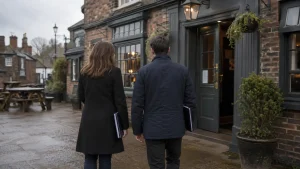
The immediate next step is the collection and assessment of evidence submitted before 5pm on 12 August 2026.
It may then review tenant documents, examine Stonegate’s records and request further information. The investigation will consider whether any breaches occurred, how widespread they were and their impact.
If breaches are established, the final report could include recommendations or other regulatory action. However, no outcome or publication date should be treated as certain
The possible outcomes include findings that:
- Breaches occurred across multiple cases.
- Problems were limited to particular processes or agreements.
- Some concerns were supported while others were not.
- The available evidence did not establish non-compliance in certain areas.
The investigation remains ongoing, and its findings will determine whether Stonegate met its duties under the Pubs Code.
Conclusion
The Pubs Code Adjudicator’s investigation into Stonegate will determine whether tied and prospective tenants received the information, records and commercial transparency required under the Code.
No breach has yet been established, and the outcome will depend on the evidence collected.
The next confirmed milestone is the 12 August 2026 submission deadline, after which the regulator will assess the scale, impact and any need for further action or regulatory enforcement measures.
Frequently Asked Questions
What Does “Reasonable Grounds to Suspect” Mean?
It means the regulator considers there is sufficient information to justify an investigation. It does not mean a breach has already been proved.
What Is a Tied Pub Tenant?
A tied tenant must buy some or all alcoholic products from the pub-owning business or an approved supplier. The Pubs Code provides qualifying tenants in England and Wales with statutory rights.
What Is a Schedule of Condition?
A Schedule of Condition records the physical state of a property at a particular time. It can help identify existing defects and clarify future repair responsibilities.
What Makes a Pub Business Plan Sustainable?
A sustainable plan should use realistic revenue, cost and profit assumptions. It should also account for rent, repairs, staffing, utilities, working capital and other operating risks.
Why Are BDM Meeting Notes Important?
Meeting notes provide evidence of discussions about rent, repairs, agreements and business plans. They may help resolve disputes about what information or commitments were communicated.
Does the Same Pubs Code Apply in Scotland?
No. The statutory framework examined in this investigation applies in England and Wales, while Scotland has a separate pubs code system.
Can Former Tenants Submit Evidence?
Yes. Former tenants may provide evidence where their experiences fall within the investigation scope, including relevant documents from the period between July 2021 and July 2026.
Editorial Note:
This article separates the confirmed findings in Stonegate’s earlier cases from the suspected matters under investigation in 2026.
Opening an investigation does not establish that Stonegate breached the Pubs Code during the period examined. Any regulatory outcome will depend on the evidence and the adjudicator’s final conclusions.

Leave a Reply