

Last checked: 7 July 2026
NHS consultants in England have backed industrial action in a BMA strike ballot, giving the union a legal mandate to call strikes within the next 12 months, though no action is guaranteed.
The BMA said 75.81% supported strike action, with 18,069 votes cast from 35,067 eligible consultants. Turnout was 51.53%, just above the legal threshold. No strike dates had been announced at the time of writing.
Patients should attend appointments as normal unless told otherwise. The result increases pressure on the Government to address pay, workload and retention issues.
Key Highlights:
| Issue | Latest position |
|---|---|
| Ballot group | NHS consultants in England |
| Union | British Medical Association |
| Result | 75.81% voted for strike action |
| Turnout | 51.53% |
| Eligible consultants | 35,067 |
| Votes cast | 18,069 |
| Strike mandate | Up to 12 months |
| Strike dates | Not announced at last check |
| Main dispute | Pay, workload, retention and senior doctor value |
This is a developing industrial relations story, so future updates may change the practical impact for patients, hospitals and NHS employers.
What Was the Result of the NHS Consultants BMA Strike Ballot?

The NHS consultants BMA strike ballot resulted in a vote in favour of industrial action in England. The result gives the BMA a lawful strike mandate, but it does not automatically trigger walkouts.
The confirmed figures show a clear majority among those who voted:
- 13,695 consultants voted yes to strike action.
- 4,369 consultants voted no.
- 5 ballot papers were spoiled or invalid.
- Turnout was 51.53%, just above the legal threshold.
- 75.81% of valid votes supported strike action.
The BMA published the figures in its official consultant ballot result, saying the ballot closed on 6 July 2026.
Confirmed ballot numbers
The numbers matter because public sector strike ballots must meet legal participation requirements. In this case, the turnout threshold was passed, giving the BMA a mandate it can use if talks do not progress.
Why the Turnout Threshold Mattered?
A strike ballot is not decided only by the number of members voting “yes.” UK law also requires a minimum turnout for the result to be legally valid.
The NHS consultants’ ballot met this requirement, giving the BMA a lawful strike mandate.
Key points:
- 51.53% turnout exceeded the legal threshold.
- The result gives the BMA legal authority to organise strike action.
- Without the required turnout, the ballot would have been invalid.
- Strike action is still not automatic and depends on future negotiations.
Although the threshold was met, the ballot does not automatically lead to strike action.
What the 12-month Mandate Means?
The mandate can remain active for up to 12 months. During that period, the BMA may announce strike action if negotiations fail. However, industrial action could still be avoided if an agreement is reached.
Why Have NHS Consultants Voted for Possible Strike Action?
Consultants have voted for possible strike action because the dispute is about more than one annual pay award.
It concerns pay restoration, workload pressure, retention of senior doctors and the future attractiveness of NHS consultant careers.
The BMA argues that consultants have experienced a long-term real-terms fall in pay and that this is contributing to doctors reducing hours, retiring early or leaving the NHS.
It has also warned that losing senior expertise could weaken NHS capacity at a time when hospitals are already under pressure.
Main Reasons Behind the Dispute
- Long-term concerns about consultant pay erosion.
- Heavy workloads and burnout risks.
- Difficulty retaining experienced senior doctors.
- Pressure on waiting lists and hospital performance.
- Concern about the value placed on clinical leadership.
- Wider NHS staffing and morale problems.
In its statement, BMA consultants committee co-chairs Dr Helen Neary and Dr Shanu Datta said:
“No strikes need to take place if the Government addresses these issues, but we now have a mandate that consultants are prepared to use if it does not act.”
The union’s position is that resolving the dispute could help protect senior medical expertise and support patient care in the longer term.
What Is the BMA Asking for in the Consultant Pay Dispute?

The BMA is seeking action on consultant pay, professional value and working conditions. Its campaign focuses on what it describes as fixing consultant pay in England after years of real-terms decline.
The issue is especially sensitive because consultants are among the most senior doctors in hospitals. They lead clinical teams, supervise resident doctors, make complex decisions and manage specialist services.
Consultant Pay Restoration
The BMA says consultant pay should be restored to reflect the responsibility, expertise and leadership role of senior doctors.
Its consultant pay campaign information sets out the union’s case for pay restoration and reform.
Working Week and Out-of-hours Concerns
Consultants often provide care beyond standard working patterns. This can include emergency cover, specialist advice, weekend work and leadership responsibilities during periods of intense hospital demand.
Senior Doctor Retention and Workforce Pressure
Retention is a central issue. If experienced consultants reduce hours, retire earlier or leave NHS work, hospitals may lose specialist knowledge that is difficult to replace quickly.
Why consultant retention matters:
- Consultants train and supervise resident doctors.
- They lead specialist clinics and surgical services.
- They support emergency and complex case decisions.
- They guide NHS service planning and clinical governance.
- They help reduce risks in high-pressure hospital settings.
This means the dispute is not only an employment issue. It also connects directly to NHS resilience, patient access and service quality.
Are NHS Consultants Going on Strike in England?
NHS consultants are not automatically going on strike simply because the ballot passed. The result gives the BMA permission to call strike action, but no strike dates had been announced when this article was last checked.
For patients, the practical position is:
- Keep attending appointments unless the NHS says otherwise.
- Check appointment letters, texts and NHS trust updates.
- Use NHS 111 for urgent but non-life-threatening concerns.
- Call 999 for life-threatening emergencies.
- Avoid relying on social media rumours about cancellations.
BBC coverage of the issue has also reported the consultants’ vote as part of the wider NHS industrial relations picture.
Readers can follow the BBC consultant strike update for additional national reporting on the developing story.
A strike mandate can be used as leverage in negotiations. It can also remain unused if talks lead to an agreement. That is why the next Government response, BMA communications and NHS operational planning will matter.
How Could Consultant Strike Action Affect NHS Patients and Hospitals?
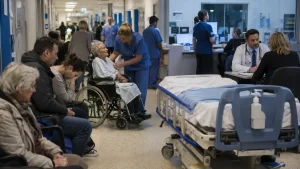
Consultant strike action could affect NHS patients and hospitals mainly through disruption to planned care.
Emergency care would usually be prioritised, but outpatient clinics, planned operations and some diagnostic services could face changes if strike dates are announced.
Consultants are central to many hospital services. They lead departments, perform specialist procedures, supervise teams and make senior clinical decisions.
This means disruption involving consultants can affect several layers of hospital planning.
Appointments, Operations and Waiting Lists
The biggest impact is likely to be on non-urgent and planned activity.
Services that could be affected:
- Routine outpatient appointments.
- Planned operations.
- Consultant-led clinics.
- Some diagnostic tests.
- Follow-up reviews.
- Non-urgent specialist assessments.
If strikes happen, NHS trusts would decide which services continue and which appointments need to be rearranged. Patients should wait for direct NHS communication before assuming an appointment has changed.
Emergency and Urgent Care Cover
Emergency and urgent care would be expected to remain the highest priority. However, local arrangements may differ depending on staffing, strike dates and hospital pressures.
Impact on NHS Managers and Hospital Planning
Hospital managers would need to prepare staffing rotas, review clinical priorities and communicate clearly with patients. This creates operational pressure even before any strike day takes place.
A short strike can still create a longer planning burden, especially when hospitals are already trying to reduce waiting lists.
Will NHS Consultants Get a Pay Rise in 2026 or 2026/27?
There is no confirmed new consultant pay rise directly resulting from the ballot at the time of writing. The ballot strengthens the BMA’s negotiating position, but it does not itself create a pay settlement.
The question of an NHS consultant pay rise in 2026 or 2026/27 depends on Government decisions, negotiations, pay review processes and any agreement reached with the BMA.
Current pay dispute position:
| Question | Current answer |
|---|---|
| Has a new deal been confirmed? | No confirmed new deal at last check |
| Does the ballot guarantee a rise? | No |
| Is the BMA seeking pay restoration? | Yes |
| Could talks still continue? | Yes |
| Could strikes still be avoided? | Yes, if agreement is reached |
The Telegraph has reported on the dispute in the context of consultants demanding action on pay after the vote. Its Telegraph consultant pay report gives further media coverage of the political and pay negotiation angle.
For consultants, the central issue is not only the headline salary figure. It is the real-terms value of pay, workload, pensions, professional recognition and whether NHS careers remain attractive compared with other options.
How Does the Consultant Ballot Fit into Wider NHS Industrial Action?

The consultant ballot sits within a wider period of NHS industrial action and workforce unrest in England. However, it should not be confused with resident doctor, SAS doctor or other NHS staff disputes.
Each staff group has its own contract, ballot process and negotiating route.
Important Distinctions
- Consultants are senior hospital doctors.
- Resident doctors are doctors in postgraduate training.
- SAS doctors are specialist, associate specialist and specialty doctors.
- Separate groups may have separate ballots and mandates.
- A ballot result for one group does not automatically apply to another.
The BMA also said SAS doctors voted strongly for industrial action, but their ballot did not meet the legal turnout threshold. That means the consultant result carries a different legal consequence.
For NHS leaders, the wider concern is cumulative pressure. Even where disputes are separate, repeated workforce disputes can affect planning, morale and public confidence.
What Happens Next After the BMA Consultant Strike Ballot?

The next stage depends on talks between the BMA and the Government. The mandate gives the union the option to announce strike action, but negotiations may continue before any dates are confirmed.
Possible next steps include:
- Further talks between ministers and the BMA.
- A revised pay or workforce proposal.
- BMA announcement of strike dates.
- NHS trusts preparing local contingency plans.
- Public guidance for affected patients.
- Suspension of action if a deal is reached.
For patients, the safest advice is to follow official NHS updates. Unless a patient is contacted by their hospital or clinic, they should continue attending appointments as planned.
For businesses, the issue may also have indirect effects. Employers could see staff taking time off to manage rearranged appointments, delayed treatment or caring responsibilities if hospital disruption develops.
Key Takeaways
- NHS consultants in England have backed the BMA strike ballot.
- The yes vote was 75.81% on a 51.53% turnout.
- The mandate can last up to 12 months.
- No strike dates had been announced at last check.
- The dispute focuses on pay, workload, retention and professional value.
- Consultant strikes could affect planned NHS care if dates are announced.
- Patients should rely on official NHS updates, not rumours.
The ballot is a major negotiating moment, but it is not the same as confirmed strike action.
Conclusion
The NHS consultants BMA strike ballot marks a significant escalation in the dispute over consultant pay and working conditions in England.
The vote gives the BMA a lawful mandate for industrial action, but it also leaves room for further talks before any strikes take place.
For the Government, the result adds pressure to respond to concerns about senior doctor retention and NHS workforce stability. For patients, the immediate position remains unchanged unless their NHS provider confirms otherwise.
The key issue now is whether negotiations can produce an agreement before strike dates are announced. Until then, the ballot result should be seen as a serious warning signal rather than immediate disruption.
FAQs
What is the difference between consultants and resident doctors?
Consultants are senior specialist doctors who lead patient care and supervise other doctors. Resident doctors are qualified doctors still progressing through postgraduate training.
What is the current salary range for NHS consultants in England?
NHS consultant salaries vary by experience, contract and additional duties. Readers should check official NHS or BMA pay scale pages for the latest salary bands.
Does a strike ballot mean strikes will definitely happen?
No. A successful ballot gives a union permission to call strikes, but action can still be avoided if negotiations lead to an agreement.
Could private healthcare demand rise if NHS disruption continues?
It could rise for some services if patients face delays, but this depends on affordability, availability and individual medical circumstances.
Why is consultant retention important for the NHS?
Consultants provide senior expertise, train junior doctors, lead specialist services and support patient safety. Losing experienced consultants can weaken hospital capacity.
How is consultant pay decided in England?
Consultant pay is influenced by Government decisions, pay review processes, NHS contracts and negotiations with representative bodies such as the BMA.
Where can patients check official NHS service updates?
Patients should check their local NHS trust, NHS England updates, appointment messages and NHS 111 guidance for urgent health advice.
Editorial Note:
This article explains a developing UK healthcare and employment issue using publicly available information. It is written for general news and business readers.
It should not be treated as medical, legal, employment or financial advice.
Because NHS industrial action can change quickly, readers should check the latest BMA, NHS and Government updates before making decisions.

Leave a Reply