

Rural Post Offices across the UK are facing increasing financial pressure as business rates rise by an estimated £29 million, raising concerns about the future of essential community services.
The latest business rates revaluation has resulted in hundreds of branches facing significantly higher tax bills, with rural outlets among the hardest hit.
Many postmasters are also dealing with rising National Insurance contributions, higher wage costs and ongoing inflationary pressures.
Industry leaders warn that without additional support, some branches may struggle to remain viable, potentially affecting access to banking, postal and government services in rural communities.
Key Takeaways:
- Rural Post Offices face an additional £29 million business rates burden.
- Around 600 branches have become liable for business rates following the latest revaluation.
- Some rural branches are experiencing increases of up to 200%.
- Rising National Insurance and wage costs are adding further financial pressure.
- One in four branches could face annual business rates bills exceeding £5,000.
- Rural communities may lose access to vital banking and postal services if closures occur.
- The Post Office argues the current tax system places a disproportionate burden on branches.
- Government support measures and network investment plans aim to help protect local services.
Why Are Rural Post Office Closure Risks Increasing Across the UK?

The primary factor behind the growing concerns is the latest business rates revaluation, which came into effect in April. This marked the first major reassessment since the pandemic and has significantly altered the tax liabilities faced by many Post Office branches.
Around 600 branches that were previously exempt from business rates have reportedly crossed the threshold for liability, exposing them to substantial new costs.
Many rural branches have been hit particularly hard because property values and valuation methods have changed since the previous assessment period. As a result, some operators are facing dramatic increases in their annual bills.
The Impact of the Latest Business Rates Revaluation
The revaluation was designed to reflect updated property values and market conditions. However, many Post Office operators argue that it has created unexpected financial challenges.
Business Rates Impact Effect on Rural Branches
New property valuations Increased tax liabilities
Loss of exemption status Additional annual costs
Higher rateable values Reduced profitability
Limited revenue growth Greater financial strain
Why Are Rural Branches Facing the Largest Increases?
Unlike larger retail chains that can spread costs across multiple locations, many rural Post Offices are independently operated businesses serving small populations.
Several factors contribute to their vulnerability:
- Lower customer volumes compared to urban branches
- Limited opportunities to increase prices
- Higher operating costs in remote areas
- Dependence on essential services rather than high-margin products
- Reduced economies of scale
As a result, even modest increases in taxation can have a significant impact on profitability.
How Will Higher Business Rates Affect Rural Post Offices?
The increased tax burden arrives at a time when many Post Office operators are already managing rising expenses.
Business rates are only one element of a broader cost challenge. Many branches are also facing:
- Higher National Insurance contributions
- Rising minimum wage obligations
- Increased utility costs
- Inflation-related operating expenses
- Growing maintenance and compliance costs
For smaller branches, these combined pressures can quickly erode profitability.
Research commissioned by the Post Office indicates that approximately one quarter of branches now face annual business rates bills exceeding £5,000, while one in ten could pay more than £10,000 annually.
Annual Business Rates Bill Estimated Branch Impact
Under £5,000 Lower financial pressure
£5,000 – £10,000 Significant operating challenge
Above £10,000 Potential threat to viability
The concern among operators is that these increases may force difficult decisions regarding staffing, opening hours, investment, or even long-term sustainability.
Why Are Small and Rural Branches Bearing the Greatest Financial Burden?
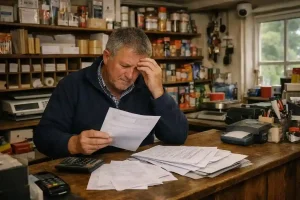
Small rural branches often perform a unique role within their communities. While larger retail outlets may focus primarily on commercial performance, rural Post Offices frequently provide essential services that may not generate substantial profits.
Additional pressures from National Insurance and wage increases
Alongside business rates, many operators have seen employment costs rise.
Recent increases in minimum wage requirements and employer National Insurance contributions have added further financial obligations.
For businesses employing multiple staff members, these increases can amount to several thousand pounds annually.
Rising operating costs for independent postmasters
Many rural Post Offices are run by independent postmasters who must balance community service obligations with commercial realities.
A retail finance consultant described the situation clearly:
“I regularly advise small retail operators across the UK, and many rural Post Offices are facing one of the most challenging cost environments in years. The issue isn’t simply one increase in isolation. When business rates, staffing costs, utilities and regulatory expenses rise together, even a well-managed branch can come under considerable pressure.”
This perspective highlights why many operators are warning that the current environment could become unsustainable without additional support.
Cost Pressure Impact on Branch Operations
Business rates increases Reduced profitability
National Insurance increases Higher employment costs
Wage increases Larger payroll obligations
Utility costs Rising operating expenses
Inflation Increased day-to-day expenditure
What Could Rural Post Office Closures Mean for Local Communities?
The closure of a rural Post Office can have consequences far beyond the loss of postal services.
For many communities, the local branch acts as an important access point for a wide range of services.
These include:
- Cash withdrawals
- Banking transactions
- Parcel collection and returns
- Bill payments
- Government-related services
- Travel and identity services
Older residents, individuals without reliable transport, and those living in isolated areas often depend heavily on local branches.
Community Service Potential Impact if Lost
Banking access Longer travel distances
Cash services Reduced financial accessibility
Postal services Delayed communications
Community hub function Reduced local engagement
In many villages, the Post Office is also linked to a local shop, meaning closures can affect multiple services simultaneously.
Are Business Rates Creating an Unfair Tax Burden for Post Offices?

The Post Office has argued that the current taxation structure places a disproportionate burden on its network compared with other retailers.
According to figures highlighted by the organisation, branches are paying a significantly higher proportion of their gross value added in business rates than many businesses operating elsewhere on the high street.
Post Office leadership has suggested that this difference reflects a structural issue within the current system.
Supporters of reform argue that Post Offices provide public and community services that should be recognised differently from traditional retail operations.
A business rates specialist explained the challenge in practical terms:
“In my experience reviewing commercial property taxation, community-focused businesses often face difficulties because the valuation system does not always reflect the social value they provide. Many rural Post Offices operate as essential infrastructure rather than purely commercial enterprises.”
The debate continues over whether future reforms should provide additional relief for community-focused services operating in rural areas.
How Are Postmasters Responding to the Growing Financial Pressures?
Many postmasters have publicly expressed concerns regarding rising operating costs and the potential impact on their businesses.
Some operators have reported annual increases running into thousands of pounds when business rates are combined with higher employment costs and other expenses.
Common responses include:
- Reviewing staffing arrangements
- Reducing discretionary spending
- Delaying investment plans
- Exploring additional revenue streams
- Seeking available support programmes
However, many operators argue that cost-cutting alone may not be sufficient if financial pressures continue to rise.
The challenge is particularly significant for branches serving smaller populations where opportunities for revenue growth are naturally limited.
What Is the Government’s Position on Rising Business Rates?

The Government has defended its wider approach to supporting businesses while continuing to pursue reforms within the business rates system.
Officials have pointed to broader measures designed to support economic growth and reduce pressures on businesses.
Areas highlighted include:
- Business rates reform initiatives
- Support packages for eligible businesses
- Measures to strengthen high streets
- Economic growth strategies
- Efforts to manage cost-of-living pressures
While these measures may provide some relief, industry representatives continue to argue that further action may be required to address the specific challenges facing rural Post Offices.
Could Rural Post Office Closure Risks Lead to Wider High Street Decline?
The concerns surrounding Post Offices reflect broader challenges affecting many parts of the UK retail sector.
Recent announcements involving charity shops and other high-street businesses have highlighted ongoing financial pressures across multiple industries.
Several factors continue to affect physical retail locations:
- Rising operational costs
- Changing consumer behaviour
- Online competition
- Economic uncertainty
- Property-related expenses
For rural communities, the loss of a Post Office can sometimes act as a catalyst for wider local decline, particularly where alternative services are limited.
The interconnected nature of village shops, community services and local employment means that closures can have wider economic and social consequences.
What Steps Are Being Taken to Protect the UK Post Office Network?
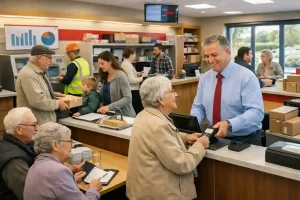
The Post Office continues to implement measures aimed at strengthening the long-term sustainability of its network.
Among the initiatives announced are:
- Increased investment in postmaster remuneration
- Network modernisation programmes
- Operational improvements
- Efforts to rebuild trust following the Horizon scandal
- Plans involving the future structure of Crown branches
The organisation has stated its intention to increase postmaster pay significantly before the end of the decade.
Whether these measures will fully offset the impact of rising business costs remains an important question for policymakers, operators and local communities.
The coming years are likely to determine whether additional reforms are needed to safeguard services in rural areas.
Conclusion: Can Rural Post Offices Survive Rising Business Costs?
The growing concerns surrounding rural Post Office closure risks highlight the financial challenges facing many community-based businesses across the UK.
The latest business rates revaluation has increased costs for hundreds of branches, with rural locations facing some of the most significant rises.
Combined with higher employment costs, inflationary pressures and broader economic challenges, these increases are creating difficult conditions for independent postmasters.
For many communities, the future of local Post Offices extends beyond commercial considerations. These branches provide essential services, support local economies and act as important social hubs.
While government support measures and Post Office investment initiatives may help alleviate some pressure, the long-term sustainability of the rural network will likely depend on whether policymakers can strike a balance between taxation, community service provision and business viability.
Frequently Asked Questions
How many rural Post Offices are affected by the latest business rates changes?
Hundreds of rural branches are expected to experience increased business rates liabilities following the latest revaluation, including many that were previously exempt.
Why are rural Post Offices considered essential community services?
They provide access to postal services, banking facilities, bill payments, government services and cash withdrawals, often in locations where alternatives are limited.
What services could communities lose if local Post Offices close?
Communities could lose access to banking services, parcel handling, bill payment facilities, cash access and important local support services.
Are business rates the only challenge facing Post Office branches?
No. Branches are also managing increased staffing costs, National Insurance contributions, utility bills and inflation-related expenses.
What support is available for struggling Post Office operators?
Support may include business relief programmes, Post Office investment initiatives and broader government measures designed to assist high street businesses.
How does the Post Office network differ from large retail chains?
Most Post Offices are independently operated by local postmasters and often provide community-focused services that extend beyond traditional retail activities.
What is being done to strengthen the future of rural Post Offices?
The Post Office is investing in network improvements, increasing postmaster remuneration and implementing measures aimed at improving long-term sustainability.

Leave a Reply